What You'll Achieve: Your Path to Clearer Skin

Chemical exfoliants can transform acne-prone skin when used correctly. This guide will teach you exactly which acids work best for acne, how to introduce them safely, and how to build a routine that clears your skin without causing irritation or damage.
“The right chemical exfoliant routine can prevent both active breakouts and the scarring that often follows.”
You'll learn to distinguish between salicylic acid for clogged pores, glycolic acid for surface texture, and newer options like azelaic acid for stubborn inflammation. More importantly, you'll understand the proper introduction schedule that prevents the redness and peeling that sends many people back to harsh scrubs.
By following this evidence-based approach, you'll build confidence in your routine while protecting your skin barrier. You'll know exactly when to increase frequency, when to step back, and when professional help becomes necessary. This knowledge helps prevent the trial-and-error approach that often leads to irritation and discouragement.
Why Chemical Exfoliants Work for Acne-Prone Skin

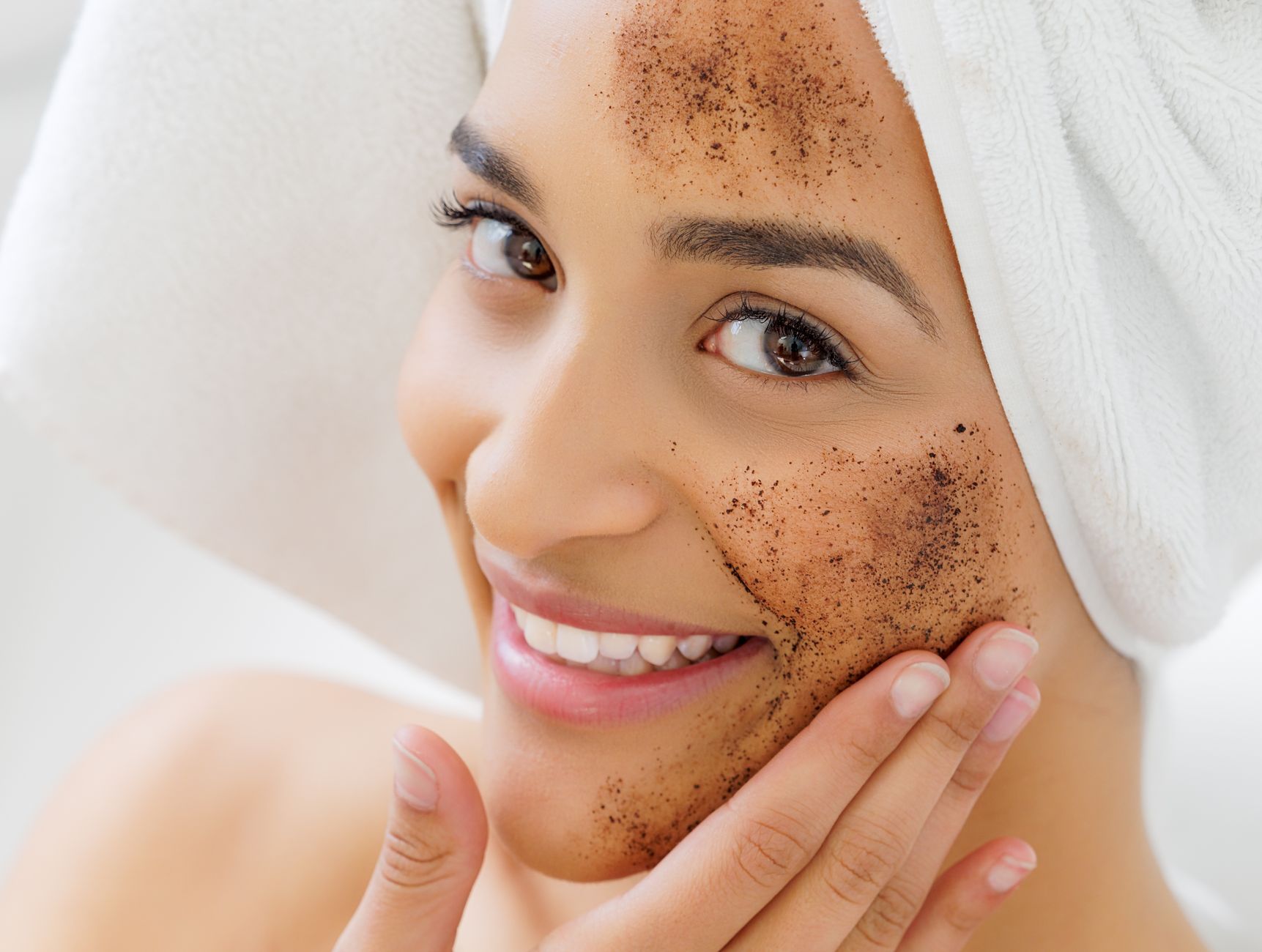
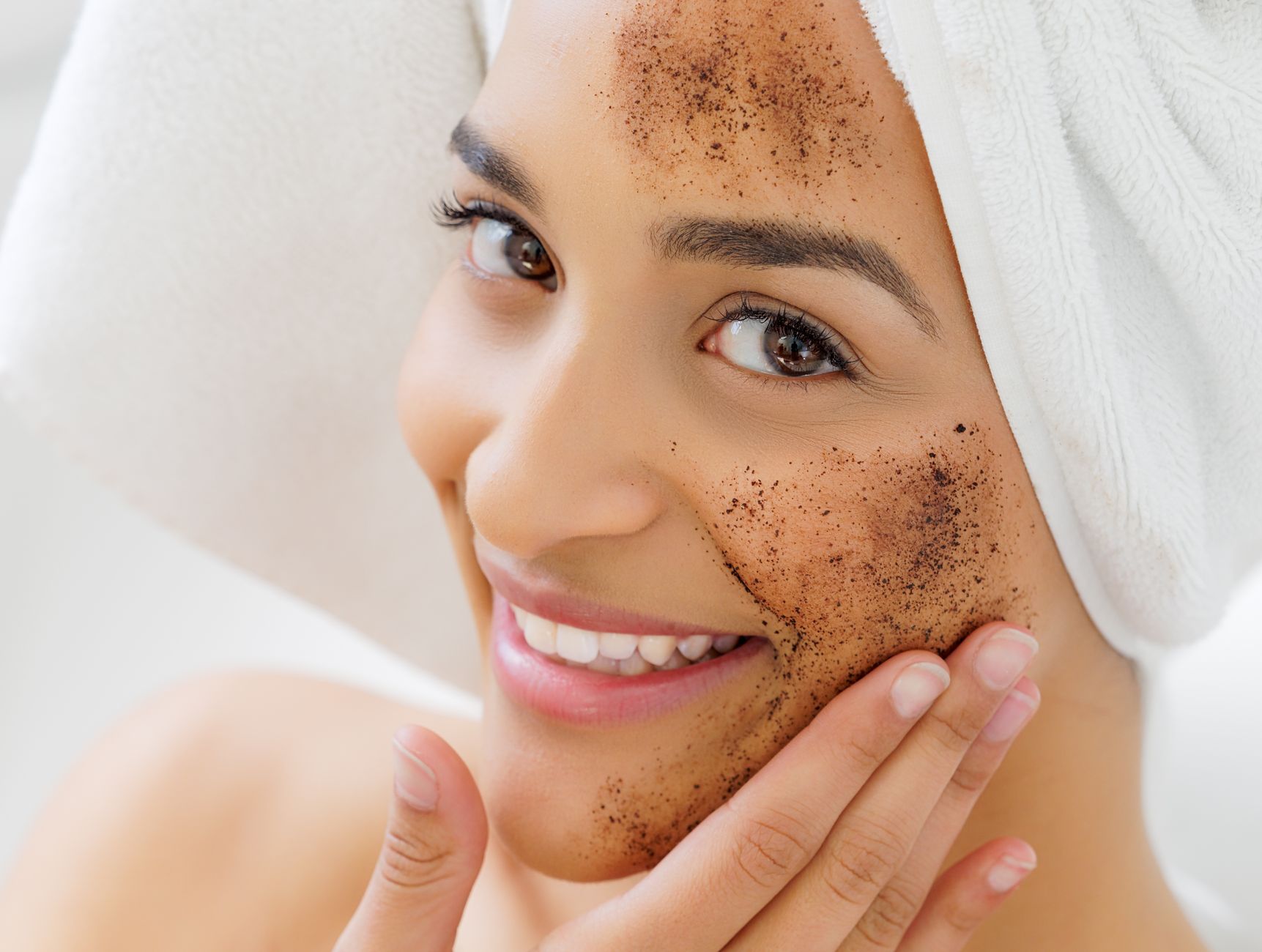
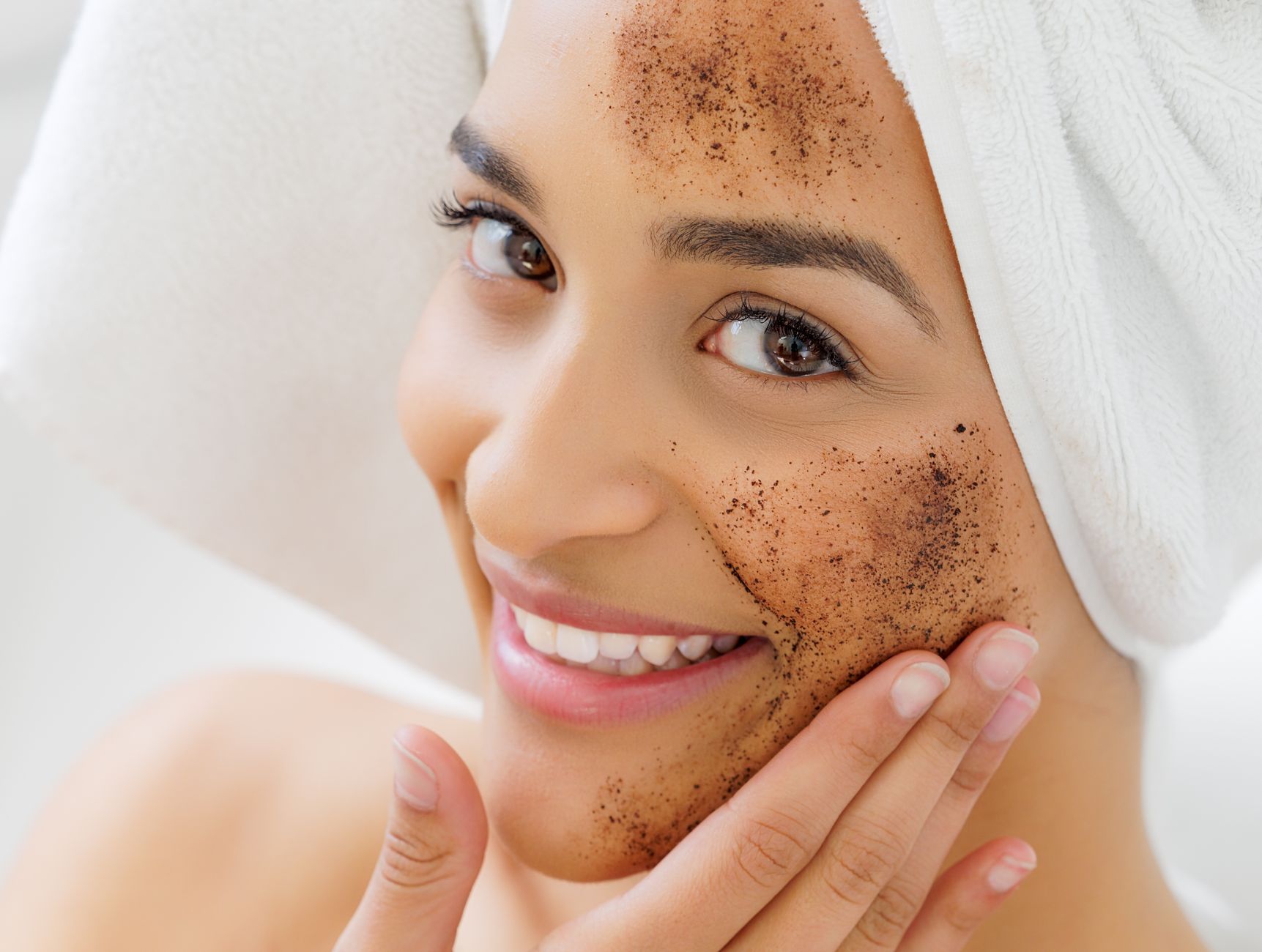
Chemical exfoliants work fundamentally different from physical scrubs that can irritate your acne-prone skin and potentially worsen scarring. While physical scrubs use particles to manually remove dead skin cells from the surface, chemical exfoliants use acids to dissolve the bonds between dead skin cells, allowing them to naturally shed away.
“Chemical exfoliants target acne at its source by penetrating into pores where physical scrubs simply cannot reach.”
This deeper penetration makes chemical exfoliants particularly effective for acne treatment. Salicylic Acid, a beta hydroxy acid, can actually travel inside your pores to dissolve the mixture of oil and dead skin cells that creates blackheads and whiteheads. This oil-soluble property allows it to work where your acne actually forms, rather than just treating surface symptoms.
Chemical exfoliants tackle multiple acne causes simultaneously. They unclog existing pores, prevent new clogs from forming, and reduce the inflammation that makes acne appear red and angry. This multi-pronged approach means fewer breakouts overall and faster healing of existing blemishes.
Beyond active acne, chemical exfoliants help fade post-acne marks and smooth rough texture that many people struggle with long after breakouts clear. They promote faster cell turnover, bringing fresh, healthy skin to the surface more quickly. This process helps prevent the permanent scarring that many acne sufferers worry about, while creating the smooth, even complexion you're working toward.
The gentle, consistent action of chemical exfoliants makes them ideal for daily use, unlike harsh scrubs that can damage your skin barrier and trigger more breakouts.
Best Chemical Exfoliants for Acne-Prone Skin
When choosing chemical exfoliants for acne-prone skin, understanding which acids work best for your specific concerns can prevent the frustration of trying products that don't deliver results. Each type of chemical exfoliant targets different aspects of acne formation, from surface blackheads to deep pore congestion.
Salicylic Acid (2-hydroxybenzoic acid) stands as the gold standard for acne treatment. This beta hydroxy acid penetrates deep into pores to dissolve the mixture of dead skin cells and oil that creates blackheads and whiteheads. Unlike other acids that only work on the skin's surface, salicylic acid can break through the oil barrier inside your pores. Look for concentrations between 0.5% and 2% - drugstore options like Neutrogena Oil-Free Acne Wash contain 2% salicylic acid, while gentler formulations start at 0.5% for sensitive skin.
Mandelic acid offers hope for those with sensitive, acne-prone skin who struggle with irritation from stronger acids. This alpha hydroxy acid has the largest molecular size, making it gentler while still effectively treating acne and preventing the dark spots that can lead to lasting skin concerns. Start with 5% concentrations and gradually increase to 10% as your skin builds tolerance.
Glycolic acid targets stubborn blackheads and rough skin texture that often accompany acne. Its small molecular size allows it to penetrate quickly and break down the bonds between dead skin cells. However, glycolic acid requires careful introduction - begin with 5% formulations used twice weekly, then slowly increase frequency. The Ordinary's Glycolic Acid 7% Toning Solution provides an accessible starting point.
Combination treatments can address multiple acne causes simultaneously. Products like Paula's Choice CALM Gentle BHA combine salicylic acid with soothing ingredients to minimize irritation. You might also alternate different acids - use salicylic acid in the morning for pore-clearing benefits and mandelic acid at night for gentle exfoliation. Start with single acids first, then consider combinations once your skin adapts to avoid overwhelming your barrier function.
Step-by-Step: Starting Chemical Exfoliation for Acne
Starting chemical exfoliants correctly prevents irritation and reduces the risk of worsening existing acne. Many people rush into aggressive routines, which can lead to inflammation and potentially worsen scarring concerns. A methodical approach protects your skin while building tolerance.
Apply the product to a small area behind your ear or on your inner wrist for 24-48 hours.
Begin with 0.5-1% salicylic acid or 5% lactic acid, applying once every three nights.
Watch for excessive dryness, redness, or increased breakouts during the first two weeks.
After two weeks of tolerance, move to every other night, then eventually nightly if needed.
Apply chemical exfoliants to clean, dry skin at night. Wait 20-30 minutes before applying other products to maximize penetration. Follow with a gentle moisturizer containing Hyaluronic Acid, which holds up to 1000 times its weight in water and helps maintain skin hydration during the adjustment period.
Consider pairing your chemical exfoliant with Niacinamide, a form of vitamin B3 that regulates sebum production and provides anti-inflammatory benefits. Apply niacinamide in the morning and your acid at night to avoid potential interactions.
Expect initial purging during weeks 2-4 as your skin accelerates cell turnover. This temporary increase in breakouts occurs as clogged pores surface faster. Most people see clearer skin by week 6, with optimal results appearing after 12 weeks of consistent use. Stop immediately if you experience severe irritation, persistent burning, or signs of over-exfoliation like excessive flaking or raw patches.
Building Your Acne-Fighting Routine

Successfully combining chemical exfoliants with other acne treatments requires strategic timing and careful product selection. The key is understanding which ingredients work together and which combinations can irritate your skin or reduce effectiveness.
Morning routines should prioritize protection and gentle actives. Apply Vitamin C serum first on clean skin, wait 15 minutes, then follow with Niacinamide if using both. These antioxidants work well together and won't interfere with your chemical exfoliant routine. Always finish with moisturizer and broad-spectrum SPF 30 or higher.
Evening routines allow for stronger actives but require careful scheduling. Use chemical exfoliants (BHA or AHA) on alternate nights from Retinol to prevent over-exfoliation. For example, apply salicylic acid on Monday, Wednesday, and Friday, then use Retinol on Tuesday, Thursday, and Saturday. This approach prevents the irritation and potential scarring that can occur when combining too many active ingredients simultaneously.
Use a gentle cleanser and wait 20 minutes before applying any active ingredients.
Use chemical exfoliants first, followed by serums like Niacinamide after 10-15 minutes.
Always finish with a non-comedogenic moisturizer to maintain your skin barrier.
Avoid mixing AHAs or BHAs with Vitamin C in the same application, as this can destabilize the Vitamin C and reduce its effectiveness. Never combine multiple exfoliating acids in one routine, and skip actives entirely if your skin shows signs of irritation like excessive redness or peeling.
Niacinamide pairs well with most ingredients and can actually help reduce irritation from stronger actives. Use it as a buffer between chemical exfoliants and moisturizer to maximize tolerance while maintaining effectiveness.
Troubleshooting: When Things Go Wrong
Even with careful product selection, chemical exfoliation can sometimes cause unexpected reactions. Understanding these common issues helps you adjust your routine before minor problems become major setbacks that delay your path to clear skin.
Distinguishing between purging and new breakouts proves crucial for acne-prone skin. Purging occurs when chemical exfoliants accelerate cell turnover, bringing existing comedones to the surface faster. These breakouts appear in areas where you typically get acne and resolve within 4-6 weeks. New breakouts from product irritation develop in unusual locations and worsen over time rather than improving.
Discontinue chemical exfoliants and other actives like retinoids or benzoyl peroxide.
Use gentle cleansers, ceramide-rich moisturizers, and Hyaluronic Acid to restore hydration.
Wait 1-2 weeks before slowly adding back one active ingredient at reduced frequency.
Over-exfoliation manifests as persistent redness, burning sensations, increased sensitivity to normally gentle products, and paradoxically more breakouts. Your skin may feel tight, look shiny, or develop flaky patches despite regular moisturizing. These symptoms indicate compromised barrier function requiring immediate attention.
Recovery focuses on rebuilding your skin barrier through gentle care. Hyaluronic Acid becomes particularly valuable during this phase, holding up to 1000 times its weight in water to provide deep hydration without irritating compromised skin.
Consult a dermatologist if irritation persists beyond two weeks of gentle care, if you develop widespread breakouts in new areas, or if you experience severe burning or allergic reactions. Professional guidance prevents permanent damage and helps you return to effective acne treatment safely.
Stop all actives immediately when over-exfoliation occurs and focus on gentle barrier repair before gradually reintroducing products.
Frequently Asked Questions
How long does it take to see results from chemical exfoliants for acne?
You can expect to see results from chemical exfoliants within 2-6 weeks of consistent use. Studies show that 85% of people experience significant acne improvement when using BHA (beta hydroxy acids) properly. The timeline depends on your skin type and the severity of your acne, but most people notice clearer skin and reduced breakouts within this timeframe.
What's the difference between chemical exfoliants and physical scrubs for acne?
Chemical exfoliants use acids to dissolve the bonds between dead skin cells, while physical scrubs manually remove surface cells with particles. Chemical exfoliants can penetrate deep into pores where acne actually forms, whereas physical scrubs only work on the surface and can irritate acne-prone skin. This deeper penetration makes chemical exfoliants more effective at targeting the root causes of acne formation.
Which chemical exfoliant works best for clogged pores and blackheads?
Salicylic acid (BHA) is the gold standard for treating clogged pores and blackheads. This oil-soluble acid can travel inside your pores to dissolve the mixture of oil and dead skin cells that creates blackheads and whiteheads. Unlike other acids that only work on the surface, salicylic acid targets acne at its source by penetrating where physical scrubs cannot reach.
Can chemical exfoliants help prevent acne scarring?
Yes, chemical exfoliants can reduce scarring risk by up to 30% when used properly. They prevent both active breakouts and the scarring that often follows by promoting faster cell turnover and bringing fresh, healthy skin to the surface. Chemical exfoliants also help fade existing post-acne marks and smooth rough texture that many people struggle with long after breakouts clear.
Are chemical exfoliants safe for daily use on acne-prone skin?
Chemical exfoliants can be safe for daily use when introduced properly and gradually to prevent irritation. Their gentle, consistent action makes them ideal for regular use, unlike harsh scrubs that can damage your skin barrier and trigger more breakouts. The key is following a proper introduction schedule to avoid the redness and peeling that can occur when acids are used too aggressively too soon.
Disclaimer: This content is for informational purposes only and does not constitute medical advice. Always consult a qualified healthcare provider before making health decisions.