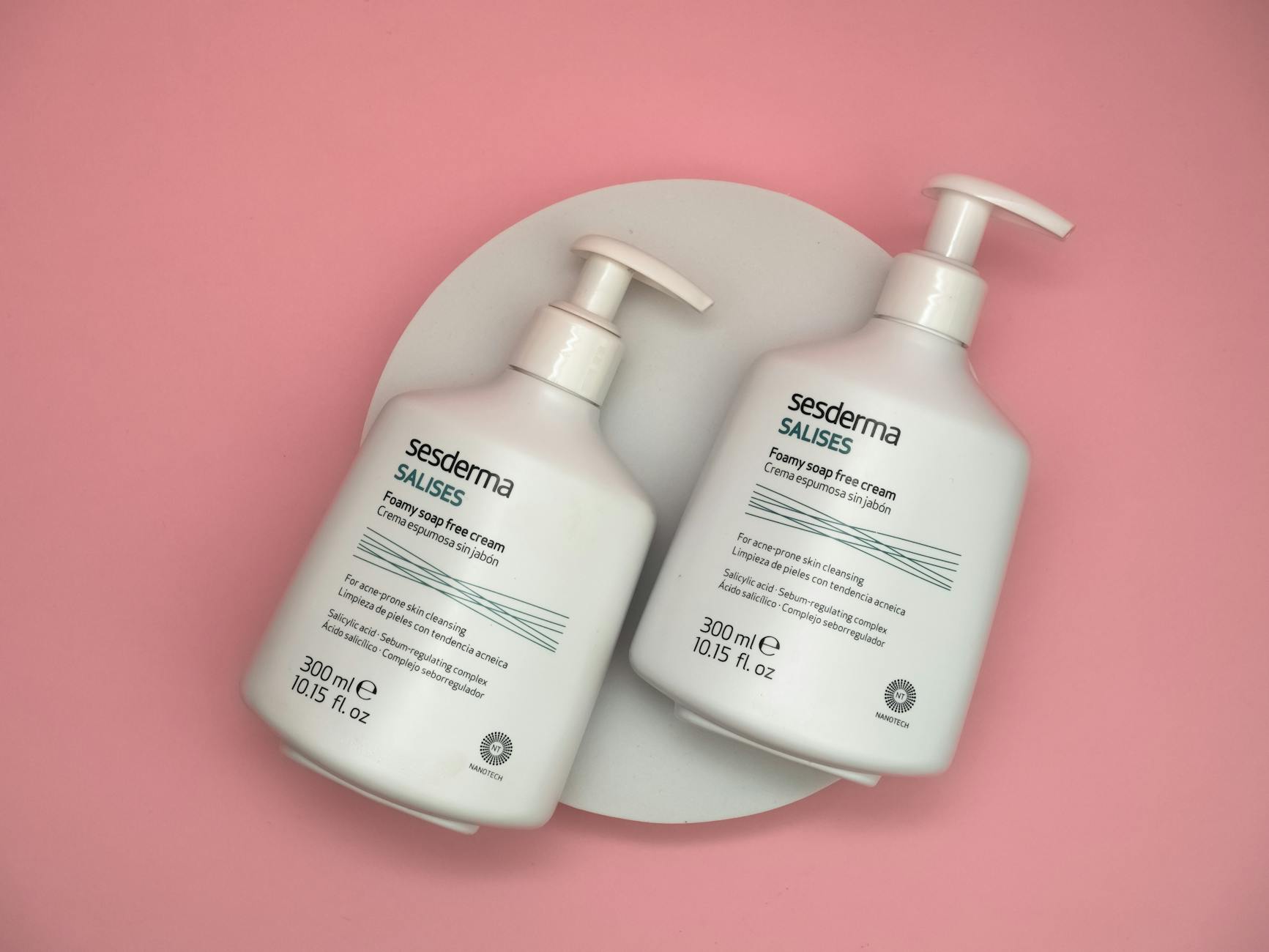

Why Facial Dry Skin Needs Special Care

Your facial skin operates differently than the skin on your body, requiring a specialized approach to combat dryness effectively. The skin on your face is significantly thinner—about 0.12 millimeters compared to 1.4 millimeters on your back—making it more vulnerable to moisture loss and environmental damage.
“Facial skin loses moisture 25% faster than body skin due to its thinner structure and constant environmental exposure.”
Your face endures constant exposure to harsh elements that your body typically avoids. Wind, pollution, UV rays, and temperature fluctuations attack your facial skin throughout the day, stripping away protective oils and compromising the skin barrier. This daily assault makes facial dryness more persistent and harder to treat than dryness elsewhere on your body.
Standard body moisturizers won't solve facial dryness problems. Facial formulations contain smaller molecular weights that penetrate the delicate skin more effectively without clogging pores. People with Sensitive Skin particularly need gentle, fragrance-free facial products specifically designed to calm reactive skin while providing adequate hydration.
Understanding these differences prevents the frustration of using wrong products and helps you develop an effective skincare routine that actually works for your face's unique needs.
Identifying Dry Facial Skin

Recognizing dry facial skin starts with understanding how your face feels and looks throughout the day. Dry skin lacks moisture and natural oils, creating a tight sensation that becomes more noticeable after washing. You might notice flaky patches, especially around your nose, cheeks, or jawline, along with a dull appearance that makeup seems to emphasize rather than conceal.
"Dry skin feels like wearing a mask that's one size too small—tight, uncomfortable, and constantly reminding you of its presence."
Unlike oily skin, which produces excess sebum and creates a shiny T-zone with enlarged pores, dry skin appears matte and feels rough to the touch. Your pores look smaller, but fine lines may appear more prominent. Combination skin presents a mixed picture—oily in the T-zone but dry on the cheeks—making it easy to mistake for purely dry skin if you focus only on certain areas.
Watch for warning signs that require professional attention. Persistent redness, cracking that won't heal, or sudden changes in skin texture could indicate underlying conditions beyond simple dryness. While dry skin rarely causes permanent scarring, ignoring severe symptoms can lead to irritation and potential complications that affect your confidence and comfort in social situations.
Essential Steps for Dry Facial Skin Care
Creating an effective routine for dry facial skin requires gentle techniques and consistent application. The key to success lies in preserving your skin's natural moisture barrier while adding hydration without causing irritation.
Use lukewarm water and a cream-based cleanser, massaging for 30 seconds before rinsing thoroughly.
Gently pat your face with a clean towel, leaving skin slightly damp to trap moisture.
While skin is still damp, apply moisturizer using upward strokes to seal in hydration.
The cleansing technique makes a significant difference for dry skin. Avoid hot water, which strips natural oils, and skip harsh scrubbing motions that can cause micro-tears. Instead, choose sulfate-free cleansers with ingredients like ceramides or hyaluronic acid.
Proper moisturizing involves timing and technique. Apply your moisturizer within three minutes of cleansing while your skin retains moisture from washing. This practice, called wet skin moisturizing, can increase hydration levels significantly.
Product application order follows a simple rule: thinnest to thickest consistency. Start with any serums, follow with moisturizer, and finish with sunscreen during morning routines. For example, apply a hyaluronic acid serum first, then your daily moisturizer, and finally broad-spectrum SPF 30 sunscreen.
Consistency prevents the dry patches and flaking that can lead to self-consciousness in social situations. Stick to this routine twice daily, and you'll notice improvements in skin texture and comfort within two weeks.
Choosing the Right Products for Your Face
Your facial skin requires different products than your body because it's thinner, more sensitive, and exposed to environmental stressors daily. Selecting the wrong products won't cause permanent scarring, but choosing the right ones will accelerate your journey to healthy, comfortable skin.
Look for ingredients that strengthen your skin barrier and lock in moisture. Ceramides rebuild your skin's protective layer, while hyaluronic acid attracts water to plump dry areas. Glycerin acts as a humectant, drawing moisture from the environment into your skin. Niacinamide reduces inflammation and improves texture without irritation.
Avoid products containing alcohol denat, strong fragrances, or sulfates, which strip natural oils and worsen dryness. Skip retinoids and alpha hydroxy acids until your moisture barrier heals completely. Even products labeled "natural" can irritate compromised skin.
If you have Sensitive Skin that reacts easily to skincare products with redness or burning, start with fragrance-free, hypoallergenic formulas. Test new products on a small area first. Face-specific moisturizers contain lighter oils and fewer comedogenic ingredients than body lotions, preventing clogged pores while delivering targeted hydration your delicate facial skin needs.
Common Mistakes to Avoid
Many people unknowingly worsen their facial dryness through well-intentioned but harmful habits. Understanding these pitfalls helps prevent the frustration of slow progress and skin irritation that can lead to lasting damage.
Over-cleansing ranks as the most destructive mistake. Washing your face more than twice daily strips away protective oils, leaving skin vulnerable and tight. Hot water compounds this problem by dissolving natural moisture barriers. For example, using a foaming cleanser morning and night, then adding a midday wash "for good measure" creates a cycle of dryness that becomes increasingly difficult to repair.
Wrong product choices create another common trap. Products containing alcohol, artificial fragrances, or harsh exfoliants like walnut shells damage dry skin further. Environmental factors like sleeping with heating vents pointed toward your face or skipping humidifiers during winter months silently sabotage your efforts. These mistakes compound over time, making simple dryness harder to treat.
When to Seek Professional Help
Most facial dryness responds to proper skincare routines within two to four weeks. However, certain warning signs indicate you need professional intervention rather than continued self-treatment.
Contact a dermatologist if your dry skin becomes severely cracked, bleeds, or develops open wounds. These symptoms can lead to permanent scarring if left untreated. Persistent itching that interferes with sleep, widespread redness that doesn't improve with gentle care, or any signs of infection like pus or unusual warmth also require immediate attention.
Seek professional help when dryness persists despite consistent skincare for more than six weeks. Dermatologists can identify underlying conditions like eczema, psoriasis, or hormonal imbalances that cause chronic dryness. They may also detect contact allergies to products you're currently using.
Professional treatment options include prescription moisturizers with ceramides or urea, topical steroids for inflammation, and specialized barrier repair creams. Some patients benefit from in-office treatments like gentle chemical peels or hydrating facials designed for sensitive skin.
See a dermatologist if dry skin cracks, bleeds, or doesn't improve after six weeks of proper care.
Frequently Asked Questions
Why does facial skin need different care than body skin?
Facial skin is significantly thinner than body skin (0.12 millimeters compared to 1.4 millimeters on your back) and loses moisture 25% faster due to its delicate structure. Your face also endures constant exposure to harsh elements like wind, pollution, UV rays, and temperature fluctuations that strip away protective oils and compromise the skin barrier. Standard body moisturizers won't work effectively because facial formulations contain smaller molecular weights that penetrate delicate skin without clogging pores.
How can I tell if I have dry facial skin?
Dry facial skin feels tight, especially after washing, and often appears dull with flaky patches around the nose, cheeks, or jawline. Unlike oily skin which produces excess sebum and creates a shiny T-zone, dry skin appears matte with smaller pores but more prominent fine lines. You might notice that makeup emphasizes the dryness rather than concealing it, and your skin feels rough to the touch.
What's the proper way to cleanse dry facial skin?
Use lukewarm water with a cream-based cleanser, massaging gently for 30 seconds before rinsing thoroughly. After cleansing, gently pat your face with a clean towel, leaving skin slightly damp to help trap moisture. This gentle approach helps preserve your skin's natural moisture barrier while removing impurities without causing irritation.
When should I see a professional about my dry skin?
You should seek professional attention if you experience persistent redness, cracking that won't heal, or sudden changes in skin texture. These warning signs could indicate underlying conditions beyond simple dryness. While dry skin rarely causes permanent scarring, ignoring severe symptoms can lead to irritation and potential complications.
Disclaimer: This content is for informational purposes only and does not constitute medical advice. Always consult a qualified healthcare provider before making health decisions.