Understanding Mature Skin Characteristics

Mature skin refers to skin that has undergone natural aging processes, typically beginning around age 25 when collagen production starts to decline. Unlike younger skin that bounces back quickly from damage, mature skin shows visible signs of time's passage and requires specialized care to maintain its health and appearance.
The most significant change in mature skin is reduced elasticity. Your skin produces less collagen and elastin, the proteins responsible for firmness and bounce. Cell turnover also slows dramatically from every 28 days in your twenties to 45-60 days as you age. This slower renewal process means dead skin cells accumulate longer on the surface, creating a dull, rough texture.
“Mature skin requires specialized care because its fundamental biology has changed, not just its appearance.”
Key signs of mature skin include fine lines around the eyes and mouth, decreased oil production leading to dryness, uneven skin tone, and age spots. You might notice your skin feels thinner and more fragile than before. These changes can contribute to concerns about permanent damage and how others perceive your appearance.
Generic skincare routines designed for all ages fail mature skin because they don't address these specific biological changes. Products formulated for younger skin may be too harsh or inadequate for the unique needs of aging skin. Your skin barrier becomes more sensitive while simultaneously needing stronger active ingredients to stimulate cellular renewal.
Understanding these characteristics helps explain why your current routine might not deliver the results you want. Mature skin isn't broken or defective—it simply requires targeted ingredients and gentler application methods that work with its changed biology rather than against it.
Essential Morning Routine for Mature Skin
Your morning skincare routine sets the foundation for healthy, protected skin throughout the day. Mature skin requires gentle care that addresses collagen loss, reduced elasticity, and increased sensitivity without causing irritation that could lead to lasting damage.
“The key to mature skin care is consistency with gentle, proven ingredients rather than harsh treatments that promise overnight results.”
Use a cream or milk cleanser that won't strip your skin's natural oils, such as CeraVe Hydrating Cleanser.
Apply vitamin C serum to combat free radical damage and support collagen production.
Choose formulas with hyaluronic acid or peptides to plump skin and reduce fine lines.
Finish with broad-spectrum SPF 30 or higher to prevent further aging and pigmentation.
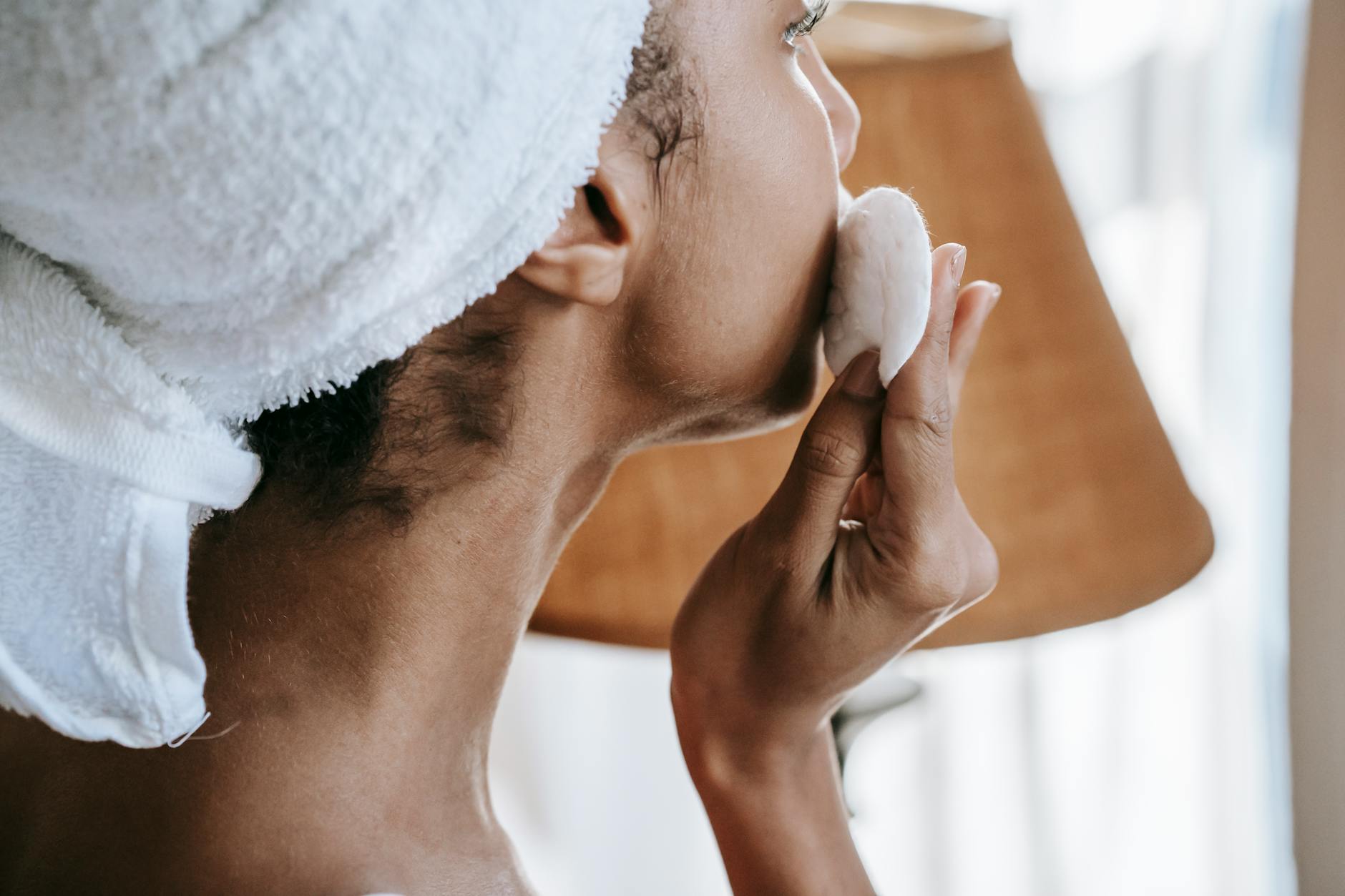
Start with lukewarm water when cleansing, as hot water strips essential oils from already-delicate mature skin. Pat your face dry with a clean towel instead of rubbing, which can cause micro-tears in thinner skin.
When applying vitamin C serum, use gentle upward strokes and allow it to absorb completely before moving to the next step. L-ascorbic acid serums work best, but if you experience irritation, try magnesium ascorbyl phosphate, a gentler vitamin C derivative.
Your moisturizer should feel comfortable without leaving a heavy residue. Look for ingredients like ceramides, niacinamide, or retinyl palmitate for added anti-aging benefits. Brands like Olay Regenerist or Neutrogena Rapid Wrinkle Repair offer effective options.
Sunscreen application requires special attention on mature skin. Use about a quarter teaspoon for your face and neck, applying in thin layers to avoid a chalky appearance. Mineral sunscreens with zinc oxide or titanium dioxide often feel less irritating than chemical formulas.
Remember that consistency matters more than expensive products. This routine typically takes 5-10 minutes but provides crucial protection against environmental damage that accelerates aging. Start slowly if you're new to active ingredients, introducing one new product every two weeks to monitor your skin's response.
Evening Routine Steps and Active Ingredients

Your evening routine represents the most powerful opportunity to repair and regenerate mature skin while you sleep. Night routines should focus on deeper cleansing, active ingredients, and intensive hydration to address aging concerns without worrying about sun exposure or makeup compatibility.
Start with an oil-based cleanser to remove makeup and sunscreen, followed by a gentle water-based cleanser to eliminate remaining impurities.
Use retinol or prescription retinoids 2-3 times per week, starting with lower concentrations to build tolerance.
Apply hyaluronic acid or peptide serums to damp skin for maximum absorption and plumping effects.
Use a rich night cream with ceramides or niacinamide to strengthen the skin barrier overnight.
Gently pat eye cream around the orbital bone using your ring finger, avoiding direct eyelid contact.
Retinoids remain the gold standard for mature skin because they accelerate cell turnover and stimulate collagen production. Start with over-the-counter retinol products like Neutrogena Rapid Wrinkle Repair or CeraVe Resurfacing Retinol Serum before considering prescription tretinoin. Always introduce retinoids gradually to prevent irritation.
Hydrating serums work best on slightly damp skin. Look for ingredients like hyaluronic acid, which holds up to 1000 times its weight in water, or peptides that signal skin to produce more collagen. The Ordinary Hyaluronic Acid 2% + B5 provides excellent hydration at an affordable price point.
Night moisturizers should be richer than morning formulas. Products containing ceramides help restore the skin barrier, while niacinamide reduces inflammation and improves skin texture. Olay Regenerist Night Recovery Cream or Neutrogena Rapid Wrinkle Repair Night Moisturizer offer proven anti-aging benefits for mature skin types.
Weekly Treatments and Professional Options
Beyond your daily routine, weekly treatments provide deeper skin renewal that targets stubborn signs of aging. These supplemental steps help accelerate cell turnover and deliver intensive hydration without disrupting your established regimen.
Chemical exfoliation with AHA or BHA acids once or twice weekly removes dead skin cells more effectively than physical scrubs. Glycolic acid works particularly well for mature skin, smoothing fine lines and improving texture. Start with 5-10% concentrations and increase gradually as your skin adapts.
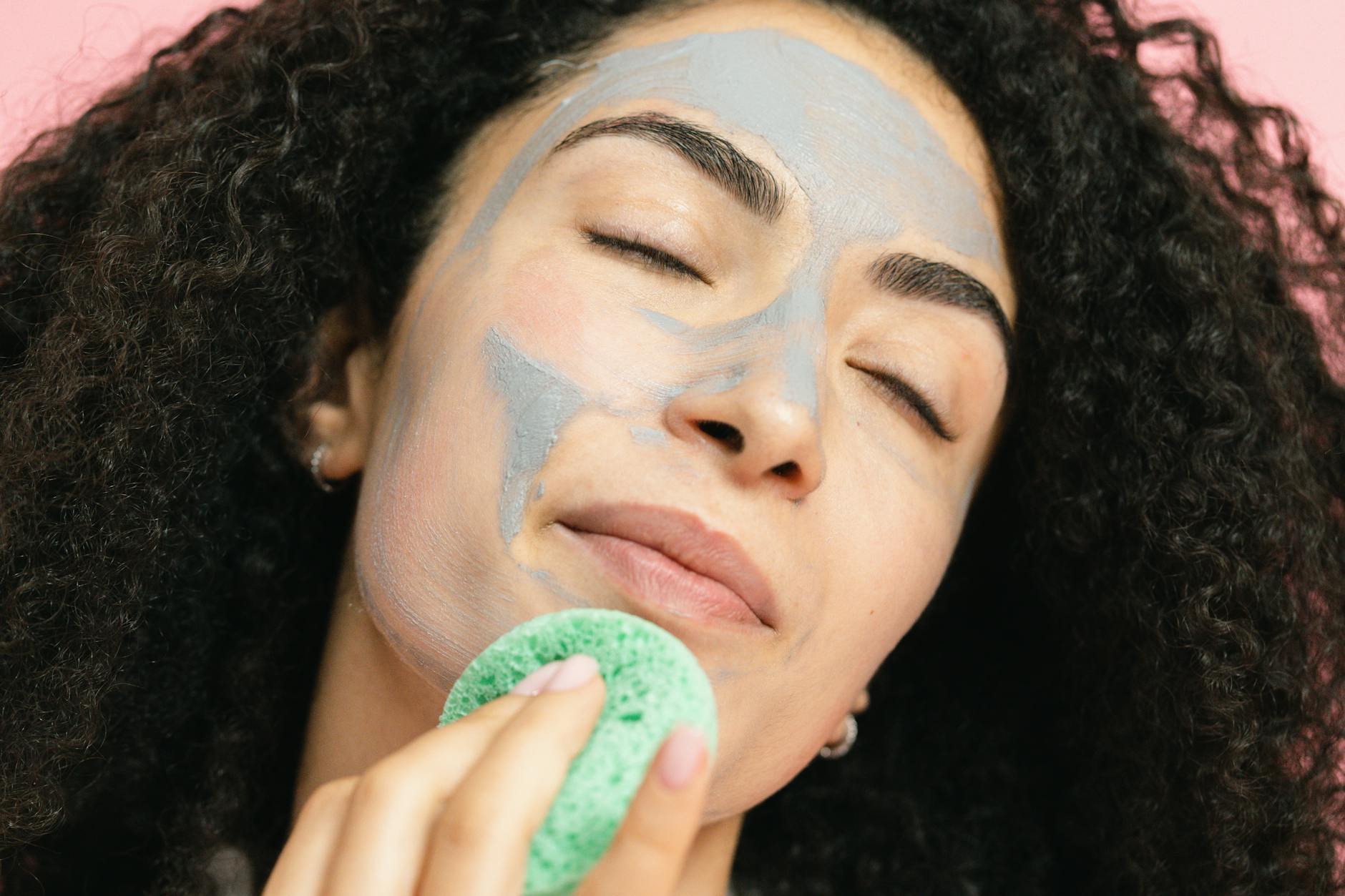
Weekly hydrating masks with hyaluronic acid or ceramides provide intensive moisture repair. Apply these treatments on clean skin for 15-20 minutes, focusing on areas that show dryness or irritation.
Professional treatments like chemical peels, microneedling, or laser therapy can address deeper concerns that daily products cannot reach. These procedures target persistent wrinkles, age spots, and texture issues more aggressively than at-home options.
Schedule a dermatology consultation if you notice rapid changes in skin texture, new pigmentation, or if your current routine stops producing results after three months. Professional guidance becomes essential when dealing with hormonal changes or medication effects that impact skin health.
Maintain consistency by alternating chemical exfoliation and hydrating masks throughout the week, allowing at least 48 hours between intensive treatments to prevent irritation.
Common Mistakes to Avoid
Mature skin requires a gentler approach than younger skin, and common mistakes can actually accelerate aging or cause irritation. Understanding these pitfalls helps you build an effective routine without setbacks.
Over-exfoliating ranks as the most damaging mistake for mature skin. Your skin becomes thinner with age, making it more vulnerable to harsh scrubs or daily chemical exfoliants. Limit exfoliation to 2-3 times per week maximum, and choose gentle options like lactic acid over aggressive glycolic acid formulas.
Skipping moisturizer because your skin "feels oily" backfires completely. Mature skin often produces less natural oil, and dehydration triggers your skin to overproduce sebum as compensation. This creates a cycle of apparent oiliness followed by tight, dry patches.
Loading your routine with multiple active ingredients simultaneously overwhelms aging skin. Using retinol, vitamin C, and AHA treatments together causes irritation and redness. Introduce one active ingredient at a time, spacing them weeks apart, and alternate usage days rather than layering everything nightly.
Neglecting your neck and hands reveals your true age despite perfect facial skin care. These areas show aging signs just as prominently as your face. Apply your facial products down to your décolletage and remember to treat your hands with the same anti-aging ingredients.
Inconsistent application undermines even the best products. Mature skin responds slowly to treatments, requiring 6-8 weeks of regular use before showing improvement.
Building Your Personalized Routine

Creating the right mature skin routine requires patience and strategic planning. Start by introducing one new product every two weeks to identify which ingredients work best for your skin. This gradual approach prevents overwhelming your skin barrier and helps you pinpoint what delivers real results.
Budget constraints don't have to derail your skincare goals. A drugstore retinol cream at $15 can be just as effective as a $150 department store version if it contains the right concentration of active ingredients. Look for products with proven ingredients like niacinamide, hyaluronic acid, and vitamin C rather than fancy packaging or celebrity endorsements.
Customize your routine based on your primary concerns. For deep wrinkles, prioritize retinoids and peptides. Dark spots respond best to vitamin C serums and gentle exfoliation. Sagging skin benefits from firming ingredients like bakuchiol or growth factors.
Expect to wait 8-12 weeks before seeing significant improvements in skin texture and firmness. Fine lines may improve within 4-6 weeks, while deeper wrinkles require longer treatment periods. This timeline prevents the social embarrassment of rushing into harsh treatments that could damage your skin.
Adjust your routine seasonally or when your skin changes. Winter may require richer moisturizers, while summer calls for lighter formulations with higher SPF. Monitor your skin's response monthly and modify products that cause irritation or fail to deliver promised results.
Next Steps for Your Skin Journey
Your mature skin routine starts with three basics: gentle cleanser, moisturizer, and sunscreen. These foundation products address your skin's changing needs without overwhelming it. Master these essentials before adding serums or treatments.
Begin with basic cleanser, moisturizer, and SPF for two weeks.
Photo document your skin weekly to monitor improvements.
Introduce one new product every two weeks to identify what works.
Schedule a dermatologist appointment if you notice persistent irritation, new growths, or dramatic texture changes. Professional guidance prevents damage and accelerates your progress toward healthier skin.
Consistency with basic products beats complex routines that you abandon after two weeks.
Frequently Asked Questions
What age does mature skin start to develop?
Mature skin typically begins around age 25 when collagen production starts to decline. This is when the natural aging processes begin, though visible signs may not appear until later. The skin's fundamental biology changes as cell turnover slows and elasticity decreases over time.
What are the main signs of mature skin?
Key signs of mature skin include fine lines around the eyes and mouth, decreased oil production leading to dryness, and uneven skin tone with age spots. You might also notice your skin feels thinner and more fragile than before. Reduced elasticity and slower cell turnover create a dull, rough texture as dead skin cells accumulate longer on the surface.
Why don't regular skincare products work for mature skin?
Generic skincare routines designed for all ages fail mature skin because they don't address the specific biological changes that occur with aging. Products formulated for younger skin may be too harsh or inadequate for mature skin's unique needs. Mature skin requires targeted ingredients and gentler application methods that work with its changed biology rather than against it.
What should be included in a morning skincare routine for mature skin?
A proper morning routine for mature skin should include gentle cleansing with a cream or milk cleanser, followed by a vitamin C serum for antioxidant protection. Next, apply a hydrating moisturizer with ingredients like hyaluronic acid or peptides to plump skin and reduce fine lines. Always finish with broad-spectrum SPF 30 or higher to prevent further aging and pigmentation.
How often does mature skin renew itself compared to younger skin?
Mature skin has dramatically slower cell turnover compared to younger skin, renewing every 45-60 days instead of the typical 28 days in your twenties. This slower renewal process means dead skin cells accumulate longer on the surface, creating a dull, rough texture. The reduced turnover rate is one of the key biological changes that requires specialized skincare approaches for mature skin.
Disclaimer: This content is for informational purposes only and does not constitute medical advice. Always consult a qualified healthcare provider before making health decisions.