Why Proper Preparation and Aftercare Matter

Think of your skin treatment like surgery—the preparation you do beforehand and how you care for yourself afterward directly determines your results. Treatment success depends heavily on preparation because your skin needs to be in the optimal condition to respond properly to any procedure or medication.
“Poor aftercare can lead to complications and suboptimal results that may take months to reverse.”
When you skip preparation steps or ignore aftercare instructions, you risk developing complications that could leave permanent marks on your skin. This includes hyperpigmentation, scarring, or infections that create new problems worse than your original skin concerns. These complications often take significantly longer to treat than your initial condition.
Following protocols reduces risks and improves outcomes by giving your skin the best environment to heal and respond. Proper preparation removes barriers to treatment effectiveness, while consistent aftercare protects your investment and accelerates healing. Your dermatologist's instructions aren't suggestions—they're roadmaps to the clear, healthy skin you want without the setbacks that come from cutting corners.
Pre-Treatment Preparation Essentials

Proper preparation sets the foundation for successful treatment outcomes and minimizes the risk of complications. Your dermatologist will provide specific instructions tailored to your procedure, but understanding the general preparation process helps you feel more confident and prepared.
“The week before your treatment is just as important as the treatment itself.”
Medication adjustments often require the most advance planning. Stop using retinoids, retinol products, and exfoliating acids one week before most procedures. For Chemical Peels, you'll need to discontinue these products to prevent excessive irritation and ensure even treatment penetration. Inform your provider about all medications, including blood thinners, antibiotics, and supplements, as some may need temporary discontinuation.
Skin preparation requirements vary by treatment type. Your provider may prescribe pre-treatment products to condition your skin and improve results. Avoid waxing, laser hair removal, and aggressive scrubbing for at least one week prior. For Chemical Peels specifically, avoid sun exposure and tanning beds, as treated skin becomes more photosensitive.
Lifestyle modifications support optimal healing. Stay well-hydrated, get adequate sleep, and avoid alcohol 48 hours before treatment. Schedule your appointment when you can take time off afterward if needed, especially for deeper treatments that may cause temporary peeling or redness.
On treatment day, arrive with clean skin free of makeup, lotions, or fragrances. Bring sunglasses for post-treatment comfort and your insurance information. Wear comfortable clothing and arrange transportation if sedation is involved. Remember, following these guidelines doesn't guarantee perfection, but it significantly reduces risks and optimizes your results.
The First 24-48 Hours Post-Treatment
The critical window immediately following your dermatology procedure determines your healing success and final results. Your skin enters a vulnerable state where proper care prevents complications and supports optimal recovery.
Gently cleanse with lukewarm water and a mild, fragrance-free cleanser twice daily.
Follow your provider's exact instructions for timing, frequency, and application technique.
Resist the urge to touch, scratch, or peel any crusting or flaking skin.
Watch for warning signs that require immediate medical attention: increasing redness beyond the treatment area, pus or unusual discharge, severe pain, fever, or signs of infection. These symptoms, while rare when proper aftercare is followed, need prompt evaluation to prevent permanent scarring.
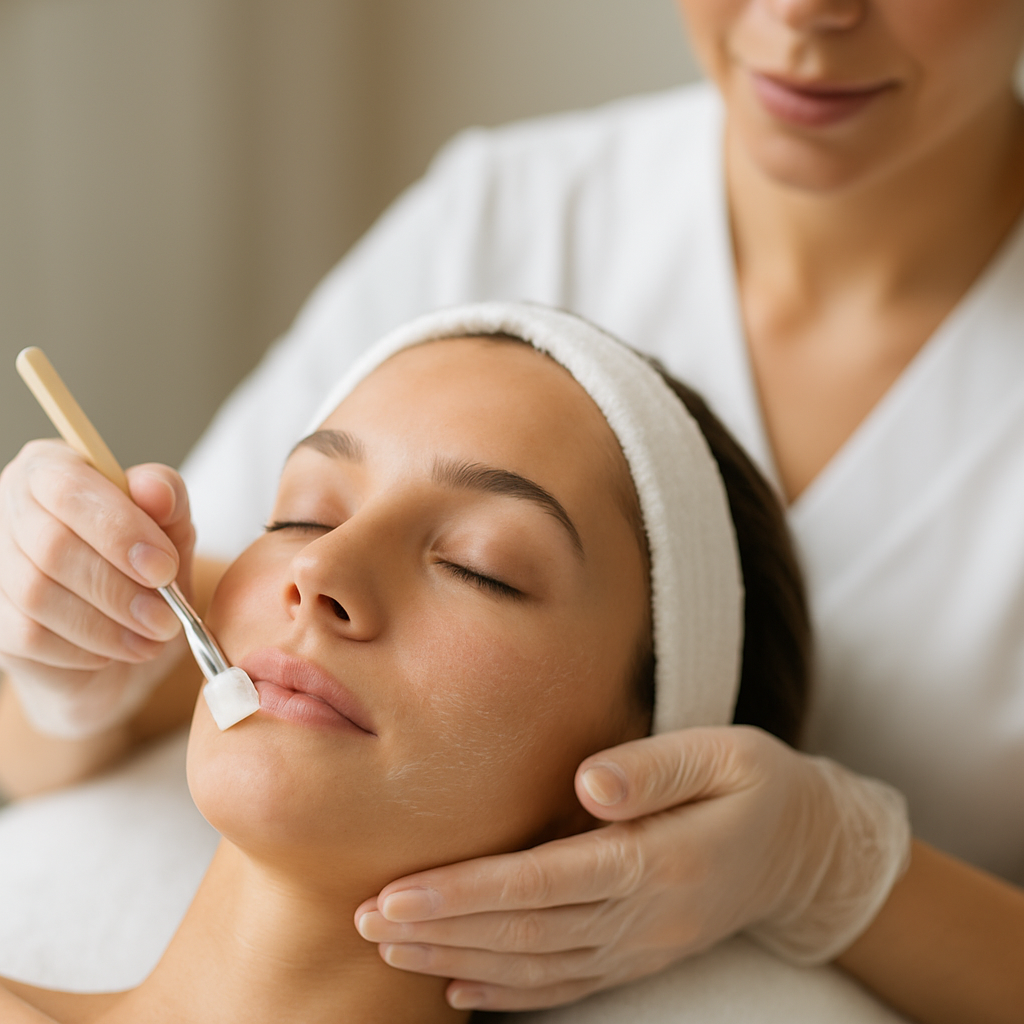
Chemical Peels require particularly careful monitoring during this period. Your skin will likely feel tight and appear red, similar to a sunburn. Avoid all activities that cause sweating, including exercise, hot showers, and saunas for 48 hours.
Temporarily modify your skincare routine by eliminating active ingredients like retinoids, acids, and exfoliants. Use only gentle, hydrating products your provider recommends. Sun exposure must be completely avoided, as treated skin remains extremely photosensitive and prone to hyperpigmentation.
Long-Term Recovery and Healing
The complete healing journey after Chemical Peels extends far beyond the initial peeling phase. Understanding this timeline helps you navigate recovery with realistic expectations and proper care.
Week one focuses on gentle cleansing and basic moisturizing. Your skin remains sensitive, so avoid active ingredients like retinoids or vitamin C. Week two typically brings visible improvements as new skin emerges, though some redness persists.
By week three, most patients can gradually reintroduce gentle skincare products. Start with one product every few days to monitor reactions. Your skin may appear slightly pink or sensitive to certain ingredients for several weeks.
Sun protection becomes non-negotiable throughout recovery. Newly revealed skin lacks natural protection, making it vulnerable to permanent damage and scarring. Use broad-spectrum SPF 30 minimum daily, regardless of weather or indoor activities.
Normal activities like exercise and makeup application can usually resume after ten days, though your dermatologist may recommend waiting longer based on peel depth and individual healing response.
Common Mistakes to Avoid

Even well-intentioned patients can sabotage their treatment results through simple oversights. Understanding these common pitfalls helps you achieve the clear skin you want while avoiding permanent scarring.
Pre-treatment preparation errors often center around skincare timing. Using retinoids or exfoliating products within 48 hours of procedures can increase sensitivity and complications. Similarly, getting waxed or threading the treatment area within a week creates unnecessary inflammation that interferes with healing.
Post-treatment care mistakes prove equally problematic. Picking at scabs or peeling skin feels satisfying but creates infection risks and permanent marks. Many patients also rush back to their full skincare routine too quickly, applying acids or active ingredients before their skin barrier has recovered.
Activity violations represent another frequent issue. Sun exposure without SPF 30+ protection can cause hyperpigmentation that takes months to fade. Hot showers, saunas, and intense workouts within 24-48 hours post-treatment increase swelling and delay healing.
Product timing errors occur when patients mix incompatible ingredients or restart potent formulations prematurely. For example, using vitamin C serums immediately after chemical peels can trigger severe irritation rather than enhanced results.
When to Contact Your Dermatologist
Knowing when to reach out for professional help can prevent complications and ease your concerns about permanent scarring. Your dermatologist wants to hear from you when symptoms seem unusual or worrisome.
Contact your dermatologist immediately if you experience severe swelling, intense pain that worsens after 48 hours, or signs of infection like pus, red streaking, or fever. These warning signs require prompt medical attention to prevent complications.
Normal healing includes mild redness, slight tenderness, and some peeling or dryness. However, if your skin becomes extremely irritated, develops unexpected bumps, or shows no improvement after two weeks, schedule a check-in appointment.
Most follow-up appointments occur 4-6 weeks after treatment, but don't hesitate to call sooner if concerned. During recovery, ask about timeline expectations, product recommendations, and when to resume normal activities.
Remember that early intervention often prevents minor issues from becoming major problems. Your dermatologist would rather address your concerns promptly than deal with complications later.
Trust your instincts and contact your dermatologist whenever symptoms seem concerning or different from what you expected.
Frequently Asked Questions
Why is proper preparation important before skin treatments?
Think of your skin treatment like surgery—the preparation you do beforehand directly determines your results. Treatment success depends heavily on preparation because your skin needs to be in the optimal condition to respond properly to any procedure or medication. Proper preparation removes barriers to treatment effectiveness and gives your skin the best environment to heal and respond.
What happens if I don't follow aftercare instructions?
Poor aftercare can lead to complications and suboptimal results that may take months to reverse. When you skip preparation steps or ignore aftercare instructions, you risk developing complications like hyperpigmentation, scarring, or infections that create new problems worse than your original skin concerns. These complications often take significantly longer to treat than your initial condition.
What skincare products should I stop before treatment?
Stop using retinoids, retinol products, and exfoliating acids one week before most procedures. For Chemical Peels, you'll need to discontinue these products to prevent excessive irritation and ensure even treatment penetration. You should also inform your provider about all medications, including blood thinners, antibiotics, and supplements, as some may need temporary discontinuation.
What should I avoid before my dermatology treatment?
Avoid waxing, laser hair removal, and aggressive scrubbing for at least one week prior to treatment. You should also avoid sun exposure and tanning beds, as treated skin becomes more photosensitive. Additionally, avoid alcohol 48 hours before treatment and stay well-hydrated while getting adequate sleep to support optimal healing.
How should I care for my skin in the first 24-48 hours after treatment?
Keep treated areas clean and dry by gently cleansing with lukewarm water and a mild, fragrance-free cleanser twice daily. Apply any prescribed medications as directed by your provider. The critical window immediately following your dermatology procedure determines your healing success and final results, as your skin enters a vulnerable state where proper care prevents complications.
Disclaimer: This content is for informational purposes only and does not constitute medical advice. Always consult a qualified healthcare provider before making health decisions.