Quick Verdict: Which Injectable Is Right for You?

Choosing your first neurotoxin treatment doesn't have to feel overwhelming. Each option targets the same wrinkles effectively, but small differences matter for your specific needs and comfort level.
“The best injectable is the one that matches your timeline, budget, and skin sensitivity.”
Botox works best for first-time patients because it has the longest track record and most predictable results. Your provider has likely administered it thousands of times, reducing any risk of unexpected outcomes.
Dysport offers the most cost-effective solution for budget-conscious patients. It typically costs 20-30% less per treatment area while delivering comparable smoothing effects.
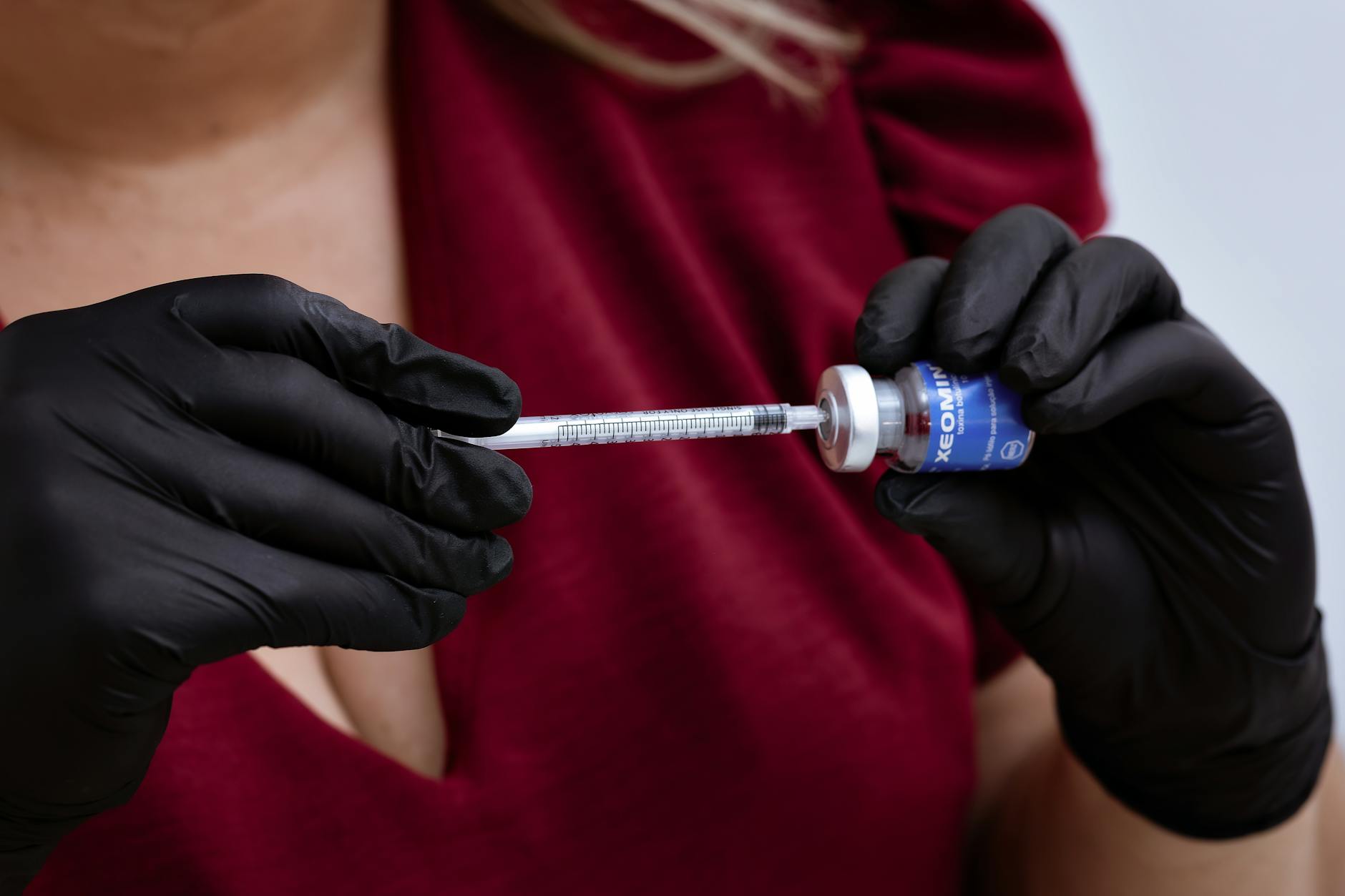
Xeomin provides the longest-lasting results for patients who want fewer appointments. Its pure formulation often extends effectiveness by 1-2 weeks beyond other options.
Xeomin also suits sensitive patients best since it contains no added proteins that might trigger reactions. This makes it ideal if you have a history of skincare sensitivities.
How Each Injectable Works
All three injectables—Botox, Dysport, and Xeomin—contain botulinum toxin type A, which works by temporarily blocking nerve signals to muscles. When injected, the toxin prevents acetylcholine release at nerve endings, causing targeted muscles to relax. This muscle relaxation smooths wrinkles and prevents new ones from forming during facial expressions.
“The key differences lie not in what these treatments do, but in how their unique formulations deliver results.”
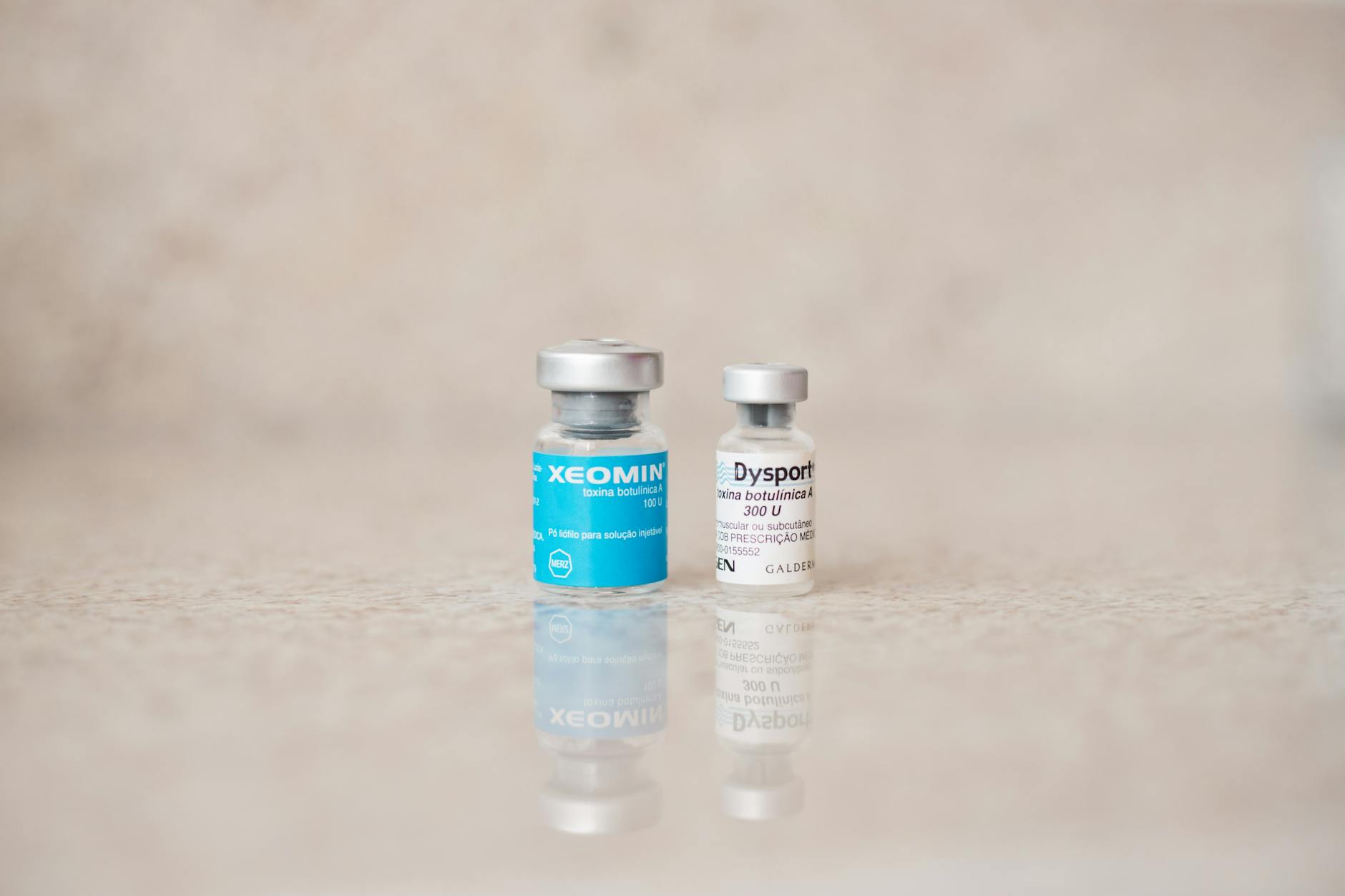
The formulations differ significantly in their protein complexes. Botox contains additional proteins that help stabilize the toxin, while Dysport has smaller protein molecules that allow wider diffusion. Xeomin stands apart as a "naked" toxin with no accessory proteins, reducing the risk of antibody formation.
These formulation differences create distinct diffusion patterns. Dysport spreads further from injection sites, making it ideal for treating larger areas like the forehead. Botox offers more precise targeting for specific wrinkles, while Xeomin provides a middle ground with moderate spread.
Onset timing varies between products. Dysport typically shows results within 2-3 days, Botox takes 3-7 days, and Xeomin requires 4-7 days. Understanding these differences helps set realistic expectations and avoid disappointment about treatment timelines.
Side-by-Side Comparison Table

When choosing between Botox, Dysport, and Xeomin, understanding the key differences helps you make an informed decision. Each product has distinct characteristics that affect your treatment experience and results.
Botox typically lasts 3-4 months and costs $10-15 per unit, with results appearing in 3-5 days. Dysport spreads more easily due to smaller protein molecules, making it ideal for larger areas like the forehead, with effects lasting 3-4 months at $4-8 per unit. Xeomin contains the purest form of botulinum toxin without accessory proteins, reducing antibody resistance risk and lasting 3-4 months at $10-18 per unit. All three are FDA-approved for treating frown lines, with Botox having the most extensive approval list including crow's feet and forehead lines.
Effectiveness and Results Duration
All three neurotoxins deliver similar effectiveness for wrinkle reduction, but their timing and duration vary slightly. Clinical studies show that Botox, Dysport, and Xeomin achieve comparable results when administered by skilled practitioners, with success rates above 90% for treating frown lines and crow's feet.
Dysport typically shows results fastest, often within 2-3 days, while Botox and Xeomin take 3-7 days to reach full effect. However, Botox tends to last slightly longer for many patients, with results persisting 3-4 months compared to Dysport's 3-3.5 months on average.
Several factors influence how long your results last. Your metabolism, muscle strength, treatment area, and injection technique all play roles. Patients who exercise intensively may metabolize the toxin faster, requiring more frequent touch-ups. The good news is that repeated treatments often extend duration as muscles weaken over time.
Most patients schedule maintenance appointments every 3-4 months. Starting with conservative doses helps avoid the frozen look that causes social embarrassment, allowing your practitioner to adjust subsequent treatments for optimal, natural-looking results.
Cost Differences and Value
Understanding the financial investment helps you choose the right neurotoxin for your budget and goals. Botox typically costs $10-15 per unit, while Dysport ranges from $4-8 per unit and Xeomin falls between $9-12 per unit.
The total cost depends on units needed. Forehead treatments typically require 15-20 Botox units, while Dysport needs 30-60 units for the same area due to its different concentration. This means a forehead treatment costs approximately $180-300 for Botox, $180-360 for Dysport, and $150-240 for Xeomin.
Calculate cost per month by dividing total treatment expense by duration of results. Since all three last similar timeframes, Xeomin often provides the best monthly value, followed closely by Dysport.
Most insurance plans don't cover cosmetic neurotoxin treatments. However, medical conditions like chronic migraines or excessive sweating may qualify for coverage when Botox is used therapeutically.
Who Should Choose Each Option

Choosing the right neurotoxin depends on your specific needs, skin type, and treatment goals. First-time patients typically benefit from Botox because it has the longest track record and most predictable results. Your provider can easily gauge your response and adjust future treatments accordingly.
Dysport works exceptionally well for treating large areas like the forehead or crow's feet because it spreads more than Botox. If you need broader coverage or have deep, widespread wrinkles, Dysport often provides more natural-looking results with fewer injection points.
Xeomin becomes the ideal choice when you've developed resistance to Botox or experienced diminishing effects over time. Since it contains no accessory proteins, your immune system won't interfere with its effectiveness. Some patients also prefer Xeomin if they're concerned about long-term protein exposure.
For combination treatments, many patients pair neurotoxins with Chemical Peels to address both muscle movement and skin texture issues. Chemical Peels remove damaged skin layers through controlled chemical exfoliation, targeting acne scars, fine lines, and uneven tone that neurotoxins can't improve alone.
Patients with autoimmune conditions should discuss their medical history thoroughly with their provider, as certain conditions may influence which neurotoxin performs best. Your dermatologist will recommend the most suitable option based on your complete health profile and aesthetic goals.
Making Your Decision
Choosing between Botox, Dysport, and Xeomin comes down to your specific needs, budget, and treatment goals. Your provider's experience with each product often matters more than the brand itself.
Ask your provider these essential questions: How many treatments have they performed with each product? What results can you realistically expect? How long will effects last for your specific concerns? What's their protocol if you're unsatisfied with results?
During your consultation, expect a thorough facial analysis and discussion of your medical history. Your provider should explain injection sites, potential side effects, and aftercare instructions. They may photograph your face for before-and-after comparisons.
Many patients benefit from combination approaches. Your provider might suggest starting with one product and switching later, or combining treatments with other procedures like dermal fillers or skincare treatments.
Remember that all three products are temporary and reversible, which should ease concerns about permanent changes. Start conservatively with an experienced provider who prioritizes natural-looking results over aggressive treatments.
Choose an experienced provider you trust over any specific brand, as technique and expertise determine your results more than the product itself.
Frequently Asked Questions
Which injectable is best for first-time patients?
Botox works best for first-time patients because it has the longest track record and most predictable results. Your provider has likely administered it thousands of times, reducing any risk of unexpected outcomes.
What is the most cost-effective neurotoxin treatment?
Dysport offers the most cost-effective solution for budget-conscious patients. It typically costs 20-30% less per treatment area while delivering comparable smoothing effects, with pricing around $4-8 per unit compared to Botox's $10-15 per unit.
How long do Botox, Dysport, and Xeomin results last?
All three injectables typically last 3-4 months. However, Xeomin often provides the longest-lasting results, with its pure formulation extending effectiveness by 1-2 weeks beyond other options.
Which injectable is best for sensitive skin?
Xeomin suits sensitive patients best since it contains no added proteins that might trigger reactions. This makes it ideal if you have a history of skincare sensitivities, as it's a "naked" toxin with no accessory proteins.
How quickly do the different injectables start working?
Onset timing varies between products, with Dysport showing the fastest results within 2-3 days. Botox takes 3-7 days to show effects, while Xeomin requires 4-7 days to see results.
Disclaimer: This content is for informational purposes only and does not constitute medical advice. Always consult a qualified healthcare provider before making health decisions.