What is Cryotherapy?

Cryotherapy is a liquid nitrogen freezing treatment that destroys abnormal skin cells by applying extreme cold temperatures to targeted areas of your skin. During this quick in-office procedure, your dermatologist uses liquid nitrogen at temperatures reaching -196°C (-321°F) to freeze unwanted growths, warts, and precancerous lesions.
“Cryotherapy works by creating controlled frostbite that destroys only the targeted tissue while preserving healthy surrounding skin.”
The freezing process causes ice crystals to form inside the abnormal cells, which ruptures their membranes and triggers cell death. Your body then naturally eliminates these destroyed cells over the following weeks. The treatment typically takes just minutes to complete, making it one of the most efficient options for removing benign skin growths and early-stage skin cancers without requiring surgical incisions or lengthy recovery periods.
What Conditions Does Cryotherapy Treat?
Cryotherapy effectively treats numerous benign and precancerous skin lesions that appear throughout your lifetime. Common warts on hands and feet respond exceptionally well to liquid nitrogen treatment, typically requiring two to four sessions for complete removal.
“Cryotherapy offers a proven solution for stubborn skin growths without the need for surgical procedures.”
Age spots and sun damage on your face, hands, and arms often disappear within weeks of treatment. Actinic keratoses, rough precancerous patches caused by sun exposure, represent prime candidates for cryotherapy intervention. Seborrheic keratoses, those waxy brown growths that multiply with age, lift away cleanly after freezing.
Small skin tags and certain early skin cancers also respond to targeted freezing. Treatment areas include your entire body surface, making cryotherapy versatile for removing unwanted growths anywhere they appear without permanent scarring when performed correctly.
How Cryotherapy is Performed

The cryotherapy procedure is straightforward and typically takes only a few minutes in your dermatologist's office. Your doctor will first clean the treatment area to remove any oils or debris that could interfere with the freezing process.
Your skin is cleaned and dried thoroughly before treatment begins.
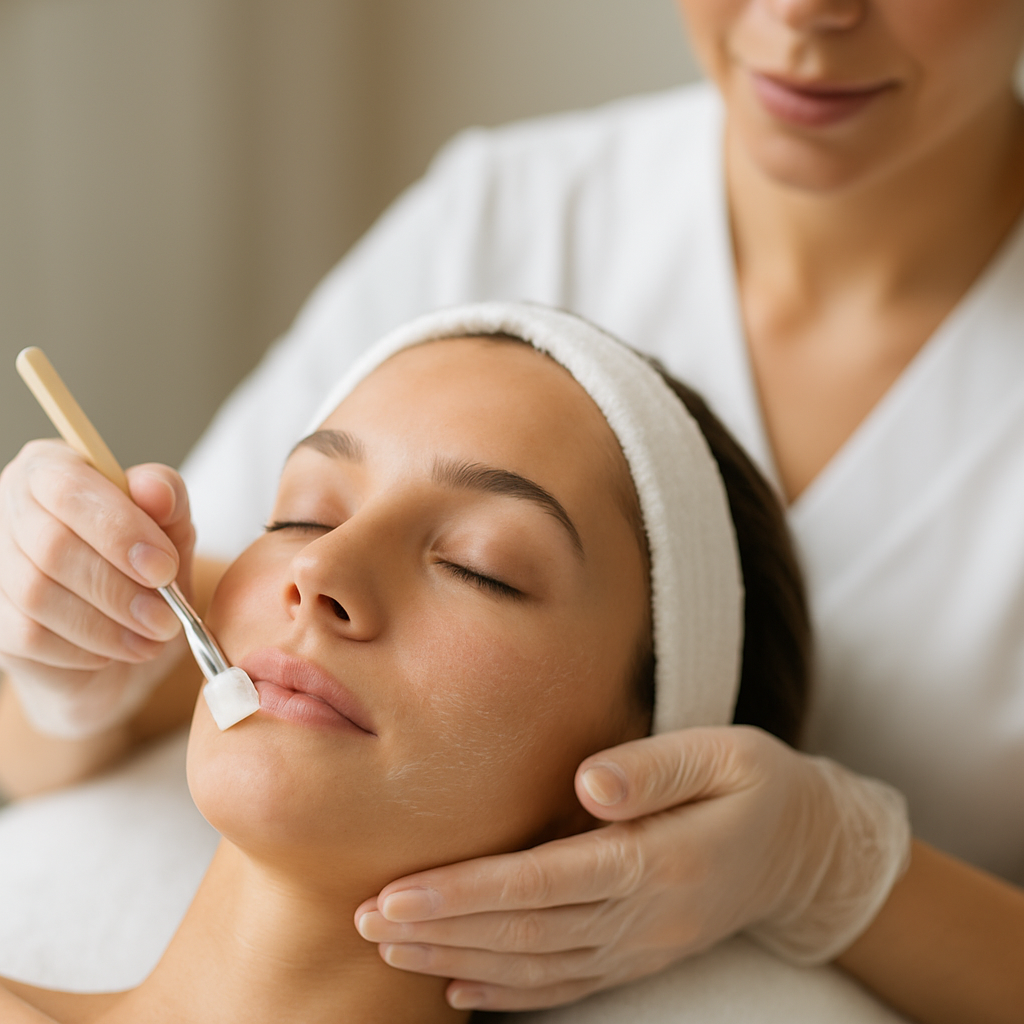
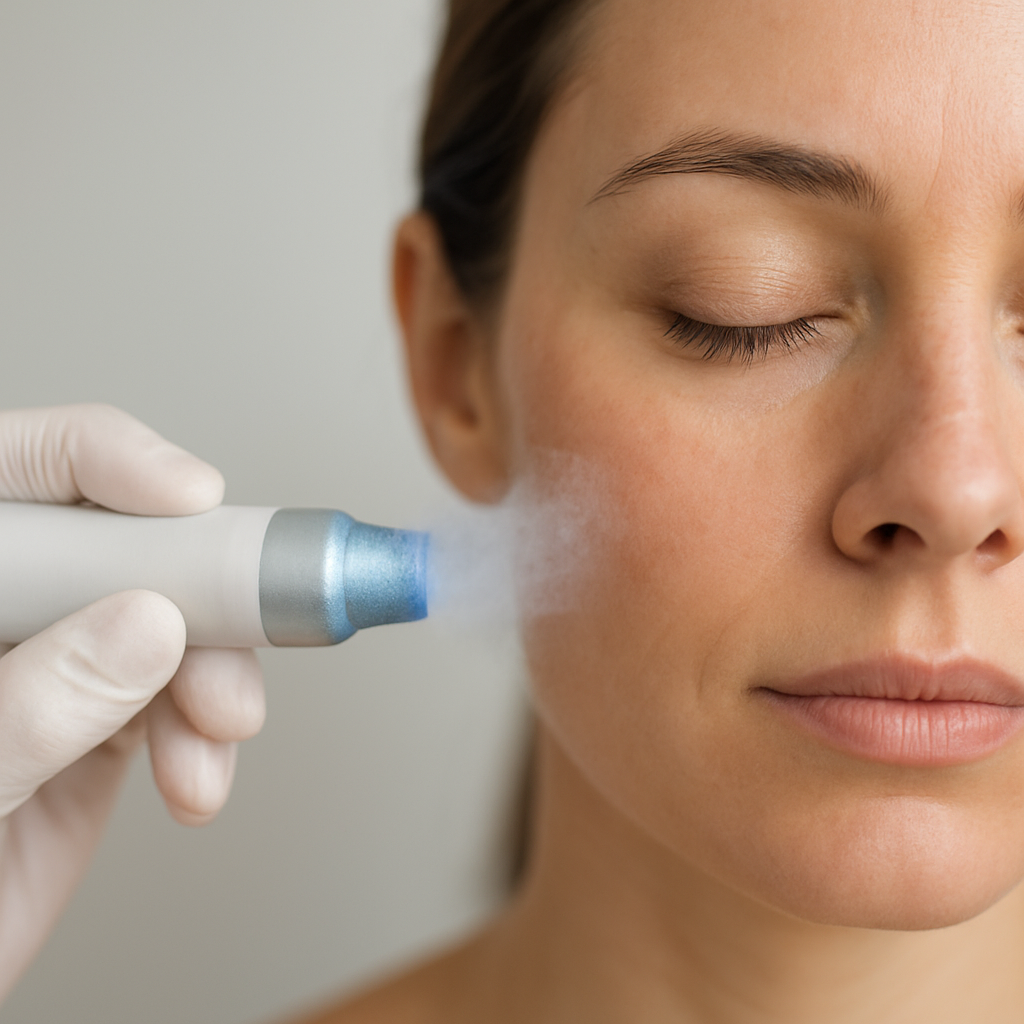
The doctor applies liquid nitrogen using either a cotton swab or precise spray device.
Treatment lasts 10-30 seconds depending on the lesion size and type.
The controlled application ensures precise treatment while minimizing damage to surrounding healthy skin, reducing your risk of permanent scarring when performed by an experienced dermatologist.
What to Expect After Treatment
Your treated skin will appear white or frosty immediately after cryotherapy, which is completely normal. The frozen tissue will form a small scab or blister within 24-48 hours as your body begins healing naturally.
Complete lesion destruction and healing typically occurs within 1-3 weeks, depending on the size and depth of the treated area. You may notice temporary pigmentation changes—either lighter or darker spots—but these usually fade over several months without permanent scarring.
Monitor your healing progress carefully for 1-2 weeks, keeping the area clean and dry. Contact your dermatologist if you experience excessive pain, signs of infection, or unusual drainage from the treatment site.
Who Should Avoid Cryotherapy
Cryotherapy isn't suitable for everyone. Patients with open wounds, active skin infections, or poor circulation should avoid freezing treatments as these conditions increase risk of complications and delayed healing. People with cold urticaria (allergic reactions to cold) face serious adverse reactions during treatment.
Pregnant women should postpone extensive cryotherapy sessions, though small lesion treatments are generally safe. When cryotherapy poses risks, Chemical Peels offer an effective alternative for treating sun damage and precancerous lesions through controlled chemical exfoliation rather than freezing.
Preparing for Your Cryotherapy Treatment

Wash your skin thoroughly with soap and water before your appointment.
Stop blood thinners if your provider advises, typically one week before treatment.
Tell your dermatologist about any history of cold sensitivity or unusual reactions to freezing.
Proper preparation minimizes complications and helps prevent unwanted scarring. Your provider will give specific instructions based on your skin type and the lesions being treated.
Is Cryotherapy Right for You?
Cryotherapy works best for specific skin conditions like warts, seborrheic keratoses, and age spots. You're an ideal candidate if you have benign growths that haven't responded to topical treatments and want quick results.
However, other treatments might be better if you have very dark skin, large areas requiring treatment, or conditions near sensitive areas. While scarring is uncommon with proper technique, discussing your concerns with a dermatologist helps determine if cryotherapy aligns with your skin goals and minimizes risks.
Schedule a dermatology consultation to evaluate your specific condition and discuss whether cryotherapy offers the safest, most effective path to clear skin.
Frequently Asked Questions
What is cryotherapy and how does it work?
Cryotherapy is a liquid nitrogen freezing treatment that destroys abnormal skin cells by applying extreme cold temperatures reaching -196°C (-321°F) to targeted areas. The freezing process creates ice crystals inside abnormal cells, which ruptures their membranes and triggers cell death. Your body then naturally eliminates these destroyed cells over the following weeks.
What skin conditions can be treated with cryotherapy?
Cryotherapy effectively treats common warts, age spots, sun damage, actinic keratoses (precancerous patches), and seborrheic keratoses (waxy brown growths). It can also treat small skin tags and certain early skin cancers. The treatment is versatile and can be used anywhere on the body surface without permanent scarring when performed correctly.
How long does a cryotherapy procedure take?
The cryotherapy procedure is straightforward and typically takes only a few minutes in your dermatologist's office. The actual freezing treatment lasts 10-30 seconds depending on the lesion size and type. This makes it one of the most efficient options for removing skin growths without requiring surgical incisions or lengthy recovery periods.
What should I expect after cryotherapy treatment?
Your treated skin will appear white or frosty immediately after treatment, which is completely normal. The frozen tissue will form a small scab or blister within 24-48 hours as your body begins healing naturally. Complete lesion destruction and healing typically occurs within 1-3 weeks, and you may notice temporary pigmentation changes that usually fade over several months.
How many cryotherapy sessions are needed to remove warts?
Common warts on hands and feet typically require two to four cryotherapy sessions for complete removal. The exact number of treatments depends on the size, depth, and type of wart being treated. Your dermatologist will monitor your progress and determine if additional sessions are needed.
Disclaimer: This content is for informational purposes only and does not constitute medical advice. Always consult a qualified healthcare provider before making health decisions.