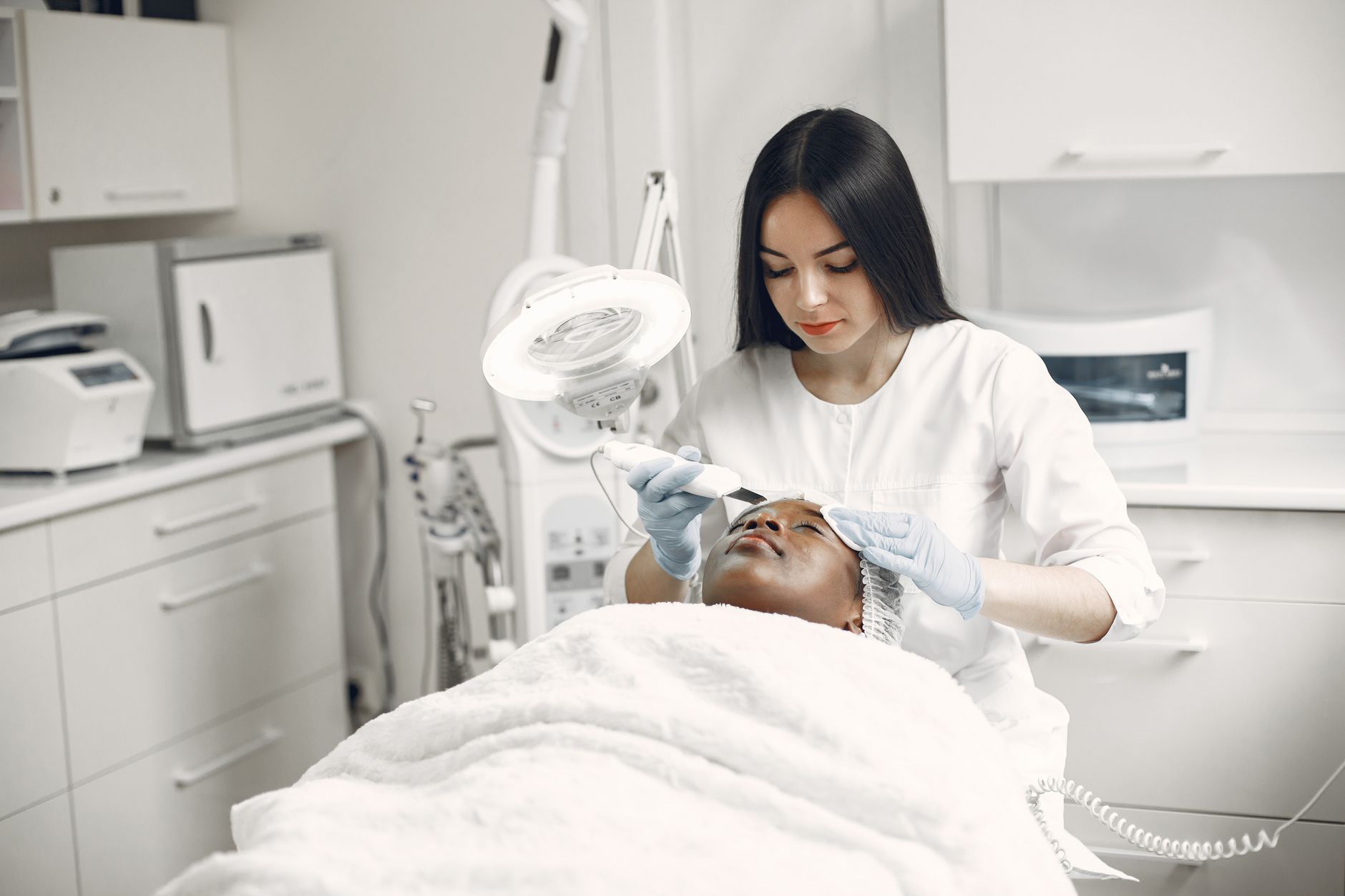

Understanding Extremely Dry Cracked Skin

Extremely dry cracked skin goes far beyond the occasional winter dryness most people experience. While regular Dry Skin (skin that lacks moisture and natural oils, often feeling tight, rough, or flaky with a dull appearance and potential for irritation) might feel tight after showering, severe dryness creates visible cracks, deep fissures, and painful splits that can bleed.
“When skin cracks deep enough to bleed or interfere with daily activities, you've crossed from normal dryness into a medical condition requiring professional attention.”
Warning signs include skin that resembles cracked leather, persistent itching that disrupts sleep, bleeding from skin splits, and areas that remain dry despite regular moisturizing. People with Sensitive Skin (skin that reacts easily to skincare products, environmental factors, or irritants with symptoms like redness, burning, stinging, itching, or inflammation) face higher risks of developing severe symptoms.
Common triggers include harsh weather, frequent hand washing, certain medications, and underlying conditions like eczema or diabetes. The good news: with proper treatment, even severely cracked skin can heal without permanent scarring, restoring your confidence and comfort.
Intensive Treatment Steps for Severe Dryness

Healing severely cracked and compromised skin requires a systematic approach that rebuilds your skin's protective barrier without causing further irritation. The key lies in gentle methods that work with your skin's natural healing process rather than against it.
Use lukewarm water and a mild, fragrance-free cleanser only once daily to avoid stripping remaining natural oils.
Apply a thick, occlusive moisturizer to damp skin within three minutes of cleansing to trap water.
Follow with a petroleum-based ointment or healing balm over the moisturizer for maximum barrier repair.
Before bed, apply a generous layer of healing ointment and cover with cotton gloves or socks for intensive repair.
“Consistency in your treatment routine matters more than expensive products—your skin needs predictable, gentle care to heal properly.”
For example, patients with xerotic skin (dry skin) often see improvement within 7-10 days when following this protocol twice daily. The occlusive layer prevents moisture loss while active ingredients penetrate deeper into damaged skin layers. This approach addresses concerns about permanent scarring by promoting healthy cell turnover and preventing further cracking that could lead to marks.
Remember that patience is essential—forcing quick results with harsh treatments often worsens the condition and delays healing.
Medical-Grade Products and Prescription Options
When over-the-counter moisturizers fail to heal severely dry skin, medical-grade products offer more powerful ingredients and concentrated formulations. These advanced treatments contain higher percentages of active ingredients like urea, lactic acid, and ceramides that can penetrate deeper into damaged skin barriers.
Consider prescription treatments when cracks bleed, skin feels constantly tight despite moisturizing, or when you notice signs of infection. Dermatologists commonly prescribe topical corticosteroids for inflammation and prescription-strength moisturizers containing ammonium lactate or tretinoin for severe cases.
Medical-grade moisturizers like CeraVe Therapeutic Hand Cream or Eucerin Professional Repair contain concentrated ceramides and cholesterol that rebuild the skin barrier more effectively than drugstore options. These formulations work especially well for Sensitive Skin because they avoid common irritants while delivering therapeutic benefits.
For cracked skin with fissures, prescription treatments like Kerasal or AmLactin require a doctor's evaluation but can prevent permanent scarring that many patients fear. Your dermatologist may also recommend compounded formulations that combine multiple active ingredients tailored to your specific skin needs, ensuring faster healing and reduced risk of complications.
Managing Different Skin Type Combinations
Treating severe dry skin becomes more complex when you have Combination Skin, where your T-zone produces excess oil while cheek areas remain parched. This mixed condition requires a strategic zone-based approach rather than applying one product everywhere.
For combination skin, use lightweight, oil-free moisturizers on your T-zone to avoid clogging pores, while applying richer, more intensive treatments to dry cheek areas. Apply ceramide-based creams only to dry patches, and use gentle, non-comedogenic cleansers that won't strip natural oils from already-dry areas.
When managing Oily Skin alongside dry patches, resist the urge to over-cleanse oily areas. This actually triggers more oil production and worsens dryness elsewhere. Instead, use salicylic acid treatments only on oily zones while protecting dry areas with barrier repair creams.
Sensitive Skin requires extra caution during intensive dry skin treatment. Introduce new products gradually, testing each for 48 hours before full application. Choose fragrance-free, hypoallergenic formulations and avoid harsh exfoliants that can cause permanent scarring through over-irritation. Start with gentle alternatives like lactic acid rather than glycolic acid to minimize inflammation while effectively treating dryness.
When to See a Dermatologist and What to Expect
Certain warning signs indicate your dry skin needs professional medical attention. Seek immediate dermatological care if you experience severe itching that prevents sleep, cracks that bleed or ooze, signs of infection like pus or red streaking, or skin that doesn't improve after two weeks of consistent treatment. These symptoms suggest your condition has progressed beyond what over-the-counter products can manage safely.
Dermatologists can accurately diagnose underlying conditions that cause severe dryness, including eczema, psoriasis, thyroid disorders, or diabetes-related skin complications. They distinguish between simple dryness and serious medical conditions that require targeted treatment. Many patients worry about permanent scarring from severe dry skin, but dermatologists can prevent this outcome with proper intervention.
Prescription treatments include topical corticosteroids for inflammation, prescription moisturizers with urea or lactic acid, and oral medications for underlying conditions. For example, patients with atopic dermatitis might receive topical immunomodulators, while those with severe xerotic skin benefit from prescription ceramide creams.
Most patients notice significant improvement within two to four weeks of starting prescription treatment. Your dermatologist will schedule follow-up appointments to monitor progress and adjust treatments as needed.
Don't wait until severe dry skin causes permanent damage—seek professional help when home treatments fail after two weeks.
Frequently Asked Questions
What are the warning signs of extremely dry cracked skin?
Warning signs include skin that resembles cracked leather, persistent itching that disrupts sleep, bleeding from skin splits, and areas that remain dry despite regular moisturizing. When skin cracks deep enough to bleed or interfere with daily activities, you've crossed from normal dryness into a medical condition requiring professional attention.
How long does it take for severely cracked skin to heal?
Patients with xerotic skin (dry skin) often see improvement within 7-10 days when following a consistent treatment protocol twice daily. The key is patience and consistency, as forcing quick results with harsh treatments often worsens the condition and delays healing.
What causes extremely dry cracked skin?
Common triggers include harsh weather, frequent hand washing, certain medications, and underlying conditions like eczema or diabetes. People with sensitive skin face higher risks of developing severe symptoms.
What is the best treatment routine for severely cracked skin?
The treatment involves four key steps: gentle cleansing with lukewarm water once daily, applying thick moisturizer to damp skin within three minutes, following with petroleum-based ointment for barrier repair, and using overnight occlusion with cotton gloves or socks. This systematic approach rebuilds your skin's protective barrier while promoting healthy cell turnover.
Will severely cracked skin leave permanent scars?
With proper treatment, even severely cracked skin can heal without permanent scarring, restoring your confidence and comfort. The layered protection approach promotes healthy cell turnover and prevents further cracking that could lead to marks.
Disclaimer: This content is for informational purposes only and does not constitute medical advice. Always consult a qualified healthcare provider before making health decisions.