Why Acne Location Matters for Treatment

Understanding where your acne appears on your body provides crucial clues for effective treatment. Acne Vulgaris affects different body areas in distinct patterns, and recognizing these patterns can prevent the permanent scarring that worries many patients.
“The location of your breakouts reveals more about the underlying causes than the severity of individual pimples.”
Different areas of your body produce varying amounts of sebum, the oily substance that contributes to acne formation. Your T-zone produces significantly more oil than your jawline, while your back has larger pores than your face. These biological differences explain why you might experience stubborn cysts on your chin but only occasional blackheads on your forehead.
Location patterns also reveal underlying triggers. Breakouts along your hairline often indicate product buildup, while jaw and neck acne frequently stems from hormonal fluctuations. Back acne typically responds to different treatments than facial acne due to thicker skin and clothing friction.
This targeted approach prevents wasted time on ineffective treatments and helps you achieve clearer skin faster by addressing root causes specific to each body area.
Facial Acne: The Most Visible Challenge

Your face bears the brunt of acne's social and emotional impact. Unlike body acne that you can hide under clothing, facial breakouts announce themselves to the world, making understanding your specific acne patterns crucial for effective treatment.
The T-zone—your forehead, nose, and chin—represents acne's favorite real estate. This area contains the highest concentration of oil glands, producing up to five times more sebum than other facial regions. T-zone acne typically manifests as blackheads, whiteheads, and inflammatory papules caused by excess oil production and bacterial overgrowth.
"The location of your facial acne tells a story about what's happening inside your body."
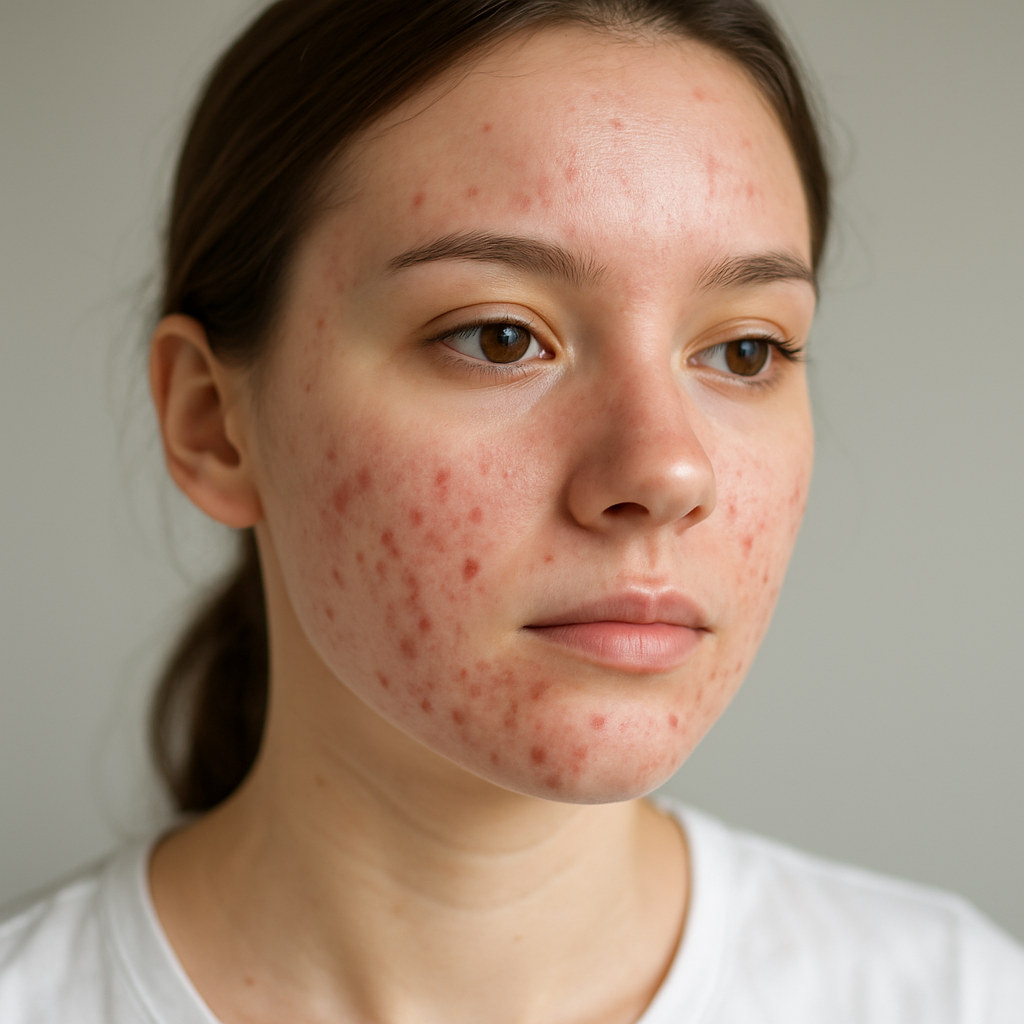
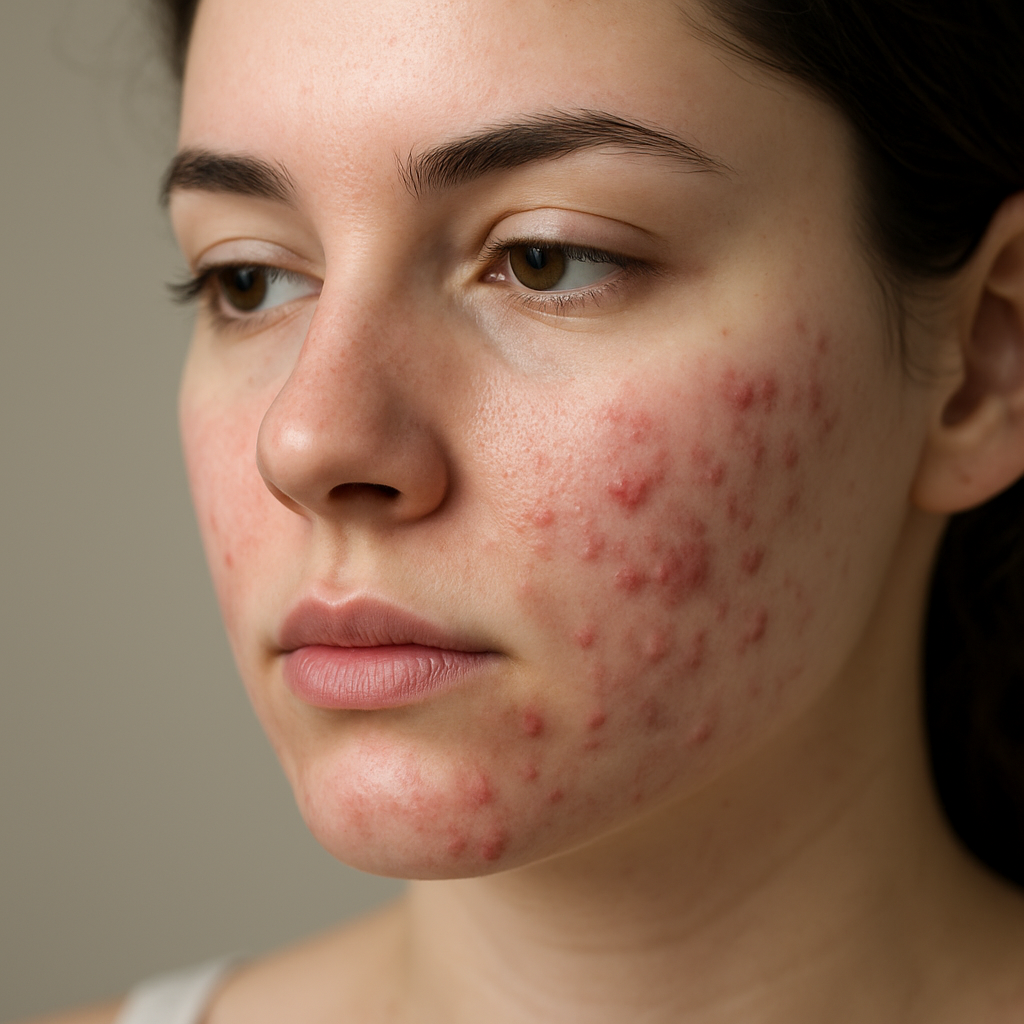
Lower face acne follows different rules entirely. Breakouts along your jawline, chin, and lower cheeks often signal hormonal influences rather than simple oil overproduction. Hormonal acne, affecting 25% of women aged 40-49 and 12% of women over 50, creates deep cystic lesions and painful inflamed bumps that worsen before menstruation. These hormonal fluctuations increase sebum production through elevated androgens, leading to clogged pores and bacterial overgrowth.
The causes behind facial acne vary dramatically by location. Forehead breakouts frequently result from hair products, sweat, and touching your face throughout the day. Cheek acne can stem from dirty phone screens, pillowcases, or makeup brushes. Chin and jawline acne typically indicates hormonal imbalances, particularly common during menstrual cycles, pregnancy, or menopause.
Facial skin demands specialized care because of its constant exposure and sensitivity. Your face encounters environmental pollutants, UV radiation, and daily touching that body skin avoids. This exposure requires gentler products and consistent protection rather than aggressive treatments that can worsen inflammation and lead to the scarring you want to avoid.
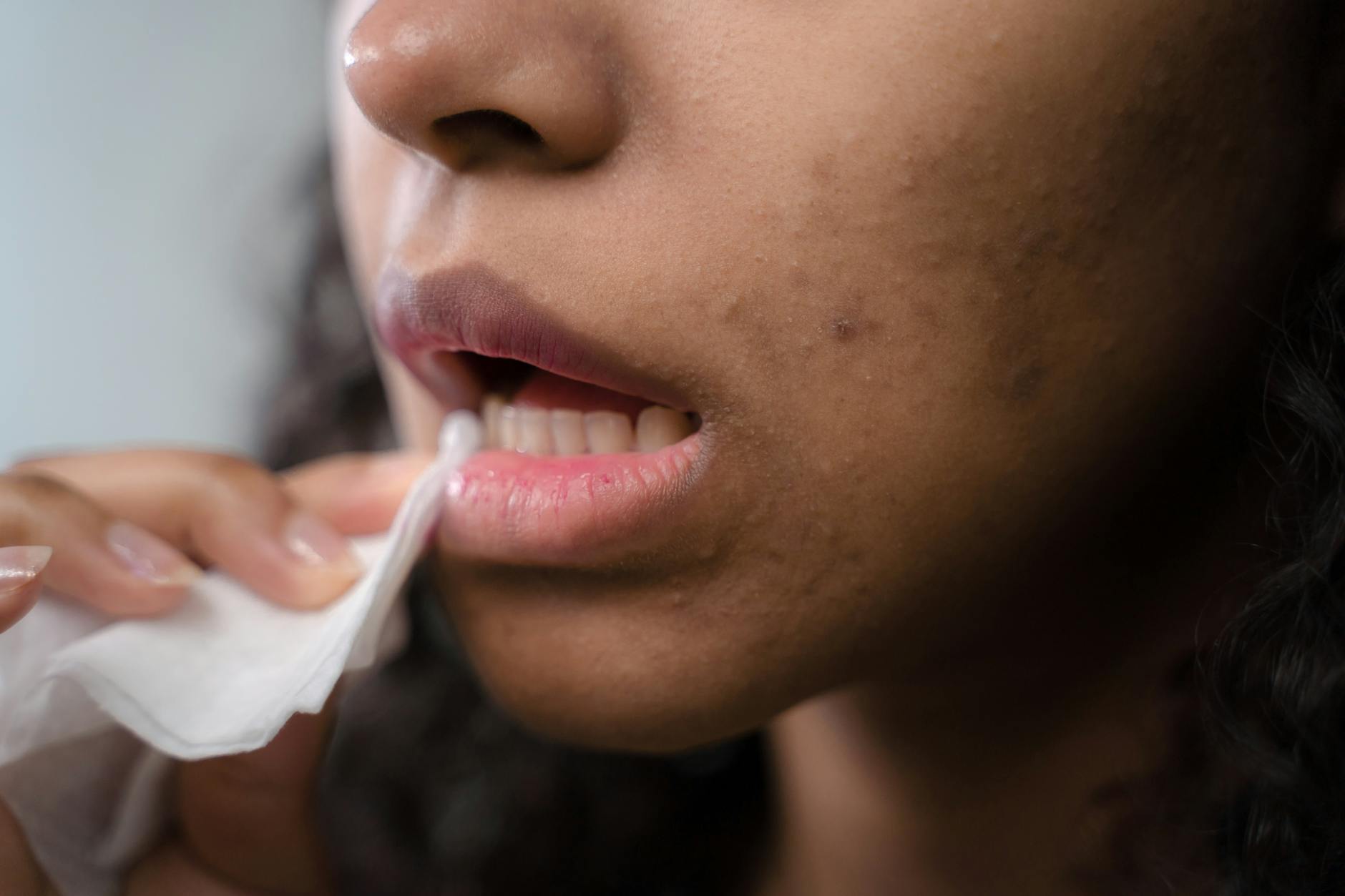
Daily cleansing removes surface oils and bacteria without stripping your skin's natural barrier. Choose a gentle cleanser containing salicylic acid for blackhead-prone areas or benzoyl peroxide for inflammatory acne. Morning sun protection prevents post-inflammatory hyperpigmentation—those dark marks that linger after breakouts heal.
Successful facial acne treatment requires matching your approach to your specific pattern. T-zone acne responds well to oil-controlling ingredients and consistent cleansing. Hormonal acne often needs internal approaches like hormonal therapy or oral contraceptives combined with topical retinoids. Understanding your face's unique acne story helps you choose treatments that actually work rather than hoping generic solutions will somehow fit your specific situation.
Chest Acne: Friction and Sweat Factors
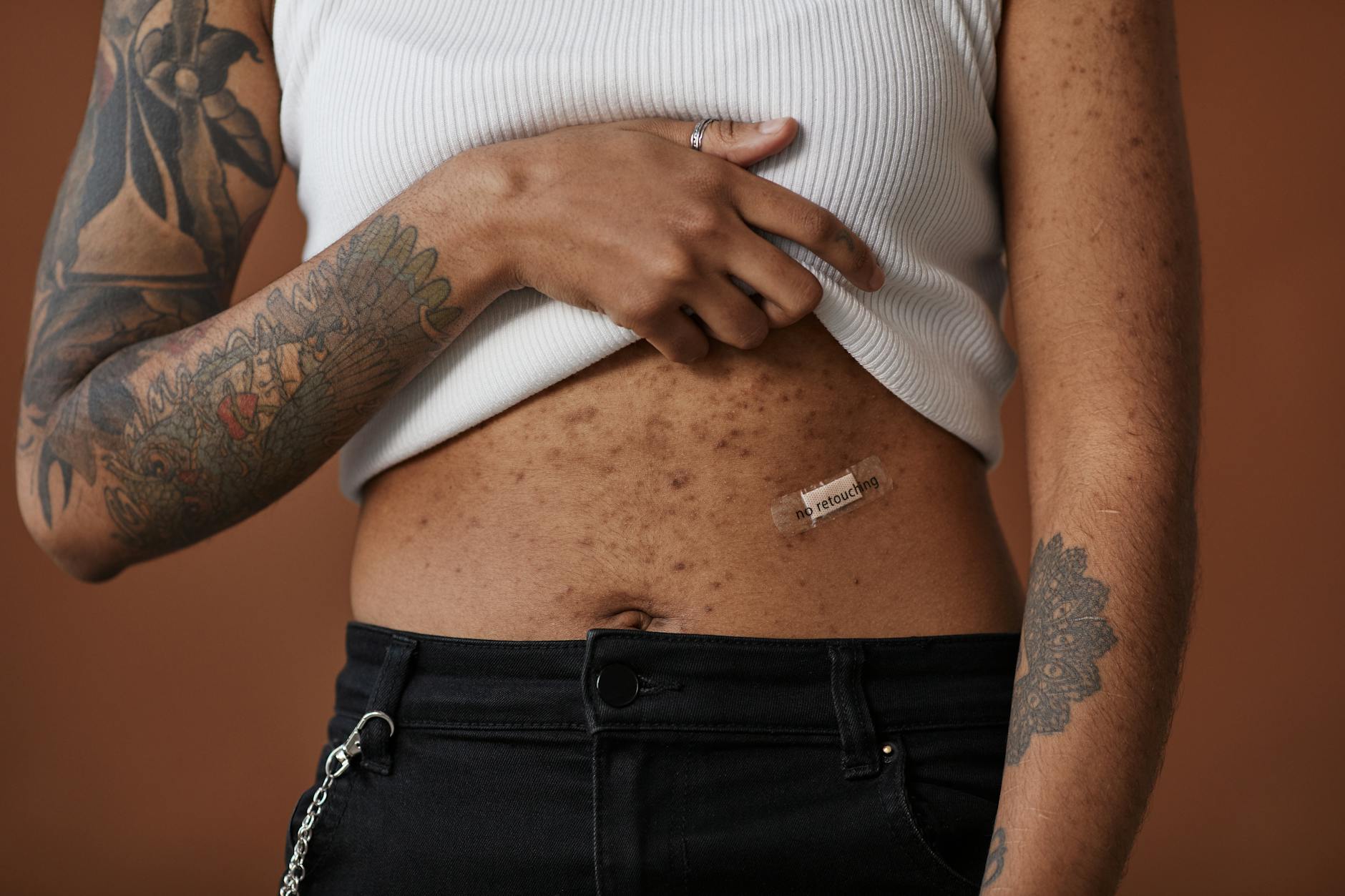
Chest acne develops differently than facial breakouts due to the unique environment of your torso. The chest area contains larger pores and more sebaceous glands, creating an ideal breeding ground for bacteria when combined with heat, moisture, and friction from clothing.
Exercise creates the perfect storm for chest breakouts. When you work out, sweat mixes with bacteria and dead skin cells, clogging pores rapidly. Tight athletic wear traps this mixture against your skin, while synthetic fabrics prevent proper ventilation. Sports bras, compression shirts, and workout gear create constant friction that irritates already sensitive skin.
Daily clothing choices significantly impact chest acne severity. Rough fabrics like wool or polyester rub against your skin throughout the day, causing micro-trauma that leads to inflammation. Backpack straps and tight necklaces create pressure points where breakouts cluster. Even seemingly innocent habits like wearing the same shirt twice without washing can reintroduce bacteria to vulnerable pores.
Chest acne can progress to cystic acne, characterized by deep, painful, inflamed cysts and nodules that can cause permanent scarring and psychological distress. This severe form affects the face, neck, chest, back, and shoulders, making proper treatment crucial for preventing long-term skin damage.
Treatment requires different approaches than facial care. Body skin tolerates stronger concentrations of salicylic acid and benzoyl peroxide. Shower immediately after sweating, choose loose cotton clothing, and apply treatment products to clean, dry skin. Consider using antibacterial body washes containing tea tree oil or sulfur to target chest-specific bacteria buildup.
Back Acne (Bacne): Hard-to-Reach Areas
Back acne presents unique challenges that make it particularly frustrating to manage. Unlike facial breakouts, you can't see what's happening behind you or easily apply treatments to affected areas. This limited access often leads to delayed treatment and worsening conditions.
The back is especially prone to severe breakouts because it contains numerous large sebaceous glands and hair follicles. These areas frequently develop Cystic Acne, a severe form of acne characterized by deep, painful, inflamed cysts and nodules that can cause permanent scarring and psychological distress. The thick skin on your back allows these deep infections to persist longer than facial acne.
Your shower routine significantly impacts back acne development. Many people wash their hair after cleaning their body, allowing conditioner and styling products to run down and clog back pores. Heat and steam from long, hot showers can also worsen inflammation and increase oil production.
Always shampoo and condition before cleaning your body to prevent product residue from clogging pores.
Apply salicylic acid body wash with a soft-bristled brush to reach all areas effectively.
Finish with cool water to close pores and reduce inflammation.
Professional treatment becomes essential when you notice deep, painful cysts or nodules that don't respond to over-the-counter treatments within six weeks. Dermatologists can provide prescription medications like isotretinoin or perform corticosteroid injections to prevent the permanent scarring that severe back acne often causes. Don't wait until scarring occurs—early intervention protects your skin's long-term health and appearance.
Distinguishing Acne from Other Skin Conditions

Not every bump or red patch on your skin is acne. Several other skin conditions can mimic acne, making proper identification crucial for effective treatment and preventing unnecessary worry about permanent scarring.
Atopic Dermatitis (eczema) often confuses people, especially when it appears on the face. Unlike acne's blackheads and whiteheads, eczema creates dry, scaly patches with intense itching. Eczema typically appears on the inner elbows, behind knees, and around the neck, while acne favors the T-zone, chest, and back. The key difference: eczema makes you want to scratch constantly, while acne rarely itches significantly.
Plaque Psoriasis presents another common mix-up. This autoimmune condition creates thick, raised patches with silvery-white scales, primarily on elbows, knees, and the scalp. Psoriasis plaques feel much thicker than acne bumps and have distinct borders with that characteristic silvery scaling that acne never produces.
Location provides important diagnostic clues. Acne rarely appears on the inner arms or legs, where eczema commonly occurs. Scalp involvement strongly suggests psoriasis or seborrheic dermatitis rather than acne. When bumps appear exclusively in areas where clothing rubs tightly, consider folliculitis instead of acne.
See a dermatologist if you notice intense itching, silvery scales, or skin problems in unusual locations for acne. Early accurate diagnosis ensures you receive appropriate treatment rather than wasting time and money on ineffective acne products.
Location-Specific Treatment Strategies
Treating acne vulgaris effectively requires tailoring your approach to each body area's unique characteristics. Your face demands gentler formulations since facial skin is thinner and more sensitive than body skin. Start with lower concentrations of active ingredients like 0.025% tretinoin or 2.5% benzoyl peroxide to minimize irritation that could worsen scarring concerns.
Body acne responds well to stronger treatments because chest, back, and shoulder skin can tolerate higher concentrations. You can use 5-10% benzoyl peroxide body washes or higher strength salicylic acid products without the sensitivity issues common on facial skin. The sebaceous gland density in these areas often requires more aggressive intervention.
Wash hands thoroughly before applying any treatment to prevent bacterial transfer.
Apply treatments to the entire affected area, not just visible spots, extending slightly beyond breakout zones.
Use lighter, water-based products on face and heavier formulations on thicker body skin.
Application techniques matter significantly by location. On your face, use upward circular motions and avoid the delicate eye area. For back acne, consider spray formulations or ask someone to help ensure complete coverage. Chest treatments should be applied carefully around sensitive areas.
Timeline expectations vary by body location and treatment strength. Facial improvements typically appear within 6-8 weeks with consistent use, while body acne may take 8-12 weeks due to thicker skin and deeper follicles. This extended timeline prevents the frustration that leads people to abandon effective treatments prematurely.
Match treatment strength to skin thickness and sensitivity by location, applying gentler products to faces and stronger formulations to body areas for optimal results without irritation.
Frequently Asked Questions
Why does acne location matter for treatment?
Different areas of your body produce varying amounts of sebum and have different pore sizes, which explains why you might experience different types of breakouts in different locations. Location patterns also reveal underlying triggers - hairline breakouts often indicate product buildup, while jaw and neck acne frequently stems from hormonal fluctuations. This targeted approach prevents wasted time on ineffective treatments and helps you achieve clearer skin faster by addressing root causes specific to each body area.
What causes T-zone acne on my face?
The T-zone contains the highest concentration of oil glands, producing up to five times more sebum than other facial regions. This excess oil production combined with bacterial overgrowth typically causes blackheads, whiteheads, and inflammatory papules in the forehead, nose, and chin areas.
Why do I get acne on my jawline and chin?
Breakouts along your jawline, chin, and lower cheeks often signal hormonal influences rather than simple oil overproduction. Hormonal fluctuations increase sebum production through elevated androgens, leading to clogged pores and bacterial overgrowth. This type of acne typically creates deep cystic lesions and painful inflamed bumps that worsen before menstruation.
What causes acne on my forehead?
Forehead breakouts frequently result from hair products, sweat, and touching your face throughout the day. The forehead is part of the T-zone which has a high concentration of oil glands, making it more prone to blackheads and whiteheads from excess sebum production.
How common is hormonal acne in adult women?
Hormonal acne affects 25% of women aged 40-49 and 12% of women over 50. This type of acne is particularly common during menstrual cycles, pregnancy, or menopause when hormonal fluctuations increase sebum production through elevated androgens.
Disclaimer: This content is for informational purposes only and does not constitute medical advice. Always consult a qualified healthcare provider before making health decisions.