What Is Acne Vulgaris?

Acne vulgaris is the most common inflammatory skin condition affecting millions of people worldwide. Classified under medical code L70.0, this condition occurs when hair follicles become clogged with excess oil, dead skin cells, and bacteria, leading to the formation of comedones, papules, pustules, and sometimes cysts.
This condition primarily affects areas rich in sebaceous glands, including your face, chest, back, shoulders, and upper arms. The root causes involve excess sebum production, follicular hyperkeratinization, bacterial colonization, and inflammation working together to create breakouts.
"Acne vulgaris affects 85% of people aged 12-24 years, making it the most prevalent skin condition during adolescence and early adulthood."
Understanding that acne vulgaris differs from other acne types helps you seek appropriate treatment. While concerns about permanent scarring are valid, early intervention with proper care significantly reduces this risk. The condition manifests through blackheads, whiteheads, inflammatory papules, pustules, and in severe cases, nodules that can lead to scarring if left untreated.
Signs and Symptoms to Watch For
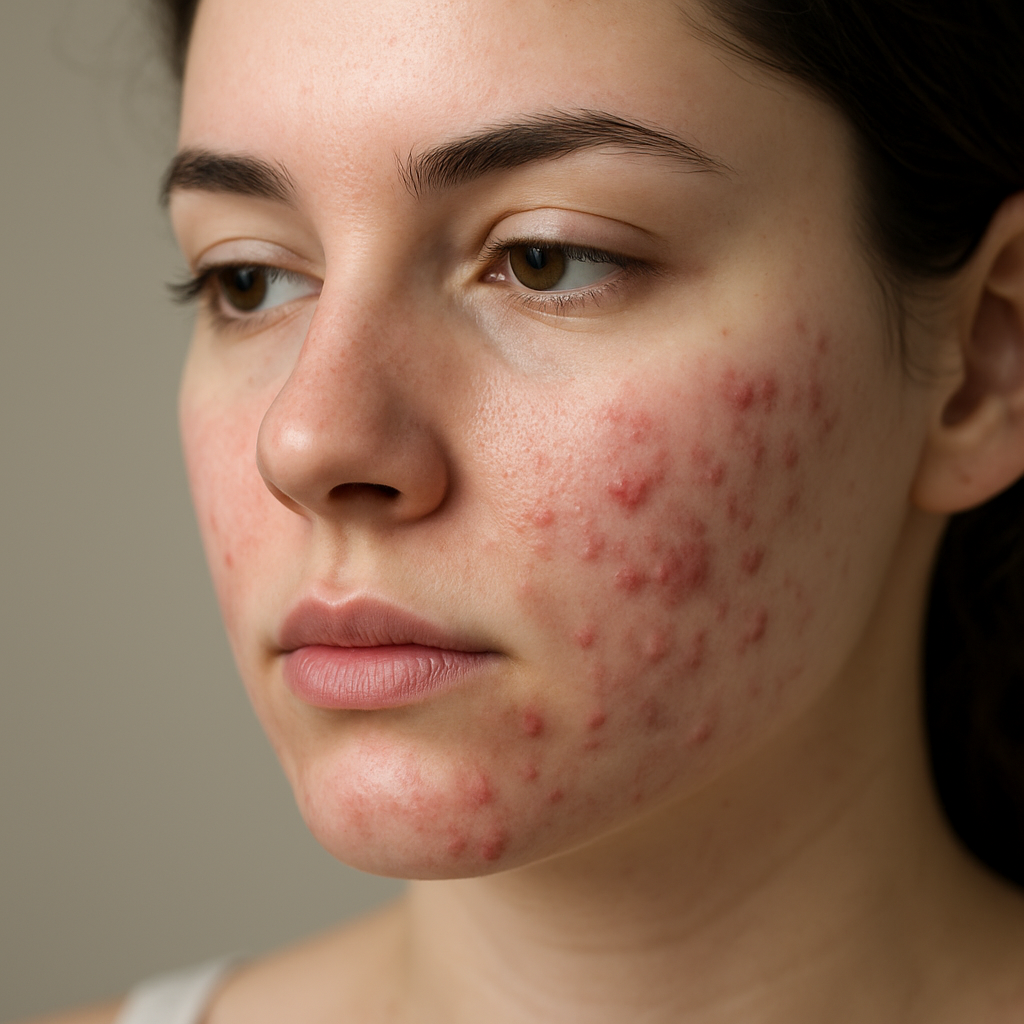
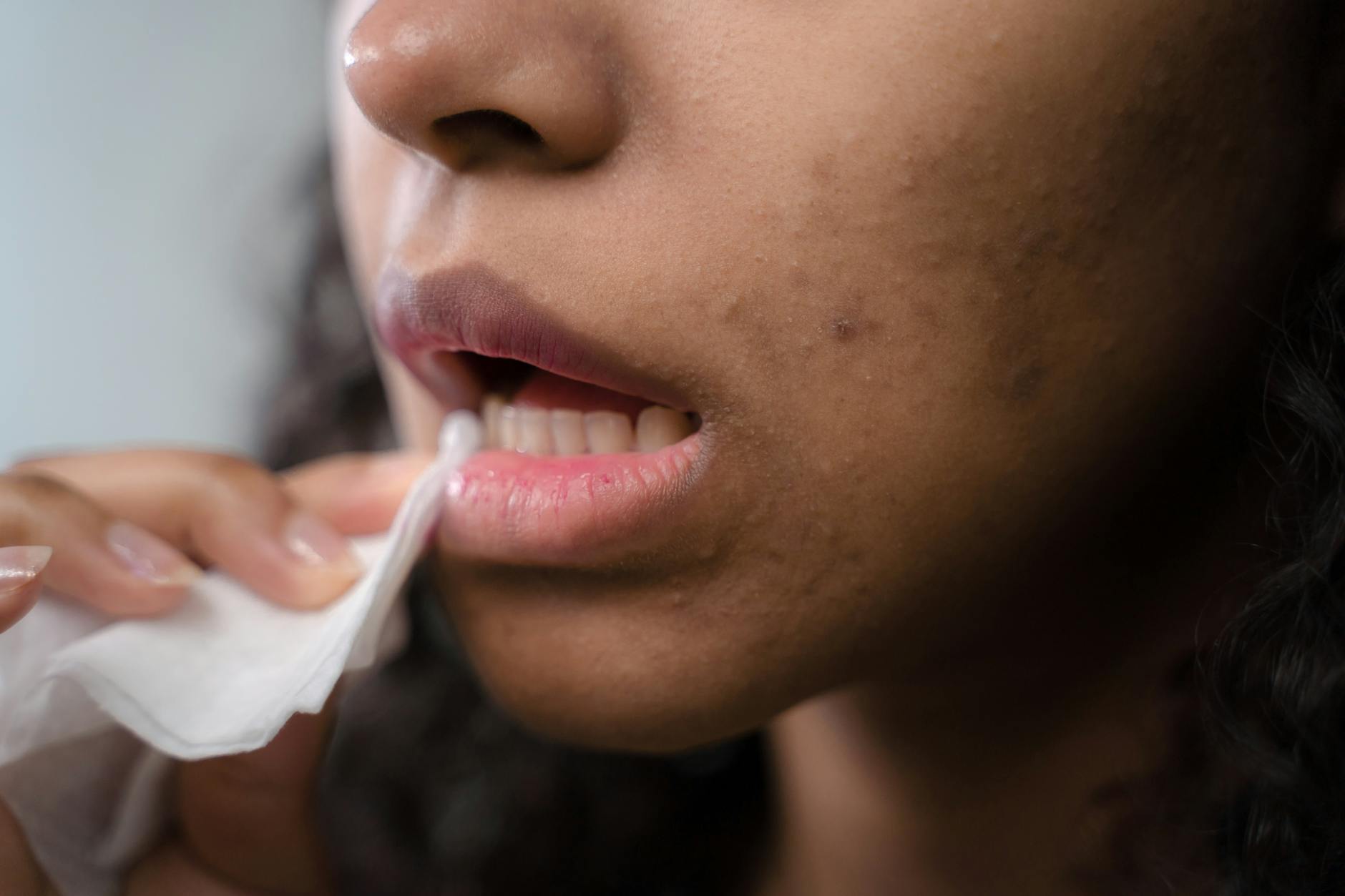
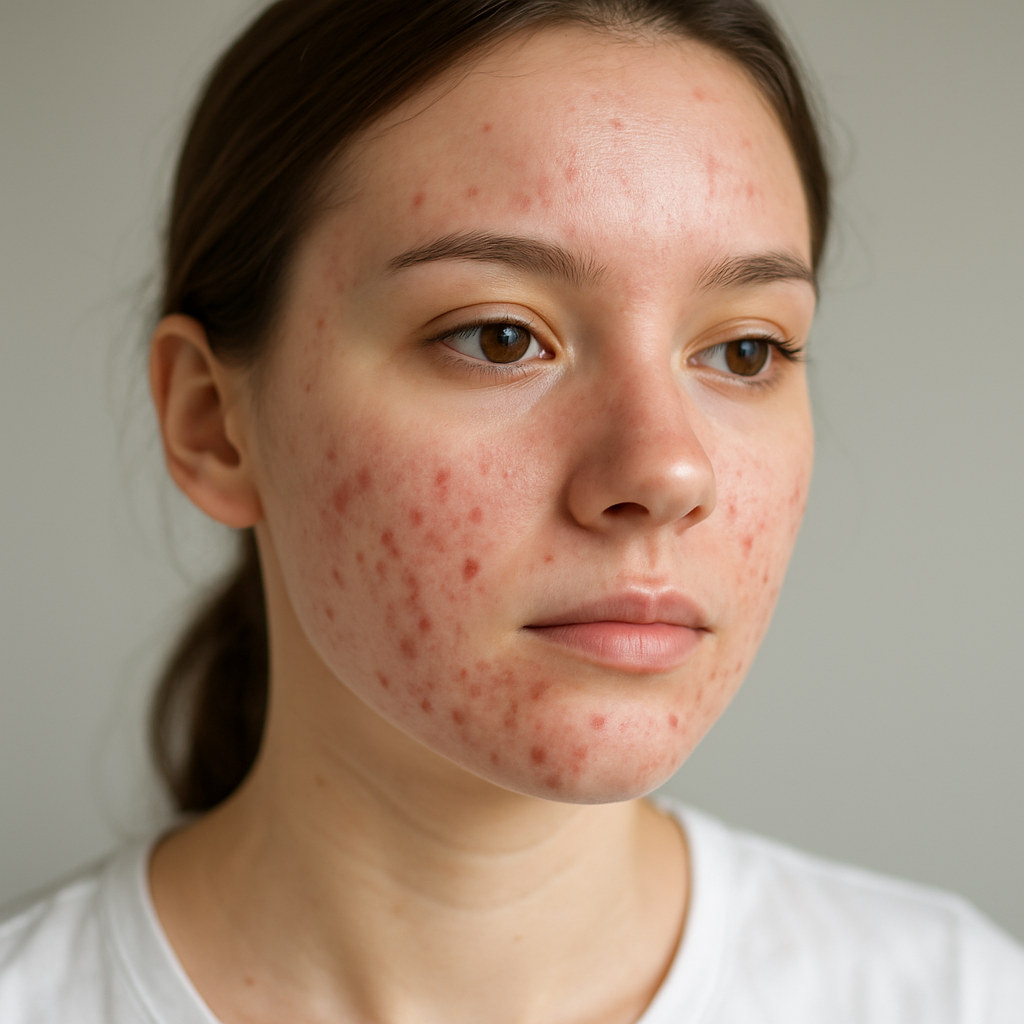
Recognizing Acne Vulgaris starts with understanding its distinct appearance. The condition creates several types of blemishes that form when oil and dead skin cells clog hair follicles. Blackheads appear as dark spots with open surfaces, while whiteheads remain closed under the skin as small white bumps. Red, inflamed bumps called papules feel tender to touch, and pustules contain visible pus at their tips.
“Understanding what you're seeing on your skin is the first step toward effective treatment and preventing permanent scarring.”
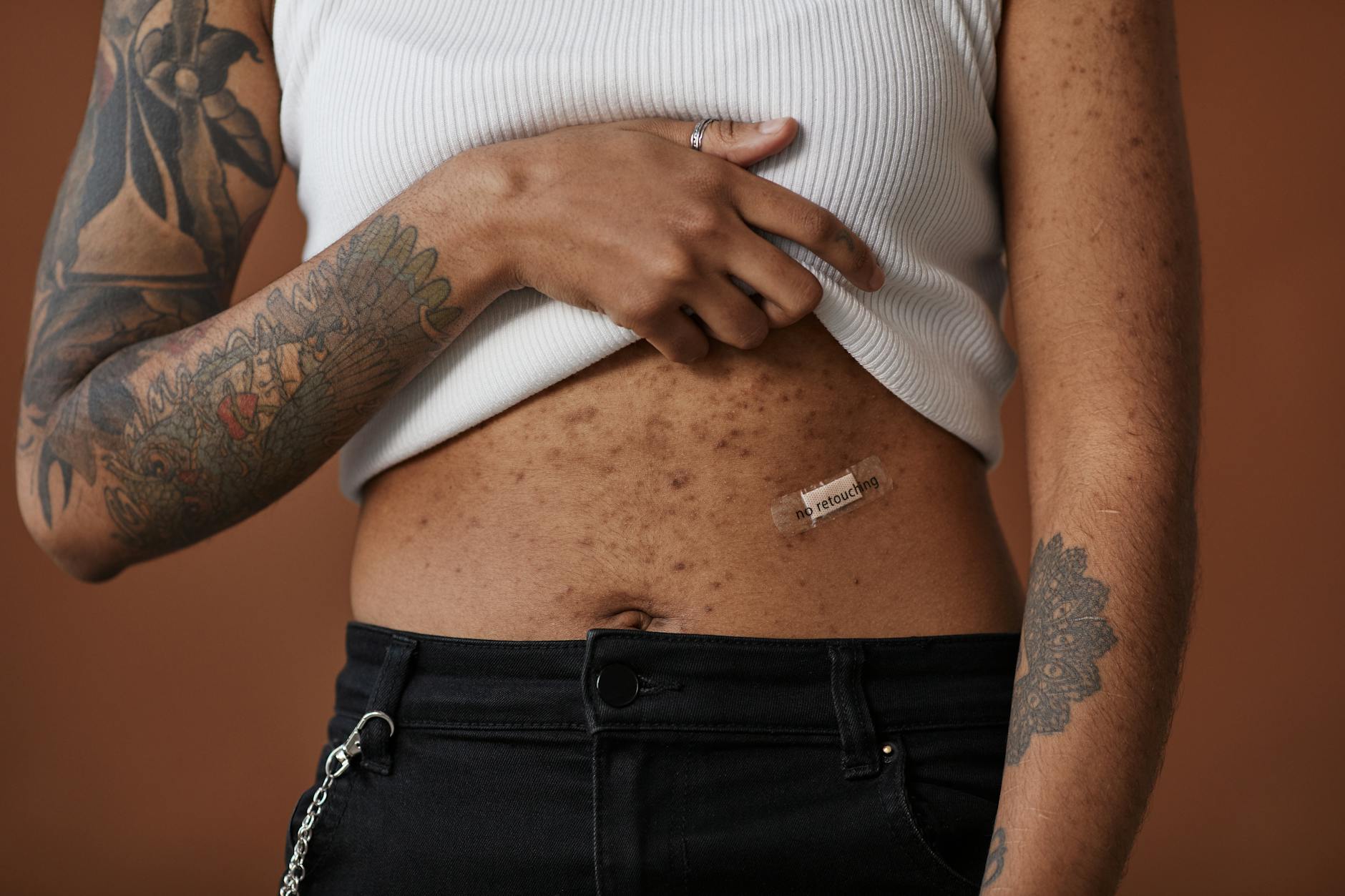
More severe forms include nodules—large, painful lumps deep under the skin—and cysts, which are pus-filled lesions that pose the highest risk for scarring. Your skin may also produce excess oil, particularly in the T-zone of your face. These symptoms typically appear on areas with the most oil glands: face, chest, back, shoulders, and upper arms.
Acne Vulgaris differs significantly from other skin conditions. Unlike Atopic Dermatitis, which causes intense itching and dry, scaly patches typically in skin folds, acne primarily affects oil-rich areas. Plaque Psoriasis creates thick, silvery-scaled patches on elbows, knees, and scalp—completely different from acne's oil-based breakouts. Proper identification helps you choose appropriate treatments and avoid worsening your condition with unsuitable products.
Understanding the Root Causes

Acne Vulgaris develops through a complex four-step process that transforms healthy pores into inflamed breakouts. Understanding these causes helps you make informed decisions about treatment and prevents the fear of permanent scarring by addressing problems early.
The process begins with excess sebum production. Your sebaceous glands produce more oil than your skin can handle, often triggered by hormonal changes during puberty, menstruation, or stress. This excess oil creates the perfect environment for acne development.
Next comes follicular hyperkeratinization, where dead skin cells stick together instead of naturally shedding. These cells combine with excess oil to form plugs that block your pores, creating the foundation for blackheads and whiteheads.
Bacterial colonization occurs when Propionibacterium acnes multiplies rapidly in these blocked pores. These bacteria feed on sebum and create waste products that irritate surrounding tissue.
Finally, your immune system launches an inflammatory response to fight the bacterial invasion. This inflammation causes the redness, swelling, and pain associated with papules, pustules, and cysts. The severity of this inflammatory response often determines whether acne leads to scarring, making early intervention crucial for preventing permanent skin damage.
Risk Factors That Increase Your Chances
Certain factors significantly increase your likelihood of developing Acne Vulgaris, and understanding these can help you make informed decisions about prevention and treatment. While some risk factors are beyond your control, others can be managed with the right knowledge.
Hormonal changes rank as the strongest predictor, particularly during puberty when androgen levels surge, triggering excess oil production. Women often experience Hormonal Acne during menstrual cycles, pregnancy, or menopause, typically appearing as deep, painful cysts along the jawline and chin.
Family history plays a crucial role - if your parents had acne, you're more likely to develop it too. This genetic component affects how your skin produces oil and responds to hormonal changes.
Your product choices matter more than you might think. Heavy makeup, comedogenic moisturizers, and harsh scrubs can worsen existing acne or trigger new breakouts. Reading ingredient labels becomes essential.
Stress and diet create additional complications. High-stress periods increase cortisol production, while high-glycemic foods and dairy products may exacerbate symptoms in some people. Managing these controllable factors can prevent permanent scarring and reduce social anxiety surrounding your skin condition.
How Acne Vulgaris Differs From Other Acne Types
Understanding where your acne falls on the severity spectrum helps you choose the right treatment approach and know when professional help becomes necessary. Acne vulgaris represents the common, moderate form of acne that most people experience.
Cystic acne creates much deeper, more painful lesions than standard acne vulgaris. These inflamed cysts form beneath the skin's surface and carry a significantly higher risk of permanent scarring. While acne vulgaris typically responds well to over-the-counter treatments within 6-12 weeks, cystic acne often requires prescription medications like isotretinoin or corticosteroid injections.
Hormonal acne follows predictable patterns that distinguish it from regular breakouts. This type concentrates along the jawline, chin, and lower cheeks, particularly in adult women. The lesions often appear as deep, tender bumps that worsen before menstrual periods. Hormonal acne frequently persists into the 40s and beyond, affecting 25% of women aged 40-49.
Treatment approaches vary significantly between these types. Regular acne vulgaris responds to topical retinoids and benzoyl peroxide, while hormonal acne may require birth control pills or spironolactone. Seek dermatological care immediately if you develop painful, deep cysts or if your acne doesn't improve after three months of consistent treatment. Early intervention prevents the permanent scarring that can result from more severe forms.
Proven Treatment Options
Effective Acne Vulgaris treatment follows a proven progression, starting with gentler options and advancing as needed. Dermatologists recommend beginning with topical retinoids as first-line therapy because they target the root cause by preventing pore blockages and reducing inflammation. These vitamin A derivatives normalize skin cell turnover and prevent the formation of new comedones.
Benzoyl peroxide serves as the primary antimicrobial weapon against acne bacteria. This over-the-counter ingredient kills Propionibacterium acnes while providing mild exfoliation. Starting with 2.5% concentration reduces irritation while maintaining effectiveness, and you can increase strength gradually if needed.
When inflammatory lesions persist, antibiotic therapy becomes necessary. Oral antibiotics like doxycycline or minocycline reduce bacterial populations and inflammation. Topical antibiotics such as clindamycin work well when combined with benzoyl peroxide to prevent bacterial resistance.
Advanced treatment options address stubborn cases and prevent scarring concerns. Hormonal therapy using spironolactone or birth control helps women with hormone-driven breakouts. Isotretinoin represents the most powerful option for severe cystic acne, providing long-term remission in many patients. Chemical peels using salicylic acid or glycolic acid accelerate skin renewal and improve texture.
Treatment success requires patience and consistency. Most therapies take 6-12 weeks to show significant improvement, and combining approaches often produces better results than single treatments alone.
Who Should Seek Professional Treatment

While mild Acne Vulgaris often responds to over-the-counter treatments, certain warning signs indicate you need professional dermatological care. Multiple deep, painful nodules or cysts signal moderate to severe acne that requires prescription intervention.
You should schedule a dermatology appointment if your acne hasn't improved after 6-8 weeks of consistent over-the-counter treatment. This timeframe allows enough cycles for topical products to show results. Signs of Cystic Acne—including deep, painful lumps under the skin—always warrant professional evaluation since these lesions carry high scarring risk.
The psychological impact matters too. If acne affects your confidence, social interactions, or daily activities, professional treatment can address both the physical and emotional aspects. Early intervention prevents permanent scarring—your primary concern—and speeds recovery time.
Dark spots, pitted scars, or raised bumps from previous breakouts signal that your skin needs stronger treatments than drugstore options provide. Dermatologists can prevent further damage while treating existing scars.
Your Next Steps for Clearer Skin
Starting your journey toward clearer skin begins with establishing a gentle daily routine. Use a mild cleanser twice daily, apply a non-comedogenic moisturizer, and introduce acne treatments gradually to avoid irritation. Many people worry about permanent scarring from Acne Vulgaris, but early intervention and proper care significantly reduce this risk.
Start with gentle cleansing morning and night, followed by a basic moisturizer suitable for acne-prone skin.
Book a dermatology appointment if over-the-counter treatments fail after 6-8 weeks or if you have moderate to severe acne.
Most treatments require 8-12 weeks to show significant improvement, so patience is essential for success.
Professional consultation becomes crucial when self-care measures prove insufficient. A dermatologist can prescribe stronger topical retinoids, antibiotics, or hormonal therapy based on your specific Acne Vulgaris presentation. Treatment timelines vary, but most patients see initial improvements within 6-8 weeks of starting appropriate therapy.
Prevention focuses on maintaining your established routine even after achieving clear skin. Continue using gentle products, avoid picking at your skin, and keep stress levels manageable. Regular follow-ups with your healthcare provider help adjust treatments as needed and prevent recurrence.
Consistent gentle skincare combined with professional guidance when needed provides the best path to clear, healthy skin.
Frequently Asked Questions
What is acne vulgaris?
Acne vulgaris is the most common inflammatory skin condition affecting millions of people worldwide, classified under medical code L70.0. It occurs when hair follicles become clogged with excess oil, dead skin cells, and bacteria, leading to the formation of comedones, papules, pustules, and sometimes cysts. This condition primarily affects areas rich in sebaceous glands, including the face, chest, back, shoulders, and upper arms.
What are the signs and symptoms of acne vulgaris?
Acne vulgaris creates several types of blemishes including blackheads (dark spots with open surfaces), whiteheads (small white bumps closed under the skin), red inflamed papules, and pustules with visible pus. More severe forms include painful nodules deep under the skin and cysts that pose the highest risk for scarring. The condition typically appears on areas with the most oil glands: face, chest, back, shoulders, and upper arms, often accompanied by excess oil production.
How common is acne vulgaris?
Acne vulgaris affects 85% of people aged 12-24 years, making it the most prevalent skin condition during adolescence and early adulthood. The condition affects millions of people worldwide and has a 40% genetic component. It is considered the most common inflammatory skin condition globally.
What causes acne vulgaris?
Acne vulgaris develops through a complex four-step process involving excess sebum production, follicular hyperkeratinization, bacterial colonization, and inflammation working together to create breakouts. The process begins when sebaceous glands produce more oil than the skin can handle, leading to clogged hair follicles. The root causes involve four main factors that transform healthy pores into inflamed breakouts.
How is acne vulgaris different from other skin conditions?
Acne vulgaris differs significantly from other skin conditions in its appearance and location. Unlike Atopic Dermatitis, which causes intense itching and dry, scaly patches typically in skin folds, acne primarily affects oil-rich areas. It also differs from Plaque Psoriasis, which creates thick, silvery-scaled patches on elbows, knees, and scalp, while acne creates oil-based breakouts on the face, chest, and back.
Disclaimer: This content is for informational purposes only and does not constitute medical advice. Always consult a qualified healthcare provider before making health decisions.