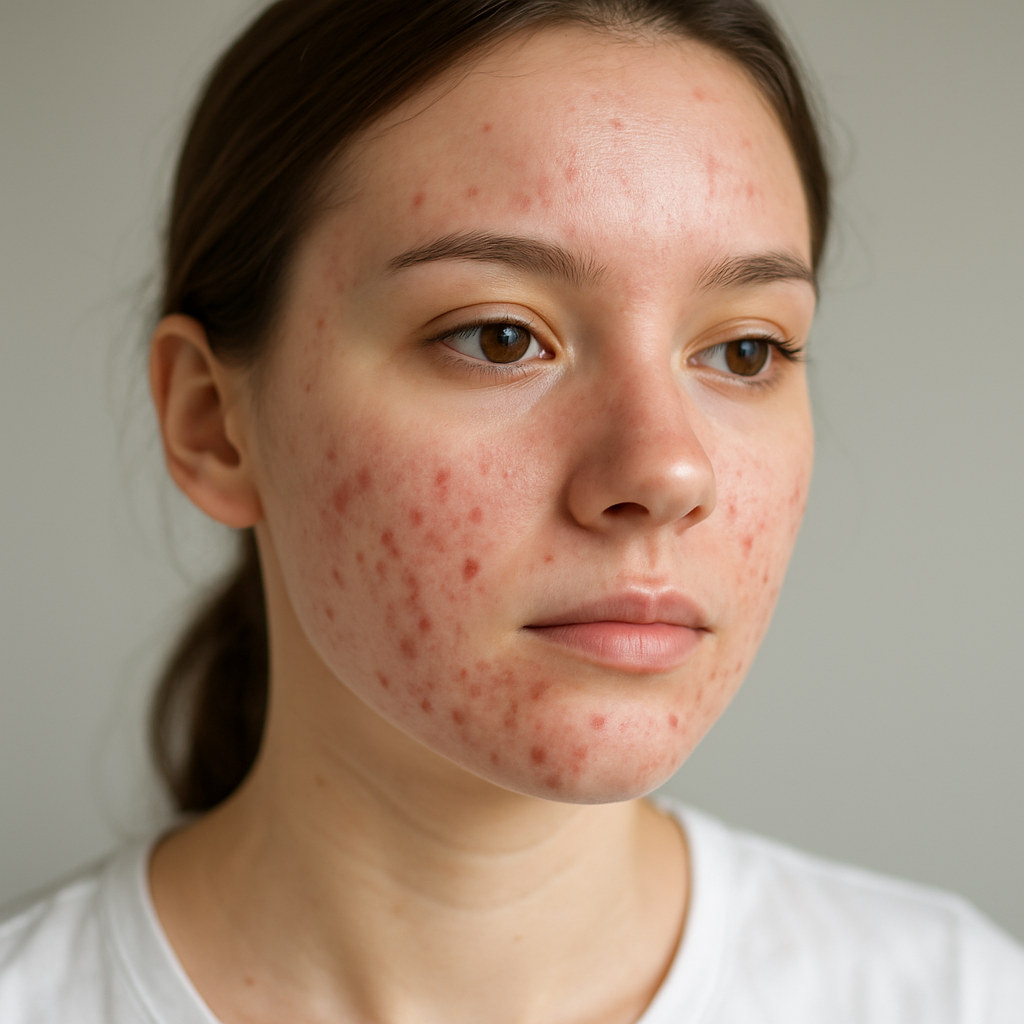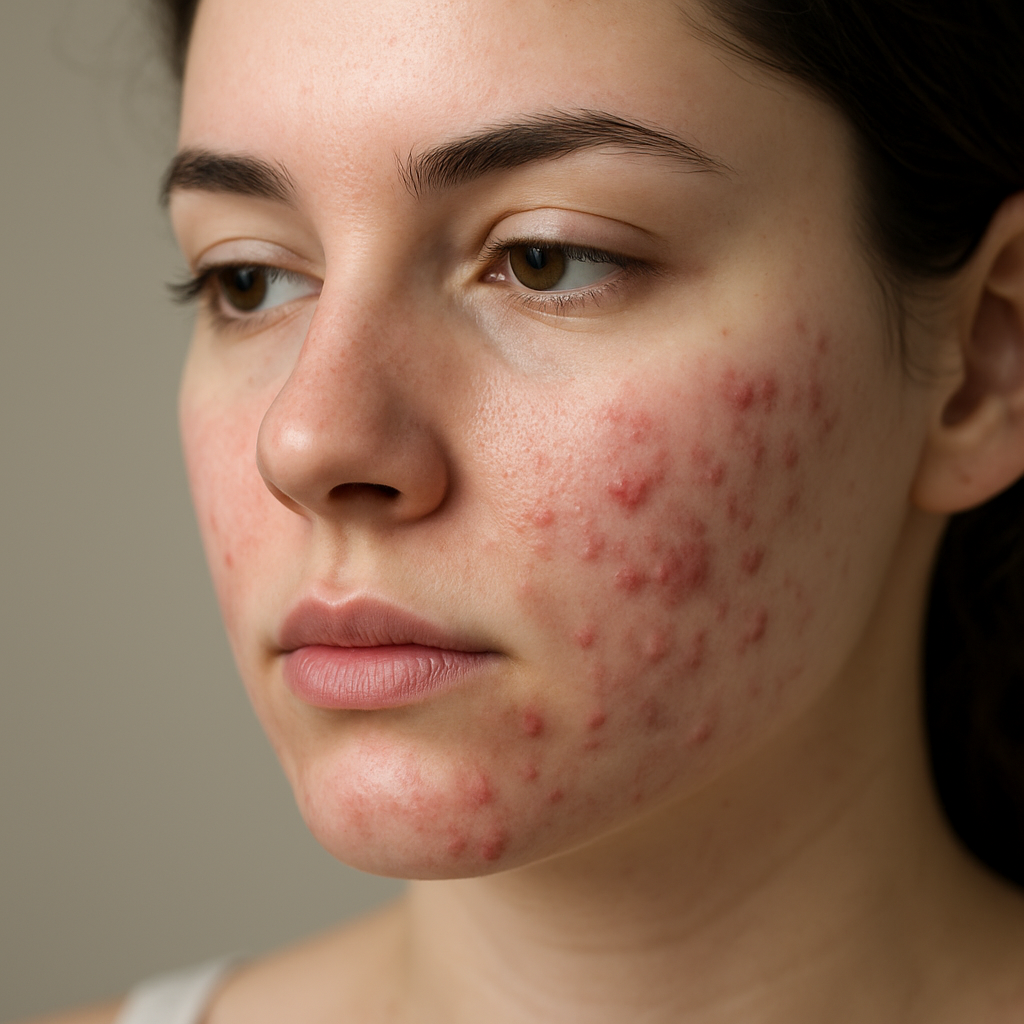
Understanding the Diet-Acne Connection

The relationship between what you eat and your skin health isn't just an old wives' tale—scientific research has established clear connections between dietary choices and Acne Vulgaris development. This common inflammatory skin condition, affecting 85% of people aged 12-24 years, responds significantly to what's on your plate.
“High-glycemic foods trigger insulin spikes that directly worsen acne by increasing sebum production and inflammation.”
Foods high on the glycemic index—like white bread, sugary snacks, and processed cereals—cause rapid blood sugar spikes. These spikes trigger insulin release, which stimulates your sebaceous glands to produce excess oil and promotes inflammation in your pores. This creates the perfect environment for the blackheads, whiteheads, and painful cysts that cause both immediate discomfort and the permanent scarring you're worried about.
Dairy products present another concern. Research suggests milk and cheese may increase inflammation and sebum production through hormones and growth factors naturally present in dairy. Population studies reveal that Western diets—rich in processed foods, dairy, and refined sugars—correlate with significantly higher acne rates compared to traditional diets emphasizing whole foods, vegetables, and lean proteins.
Understanding these connections empowers you to make targeted dietary changes that can complement your skincare routine and help achieve the clear skin you're seeking.
Foods That Trigger Breakouts

Certain foods act like fuel on the fire when it comes to acne development. Understanding these dietary triggers can help you avoid unnecessary breakouts and reduce your risk of scarring from severe inflammation.
“Sugar and refined carbohydrates create a perfect storm for acne by spiking insulin levels and triggering inflammatory pathways.”
High-glycemic foods like white bread, candy, and sugary drinks cause rapid spikes in blood sugar and insulin. This insulin surge increases production of IGF-1 (insulin-like growth factor), which stimulates oil glands to produce excess sebum. More oil means more clogged pores and more breakouts.
Dairy products present another common trigger. Milk contains natural hormones that can stimulate your oil glands, particularly affecting those prone to Hormonal Acne along the jawline and chin. These hormones can worsen existing breakouts or trigger new ones in sensitive individuals.
Processed foods rich in trans fats and additives increase systemic inflammation throughout your body. This inflammation doesn't stay localized—it affects your skin too, making existing acne worse and potentially leading to deeper, more painful cystic lesions that increase scarring risk.
Anti-Acne Foods and Nutrients
While certain foods trigger breakouts, others actively fight acne formation through powerful nutrients that target inflammation and hormonal balance. Understanding these protective foods helps prevent the deep, painful lesions associated with cystic acne, which affects 1-2% of adolescents and can cause permanent scarring.
Omega-3 fatty acids from fish like salmon and sardines reduce inflammatory compounds that worsen acne. Studies show taking 1000mg daily significantly decreases lesion counts within three months.
Zinc supplementation demonstrates remarkable clinical benefits, with 30-40mg daily reducing inflammatory acne by up to 50%. This mineral regulates oil production and fights acne-causing bacteria.
Antioxidant-rich foods protect against oxidative stress that damages skin cells. Colorful vegetables like bell peppers, spinach, and berries provide vitamins C and E that strengthen skin barriers and promote healing. Green tea contains polyphenols that specifically target acne inflammation when consumed daily.
Stress Management for Clear Skin
Chronic stress triggers a cascade of hormonal changes that directly impact your skin. When you're stressed, your body produces excess cortisol, which stimulates oil glands to produce more sebum. This excess oil, combined with stress-induced inflammation, creates the perfect environment for acne bacteria to thrive.
Sleep deprivation compounds this problem by disrupting your hormonal balance. Poor sleep increases cortisol production while decreasing growth hormone levels needed for skin repair. Women with Hormonal Acne particularly suffer during this cycle, as stress can worsen the deep cystic lesions along the jawline and chin that characterize this condition.
Regular exercise serves as a powerful stress-buster by reducing cortisol levels and improving circulation to your skin. Aim for 30 minutes of moderate activity daily—whether walking, swimming, or cycling. Meditation and deep breathing exercises can lower stress hormones within minutes, making them ideal for managing sudden breakouts triggered by stressful situations like job interviews or social events.
Establishing a consistent sleep schedule between 7-9 hours nightly helps regulate the hormones that control oil production, giving your skin time to repair and preventing the scarring that many people fear most about persistent acne.
Daily Habits That Impact Acne

Small daily habits often create bigger problems for your skin than you might realize. Understanding these hidden triggers helps prevent the scarring and breakouts that cause social anxiety for many people dealing with Acne Vulgaris.
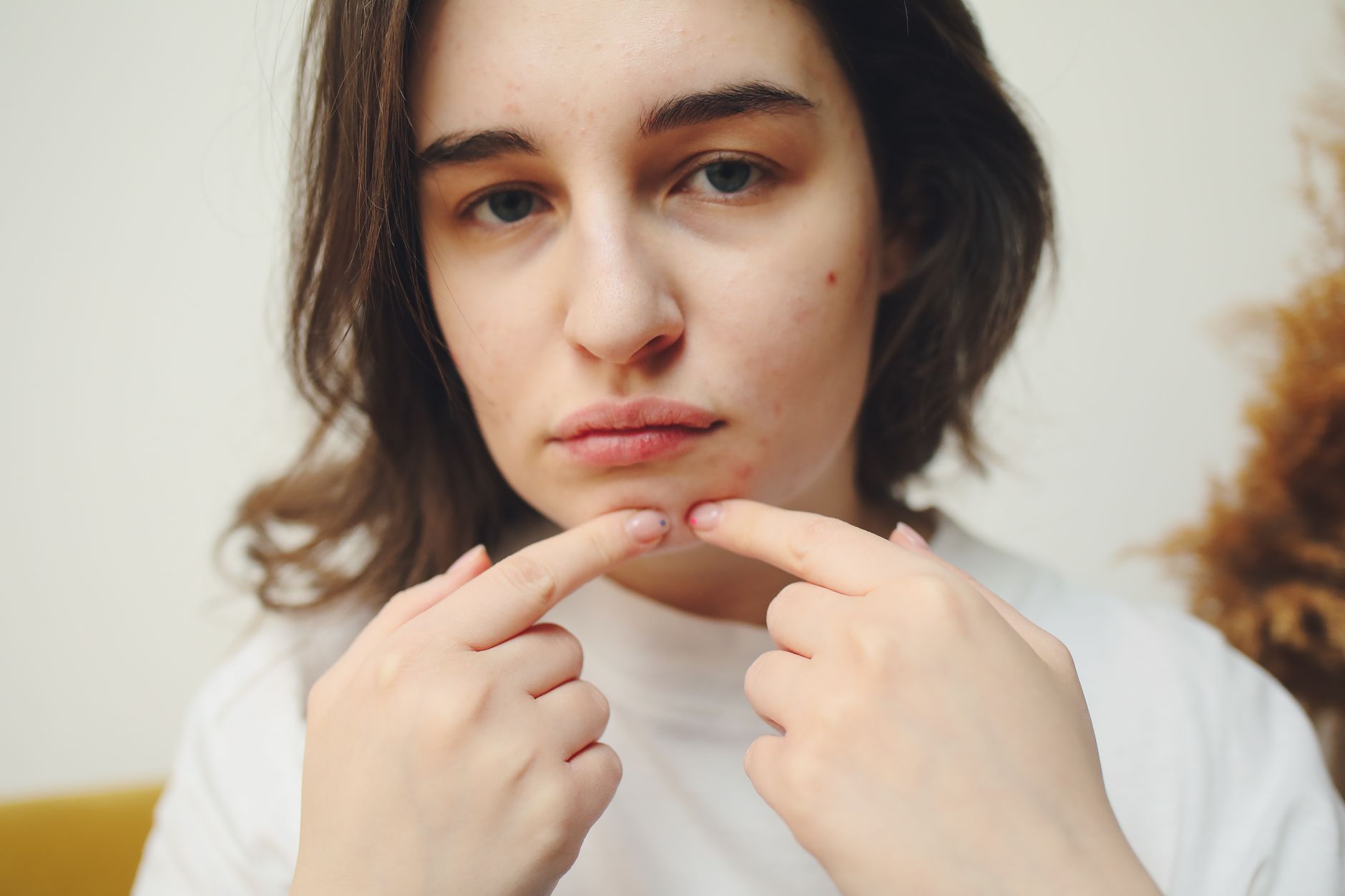
Touching your face transfers bacteria from your hands directly to your pores. Every time you rest your chin on your hand or pick at a blemish, you introduce new bacteria and irritate existing inflammation. Your phone screen collects oil, makeup, and bacteria throughout the day, then presses against your cheek during calls.
Dirty pillowcases accumulate dead skin cells, hair products, and oils night after night. Sleeping on the same pillowcase for weeks creates a breeding ground for acne-causing bacteria that gets rubbed into your skin for eight hours straight.
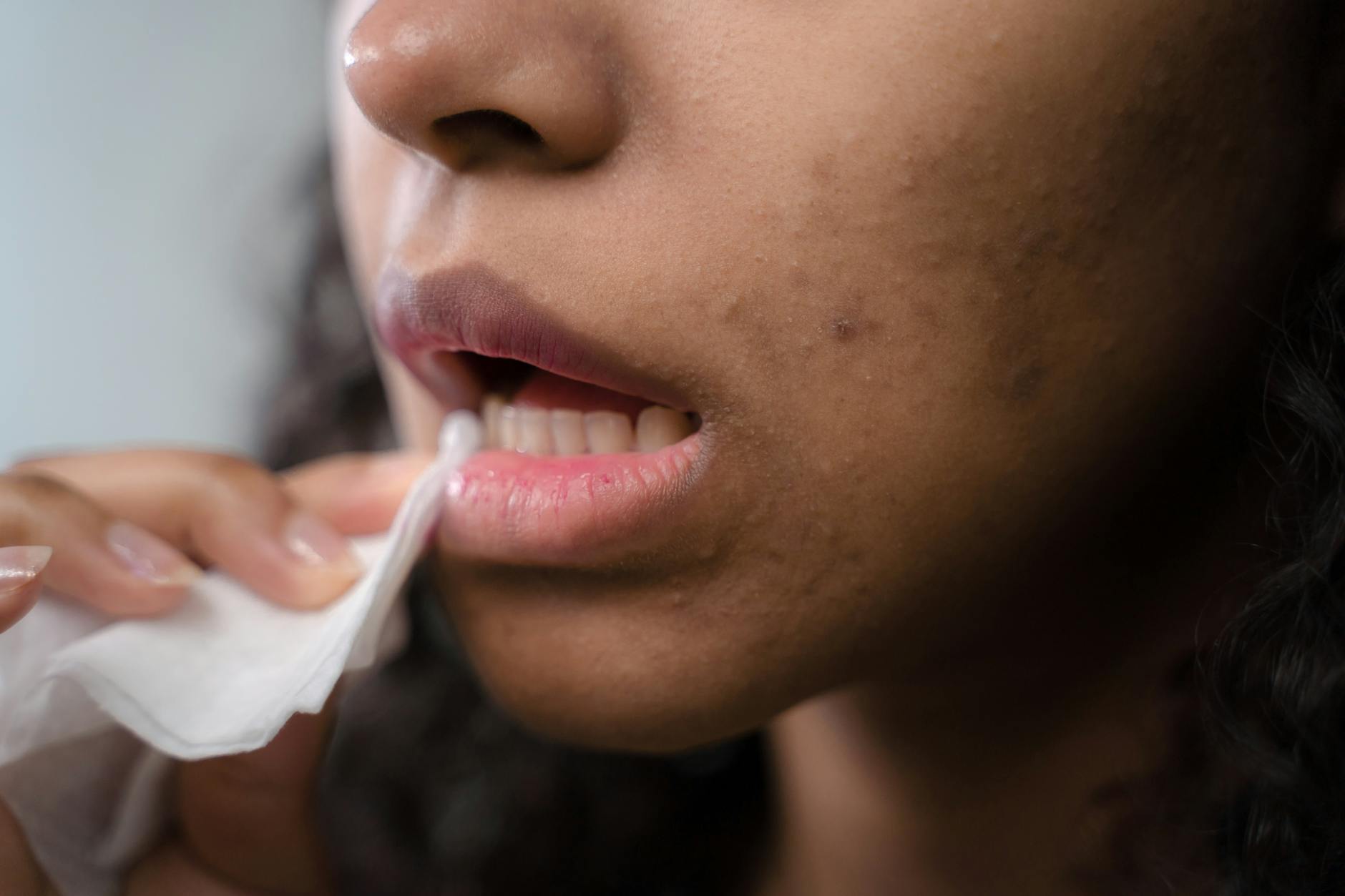
Over-cleansing strips away your skin's natural protective oils, triggering your sebaceous glands to produce even more oil as compensation. Washing your face more than twice daily actually worsens breakouts by disrupting your skin's natural barrier function.
Creating Your Anti-Acne Action Plan
Success comes from systematic implementation rather than overwhelming changes. Start with one dietary modification—whether reducing dairy or sugar—and maintain it for four weeks before adding another change. This approach prevents confusion about which factors actually impact your skin.
Track daily food intake, stress levels, hormonal changes, and skin condition to identify your specific triggers.
Diet modifications enhance but don't replace proven acne medications and skincare routines.
Allow 6-8 weeks to see meaningful results from dietary changes, as skin cell turnover takes time.
For severe conditions like cystic acne—deep, painful cysts that can cause permanent scarring—lifestyle changes work best alongside medical treatment. Don't rely solely on diet modifications when dealing with inflammatory acne that requires professional intervention.
Sustainable acne improvement requires patience, consistent tracking, and combining lifestyle changes with appropriate medical care.
Frequently Asked Questions
What foods cause acne breakouts?
High-glycemic foods like white bread, candy, and sugary drinks cause rapid blood sugar spikes that trigger insulin release and stimulate oil glands to produce excess sebum. Dairy products contain natural hormones that can worsen acne, particularly hormonal acne along the jawline and chin. Processed foods rich in trans fats and additives increase systemic inflammation throughout your body, making existing acne worse and potentially leading to deeper, more painful cystic lesions.
How does diet affect acne?
Diet affects acne by influencing insulin levels and inflammation in your body. High-glycemic foods trigger insulin spikes that stimulate sebaceous glands to produce excess oil and promote inflammation in pores, creating the perfect environment for blackheads, whiteheads, and painful cysts. Research shows that Western diets rich in processed foods, dairy, and refined sugars correlate with significantly higher acne rates compared to traditional diets emphasizing whole foods.
What foods help prevent acne?
Omega-3 fatty acids from fish like salmon and sardines reduce inflammatory compounds that worsen acne, with studies showing 1000mg daily significantly decreases lesion counts within three months. Anti-acne foods actively fight acne formation through powerful nutrients that target inflammation and hormonal balance. These protective foods help prevent deep, painful lesions associated with cystic acne that can cause permanent scarring.
Why does dairy cause acne?
Dairy products contain natural hormones and growth factors that can stimulate oil glands and increase inflammation and sebum production. Milk and cheese are particularly problematic for those prone to hormonal acne, especially affecting areas along the jawline and chin. These hormones can worsen existing breakouts or trigger new ones in sensitive individuals.
How long does it take for diet changes to improve acne?
Studies show it takes about 12 weeks to see benefits from zinc supplementation for acne improvement. For omega-3 fatty acids, significant decreases in lesion counts can be observed within three months of taking 1000mg daily. Diet changes require patience as your skin needs time to respond to reduced inflammation and hormonal balance.
Disclaimer: This content is for informational purposes only and does not constitute medical advice. Always consult a qualified healthcare provider before making health decisions.