Why Your Hands Need Special Sun Protection

Your hands face more sun exposure than any other part of your body. Think about it—while you protect your face with sunscreen and shield your torso with clothing, your hands remain exposed during driving, walking, gardening, and countless daily activities. This constant UV bombardment makes them particularly vulnerable to premature aging and sun damage.
“Your hands can age twenty years faster than your face without proper sun protection.”
Hand skin differs significantly from facial skin in ways that make it more susceptible to damage. The skin on your hands is naturally thinner and contains fewer oil glands than your face, making it less able to maintain moisture and protect itself from environmental stressors. This explains why age spots, wrinkles, and discoloration appear on hands earlier and more dramatically than elsewhere.
When UV rays penetrate this delicate skin, they break down collagen and elastin fibers that keep hands looking youthful. The result? Those telltale brown spots and pronounced veins that can add decades to your appearance and cause the social embarrassment many patients worry about. Without consistent protection, these changes become increasingly difficult to reverse.
Daily Hand Sun Protection Essentials

Your hands deserve the same sun protection as your face. These frequently exposed areas develop age spots, wrinkles, and permanent damage faster than other body parts when left unprotected. The good news is that preventing this damage requires just three simple habits.
“Hand skin is 40% thinner than facial skin, making it even more vulnerable to UV damage.”
Start with SPF 30 or higher broad-spectrum sunscreen specifically designed for hands. Apply a quarter teaspoon amount to cover both hands completely, including between fingers and around nails. Hand sunscreens like CeraVe Therapeutic Hand Cream with SPF 30 or Neutrogena Age Shield provide both protection and moisture.
Reapply every two hours or immediately after washing your hands. Most people wash their hands 8-12 times daily, removing sunscreen each time. Keep a travel-size tube in your purse, car, or desk drawer for easy touch-ups throughout the day.
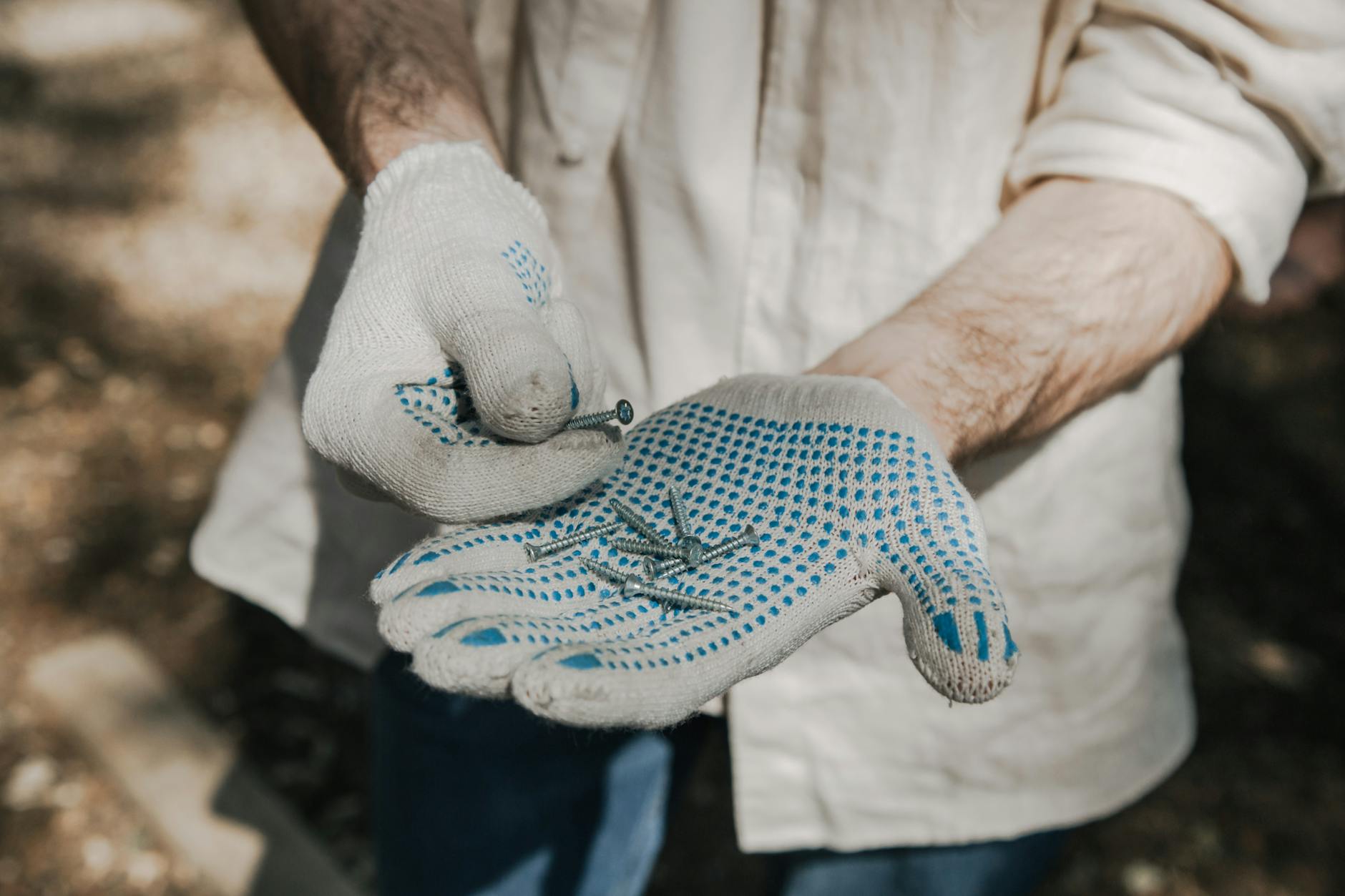
UV-protective gloves offer superior protection during driving and outdoor activities. Fingerless driving gloves with UPF 50+ rating block harmful rays while maintaining grip and dexterity. For gardening or extended outdoor work, full-coverage gloves prevent both UV exposure and contact irritation that can lead to scarring or discoloration.
These three essentials work together to prevent the permanent damage and social embarrassment that comes from prematurely aged, spotted hands. Consistency matters more than perfection.
Best Sunscreen Application for Hands
Your hands need more sunscreen than you think. Most people apply barely half the recommended amount, leaving vulnerable spots exposed to UV damage that can lead to permanent age spots and uneven skin tone.
The key measurement is one-quarter teaspoon of sunscreen for both hands combined. This might seem like a lot, but hands have more surface area than most people realize, especially when you include fingers, knuckles, and wrists.
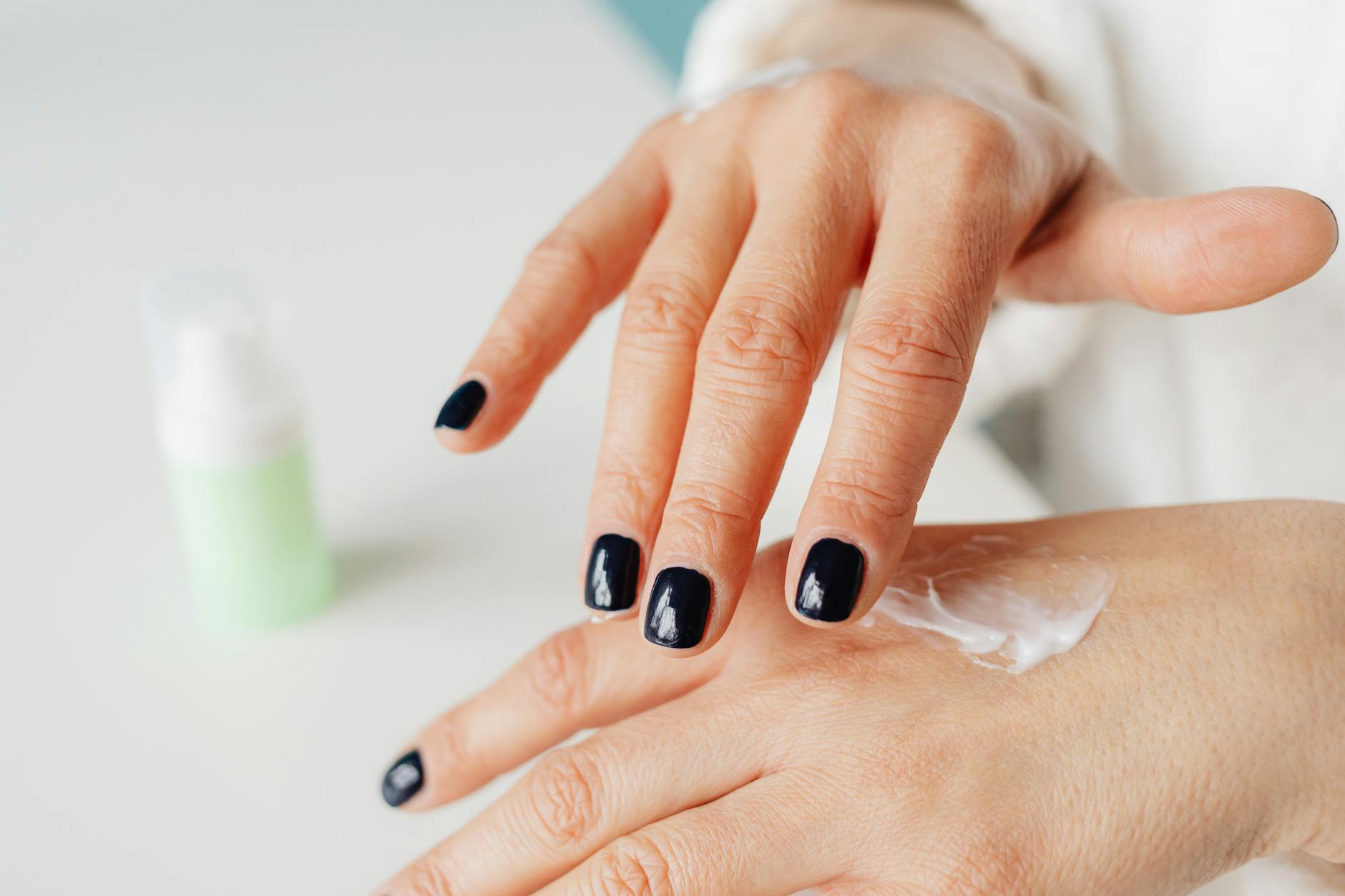
Squeeze one-quarter teaspoon into your palm.
Spread thoroughly over backs of hands, fingers, knuckles, and between fingers.
Apply sunscreen two inches past your wrists where sleeves might ride up.
Wait two minutes before touching anything to prevent transferring product.
Pay special attention to the spaces between your fingers and around your cuticles. These areas catch sun at different angles throughout the day. For example, when driving, the back of your left hand receives direct UV exposure through the side window, making thorough coverage essential for preventing those telltale driving gloves tan lines.
Beyond Sunscreen: Complete Hand Protection
While sunscreen provides essential protection, your hands face unique challenges that require a comprehensive approach. UV rays reach your hands throughout the day, even when you think you're protected indoors.
UV-blocking gloves transform your daily commute into protected time. Keep fingerless driving gloves in your car to shield your hands while maintaining steering control. These specialized gloves block up to 99% of harmful rays that penetrate car windows.
Seeking shade during peak UV hours (10 AM to 4 PM) protects both your hands and body from the strongest radiation. When shade isn't available, position yourself strategically to minimize direct exposure.
For outdoor activities, long-sleeved clothing with UPF ratings offers reliable protection without constant reapplication. Choose tightly woven fabrics in darker colors for maximum coverage. This approach prevents the uneven protection that often leads to patchy damage and visible signs of premature aging that cause social embarrassment.
Preventing and Treating Sun Damage on Hands

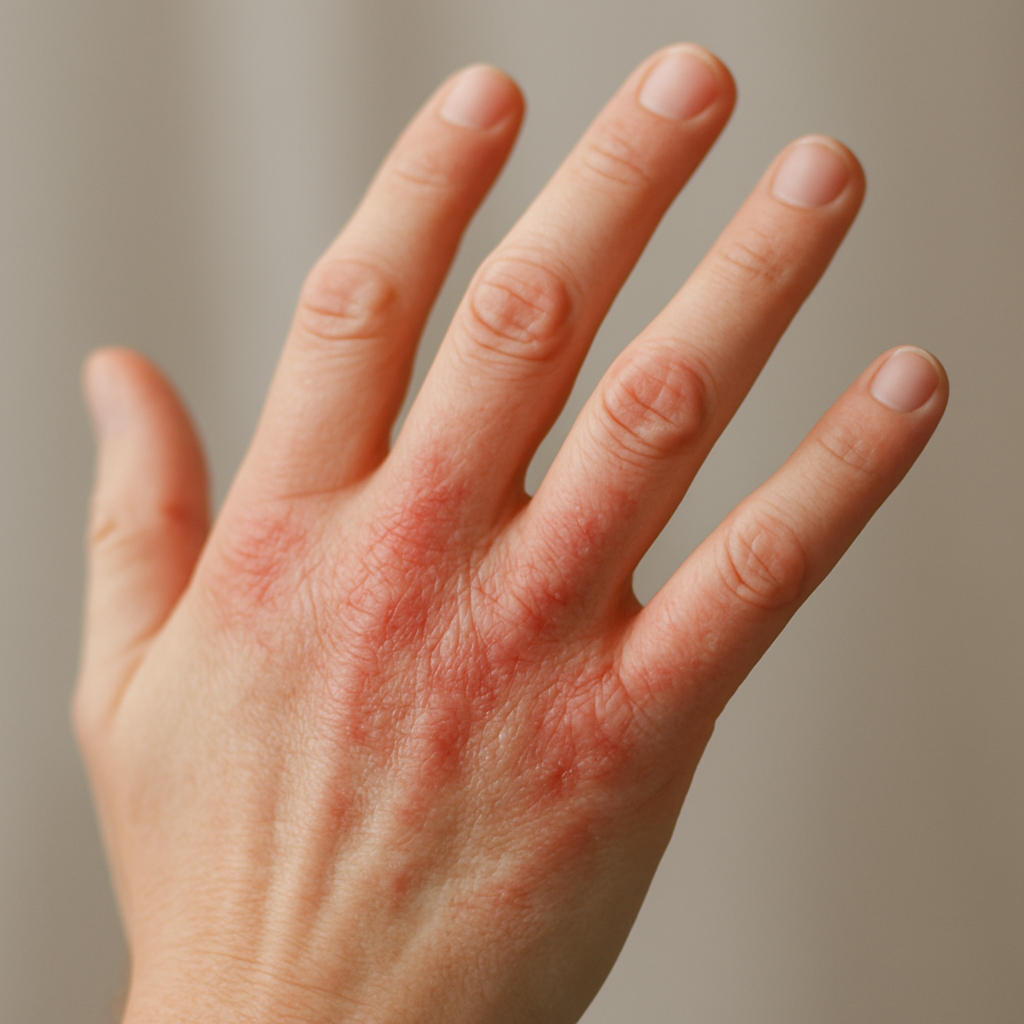
Early signs of sun damage on hands include brown spots, uneven pigmentation, and rough texture. These changes often appear gradually, making them easy to overlook until they become more pronounced. Your hands frequently show the first visible signs of photoaging because they receive constant UV exposure during daily activities.
Schedule a dermatology appointment when you notice new dark spots, changing moles, or persistent rough patches. Early intervention prevents progression and reduces permanent scarring concerns that worry many patients.
Treatment options for existing damage include topical retinoids, hydroquinone for lightening spots, and professional procedures like laser therapy or chemical peels. Your dermatologist will recommend the best approach based on your skin type and damage severity. Starting treatment early produces better results and helps restore your confidence in your hand appearance.
Common Hand Sun Protection Mistakes
Even with good intentions, people make simple errors that leave their hands vulnerable to UV damage. Understanding these common mistakes helps you avoid permanent sun spots and premature aging that can cause lasting embarrassment.
The biggest mistake is forgetting to reapply sunscreen after washing hands. Water removes your protection completely, yet most people only apply sunscreen once daily. Reapply immediately after each hand washing to maintain coverage.
Using expired sunscreen is another frequent error. Sunscreen loses effectiveness over time, typically lasting only three years from manufacture. Check expiration dates regularly and replace old products.
Many people miss critical areas when applying protection. The spaces between fingers, knuckles, and around nails often get skipped during hurried application. These forgotten spots frequently develop the first signs of sun damage.
Poor timing also reduces protection effectiveness. Applying sunscreen immediately before sun exposure doesn't allow proper absorption. Apply protection 15 minutes before going outside for optimal results.
Consistent reapplication after hand washing and thorough coverage of all hand areas prevents the most common sun protection failures.
Frequently Asked Questions
Why do hands need sunscreen more than other body parts?
Your hands face more sun exposure than any other part of your body during daily activities like driving, walking, and gardening while remaining unprotected. Hand skin is naturally thinner with fewer oil glands than facial skin, making it 40% thinner and more vulnerable to UV damage. Without protection, hands can age twenty years faster than your face, developing age spots and wrinkles more rapidly.
How much sunscreen should I apply to my hands?
You should apply one-quarter teaspoon of sunscreen to cover both hands completely. This amount might seem like a lot, but hands have more surface area than most people realize when including fingers, knuckles, and wrists. Most people apply barely half the recommended amount, leaving vulnerable spots exposed to UV damage.
How often should I reapply sunscreen to my hands?
You should reapply sunscreen to your hands every two hours or immediately after washing them. Most people wash their hands 8-12 times daily, removing sunscreen each time. Keep a travel-size tube in your purse, car, or desk drawer for easy touch-ups throughout the day.
What SPF should I use on my hands?
Use SPF 30 or higher broad-spectrum sunscreen specifically designed for hands. Hand sunscreens like CeraVe Therapeutic Hand Cream with SPF 30 or Neutrogena Age Shield provide both protection and moisture. The sunscreen should be applied to all surfaces including between fingers and around nails.
Do UV-protective gloves really help prevent hand aging?
Yes, UV-protective gloves offer superior protection during driving and outdoor activities compared to sunscreen alone. Fingerless driving gloves with UPF 50+ rating block harmful rays while maintaining grip and dexterity. For gardening or extended outdoor work, full-coverage gloves prevent both UV exposure and contact irritation that can lead to scarring or discoloration.
Disclaimer: This content is for informational purposes only and does not constitute medical advice. Always consult a qualified healthcare provider before making health decisions.