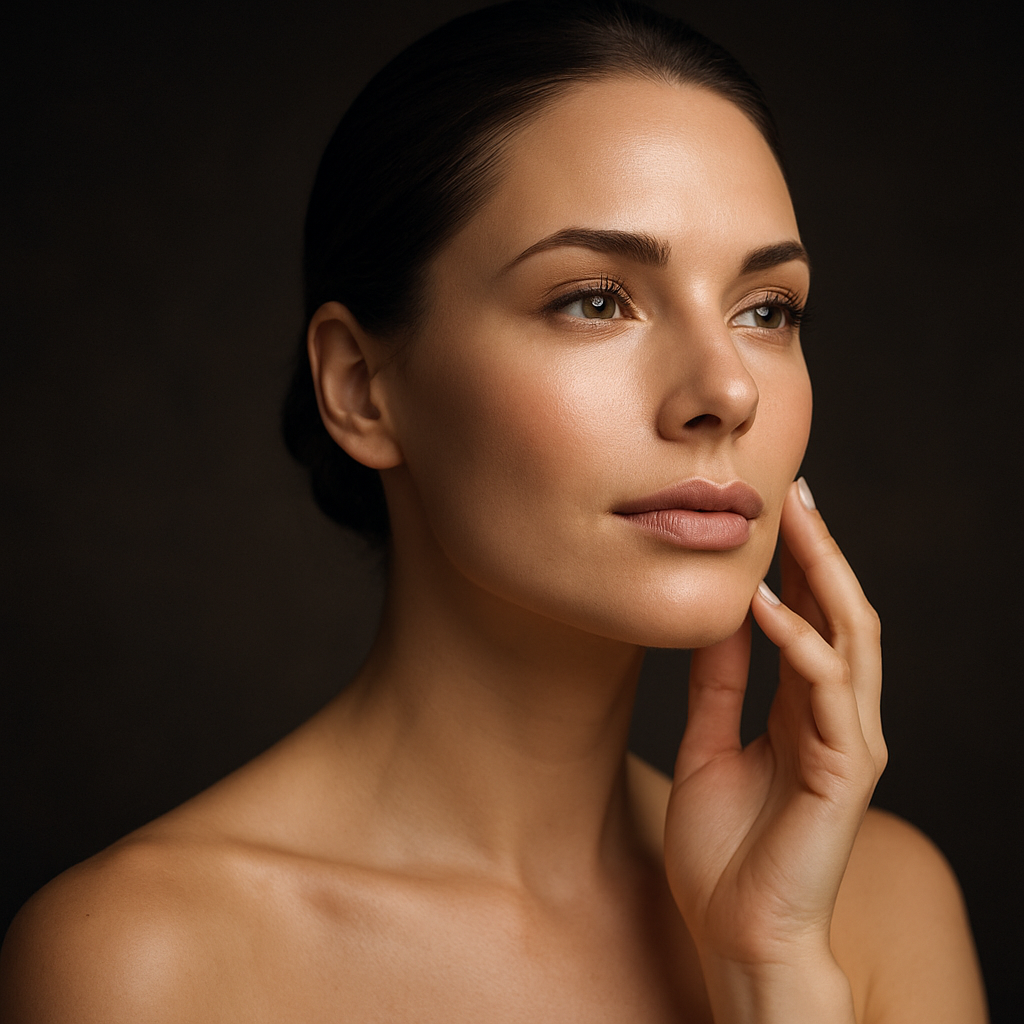

Understanding Ingredients for Dry Skin

Dry skin, also known as xerotic skin, occurs when your skin lacks moisture and natural oils. This condition creates a compromised moisture barrier that fails to retain water effectively, leading to tight, rough, or flaky skin with a dull appearance and potential for irritation.
“The key to treating dry skin lies in understanding how different ingredients restore your skin's natural moisture barrier.”
Three main ingredient categories work together to combat dry skin's specific challenges. Humectants like hyaluronic acid and glycerin act as moisture magnets, drawing water from the environment into your skin. Emollients such as ceramides and fatty acids smooth rough texture by filling gaps between skin cells. Occlusives including petrolatum and dimethicone create a protective seal that prevents water loss.
Understanding these categories helps you choose products that address your specific symptoms. If your skin feels tight and appears flaky, you need humectants to attract moisture. When texture feels rough or irritated, emollients will smooth and soften. For persistent dryness that returns quickly after moisturizing, occlusives provide the protective barrier your skin needs.
While dry skin may feel concerning, selecting the right combination of these ingredients can restore your skin's healthy appearance and comfort without causing permanent damage.
Essential Hydrating Ingredients

Finding the right hydrating ingredients can transform dry skin without causing irritation or worsening your skin concerns. Two powerhouse humectants lead the charge: hyaluronic acid and glycerin. These ingredients pull moisture from the environment and deeper skin layers, holding up to 1,000 times their weight in water. Look for products containing 1-2% hyaluronic acid or glycerin listed in the first five ingredients for maximum effectiveness.
“Hyaluronic acid and glycerin can hold up to 1,000 times their weight in water, making them essential for dry skin hydration.”
Ceramides and niacinamide work differently but equally importantly for barrier repair. Ceramides are natural lipids that fill gaps between skin cells, preventing water loss and strengthening your skin's protective barrier. Niacinamide, a form of vitamin B3, reduces inflammation while boosting ceramide production. These ingredients are particularly beneficial for Sensitive Skin, as they strengthen the barrier without causing reactive symptoms like redness or stinging.
Timing and layering determine whether these ingredients work effectively together. Apply thinnest to thickest consistency: start with hyaluronic acid or niacinamide serums on damp skin, follow with ceramide-containing moisturizers, then seal everything with an occlusive like petroleum jelly if needed. Use these ingredients morning and evening for consistent hydration.
Real-world example: CeraVe Daily Moisturizing Lotion combines ceramides, hyaluronic acid, and niacinamide in one product, making it easier to get multiple benefits without complicated routines. This approach reduces the risk of irritation while ensuring your skin receives comprehensive hydration and barrier support throughout the day.
Choosing Ingredients for Your Skin Needs
Selecting the right ingredients depends on your specific skin concerns and severity level. Mild dryness responds well to lightweight humectants like glycerin and sodium hyaluronate, while severe dryness requires heavier occlusives such as petroleum jelly or dimethicone to lock in moisture effectively.
For Combination Skin—characterized by an oily T-zone with normal to dry cheeks—focus humectants on dry areas while avoiding heavy occlusives in the T-zone. Apply lightweight hyaluronic acid serums to your entire face, then use heavier creams only on dry cheek areas to prevent clogged pores in oily zones.
Sensitive Skin, which reacts easily with redness and irritation, should avoid fragrances, alcohol denat, and high concentrations of acids. Start with gentle ceramides and niacinamide before introducing active ingredients like retinoids or AHAs.
Always patch test new ingredients to prevent adverse reactions that could worsen your skin condition. Apply a small amount behind your ear or on your inner wrist, wait 48 hours, and watch for redness, itching, or burning.
Apply product to inner wrist or behind ear on clean skin.
Monitor for 48 hours for any signs of irritation or allergic reaction.
If no reaction occurs, start with small amounts on your face every other day.
Special Considerations and Combinations
Seasonal changes dramatically impact dry skin, requiring ingredient adjustments throughout the year. Winter demands richer formulations with ceramides and squalane, while summer calls for lighter hydrators like hyaluronic acid. Your skin's barrier function weakens in cold weather, making protective ingredients like dimethicone essential during harsh months.
Certain ingredient combinations work synergistically to enhance moisturization. Pair hyaluronic acid with glycerin for maximum water retention, or combine niacinamide with ceramides to strengthen the skin barrier. Avoid mixing retinoids with AHA or BHA acids simultaneously, as this can cause irritation and worsen dryness.
Age significantly influences ingredient selection for dry skin treatment. Mature skin benefits from peptides and antioxidants alongside traditional moisturizers, while younger skin may only need basic hydrators. People over 40 often require occlusive agents like petrolatum more frequently than those with naturally resilient younger skin.
Paradoxically, some people with combination skin experience both dry patches and oily zones. Oily Skin areas need different treatment than dry sections. Target each zone specifically rather than applying the same products everywhere. This targeted approach prevents over-moisturizing oily areas while adequately treating dry patches, reducing the risk of clogged pores and breakouts that could lead to scarring.
Common Ingredient Mistakes to Avoid
Certain ingredients can sabotage your dry skin routine and worsen irritation. Harsh cleansing agents like sodium lauryl sulfate strip away your skin's protective oils, leaving it more vulnerable than before. Alcohol-based toners and products containing denatured alcohol create immediate dryness and long-term barrier damage.
Over-exfoliation represents another common pitfall. Using alpha hydroxy acids, beta hydroxy acids, or retinoids too frequently can cause redness, peeling, and increased sensitivity. Start with these active ingredients once or twice weekly, not daily. People with Sensitive Skin should be especially cautious, as reactive skin can develop inflammation from ingredients that others tolerate well.
Fragranced products pose unnecessary risks for dry skin. Essential oils, synthetic fragrances, and heavily scented moisturizers can trigger contact dermatitis and worsen existing dryness. This irritation won't cause permanent scarring, but it can delay healing and create temporary red marks.
Avoid products containing menthol, witch hazel, and astringents that create a temporary "tight" feeling. This sensation indicates moisture loss, not cleanliness.
Choose fragrance-free, alcohol-free products and introduce active ingredients gradually to prevent irritation and maintain your skin barrier.
Frequently Asked Questions
What causes dry skin and how does it affect the skin barrier?
Dry skin, also known as xerotic skin, occurs when your skin lacks moisture and natural oils. This creates a compromised moisture barrier that fails to retain water effectively, leading to tight, rough, or flaky skin with a dull appearance and potential for irritation.
What are the three main types of ingredients that help dry skin?
The three main ingredient categories are humectants, emollients, and occlusives. Humectants like hyaluronic acid draw moisture from the environment into your skin, emollients such as ceramides smooth rough texture by filling gaps between skin cells, and occlusives including petrolatum create a protective seal that prevents water loss.
How much water can hyaluronic acid and glycerin hold?
Hyaluronic acid and glycerin can hold up to 1,000 times their weight in water, making them essential powerhouse humectants for dry skin hydration. Look for products containing 1-2% hyaluronic acid or glycerin listed in the first five ingredients for maximum effectiveness.
What do ceramides do for dry skin?
Ceramides are natural lipids that fill gaps between skin cells, preventing water loss and strengthening your skin's protective barrier. They work particularly well for sensitive skin as they strengthen the barrier without causing reactive symptoms like redness or stinging.
How should I layer hydrating ingredients for best results?
Apply products from thinnest to thickest consistency for optimal absorption. Start with hyaluronic acid or niacinamide serums on damp skin, follow with ceramide-containing moisturizers, then seal everything with an occlusive like petroleum jelly if needed. Use these ingredients morning and evening for consistent hydration.
Disclaimer: This content is for informational purposes only and does not constitute medical advice. Always consult a qualified healthcare provider before making health decisions.