Why Winter Wreaks Havoc on Your Hands

Winter transforms your hands into a battleground where multiple forces conspire against healthy skin. Cold air acts like a moisture vacuum, stripping away your skin's natural protective oils faster than your body can replace them. When temperatures drop below 40°F, your skin loses moisture at nearly twice the normal rate.
“Your hands face the perfect storm of winter skin damage from multiple directions simultaneously.”
Indoor heating systems compound this problem by creating artificially dry environments. Forced air heating can reduce indoor humidity levels to desert-like conditions of 10-20%, while healthy skin thrives at 40-60% humidity. Your hands, being the most exposed part of your body throughout the day, bear the brunt of this constant moisture theft.
Frequent handwashing intensifies the damage. Hot water and soap remove not just germs but also essential skin lipids that form your natural moisture barrier. Each wash cycle leaves your hands temporarily vulnerable until these protective oils regenerate.
Think of Sarah, a teacher who washes her hands dozens of times daily while battling both classroom germs and winter weather during outdoor duty. By January, her once-smooth hands develop painful cracks that risk infection and social embarrassment.
Essential Winter Hand Care Steps

Your hands need different care when temperatures drop and humidity vanishes. The good news? Simple routine adjustments make all the difference between cracked, painful skin and hands that stay smooth through winter's worst weather.
“Winter hand care isn't about adding more products—it's about making smarter choices with timing and texture.”
Start by swapping your regular soap for cream-based cleansers. These gentler formulas clean without stripping away your skin's protective barrier. Look for cleansers with ingredients like glycerin or ceramides that actually add moisture while washing.
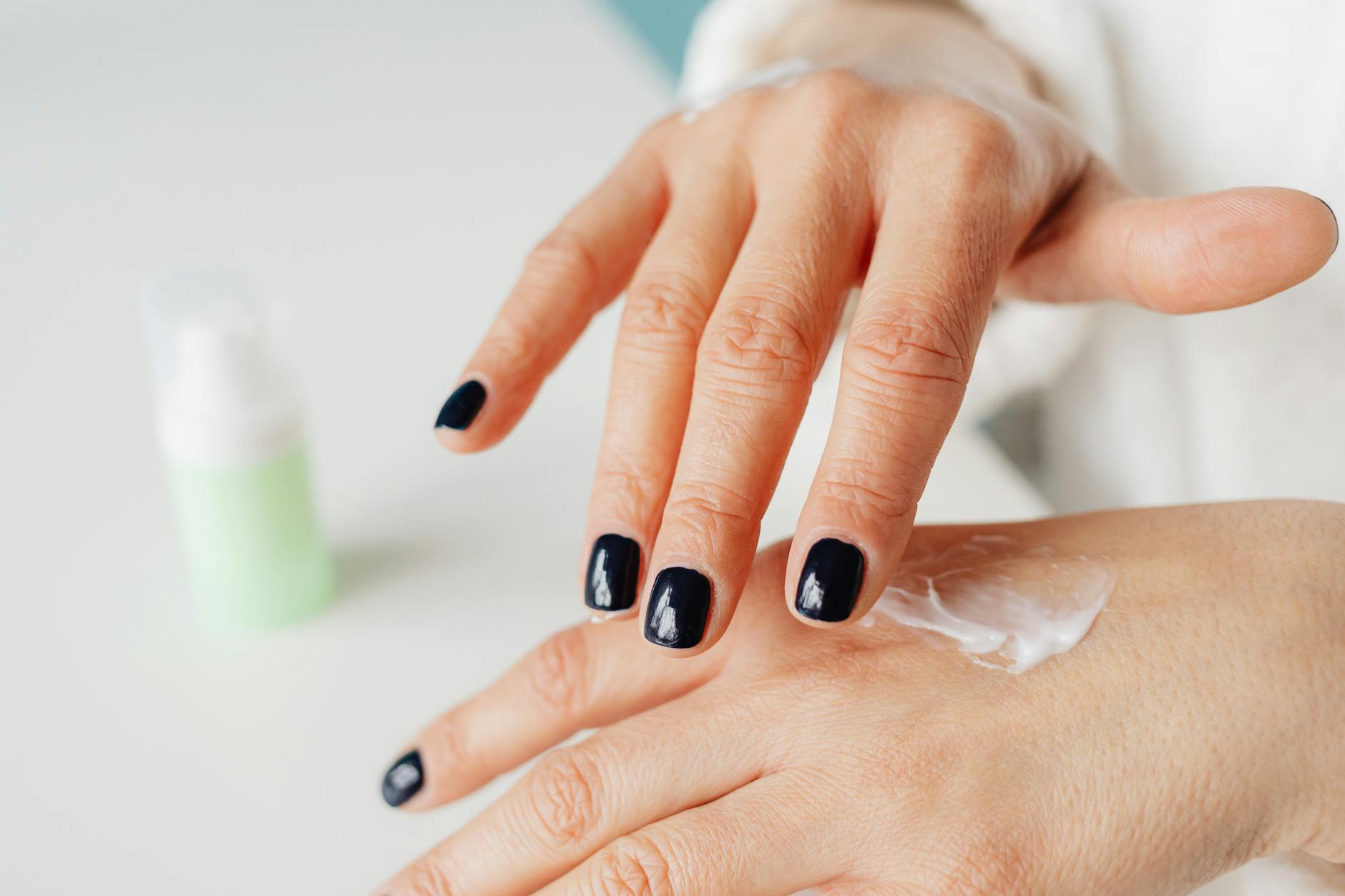
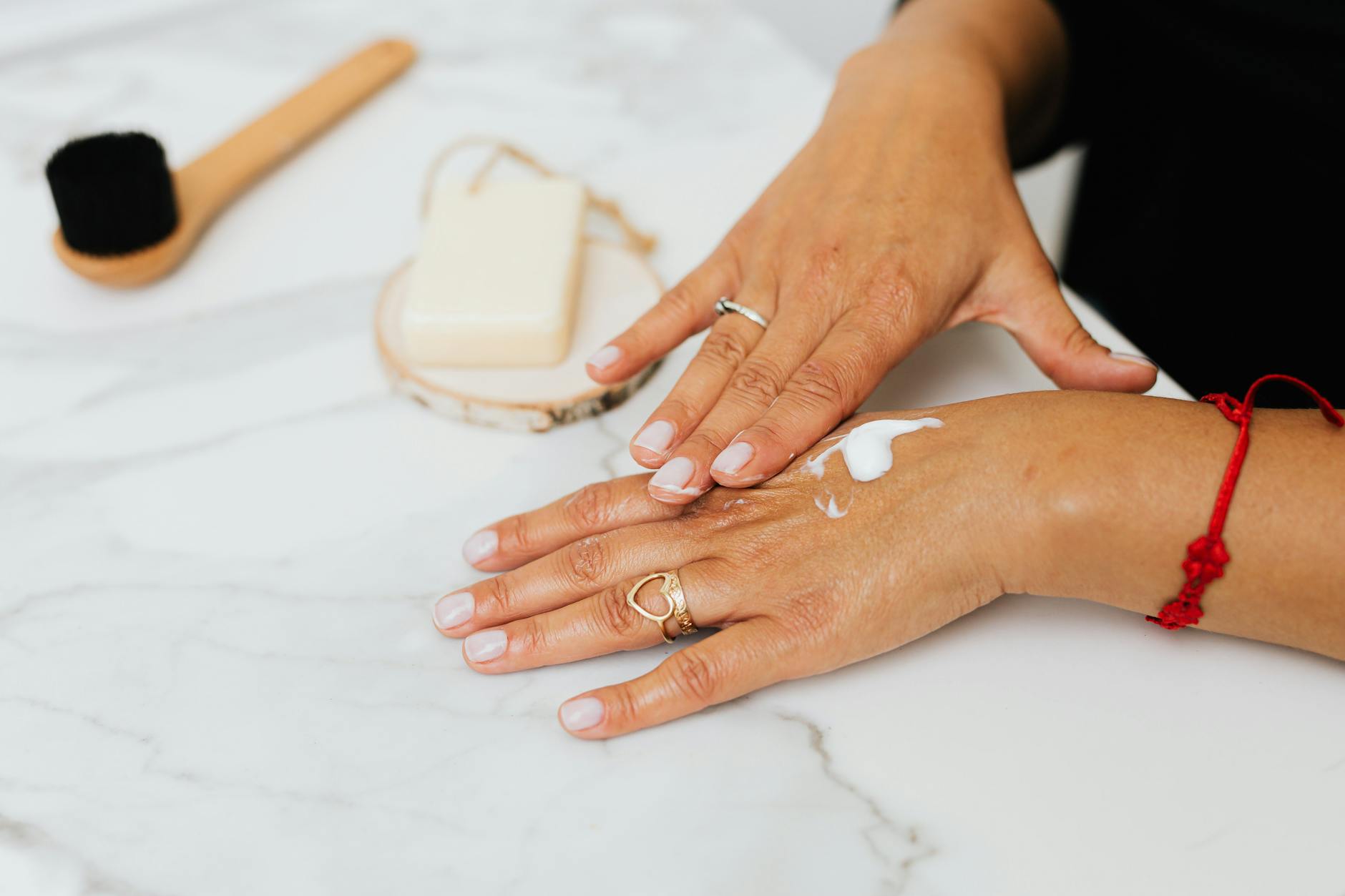
Timing matters more than product choice. Apply moisturizer within three minutes after washing your hands—this locks in the water your skin just absorbed. Keep a rich hand cream at every sink in your house to make this habit automatic.
Apply thick moisturizer after your shower while skin is still damp.
Use an overnight hand mask or thick cream before bed for intensive repair.
Wear gloves every time you step outside, even for quick errands.
Don't underestimate gloves—they prevent wind damage that can cause permanent changes to your skin texture and appearance, addressing concerns about lasting damage to your hands' appearance.
Choosing the Right Winter Hand Products
Winter transforms your hands into one of your body's most vulnerable areas, requiring specialized products that can withstand harsh conditions. The key lies in understanding which ingredients actually work when temperatures drop and humidity plummets.
Look for hand creams containing ceramides and hyaluronic acid as your primary defense mechanisms. Ceramides rebuild your skin's natural barrier, while hyaluronic acid draws moisture from the environment and locks it into your skin cells. These ingredients work synergistically to prevent the cracking and peeling that can lead to permanent damage if left untreated.
Avoid alcohol-based hand sanitizers when possible, as they strip away protective oils faster than your skin can replace them. When sanitizing is necessary, follow immediately with a thick hand cream to minimize damage.
Choose products with thicker textures over light lotions during winter months. Ointments and heavy creams create a protective seal that prevents water loss throughout the day.
Consider overnight repair treatments containing ingredients like shea butter or lanolin. Apply these intensive formulas before bed, then wear cotton gloves to maximize absorption and wake up with noticeably softer hands.
Protecting Hands During Daily Activities
Your hands face constant exposure to harsh winter conditions and daily activities that can worsen dryness and irritation. Simple protective measures throughout your routine make a significant difference in maintaining healthy skin on this frequently exposed body area.
Wear insulated gloves every time you step outdoors, even for brief trips to the car. Cold air strips moisture from your skin within minutes. For wet weather, choose waterproof gloves to prevent moisture from penetrating and chilling your hands.
Use rubber gloves when cleaning with household chemicals, washing dishes, or doing laundry. Detergents and cleaning products remove natural oils from your skin, leaving hands vulnerable to cracking and irritation that won't heal properly without protection.
Apply a thin layer of hand cream before washing to create a protective barrier.
Immediately reapply moisturizer while hands are still slightly damp to lock in hydration.
Keep hand cream tubes in your car, office desk, kitchen, and bedside table. This strategy ensures you never skip moisturizing because the product isn't within reach when your skin feels tight or uncomfortable.
Common Winter Hand Care Mistakes to Avoid

Even well-intentioned hand care can backfire during winter months. Hot water feels soothing on cold hands, but it strips away natural oils faster than lukewarm water. This leaves your hands more vulnerable to cracking and irritation.
Another common error involves applying moisturizer to damp hands. While this seems logical, water creates a barrier that prevents proper absorption. Always pat your hands completely dry before moisturizing for maximum effectiveness.
Many people focus solely on palm and finger skin while ignoring cuticles and nail beds. These areas are equally susceptible to winter damage and need regular attention. Neglecting them can lead to painful hangnails and unsightly peeling around your nails.
Perhaps the biggest mistake is waiting until damage appears before starting a care routine. Once your hands develop cracks or severe dryness, healing takes significantly longer and may leave temporary marks that cause social discomfort. Prevention requires much less effort than repair.
When to Seek Professional Help
While most winter hand dryness responds well to proper care, certain symptoms require medical attention. Recognizing when self-care isn't enough can prevent complications and permanent damage to your hands.
Seek dermatological help immediately if your hands develop deep cracks that bleed regularly or won't heal within a week. These open wounds create infection risks and may scar permanently without proper treatment. Persistent pain, swelling, or signs of infection like warmth and red streaking also warrant professional evaluation.
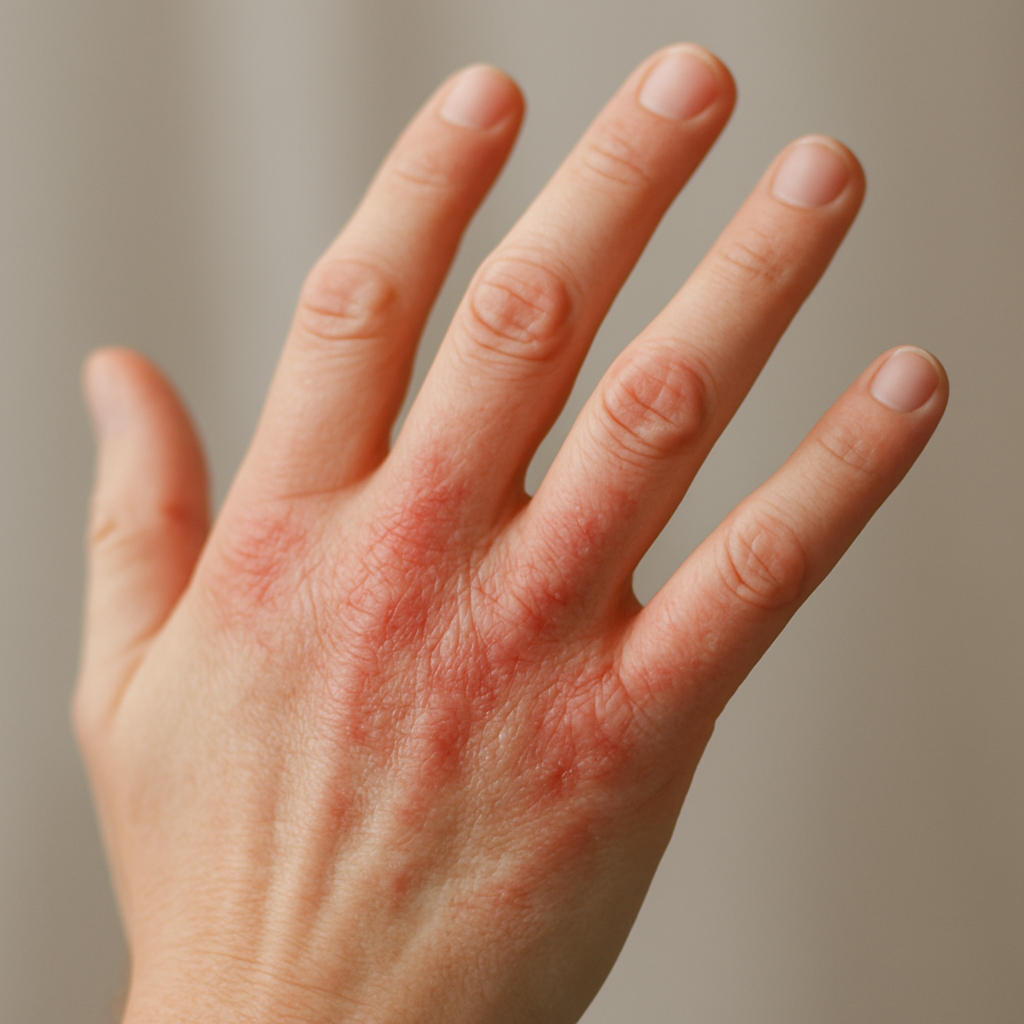
Hand eczema presents with red, inflamed patches that may ooze or develop thick, scaly skin. This condition often worsens in winter and requires prescription treatments that over-the-counter products cannot provide. If you notice these symptoms spreading or intensifying despite consistent moisturizing, schedule an appointment promptly.
When your carefully followed skincare routine produces no improvement after two weeks, professional intervention becomes necessary. Dermatologists can prescribe stronger moisturizers, medicated creams, or identify underlying conditions causing your hand problems.
Don't let winter hand problems progress to permanent scarring—seek professional help when home remedies fail after two weeks.
Frequently Asked Questions
Why do my hands get so dry and cracked in winter?
Cold air acts like a moisture vacuum, stripping away your skin's natural protective oils faster than your body can replace them. When temperatures drop below 40°F, your skin loses moisture at nearly twice the normal rate. Indoor heating systems make this worse by creating artificially dry environments with humidity levels as low as 10-20%, while healthy skin thrives at 40-60% humidity.
How often should I moisturize my hands in winter?
You should apply moisturizer within three minutes after washing your hands to lock in the water your skin just absorbed. Keep a rich hand cream at every sink in your house to make this habit automatic. Apply thick moisturizer in the morning after your shower while skin is still damp, and use an overnight hand mask or thick cream before bed for intensive repair.
What ingredients should I look for in winter hand cream?
Look for hand creams containing ceramides and hyaluronic acid as your primary defense mechanisms. Ceramides rebuild your skin's natural barrier, while hyaluronic acid draws moisture from the environment and locks it into your skin cells. These ingredients work synergistically to prevent the cracking and peeling that can lead to permanent damage if left untreated.
Should I wear gloves for short trips outside in winter?
Yes, you should wear gloves every time you step outside, even for quick errands. Gloves prevent wind damage that can cause permanent changes to your skin texture and appearance. Don't underestimate their importance in protecting against lasting damage to your hands' appearance.
What type of soap should I use for handwashing in winter?
Swap your regular soap for cream-based cleansers during winter months. These gentler formulas clean without stripping away your skin's protective barrier. Look for cleansers with ingredients like glycerin or ceramides that actually add moisture while washing, rather than removing essential skin lipids.
Disclaimer: This content is for informational purposes only and does not constitute medical advice. Always consult a qualified healthcare provider before making health decisions.