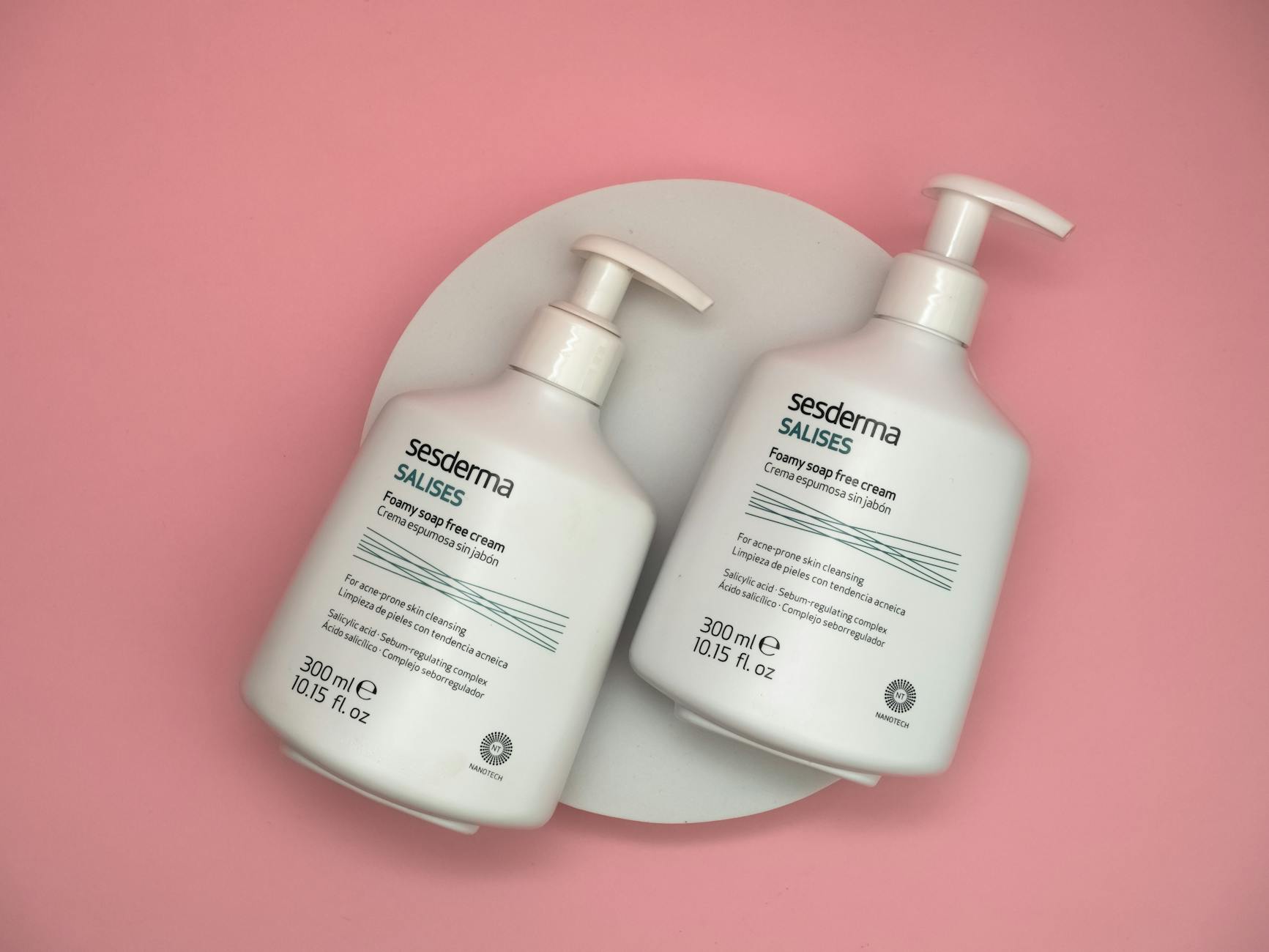
Quick Verdict: Foam vs Gel vs Cream Cleansers

Choosing the right cleanser doesn't have to be complicated. Your skin type determines which formula will work best for you.
Foam cleansers win for oily and acne-prone skin. They contain stronger surfactants that cut through excess oil and remove pore-clogging debris effectively. CeraVe Foaming Facial Cleanser exemplifies this category perfectly.
“The wrong cleanser can trigger breakouts within days, while the right one prevents future scarring.”
Gel cleansers suit combination and normal skin types best. They provide thorough cleansing without overdrying, making them ideal for people with T-zone oiliness but normal cheeks. Neutrogena Ultra Gentle Daily Cleanser represents this balanced approach.
Cream cleansers excel for dry and sensitive skin. Their rich, moisturizing formulas cleanse without stripping natural oils that protect your skin barrier. Cetaphil Gentle Skin Cleanser demonstrates this gentle effectiveness.
Your decision framework is simple: assess your skin's oil production, sensitivity level, and current concerns. Match oily with foam, balanced with gel, and dry with cream. This approach prevents the irritation and breakouts that lead to permanent scarring.
Understanding Cleanser Formulations

Each cleanser type works differently on your skin, and understanding these mechanisms helps you choose the right formula without causing irritation or worsening existing skin concerns.
Foam cleansers rely on surfactants like sodium lauryl sulfate or cocamidopropyl betaine to create bubbles that lift oil and debris from your skin. These surfactants work like tiny magnets, with one end attracting water and the other grabbing onto dirt and oils. Popular foam cleansers like CeraVe Foaming Facial Cleanser demonstrate how these formulas provide deep cleaning without over-drying when properly formulated.
“The key difference between cleanser types lies in their surfactant concentration and moisturizing agents, not their cleaning power.”
Gel cleansers contain similar surfactants but in different concentrations, often combined with ingredients like salicylic acid or niacinamide. The gel texture comes from thickening agents like carbomer, creating a lighter feel than cream formulas while maintaining effective cleansing properties.
Cream cleansers incorporate emollients and humectants like glycerin, ceramides, or hyaluronic acid alongside gentler surfactants. These moisturizing ingredients help maintain your skin's protective barrier while cleansing, reducing the risk of irritation that can lead to post-inflammatory hyperpigmentation or persistent redness.
Most quality cleansers maintain a pH between 4.5 and 6.5, matching your skin's natural acid mantle. This pH balance prevents disruption of beneficial skin bacteria and maintains barrier function, crucial for preventing the inflammation that causes lasting skin damage.
Performance by Skin Type
Your skin type determines which cleanser formula will work best without causing irritation or making existing problems worse. Understanding these differences helps prevent the frustration of trying products that aren't suited for your specific needs.
Oily skin thrives with foam cleansers because their higher surfactant concentration effectively removes excess sebum and unclogs pores. The deep-cleaning action helps prevent blackheads and reduces that greasy feeling many people with oily skin experience throughout the day. Foam cleansers also rinse away completely, leaving no residue that could contribute to clogged pores.
Dry skin requires the gentler approach of cream cleansers, which contain moisturizing ingredients like ceramides and glycerin. These formulas clean without stripping away your skin's natural protective oils, preventing the tight, flaky feeling that harsh cleansers can cause. Cream cleansers also help maintain your skin's moisture barrier while removing dirt and makeup.
Sensitive skin benefits most from cream or gentle gel formulas that avoid strong fragrances, sulfates, and harsh detergents. Look for products labeled "hypoallergenic" or "for sensitive skin" to minimize reactions. Test new products on a small area first to avoid widespread irritation that could lead to temporary discoloration or scarring concerns.
Combination skin presents unique challenges since different areas have different needs. Use a gentle gel cleanser as your primary choice, then follow with targeted treatments for specific zones. Apply a foam cleanser only to your T-zone if needed, while treating drier cheek areas with extra moisture.
Acne-prone skin generally responds well to foam or gel cleansers containing salicylic acid or benzoyl peroxide. These ingredients help prevent new breakouts while cleaning existing blemishes, supporting your goal of achieving clearer skin more quickly.
Side-by-Side Comparison

Here's how foam, gel, and cream cleansers stack up against each other across the factors that matter most for your skin health.
Foam cleansers win for cleansing power but can be too aggressive for sensitive skin types prone to scarring. Gel cleansers offer moderate cleansing with better tolerance. Cream cleansers provide the gentlest approach with built-in moisturizing benefits.
For moisturizing levels, cream cleansers lead significantly, followed by some gel formulas, while foam cleansers typically offer minimal hydration. This difference matters because over-cleansing can trigger more breakouts and potential scarring.
Price-wise, foam cleansers often cost $8-15, gel cleansers range $10-25, and cream cleansers typically run $15-35. The investment pays off when you choose the right type for your skin's needs.
Oily skin responds best to foam or gel cleansers, combination skin benefits from gel formulas, dry skin requires cream cleansers, and sensitive skin should stick with gentle cream options. Acne-prone skin can use any type depending on severity and skin sensitivity level.
How to Choose Your Perfect Cleanser
Choosing the right cleanser starts with understanding your skin. Touch your T-zone mid-afternoon—if it feels oily, you likely have oily skin that benefits from foam cleansers. If your cheeks feel tight or flaky, cream cleansers work better for dry skin. Combination skin usually responds well to gel cleansers that balance effectiveness with gentleness.
Apply new cleansers to your inner wrist for 24 hours before using on your face.
Use new cleansers every other day for the first week to prevent irritation.
Switch cleanser types if you experience persistent redness, increased breakouts, or excessive dryness.
Watch for red flags that signal cleanser problems. Immediate stinging, persistent redness, or new breakouts after two weeks indicate your cleanser isn't working. Don't fear switching—your skin won't scar from trying different products when introduced properly.
Consider seasonal changes too. Your oily summer skin might need a gentler gel cleanser during dry winter months. For example, switch from a salicylic acid foam cleanser in August to a hydrating cream cleanser in January.
Start with your primary skin type, test carefully, and adjust seasonally for the best long-term results.
Frequently Asked Questions
Which cleanser is best for oily skin?
Foam cleansers work best for oily and acne-prone skin because they contain stronger surfactants that effectively cut through excess oil and remove pore-clogging debris. Their higher surfactant concentration helps remove excess sebum, unclog pores, and prevent blackheads while rinsing away completely without leaving residue. CeraVe Foaming Facial Cleanser is a good example of this type of cleanser.
What type of cleanser should I use for dry or sensitive skin?
Cream cleansers are ideal for dry and sensitive skin because they contain moisturizing ingredients like ceramides, glycerin, and hyaluronic acid alongside gentler surfactants. These rich, moisturizing formulas cleanse without stripping away natural oils that protect your skin barrier, helping maintain hydration while cleaning. Cetaphil Gentle Skin Cleanser demonstrates this gentle yet effective approach.
Are gel cleansers good for combination skin?
Yes, gel cleansers are perfect for combination and normal skin types because they provide thorough cleansing without overdrying. They're ideal for people who have T-zone oiliness but normal or dry cheeks, offering a balanced approach that cleanses effectively while maintaining moisture. Neutrogena Ultra Gentle Daily Cleanser represents this balanced gel formula approach.
What's the difference between foam, gel, and cream cleansers?
The key difference lies in their surfactant concentration and moisturizing agents rather than their cleaning power. Foam cleansers have higher surfactant concentrations for deep cleaning, gel cleansers contain moderate surfactants often with active ingredients like salicylic acid, and cream cleansers incorporate more emollients and humectants for gentle cleansing. Each type is formulated to work best with specific skin types and concerns.
How do I choose the right cleanser for my skin type?
Assess your skin's oil production, sensitivity level, and current concerns to make the right choice. Match oily skin with foam cleansers, balanced or combination skin with gel cleansers, and dry or sensitive skin with cream cleansers. This approach helps prevent irritation and breakouts that can lead to permanent scarring or skin damage.
Disclaimer: This content is for informational purposes only and does not constitute medical advice. Always consult a qualified healthcare provider before making health decisions.