Quick Verdict: How to Tell Them Apart
Spotting the difference between Acne Vulgaris and other skin conditions comes down to four key factors that help you identify what's really happening on your skin.
“Age patterns tell the biggest story – acne typically starts in your teens, while rosacea waits until your thirties or forties.”
Age of onset serves as your first clue. Acne Vulgaris strikes during puberty and early adulthood, affecting 85% of people aged 12-24 years. Rosacea, however, typically appears after age 30, often targeting fair-skinned adults in their forties.
Location patterns create the second distinction. Acne spreads across your face, chest, back, shoulders, and upper arms – anywhere sebaceous glands cluster. Rosacea stays centered on your face, particularly your cheeks, nose, chin, and forehead.
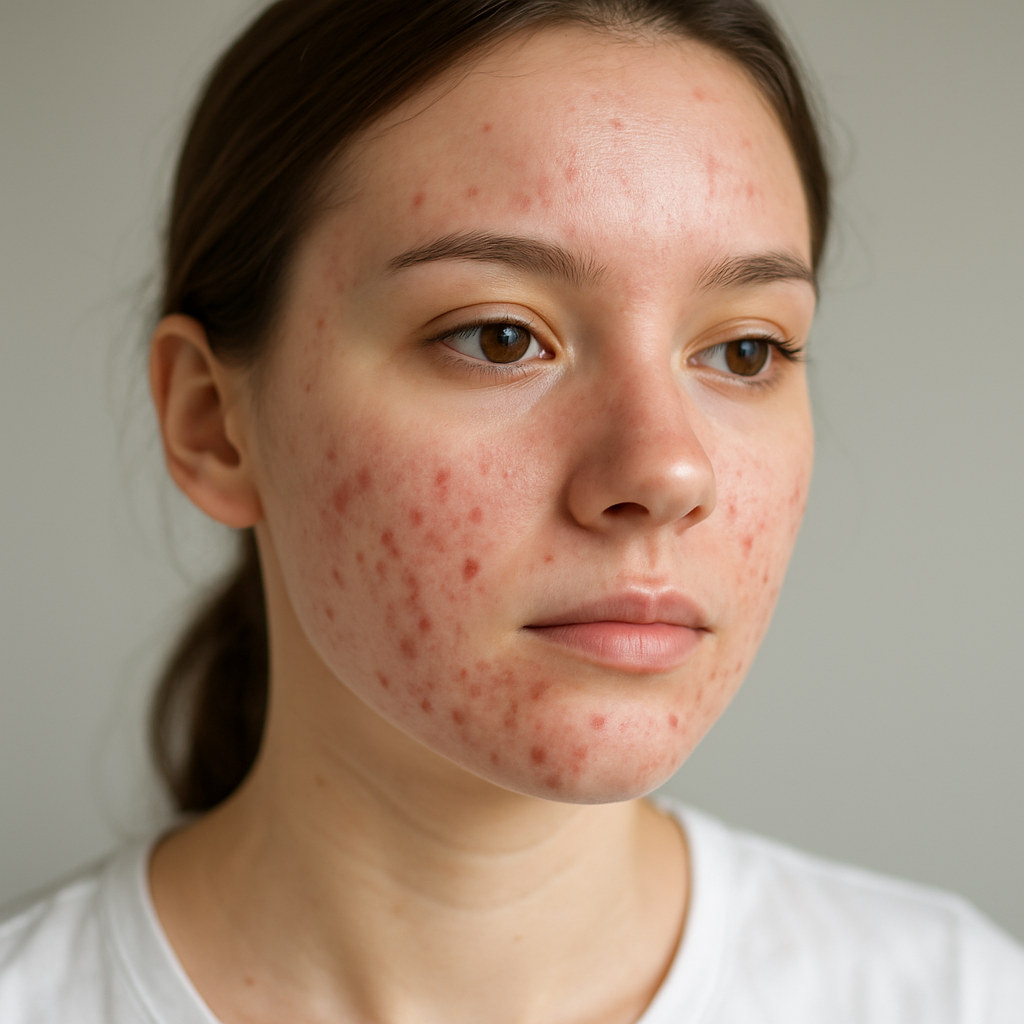
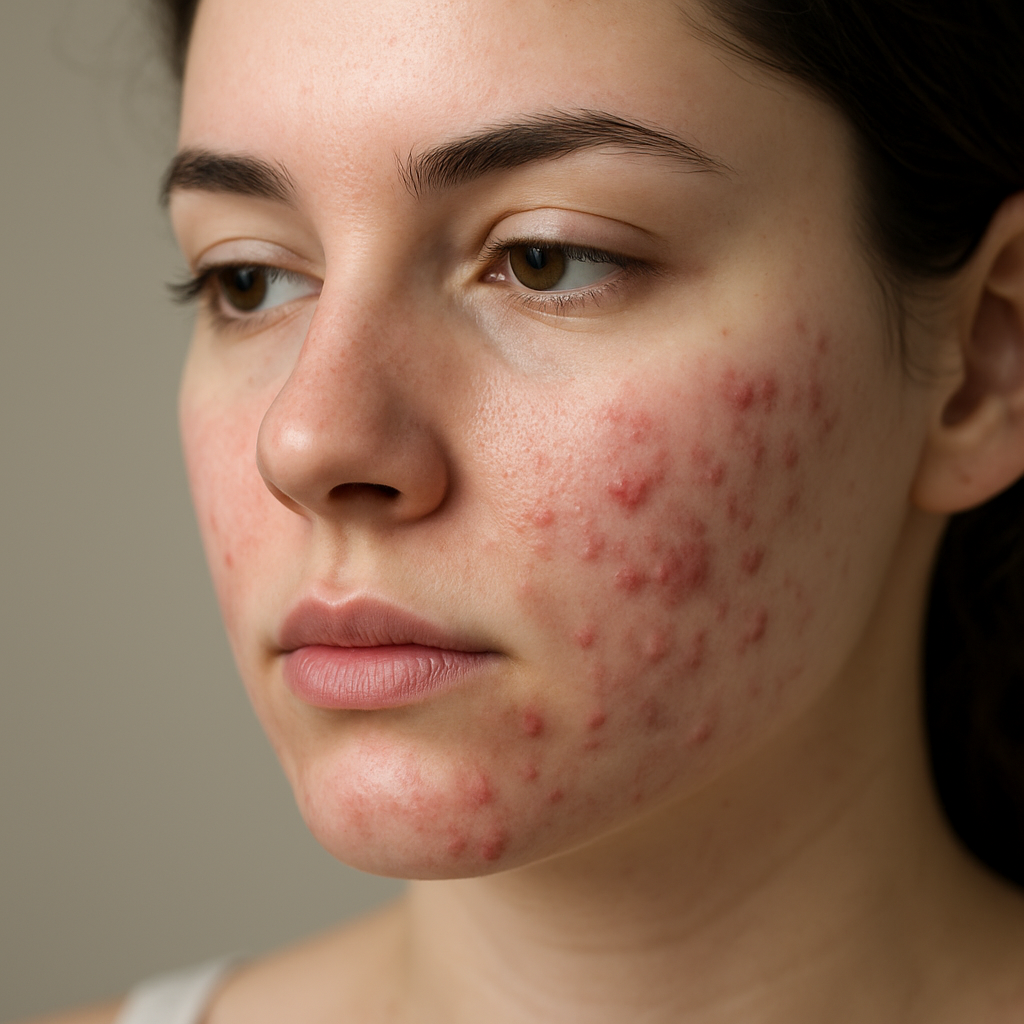
Appearance characteristics differ dramatically. Acne presents as blackheads, whiteheads, papules, pustules, and deeper cysts. Rosacea shows persistent redness, visible blood vessels, and sometimes small bumps without blackheads.
Trigger factors separate them further. Acne flares from hormonal changes, stress, and certain products. Rosacea responds to sun exposure, spicy foods, alcohol, and temperature extremes. Understanding these patterns prevents permanent scarring by guiding you toward the right treatment approach from the start.
Understanding Each Condition
Recognizing what you're dealing with starts with understanding the unique characteristics of each skin condition. While they may look similar at first glance, acne, rosacea, and folliculitis have distinct patterns that help distinguish them from one another.
“The key to effective treatment lies in accurate identification—treating rosacea like acne can actually make your skin worse.”
Acne Vulgaris represents the most common inflammatory skin condition, affecting the face, chest, back, shoulders, and upper arms where oil glands are most active. This condition develops when excess sebum production combines with dead skin cells to clog pores, creating an environment where bacteria thrive. You'll recognize acne by its characteristic mix of blackheads, whiteheads, red bumps (papules), pus-filled lesions (pustules), and sometimes deeper nodules or cysts. Hormonal changes during puberty, menstruation, or pregnancy often trigger breakouts, though family history, oily skin, certain cosmetics, stress, and dietary factors also play roles. The good news is that while acne can be persistent, proper treatment prevents the permanent scarring that many people fear.
Rosacea appears primarily on the central face as persistent redness, visible blood vessels, and sometimes small red bumps that resemble acne. Unlike acne, rosacea rarely involves blackheads or whiteheads and typically affects adults over 30. Common triggers include sun exposure, spicy foods, alcohol, hot beverages, stress, and extreme temperatures. The condition often worsens without proper management.
Folliculitis shows up as small red or white bumps around hair follicles, often appearing after shaving, waxing, or wearing tight clothing. Bacterial infection of the hair follicle causes these uniform, itchy bumps that can occur anywhere hair grows. Unlike acne's varied appearance, folliculitis presents as consistent, small pustules clustered around hair.
Side-by-Side Comparison
Comparing skin conditions side-by-side reveals distinct patterns that help identify what you're dealing with. While Acne Vulgaris and Rosacea may both cause facial redness and bumps, their differences become clear when you examine specific characteristics.
Age differences provide the first major clue. Acne Vulgaris primarily strikes during adolescence and early adulthood, affecting 85% of people aged 12-24 years. Rosacea typically emerges after age 30, most commonly affecting adults between 40-60 years old.
Location patterns also differ significantly. Acne appears across multiple body sites including face, chest, back, shoulders, and upper arms wherever sebaceous glands concentrate. Rosacea restricts itself almost exclusively to the central face - cheeks, nose, chin, and forehead.
Visual appearance creates another clear distinction. Acne presents with blackheads, whiteheads, papules, pustules, and sometimes deeper nodules or cysts. The skin often appears oily with varying lesion types present simultaneously. Rosacea shows persistent redness, visible blood vessels, and inflammatory papules without comedones (blackheads or whiteheads).
Trigger differences matter for daily management. Acne responds to hormonal changes, certain cosmetics, and dietary factors like dairy or high-glycemic foods. Rosacea flares from sun exposure, hot beverages, spicy foods, alcohol, temperature extremes, and emotional stress.
Treatment approaches diverge based on underlying causes. Acne benefits from topical retinoids, benzoyl peroxide, antibiotics, and hormonal therapy targeting excess sebum production and bacterial colonization. Rosacea requires gentle anti-inflammatory treatments, sun protection, and trigger avoidance rather than aggressive acne medications that often worsen rosacea symptoms.
Understanding these distinctions prevents inappropriate treatment choices that could worsen your condition or delay improvement, addressing concerns about prolonged skin issues.
Common Misdiagnosis Scenarios
Many patients struggle to distinguish between similar-looking skin conditions, leading to frustration and delayed treatment. Understanding these common mix-ups can prevent you from using the wrong products that might worsen your skin or cause permanent scarring.
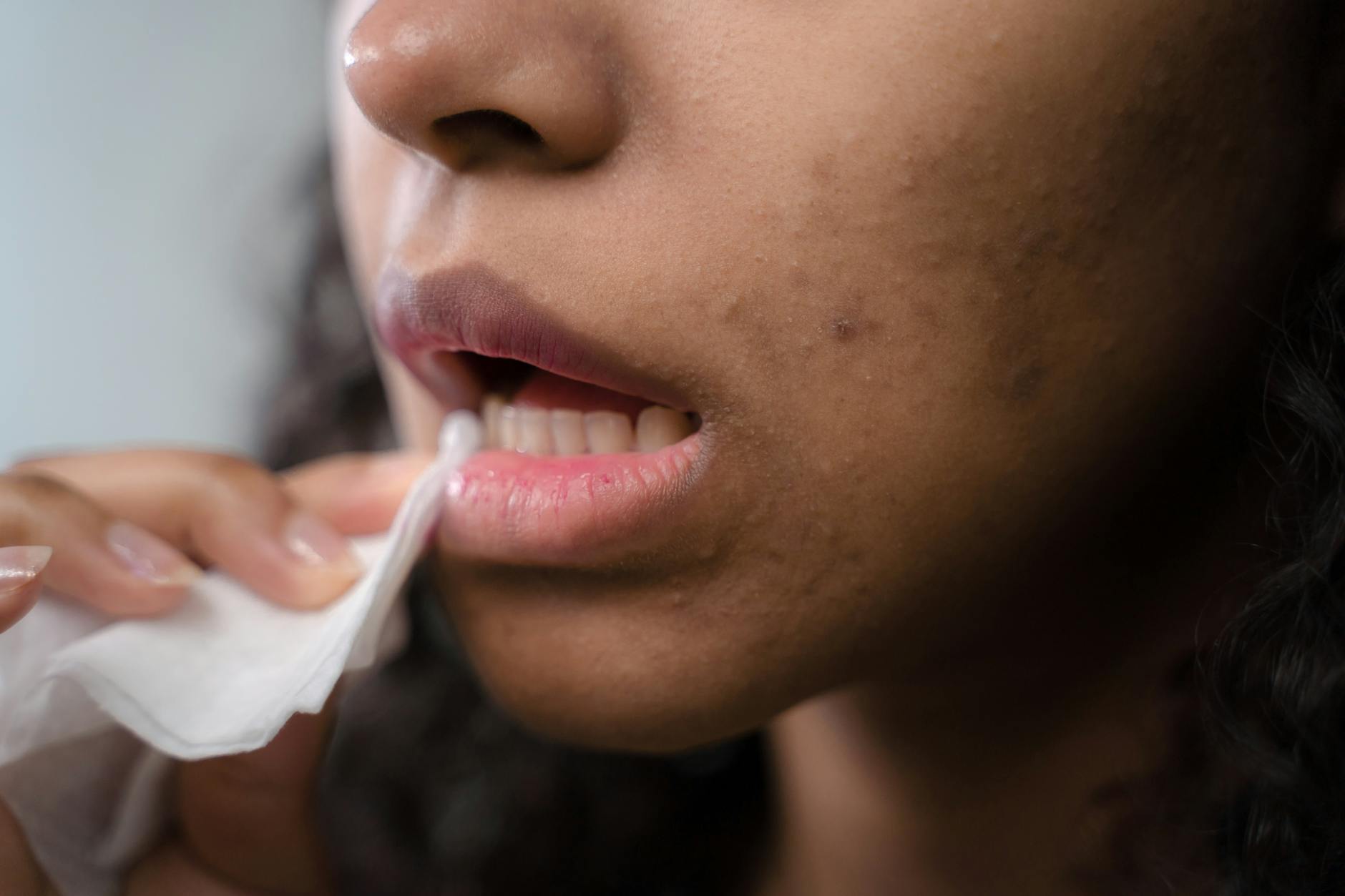
Adult women frequently confuse Hormonal Acne with Rosacea because both cause redness and bumps on the face. Hormonal Acne typically appears as deep, painful cysts along the jawline and chin that worsen before menstruation. Rosacea creates persistent redness across the central face with visible blood vessels and rarely produces true blackheads or whiteheads.
Folliculitis presents another diagnostic challenge. This bacterial infection of hair follicles creates small, pus-filled bumps that look remarkably similar to acne pustules. The key difference lies in distribution patterns: folliculitis appears wherever you have body hair and often follows shaving or tight clothing irritation, while acne concentrates in oil-rich areas.
Location serves as your best diagnostic clue. Hormonal Acne clusters around the mouth, jawline, and chin area, particularly in women experiencing menstrual cycles or hormonal changes. When similar-looking bumps appear across your cheeks, nose, and forehead with persistent background redness, suspect rosacea instead.
Professional evaluation becomes essential when over-the-counter treatments fail after six weeks. Dermatologists can perform simple tests to distinguish between these conditions, preventing months of ineffective self-treatment that might lead to scarring or worsened symptoms.
Treatment Differences That Matter
Getting the right diagnosis makes all the difference in clearing your skin effectively. Each skin condition responds to specific treatments, and using the wrong approach can delay healing or even make symptoms worse.
Acne Vulgaris treatments target the four main causes: excess oil production, clogged pores, bacteria, and inflammation. Topical retinoids like tretinoin prevent dead skin cells from blocking pores, while benzoyl peroxide kills acne bacteria. For moderate to severe cases, antibiotics reduce inflammation and bacterial growth. Hormonal therapy helps women with hormone-related breakouts, and isotretinoin provides the strongest treatment for severe cystic acne.
Rosacea requires a completely different approach. This condition worsens with heat, sun exposure, and harsh ingredients that work well for acne. Rosacea treatments focus on gentle care with metronidazole gel, azelaic acid, or oral antibiotics like doxycycline. Patients must avoid alcohol-based products and physical scrubs that trigger flare-ups.
Folliculitis treatment depends on the underlying cause. Bacterial folliculitis responds to topical or oral antibiotics, while fungal types need antifungal medications. Hot tub folliculitis often clears on its own with proper hygiene.
Using acne treatments on rosacea commonly backfires. Retinoids and benzoyl peroxide can cause severe irritation, redness, and burning in rosacea patients. Similarly, treating bacterial folliculitis with acne medications won't address the infection properly.
The wrong treatment wastes valuable time and money while your skin condition persists or worsens. More concerning, aggressive acne treatments used on sensitive rosacea skin can cause permanent damage and increased scarring risk. Starting with the correct diagnosis and targeted treatment plan gives you the fastest path to clear, healthy skin.
When to See a Dermatologist
Some skin conditions require professional evaluation to prevent lasting damage. Recognizing when to seek help protects your skin from permanent scarring and ensures you receive the right treatment from the start.
Several red flags warrant immediate dermatological attention. Deep, painful cysts that feel warm to the touch signal severe acne that responds poorly to over-the-counter treatments. Sudden appearance of new bumps, rashes, or lesions that don't match typical acne patterns could indicate other conditions requiring specialized care. Any skin changes accompanied by fever, spreading redness, or significant pain need prompt evaluation.
Professional diagnosis prevents months of ineffective self-treatment. Dermatologists use specialized tools and training to distinguish between conditions that appear similar but require different approaches. This accuracy saves time, money, and prevents worsening of your condition.
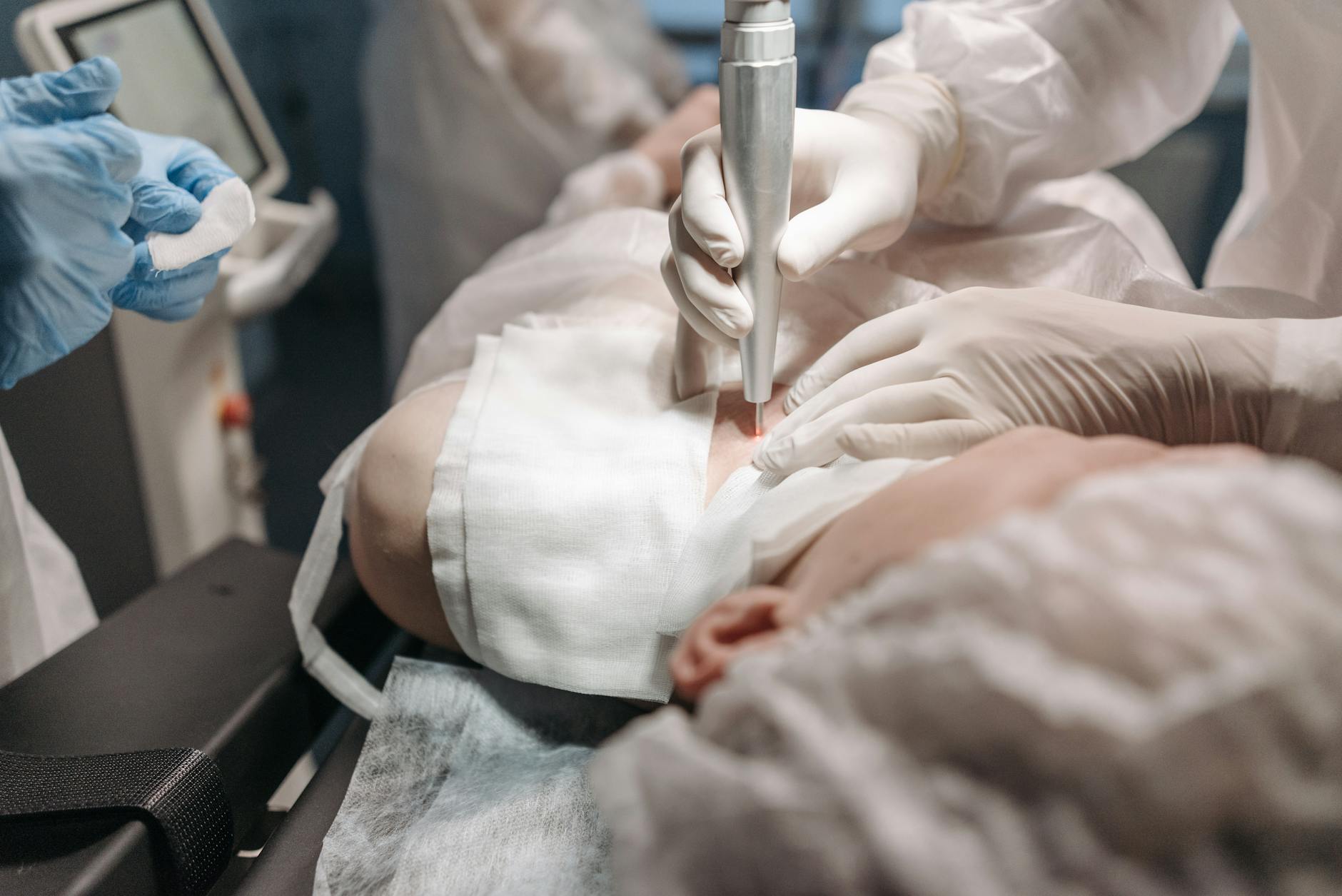
During evaluation, expect a thorough skin examination, detailed medical history discussion, and possibly skin sampling or photography for documentation. Many dermatologists offer same-day treatment plans, helping you start effective therapy immediately rather than continuing to guess about your condition.
Your Next Steps
Start with honest self-assessment of your skin condition. Take photos in good lighting and track patterns over two weeks. Note when breakouts occur, their severity, and what areas they affect most. This documentation helps distinguish Acne Vulgaris from conditions like folliculitis or seborrheic dermatitis.
Use benzoyl peroxide or salicylic acid for mild comedones and papules for 6-8 weeks.
See a dermatologist if you have painful nodules, scarring, or no improvement after two months.
Document changes with photos and symptom logs to help your dermatologist optimize treatment.
Don't let fear of scarring delay treatment. Early intervention prevents permanent damage and social discomfort. Remember that Acne Vulgaris affects 85% of people aged 12-24, making it highly treatable with proper identification and care.
Accurate diagnosis through tracking symptoms and seeking timely professional help leads to faster, more effective treatment outcomes.
Frequently Asked Questions
How can I tell the difference between acne and rosacea?
Age of onset is the biggest clue - acne typically starts during puberty and affects 85% of people aged 12-24, while rosacea usually appears after age 30. Acne presents as blackheads, whiteheads, and various types of bumps across the face, chest, back, and shoulders, while rosacea shows persistent redness and visible blood vessels primarily on the central face without blackheads. Their triggers also differ, with acne flaring from hormonal changes and stress, while rosacea responds to sun exposure, spicy foods, alcohol, and temperature extremes.
What age does acne usually start and when does rosacea begin?
Acne Vulgaris typically strikes during puberty and early adulthood, affecting 85% of people between ages 12-24. Rosacea, however, waits much longer and typically appears after age 30, often targeting fair-skinned adults in their forties.
Where on the body do acne and rosacea typically appear?
Acne spreads across multiple areas including the face, chest, back, shoulders, and upper arms - anywhere sebaceous glands cluster together. Rosacea stays centered specifically on the face, particularly affecting the cheeks, nose, chin, and forehead areas.
What triggers acne breakouts versus rosacea flare-ups?
Acne flares are typically triggered by hormonal changes, stress, certain skincare products, family history, and dietary factors. Rosacea responds to different triggers including sun exposure, spicy foods, alcohol consumption, hot beverages, stress, and extreme temperature changes.
What does folliculitis look like compared to acne?
Folliculitis appears as small red or white bumps around hair follicles, often showing up after shaving, waxing, or wearing tight clothing. Unlike acne's varied appearance with different types of lesions, folliculitis presents as consistent, small pustules that are clustered together and typically itchy.
Disclaimer: This content is for informational purposes only and does not constitute medical advice. Always consult a qualified healthcare provider before making health decisions.