What Are Retinol Side Effects?

Retinol side effects are temporary skin reactions that occur when you start using this vitamin A derivative. These reactions happen because retinol stimulates rapid cell turnover, causing your skin to shed old cells faster than usual. Your skin needs time to adjust to this accelerated process.
“Side effects don't mean retinol isn't working – they often signal that the product is actively improving your skin.”
The most common side effects include redness, dryness, peeling, and mild irritation. While these symptoms might cause temporary social discomfort, they won't cause permanent scarring when managed properly. Most people experience these effects during their first few weeks of use as their skin builds tolerance.
Understanding that retinol side effects are part of the normal adjustment process helps you stick with your routine. These initial reactions typically fade within two to four weeks as your skin adapts to increased cell renewal.
Common Retinol Side Effects to Expect

When you start using retinol, your skin needs time to adjust to this vitamin A derivative. Understanding what to expect helps you distinguish between normal adjustment reactions and signs that require attention.
Dryness and flaking occur as retinol accelerates cell turnover, causing your skin to shed old cells faster than usual. This creates temporary peeling that resembles a mild sunburn. Your skin naturally produces more moisture as it adapts, typically within 2-4 weeks.
"Most retinol side effects are temporary signs that your skin is responding to treatment, not permanent damage."
Redness and irritation appear because retinol stimulates blood flow and increases sensitivity. You might notice pink or red patches, especially around your eyes and mouth where skin is thinner.
Initial breakouts, called "purging," happen when retinol brings underlying clogs to the surface faster. This temporary worsening lasts 4-6 weeks before improvement begins.
Increased sun sensitivity develops because retinol thins your outer skin layer, making UV damage more likely. Daily sunscreen becomes essential for preventing the scarring and discoloration you want to avoid.
How to Minimize Retinol Side Effects
The good news is that retinol side effects are temporary and preventable with the right approach. Most irritation occurs because people start too aggressively or skip essential supportive steps in their routine.
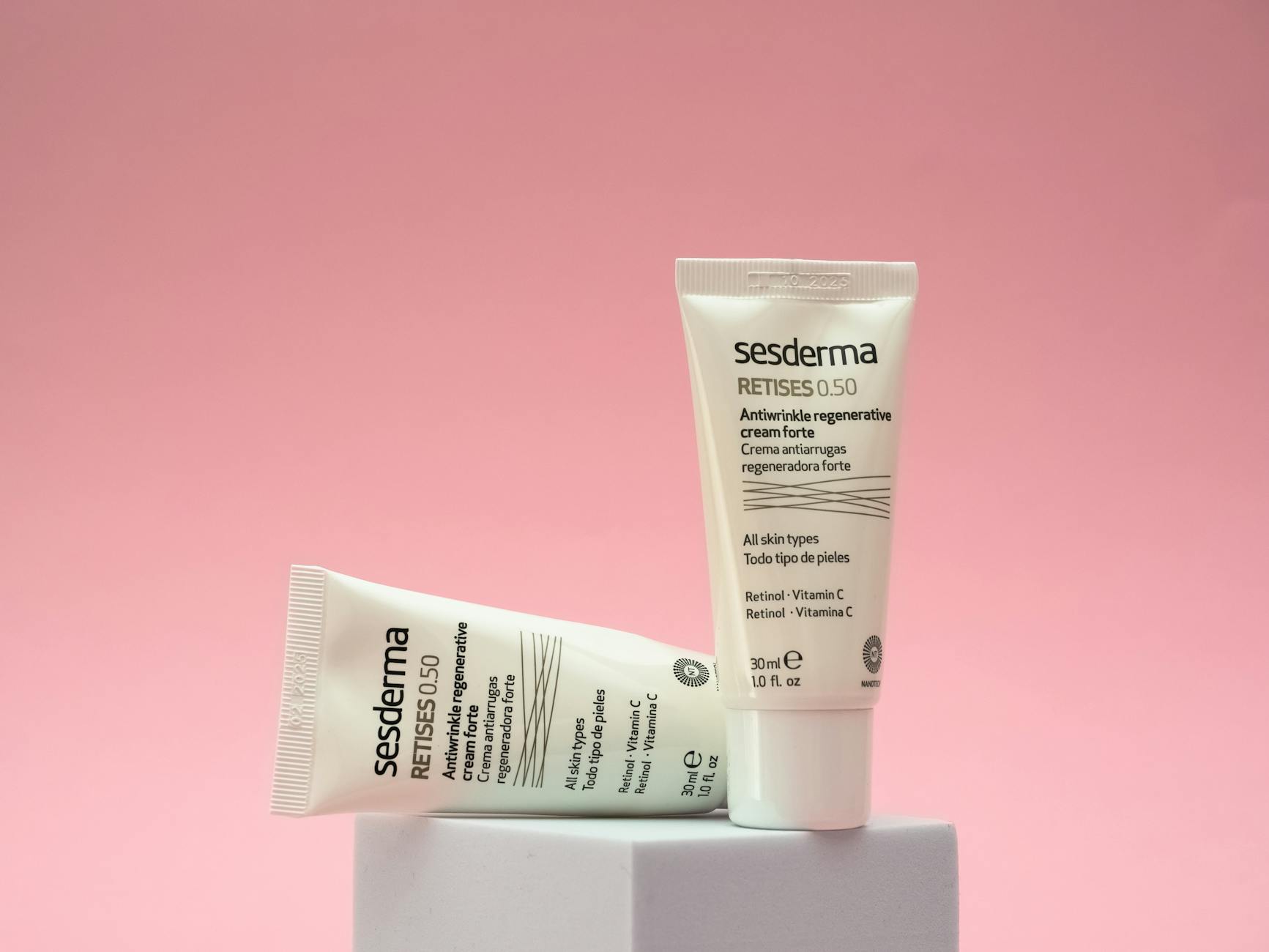
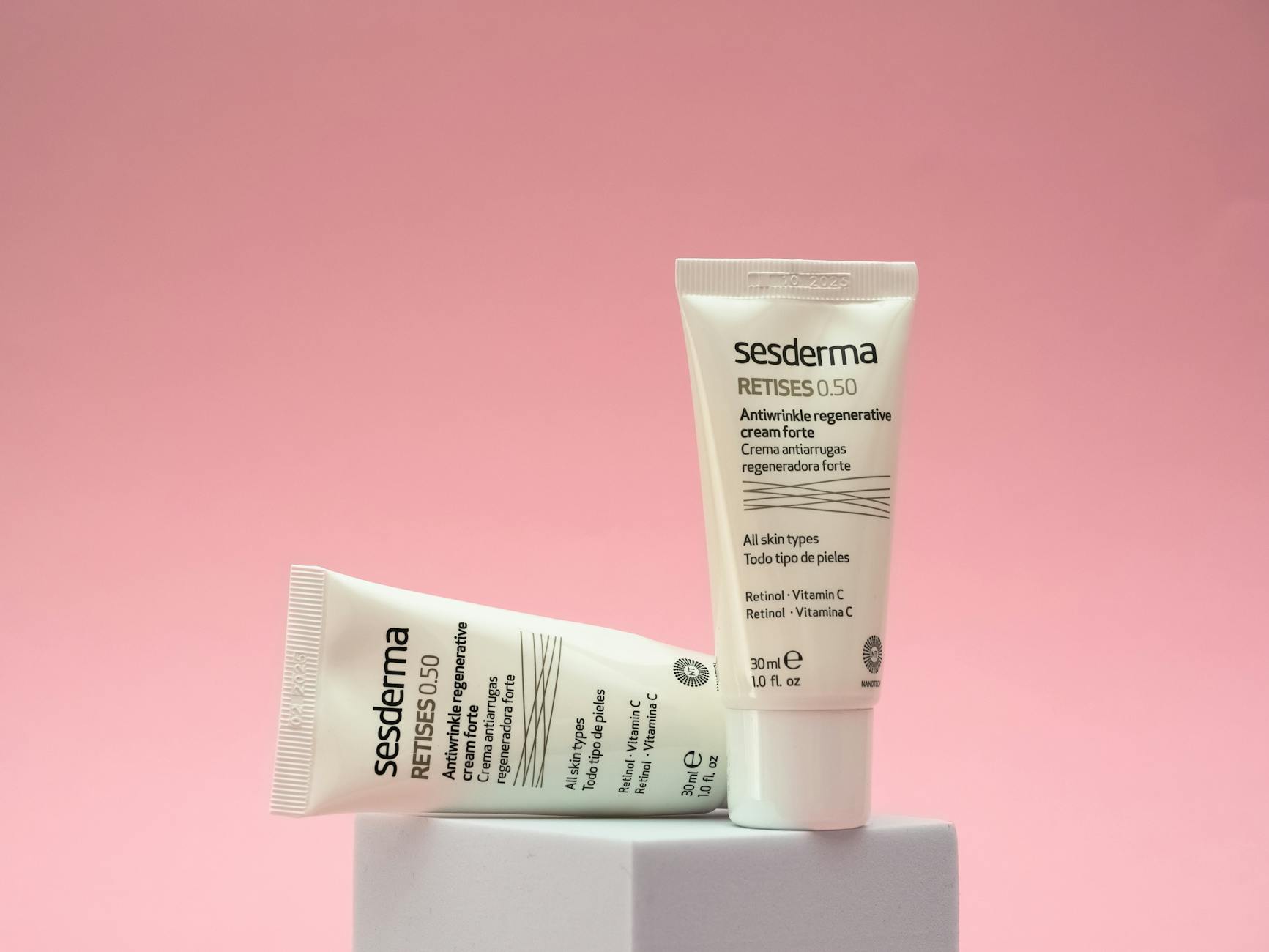
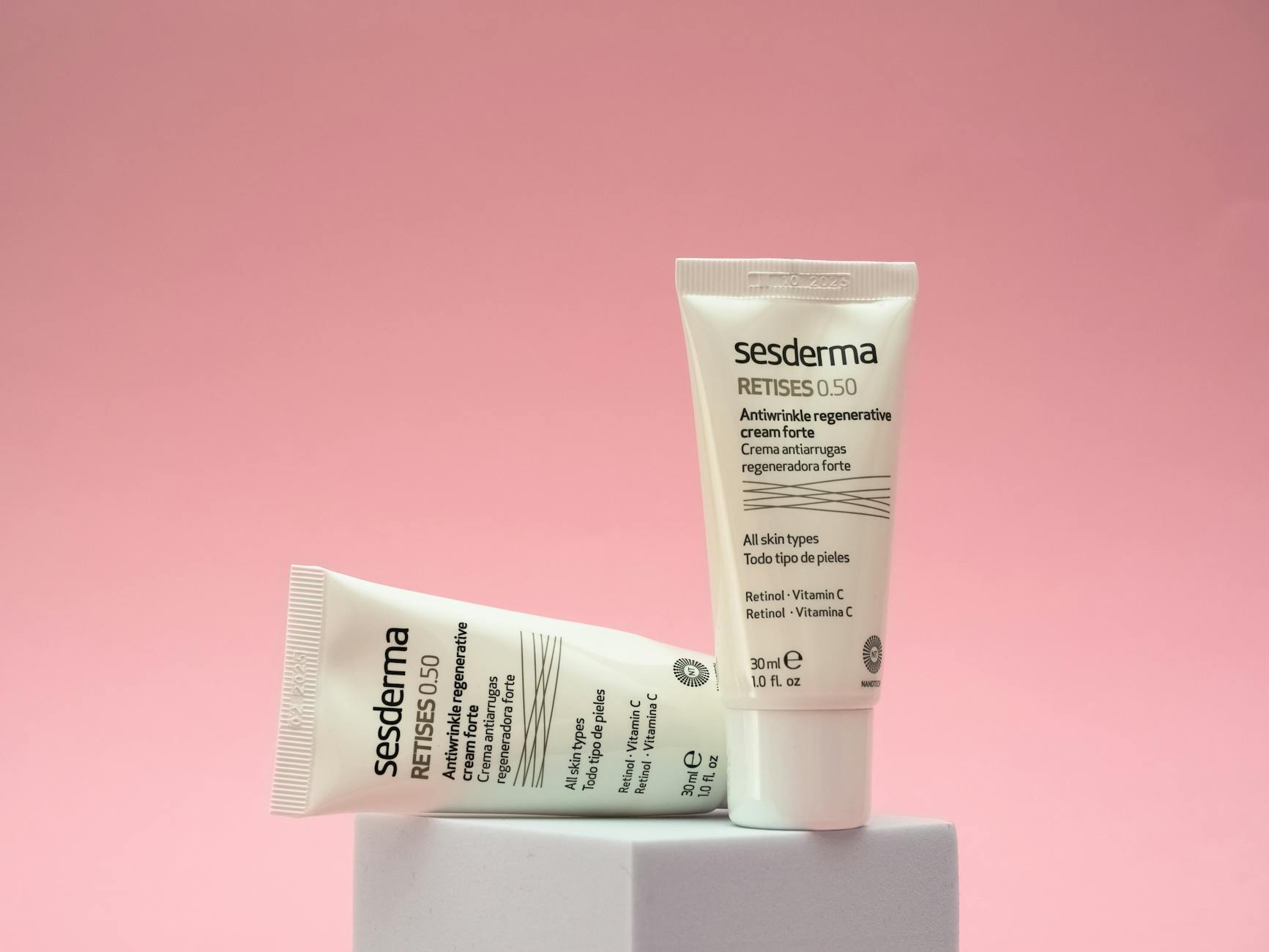
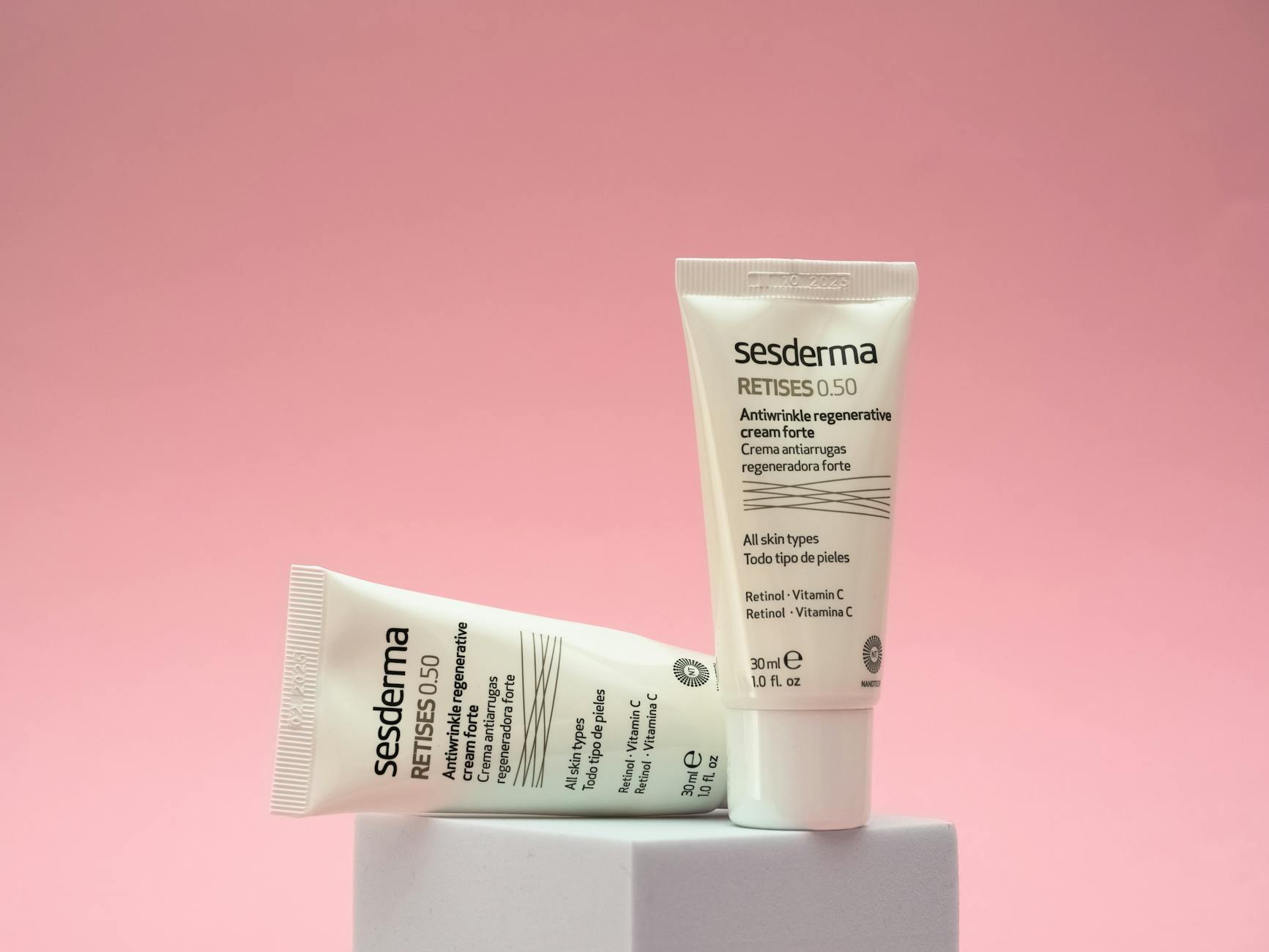
Begin with 0.25% or 0.5% retinol concentration and use it only once or twice per week.
Apply hyaluronic acid serum before retinol to create a moisture barrier that reduces irritation.
Mix retinol with your moisturizer or apply moisturizer first to dilute the strength initially.
Use niacinamide in your morning routine to strengthen skin and reduce inflammation.
Never skip sunscreen during the day, as retinol makes your skin more photosensitive. Increase frequency gradually over 4-6 weeks as your skin builds tolerance. If you experience severe peeling or burning, reduce frequency rather than stopping completely.
What to Do If Side Effects Occur

Don't panic if retinol irritation develops—these reactions are temporary and won't cause permanent scarring with proper management. Your skin is simply adjusting to this powerful ingredient.
Cut back to every third night or once weekly until irritation subsides.
Apply Hyaluronic Acid serum followed by a rich moisturizer twice daily to restore barrier function.
Pause retinol use for 3-5 days if redness or peeling becomes uncomfortable.
Contact a dermatologist if you experience severe burning, blistering, or reactions that worsen after stopping treatment. These symptoms may indicate an allergic reaction requiring professional intervention.
When Retinol Side Effects Should Concern You
Most retinol side effects are temporary and harmless, but certain signs require immediate attention. Stop using retinol if you develop severe swelling, blistering, or widespread rash—these indicate allergic reactions. Persistent burning, deep irritation that worsens after four weeks, or open wounds signal your skin cannot tolerate the product.
Contact a dermatologist if redness spreads beyond application areas or if you experience fever alongside skin reactions. While temporary irritation won't cause permanent scarring, continuing retinol when your skin shows severe distress can lead to lasting damage and delay your goal of clear skin.
Trust your instincts—severe or worsening reactions after weeks of use mean retinol isn't right for your skin.
Frequently Asked Questions
What are retinol side effects?
Retinol side effects are temporary skin reactions that occur when you start using this vitamin A derivative. The most common side effects include redness, dryness, peeling, and mild irritation. These reactions happen because retinol stimulates rapid cell turnover, causing your skin to shed old cells faster than usual. Most people experience these effects during their first few weeks of use as their skin builds tolerance.
How long do retinol side effects last?
Retinol side effects typically fade within two to four weeks as your skin adapts to increased cell renewal. Your skin naturally produces more moisture as it adjusts to the accelerated cell turnover process. Initial breakouts or purging may last 4-6 weeks before improvement begins.
How can I minimize retinol side effects?
Start with a low concentration (0.25% or 0.5%) and use retinol only once or twice per week initially. Apply a hyaluronic acid serum before retinol to create a moisture barrier and reduce irritation. You can also buffer retinol by mixing it with moisturizer or applying moisturizer first to dilute the strength. Always use sunscreen during the day as retinol increases sun sensitivity.
Is it normal to experience breakouts when starting retinol?
Yes, initial breakouts called "purging" are normal when starting retinol. This happens when retinol brings underlying clogs to the surface faster than usual. This temporary worsening typically lasts 4-6 weeks before improvement begins, and it's actually a sign that the product is working to clear your skin.
Does retinol make your skin more sensitive to the sun?
Yes, retinol increases sun sensitivity because it thins your outer skin layer, making UV damage more likely. Daily sunscreen becomes essential when using retinol to prevent scarring and discoloration. Never skip sunscreen during the day while using retinol products.
Disclaimer: This content is for informational purposes only and does not constitute medical advice. Always consult a qualified healthcare provider before making health decisions.