Why Your Hands Need a Structured Moisturizing Routine

Your hands face daily challenges that other parts of your body simply don't encounter. Hand skin is naturally thinner and more vulnerable than skin on your arms or legs, making it susceptible to damage from routine activities. The protective barrier that keeps moisture in and irritants out becomes compromised more easily.
“Hand skin is naturally thinner and more vulnerable than skin on your arms or legs, making it susceptible to damage from routine activities.”
Frequent handwashing strips away your skin's natural oils faster than your body can replace them. While proper hygiene protects your health, each wash removes the lipid layer that maintains skin hydration. Environmental factors accelerate this process through sun exposure, cold temperatures, and dry indoor air that pull moisture from your skin.
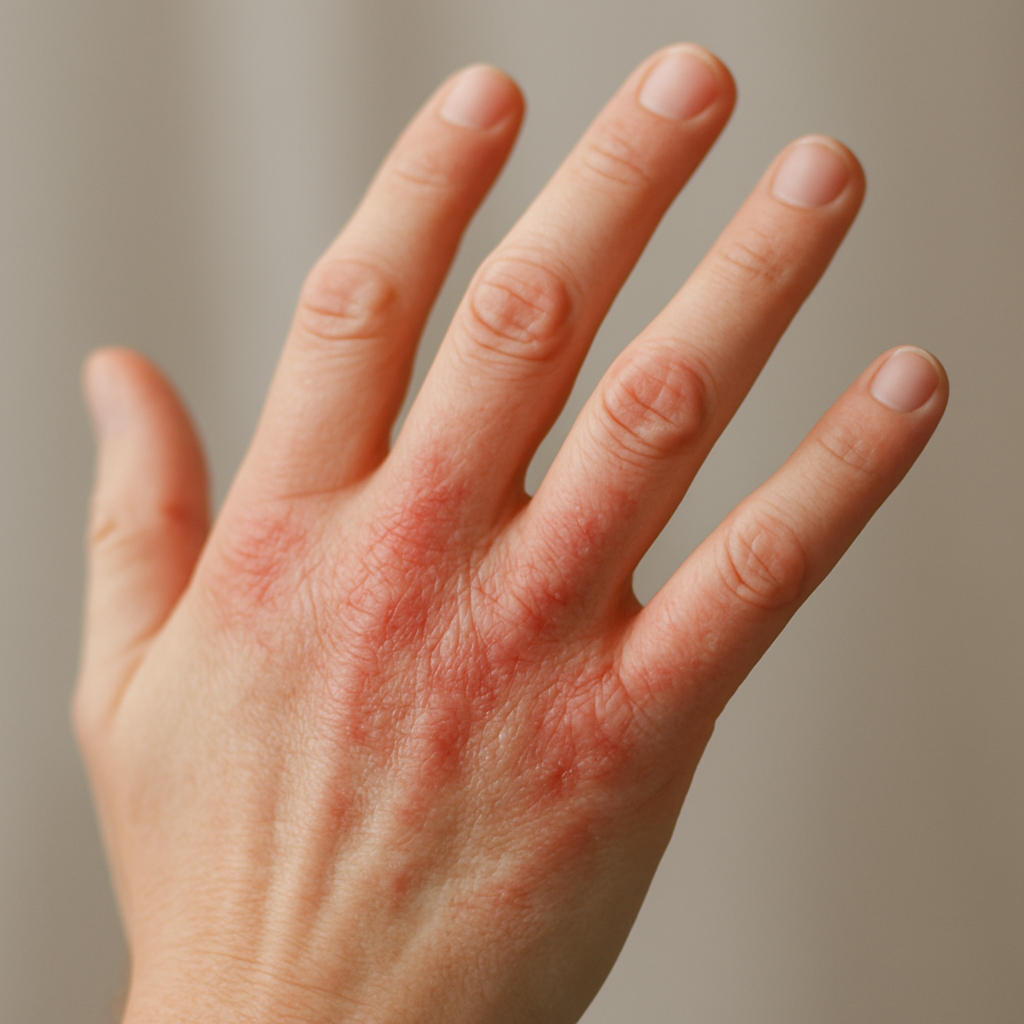
Without a structured moisturizing routine, these daily stressors lead to visible signs of premature aging, including dry patches, fine lines, and age spots. More concerning for many patients is the potential for cracked skin that can become infected or leave lasting marks. Dermatitis and chronic dryness create uncomfortable symptoms that interfere with daily activities.
A proper hand moisturizing routine prevents these common problems before they develop into more serious skin conditions requiring medical intervention.
Essential Components of Hand Moisturizing Products
Understanding what makes an effective hand moisturizer helps you choose products that actually work for your hands rather than just feeling nice for a few minutes. Quality hand moisturizers contain three essential ingredient categories that work together to restore and protect your skin barrier.
“The best hand moisturizers combine humectants, emollients, and occlusives to address multiple layers of skin hydration.”
Humectants draw moisture from the environment into your skin. Look for ingredients like hyaluronic acid, glycerin, and sodium PCA on product labels. These molecules can hold up to 1000 times their weight in water, making them powerful hydrators for dry hands.
Emollients smooth rough skin by filling in tiny gaps between skin cells. Common examples include ceramides, squalane, and plant oils like jojoba or argan oil. These ingredients make your hands feel softer immediately after application and help prevent the rough, flaky texture that can feel embarrassing in professional or social situations.
Occlusives create a protective barrier on your skin's surface to prevent water loss. Petrolatum, dimethicone, and shea butter are effective occlusives that lock in the moisture provided by humectants and emollients.
Some hand moisturizers also contain active ingredients for specific concerns. Niacinamide reduces inflammation and can help fade age spots, while urea acts as both a humectant and gentle exfoliant for severely dry or cracked skin. Products with SPF protect against UV damage that contributes to premature aging and dark spots on your hands.
Daily Hand Moisturizing Routine

Creating a consistent daily routine prevents dry, cracked hands that can become irritated or infected. Your hands face constant challenges from washing, sanitizing, and environmental exposure throughout the day, making regular moisturizing essential for maintaining healthy skin barriers.
Apply moisturizer after your morning hand wash to create a protective barrier for the day ahead.
Moisturize immediately after each hand washing while skin is still slightly damp to lock in moisture.
Reapply lightweight moisturizer every 3-4 hours or after using hand sanitizer to maintain hydration.
Use a thicker night cream before bed to allow deeper repair while you sleep.
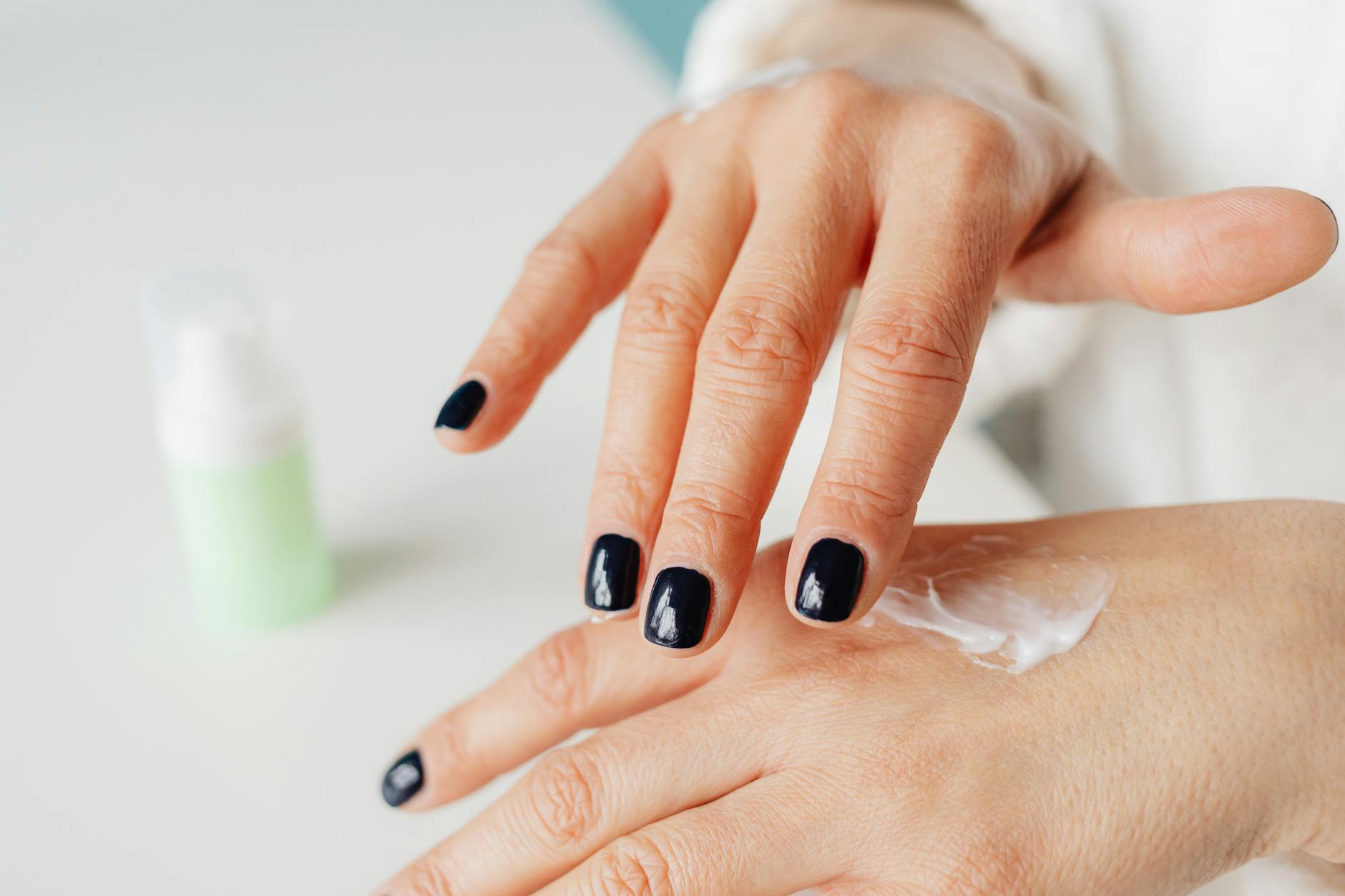
Master proper application technique for maximum effectiveness. Start with a dime-sized amount of moisturizer in your palm. Rub your palms together first, then work the product over the backs of your hands, between fingers, and around cuticles. Pay special attention to knuckles and fingertips where skin tends to crack most easily.
Timing matters significantly for hand care success. Apply moisturizer while your hands are still slightly damp from washing, as this helps trap moisture in the skin. Keep a small tube of hand cream in your car, desk drawer, and purse for easy access throughout the day.
Different activities require different approaches. After gardening, cooking, or cleaning, wash hands gently and apply a barrier repair cream. For very dry or cracked areas, consider using a thick ointment at night and wearing cotton gloves to enhance absorption.
Your body produces less natural oils as you age, making consistent moisturizing even more crucial for preventing painful cracks that could become entry points for bacteria. Regular moisturizing prevents these issues from developing in the first place.
Weekly Deep Moisturizing Treatment
Beyond daily care, your hands need intensive weekly treatments to repair damage and prevent future skin problems. This deeper approach targets stubborn dryness and builds stronger skin barriers that resist environmental stressors.
Use a sugar-based scrub or soft washcloth to remove dead skin cells without creating micro-tears.
Apply a thick layer of petroleum jelly or specialized hand mask, focusing on knuckles and dry patches.
Cover treated hands with cotton gloves and leave overnight for maximum absorption.
Push back cuticles gently after softening and apply cuticle oil to prevent hangnails and rough edges.
Choose Sunday evenings for this routine when you have time to let treatments work undisturbed. Start with clean, dry hands for better product absorption. The same techniques work effectively for your feet, which have thicker skin prone to dryness and calluses.
This intensive care prevents the buildup of damaged skin cells that can lead to visible scarring or persistent dry patches. Regular weekly treatments maintain healthy skin appearance and reduce the embarrassment of rough, flaky hands in social situations.
For example, healthcare workers who wash hands frequently find that weekly petroleum jelly treatments under cotton gloves restore softness that daily moisturizer alone cannot achieve. The overnight approach allows deeper penetration without interference from daily activities.
Seasonal Adjustments and Special Circumstances
Your hands face different challenges throughout the year, requiring strategic adjustments to maintain healthy skin regardless of conditions.
Winter demands the most intensive protection. Cold air holds less moisture, while indoor heating creates bone-dry environments that strip natural oils from your hands. Apply a thicker, occlusive moisturizer containing ceramides or petrolatum before venturing outside. Wear gloves during outdoor activities and keep a travel-size cream in your coat pocket for frequent reapplication.
Summer brings its own set of concerns. UV exposure accelerates aging and can worsen existing skin conditions. Choose lightweight moisturizers with SPF 30 or higher for daytime use. The increased activity and sweating may require more frequent washing, so switch to gentler cleansers to prevent over-drying.
Your work environment significantly impacts hand health. Healthcare workers, food service employees, and anyone using harsh chemicals need barrier creams applied before shifts. Reapply moisturizer immediately after removing gloves to prevent trapped moisture from causing irritation.
Post-illness recovery requires gentle rebuilding of your skin barrier. Extended periods of frequent hand sanitizing or medication side effects can leave hands severely compromised. Focus on repair-oriented ingredients like niacinamide and hyaluronic acid, avoiding fragranced products that might trigger sensitivity reactions.
Common Mistakes and How to Avoid Them

Even with the best intentions, small mistakes can sabotage your hand moisturizing routine. Understanding these pitfalls helps you avoid setbacks and maintain healthy hands consistently.
Using the wrong product types ranks as the most frequent error. Lightweight lotions work well for normal skin, but severely dry hands need thicker creams or ointments. Body lotions often lack the concentrated ingredients your hands require. Choose products specifically formulated for hands or containing ceramides and hyaluronic acid.
Timing mistakes undermine your efforts significantly. Many people apply moisturizer to wet hands, which dilutes the product and reduces effectiveness. Always dry your hands thoroughly first. Similarly, waiting too long after washing creates a window where moisture escapes rapidly through your skin barrier.
Neglecting problem areas between fingers and around nails leads to persistent dry patches. These spots need extra attention during application. Over-moisturizing concerns are largely unfounded—your hands can handle frequent application better than other body areas due to their thick skin and constant exposure to harsh conditions.
Building Your Personal Hand Care Routine
Creating an effective hand care routine starts with honest assessment of your current condition. Examine your hands for dryness, cracks, redness, or irritation patterns. Note when symptoms worsen—after dishwashing, cold weather exposure, or frequent sanitizer use. This baseline helps you choose targeted products and track improvements over time.
Document dry patches, sensitivity areas, and irritation triggers affecting your hands.
Factor in your work environment, climate, and daily activities that impact hand health.
Choose moisturizers and treatments based on your specific needs and skin sensitivity level.
Track changes weekly and adjust products or frequency based on results.
Your occupation significantly influences product selection. Healthcare workers need barrier creams, while office workers may focus on preventing computer-related dryness. Unlike body moisturizing which can follow seasonal patterns, hands require consistent daily attention regardless of weather.
Start with basic products and gradually introduce specialized treatments. Keep a hand cream at your desk, in your car, and by your kitchen sink for convenient reapplication throughout the day.
Customize your routine based on your specific lifestyle and hand condition, then adjust products and timing as you track your progress.
Frequently Asked Questions
Why do hands need a moisturizing routine more than other body parts?
Hand skin is naturally thinner and more vulnerable than skin on your arms or legs, making it susceptible to damage from routine activities. Frequent handwashing strips away your skin's natural oils faster than your body can replace them, while environmental factors like sun exposure, cold temperatures, and dry indoor air accelerate moisture loss. Without proper care, these daily stressors lead to premature aging, dry patches, fine lines, and potentially infected cracked skin.
What ingredients should I look for in a good hand moisturizer?
The best hand moisturizers combine three essential ingredient categories: humectants, emollients, and occlusives. Humectants like hyaluronic acid, glycerin, and sodium PCA draw moisture from the environment into your skin and can hold up to 1000 times their weight in water. Emollients such as ceramides, squalane, and plant oils smooth rough skin by filling gaps between skin cells, while occlusives like petrolatum, dimethicone, and shea butter create a protective barrier to prevent water loss.
How often should I apply hand moisturizer during the day?
You should apply moisturizer after your morning hand wash to create a protective barrier for the day ahead. Following a post-washing protocol is essential, meaning you should reapply moisturizer every time you wash or sanitize your hands throughout the day. Your hands face constant challenges from washing, sanitizing, and environmental exposure, making regular moisturizing essential for maintaining healthy skin barriers.
Can hand moisturizers help with age spots and skin discoloration?
Yes, some hand moisturizers contain active ingredients specifically for addressing age spots and discoloration. Niacinamide reduces inflammation and can help fade age spots on your hands. Additionally, products with SPF protect against UV damage that contributes to premature aging and dark spots, helping prevent future discoloration while treating existing concerns.
Disclaimer: This content is for informational purposes only and does not constitute medical advice. Always consult a qualified healthcare provider before making health decisions.