What Is Niacinamide?

Niacinamide is a gentle yet powerful form of vitamin B3 that has become a cornerstone ingredient in acne treatment and prevention. Also known by its scientific name nicotinamide, this water-soluble vitamin works at the cellular level to regulate sebum production, minimize pore appearance, and strengthen your skin's protective barrier function.
“Niacinamide provides anti-inflammatory benefits for acne-prone skin without the harsh side effects of stronger treatments.”
Unlike more aggressive acne treatments that can cause irritation and peeling, niacinamide is well-tolerated by most skin types, including sensitive skin. This makes it an excellent choice if you're worried about permanent scarring from harsh treatments or need to maintain clear skin for social and professional confidence. The ingredient works gradually but effectively to prevent future breakouts while improving existing blemishes, offering a balanced approach to acne management that won't compromise your skin's health.
How Niacinamide Works for Your Skin

Niacinamide targets three key skin concerns that often lead to breakouts and long-term damage. This vitamin B3 derivative works at the cellular level to transform how your skin functions, preventing the cascade of events that create acne and scarring.
“Niacinamide regulates sebum production, minimizes pore appearance, strengthens skin barrier function, and provides anti-inflammatory benefits for acne-prone skin.”
The ingredient regulates sebum production by controlling the activity of sebaceous glands. When these glands produce excess oil, pores become clogged and bacteria multiply. Niacinamide essentially tells your glands to produce just enough oil to keep skin healthy without creating the greasy environment where acne thrives.
Your skin barrier acts like a protective wall. Niacinamide strengthens this barrier by increasing ceramide production, keeping irritants out and moisture in. This dual action reduces inflammation while preventing new breakouts from forming in the first place.
Key Benefits and What to Expect
Niacinamide delivers four main benefits that directly address acne concerns. First, it minimizes pore appearance by regulating oil flow within follicles, making your skin look smoother and more refined. Second, it controls oil production by adjusting sebum output to optimal levels – enough to protect your skin barrier, but not so much that it clogs pores.
Third, niacinamide reduces both existing acne and the inflammation that can lead to permanent scarring – addressing one of your biggest concerns about long-term skin damage. Finally, it strengthens your overall skin barrier, helping prevent future breakouts.
Most people notice oil reduction within 2-4 weeks of consistent use. Pore appearance improves around 6-8 weeks, while full benefits typically emerge after 12 weeks of regular application.
How Niacinamide Compares to Other Ingredients
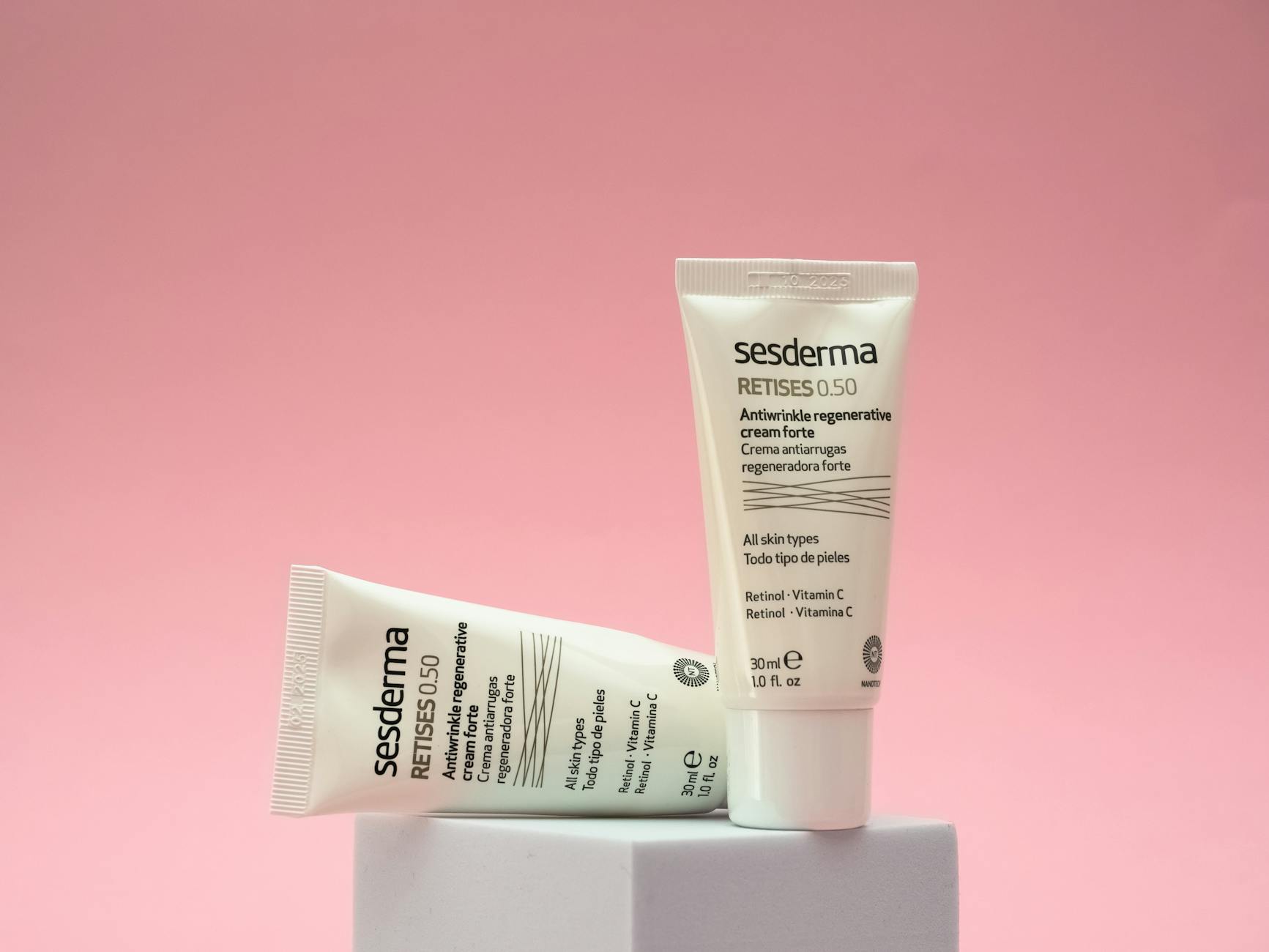
Niacinamide stands out as one of the most beginner-friendly active ingredients in skincare. Unlike Retinol, which can cause irritation, peeling, and initial breakouts that might worsen scarring concerns, niacinamide works gently without a purging phase. This makes it ideal for those worried about temporary skin worsening.
Hyaluronic Acid and niacinamide create an excellent partnership. While hyaluronic acid draws moisture to your skin, niacinamide strengthens your skin barrier to help retain that hydration longer. This combination delivers plumper, healthier-looking skin without irritation.
Salicylic Acid tackles acne through chemical exfoliation, while niacinamide reduces inflammation and controls oil production. Vitamin C focuses on brightening and antioxidant protection, whereas niacinamide primarily calms and strengthens skin. These ingredients can be layered together safely, giving you multiple benefits in one routine without the harsh effects of stronger actives.
Who Should Use Niacinamide

Niacinamide works exceptionally well for people with oily and acne-prone skin, as it regulates sebum production and reduces the appearance of enlarged pores. Its gentle nature makes it perfect for sensitive skin types who cannot tolerate harsher acne treatments without irritation.
Those with combination skin benefit significantly from niacinamide's ability to balance oil production in the T-zone while maintaining hydration in drier areas. The ingredient strengthens your skin barrier function, which helps prevent the scarring and long-term damage that many people worry about when dealing with persistent breakouts.
You can safely use niacinamide daily, morning and evening, making it an ideal choice for consistent skincare routines focused on achieving clear, healthy skin.
Potential Drawbacks and Considerations
While niacinamide is generally well-tolerated by most people, it's not without limitations. Some users experience mild flushing or redness when first starting, though this typically subsides with continued use. The bigger reality check? Niacinamide takes time to work—you won't see dramatic results overnight, which can feel frustrating when you're dealing with breakouts that affect your confidence.
Remember that niacinamide isn't a miracle cure for severe acne or existing scarring. It works best as part of a consistent routine alongside other proven treatments like retinoids or salicylic acid.
Niacinamide is a gentle, evidence-based ingredient that improves skin over weeks, not days, making it ideal for long-term skin health rather than quick fixes.
Frequently Asked Questions
What is niacinamide and how does it help with acne?
Niacinamide is a gentle yet powerful form of vitamin B3 that works at the cellular level to regulate sebum production, minimize pore appearance, and strengthen your skin's protective barrier function. Unlike more aggressive acne treatments that can cause irritation and peeling, niacinamide is well-tolerated by most skin types, including sensitive skin. It provides anti-inflammatory benefits for acne-prone skin without the harsh side effects of stronger treatments.
How long does it take to see results from niacinamide?
Most people notice oil reduction within 2-4 weeks of consistent use. Pore appearance improves around 6-8 weeks, while full benefits typically emerge after 12 weeks of regular application.
What are the main benefits of using niacinamide for skin?
Niacinamide delivers four main benefits: it minimizes pore appearance by regulating oil flow within follicles, controls oil production by adjusting sebum output to optimal levels, reduces both existing acne and inflammation that can lead to permanent scarring, and strengthens your overall skin barrier to help prevent future breakouts. It works gradually but effectively to prevent future breakouts while improving existing blemishes.
How does niacinamide compare to retinol for acne treatment?
Unlike retinol, which can cause irritation, peeling, and initial breakouts that might worsen scarring concerns, niacinamide works gently without a purging phase. This makes it ideal for those worried about temporary skin worsening and one of the most beginner-friendly active ingredients in skincare.
How does niacinamide control oil production in the skin?
Niacinamide regulates sebum production by controlling the activity of sebaceous glands. When these glands produce excess oil, pores become clogged and bacteria multiply. Niacinamide essentially tells your glands to produce just enough oil to keep skin healthy without creating the greasy environment where acne thrives.
Disclaimer: This content is for informational purposes only and does not constitute medical advice. Always consult a qualified healthcare provider before making health decisions.