Understanding Your Acne-Prone Skin

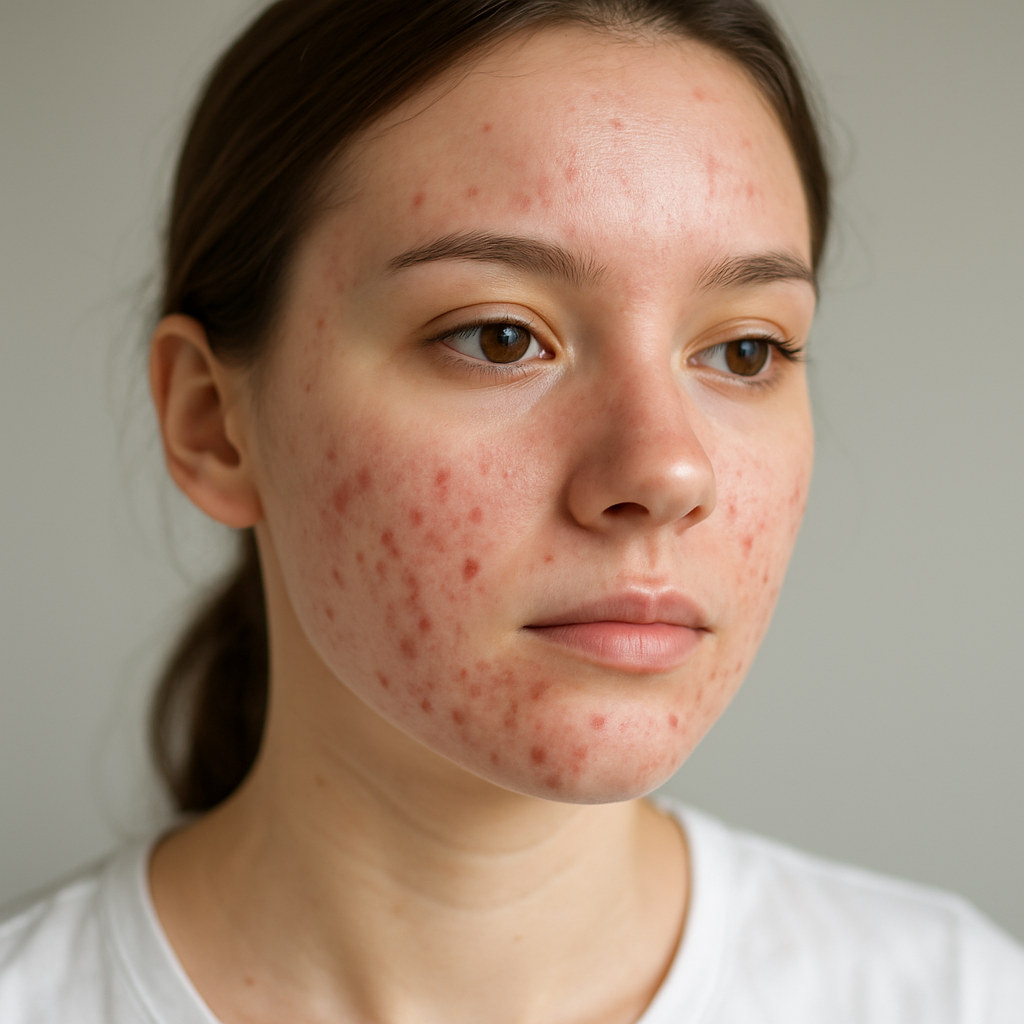
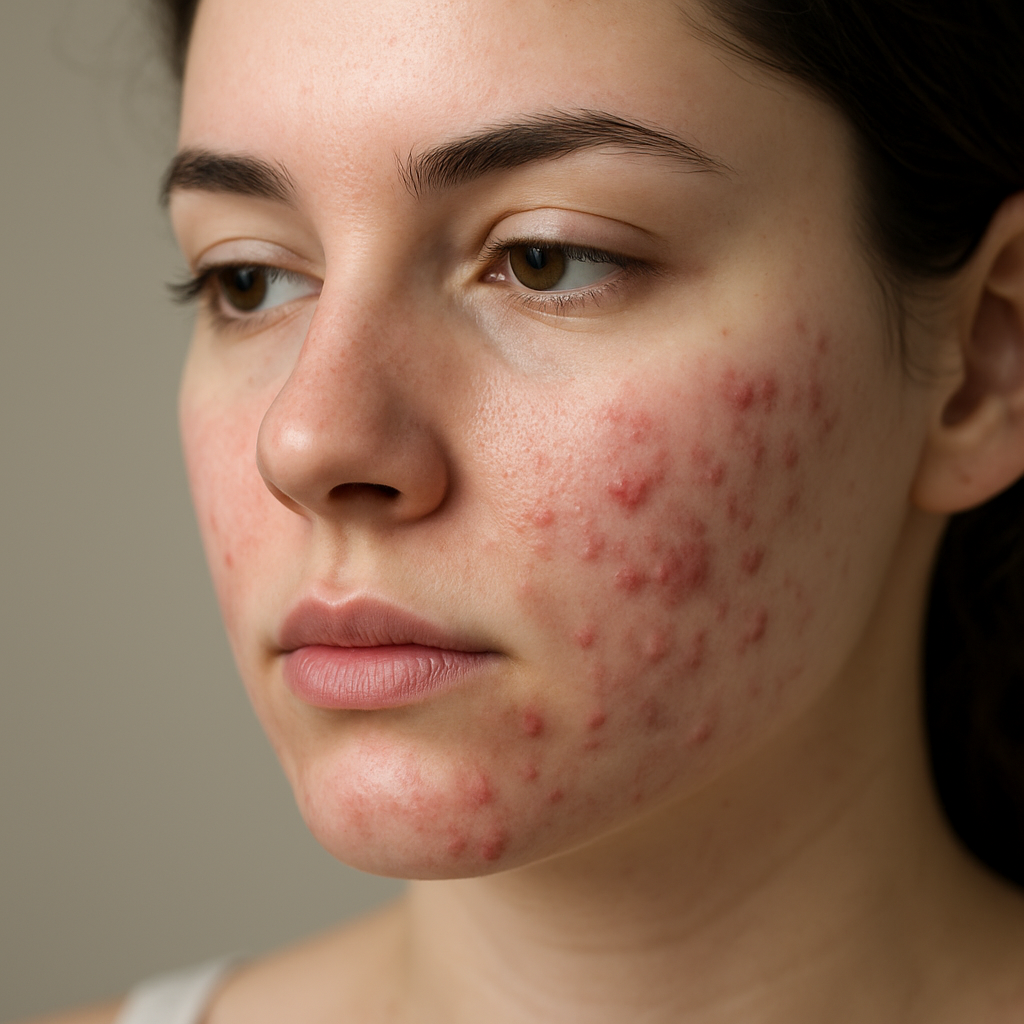
Acne Vulgaris affects how your skin behaves every single day, creating unique challenges that standard skincare routines simply cannot address. This common inflammatory skin condition involves four interconnected factors: excess sebum production, clogged pores, bacterial colonization, and chronic inflammation. Understanding these mechanisms helps explain why your current routine might be failing you.
Generic skincare routines fail because they treat acne-prone skin like normal skin that occasionally breaks out. Your skin produces excess oil, sheds dead cells faster than normal, and harbors bacteria that thrive in clogged follicles. This creates a persistent cycle of inflammation that requires targeted intervention, not gentle cleansing and moisturizing alone.
“Acne-prone skin requires specialized care that addresses all four underlying factors simultaneously.”
The fear of permanent scarring is valid—untreated acne can leave lasting marks. However, understanding your skin's specific needs allows you to build an effective routine that prevents both active breakouts and future scarring. Your skin isn't broken; it simply requires a different approach than conventional wisdom suggests.
Essential Products for Your Acne Skincare Routine
Building an effective routine for Acne Vulgaris starts with selecting the right products. Most people struggling with acne make the mistake of choosing harsh products that strip the skin, triggering more oil production and inflammation. The key is finding products that work together to address the four main causes of acne: excess oil, clogged pores, bacteria, and inflammation.
“The most effective acne routine uses gentle products with proven active ingredients rather than aggressive scrubs that worsen inflammation.”
Your cleanser should remove excess oil and debris without over-drying your skin. Look for gentle foaming cleansers with salicylic acid (0.5-2%) or a simple, fragrance-free formula. Avoid scrubs, which can spread bacteria and cause micro-tears that lead to scarring.
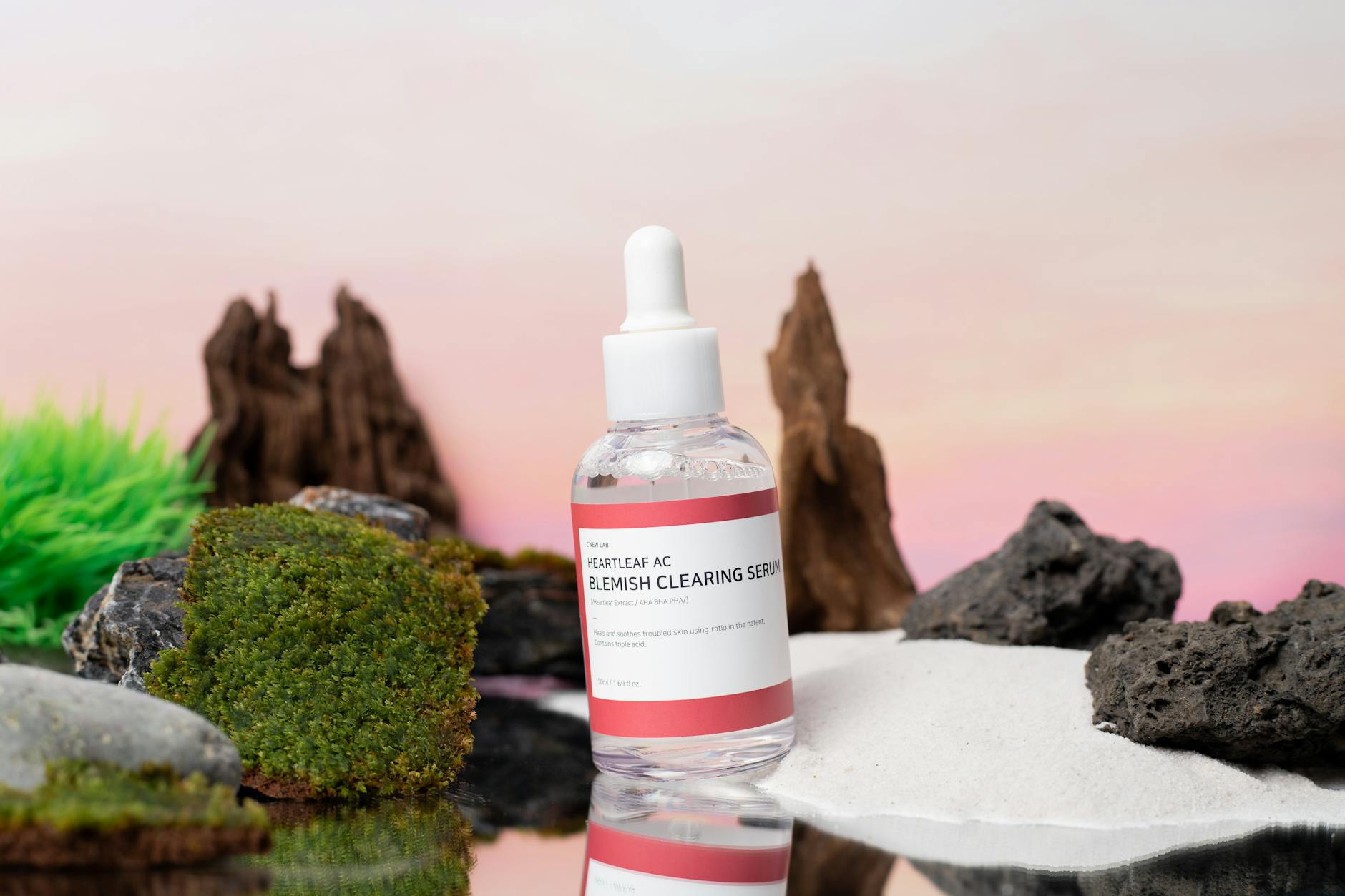
Three active ingredients have the strongest research backing for acne treatment. Salicylic acid penetrates pores to dissolve oil buildup and dead skin cells. Benzoyl peroxide kills acne bacteria and reduces inflammation, making it particularly effective for inflammatory papules and pustules. Retinoids normalize skin cell turnover and prevent new clogs from forming.
Choose a lightweight, non-comedogenic moisturizer even if you have oily skin. Skipping moisturizer triggers your skin to produce more oil to compensate for dryness. Look for ingredients like hyaluronic acid or niacinamide that hydrate without clogging pores.
Sunscreen prevents post-inflammatory hyperpigmentation from turning into permanent dark spots. Use a broad-spectrum SPF 30+ formula labeled "non-comedogenic." Zinc oxide and titanium dioxide are excellent choices for sensitive, acne-prone skin as they provide protection without irritation.
Morning Acne Skincare Routine

Your morning routine sets the foundation for managing Acne Vulgaris throughout the day while protecting your skin from environmental damage. The key is consistency and proper timing—rushing through steps or applying products in the wrong order can reduce their effectiveness and potentially worsen breakouts.
Use lukewarm water and a gentle cleanser with salicylic acid or benzoyl peroxide for 30 seconds, then rinse thoroughly.
Apply your prescribed acne treatment to clean, dry skin, focusing on problem areas while avoiding the delicate eye area.
Wait 5-10 minutes, then apply a lightweight, non-comedogenic moisturizer to prevent dryness and irritation.
Finish with broad-spectrum SPF 30 or higher sunscreen to prevent post-inflammatory hyperpigmentation and scarring.
Start with your cleanser immediately after waking up. Many people with acne wake up with excess oil production from overnight sebum activity. A gentle cleansing technique involves using fingertips—never scrubbing with washcloths or brushes that can irritate inflamed skin and potentially lead to permanent scarring.
Treatment application requires patience. Whether you're using retinoids, benzoyl peroxide, or prescription medications, allow each product to fully absorb before moving to the next step. This prevents pilling and ensures maximum penetration.
Sunscreen is non-negotiable. UV exposure worsens acne scarring and can cause dark spots that take months to fade. Look for zinc oxide or titanium dioxide formulations that won't clog pores or trigger new breakouts.
The entire routine should take 5-7 minutes. Consistency matters more than perfection—following this sequence daily will help prevent future breakouts while treating existing acne effectively.
Evening Acne Skincare Routine
Your evening routine offers the perfect opportunity to apply stronger treatments that work while you sleep. This is when your skin repairs itself, making it the ideal time for active ingredients to penetrate deeply and address both Acne Vulgaris and more severe conditions like Cystic Acne without sun sensitivity concerns.
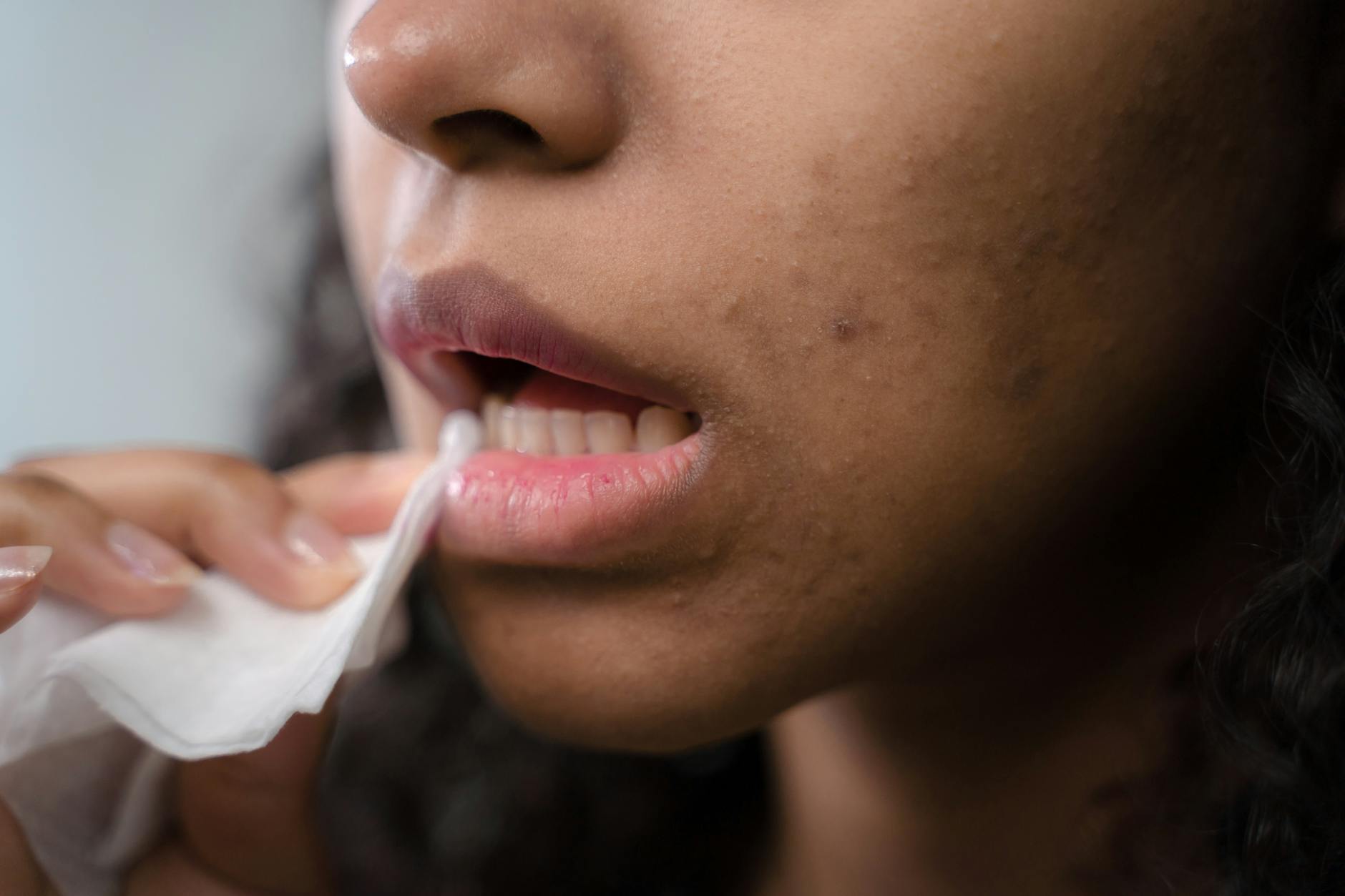
Use an oil-based cleanser or micellar water to dissolve stubborn products that regular cleansers miss.
Follow with your regular gentle cleanser to remove remaining impurities and prepare skin for treatments.
Use prescription retinoids, benzoyl peroxide, or salicylic acid on clean, dry skin before moisturizer.
Apply a non-comedogenic moisturizer to prevent dryness and irritation from active ingredients.
Stronger actives like tretinoin work best at night when UV exposure won't cause additional irritation. Start with every other night application, then gradually increase frequency as your skin builds tolerance. This approach helps prevent the aggressive peeling that can worsen scarring concerns.
Reserve weekly treatments like clay masks or chemical exfoliants for nights when you skip other actives. Overloading your skin with multiple treatments simultaneously often backfires, causing inflammation that can lead to the permanent scarring many people fear.
For Cystic Acne specifically, nighttime allows you to apply spot treatments containing higher concentrations of ingredients like benzoyl peroxide or prescription antibiotics. These deeper lesions require consistent, patient treatment rather than aggressive daily manipulation that can worsen inflammation and increase scarring risk.
Remember that overnight moisturizing is crucial, especially when using drying treatments. Well-hydrated skin heals faster and maintains its barrier function, preventing the cycle of irritation that keeps breakouts recurring.
Adapting Your Routine for Different Acne Types
Not all acne responds the same way to treatment. Your specific acne type determines which products and techniques work best, helping you avoid the frustration of trying generic solutions that don't address your unique skin concerns.
Hormonal Acne appears primarily along your jawline and chin, often flaring before your menstrual cycle. This deep, painful acne caused by hormonal fluctuations requires targeted treatment. Focus salicylic acid products on these areas during your evening routine, and consider adding a spot treatment containing benzoyl peroxide for active breakouts. Consistency matters more than intensity with hormonal patterns.
Cystic Acne presents as deep, inflamed cysts that can lead to permanent scarring if handled incorrectly. Never squeeze or pick at these painful nodules. Instead, use gentler cleansers and apply ice for 5-10 minutes to reduce inflammation. Scale back to basic cleansing and moisturizing when cysts are severely inflamed, then gradually reintroduce active ingredients as healing progresses.
Sensitive skin requires careful monitoring. Start new products every two weeks rather than all at once, and choose fragrance-free formulations. Watch for excessive dryness, redness, or burning sensations that signal you need to reduce frequency or concentration.
Scale back your routine when experiencing severe irritation, new cyst formation, or persistent redness. Intensify gradually only when your skin tolerates current products without reaction for at least two weeks consistently.
Common Mistakes and How to Avoid Them

Building an effective acne routine requires patience and strategic thinking. Many people unknowingly sabotage their progress by making preventable mistakes that can worsen breakouts and even cause permanent scarring.
Over-cleansing represents the most common error. Washing your face more than twice daily strips away natural oils, triggering increased sebum production and potential irritation. This becomes especially problematic for those with conditions like Atopic Dermatitis, where the skin barrier is already compromised.
Introducing multiple products simultaneously makes it impossible to identify what works or causes reactions. Start with one new product every two weeks, beginning with a gentle cleanser before adding treatments.
Inconsistent application undermines even the best products. Salicylic acid used sporadically won't clear pores effectively, while skipping moisturizer leads to compensatory oil production.
Ingredient mixing creates dangerous combinations. Never combine retinoids with benzoyl peroxide or vitamin C with niacinamide without proper spacing.
Finally, switching products after just one week prevents you from seeing real results. Most acne treatments require 4-6 weeks to show improvement, so patience protects you from the cycle of frustration and product hopping.
When to Seek Professional Help
Your home routine works great for mild breakouts, but some warning signs indicate you need professional support. If your acne persists after 6-8 weeks of consistent treatment, or if you notice deep, painful bumps that won't surface, it's time to see a dermatologist.
Watch for these red flags that signal severe acne requiring immediate attention: large cysts that feel hard under your skin, widespread inflammation across your face or body, or any scarring that develops. Cystic Acne, characterized by deep, painful, inflamed cysts and nodules, demands professional treatment to prevent permanent scarring and the emotional distress it causes.
Dermatologists enhance your existing routine rather than replace it entirely. They provide prescription-strength retinoids, oral antibiotics, or hormonal treatments that target acne's root causes. Professional treatments like chemical peels, corticosteroid injections for cysts, and laser therapy complement your daily skincare perfectly.
Don't wait until scarring develops to seek help. Early intervention prevents permanent damage and gets you back to clear, confident skin faster than struggling alone with over-the-counter products.
Seek professional help immediately if you have painful cysts, persistent acne after 8 weeks, or any signs of scarring.
Frequently Asked Questions
What causes acne-prone skin to behave differently than normal skin?
Acne Vulgaris involves four interconnected factors: excess sebum production, clogged pores, bacterial colonization, and chronic inflammation. Your skin produces excess oil, sheds dead cells faster than normal, and harbors bacteria that thrive in clogged follicles. This creates a persistent cycle of inflammation that requires targeted intervention, not gentle cleansing and moisturizing alone.
Why do generic skincare routines fail for acne-prone skin?
Generic skincare routines fail because they treat acne-prone skin like normal skin that occasionally breaks out. Acne-prone skin has unique challenges with excess oil production, faster cell turnover, and bacterial growth that standard routines cannot address. This type of skin requires specialized care that addresses all four underlying factors simultaneously.
What ingredients should I look for in acne skincare products?
Three active ingredients have the strongest research backing for acne treatment. Salicylic acid penetrates pores to dissolve oil buildup and dead skin cells, while benzoyl peroxide kills acne bacteria and reduces inflammation. Retinoids normalize skin cell turnover and prevent new clogs from forming.
Should I use moisturizer if I have oily, acne-prone skin?
Yes, you should choose a lightweight, non-comedogenic moisturizer even if you have oily skin. Skipping moisturizer triggers your skin to produce more oil to compensate for dryness. Look for ingredients like hyaluronic acid or niacinamide that hydrate without clogging pores.
Why is sunscreen important for acne-prone skin?
Sunscreen prevents post-inflammatory hyperpigmentation from turning into permanent dark spots. Use a broad-spectrum SPF 30+ formula labeled "non-comedogenic." Zinc oxide and titanium dioxide are excellent choices for sensitive, acne-prone skin as they provide protection without irritation.
Disclaimer: This content is for informational purposes only and does not constitute medical advice. Always consult a qualified healthcare provider before making health decisions.