Why Retinol Works for Acne

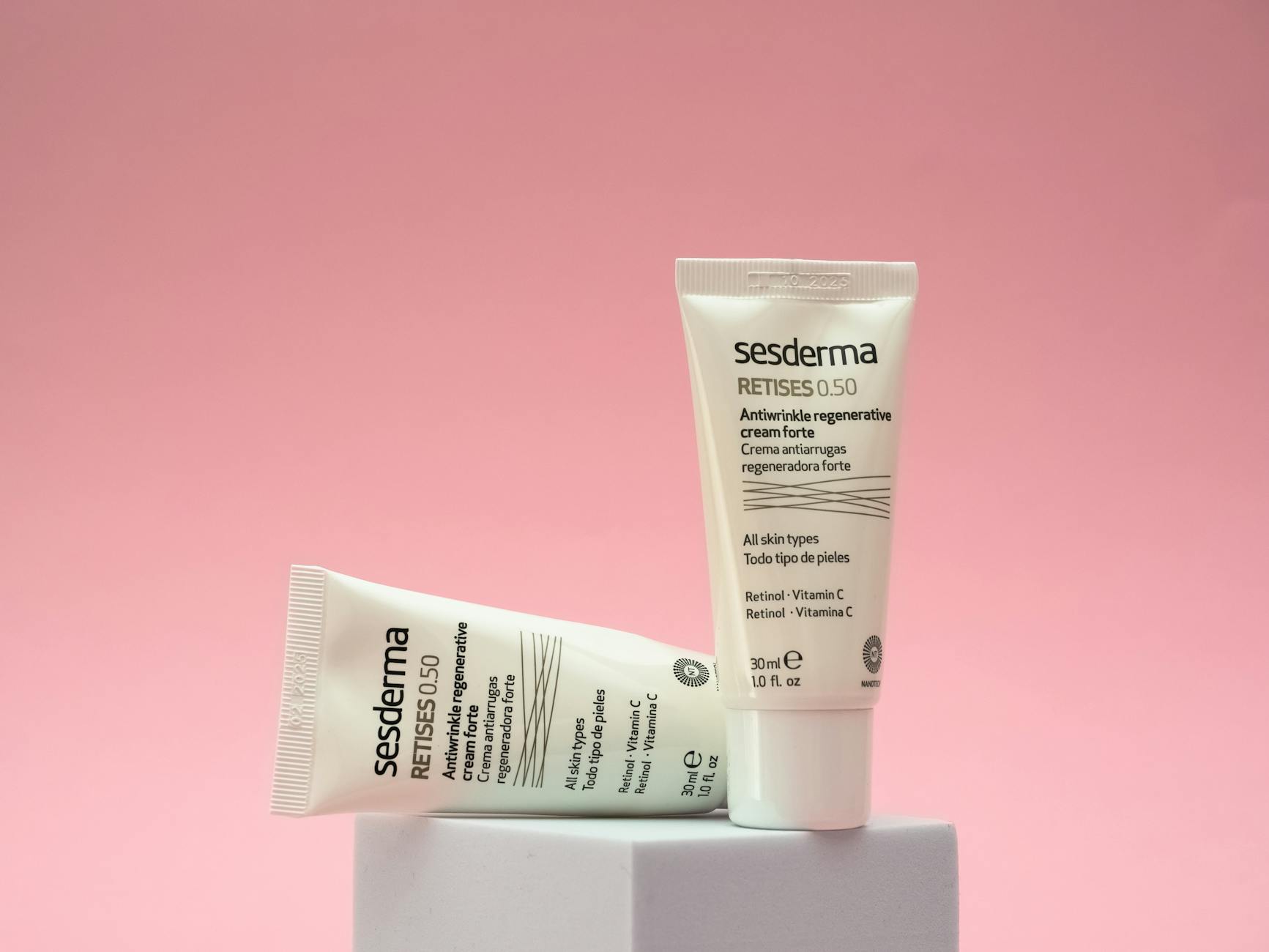
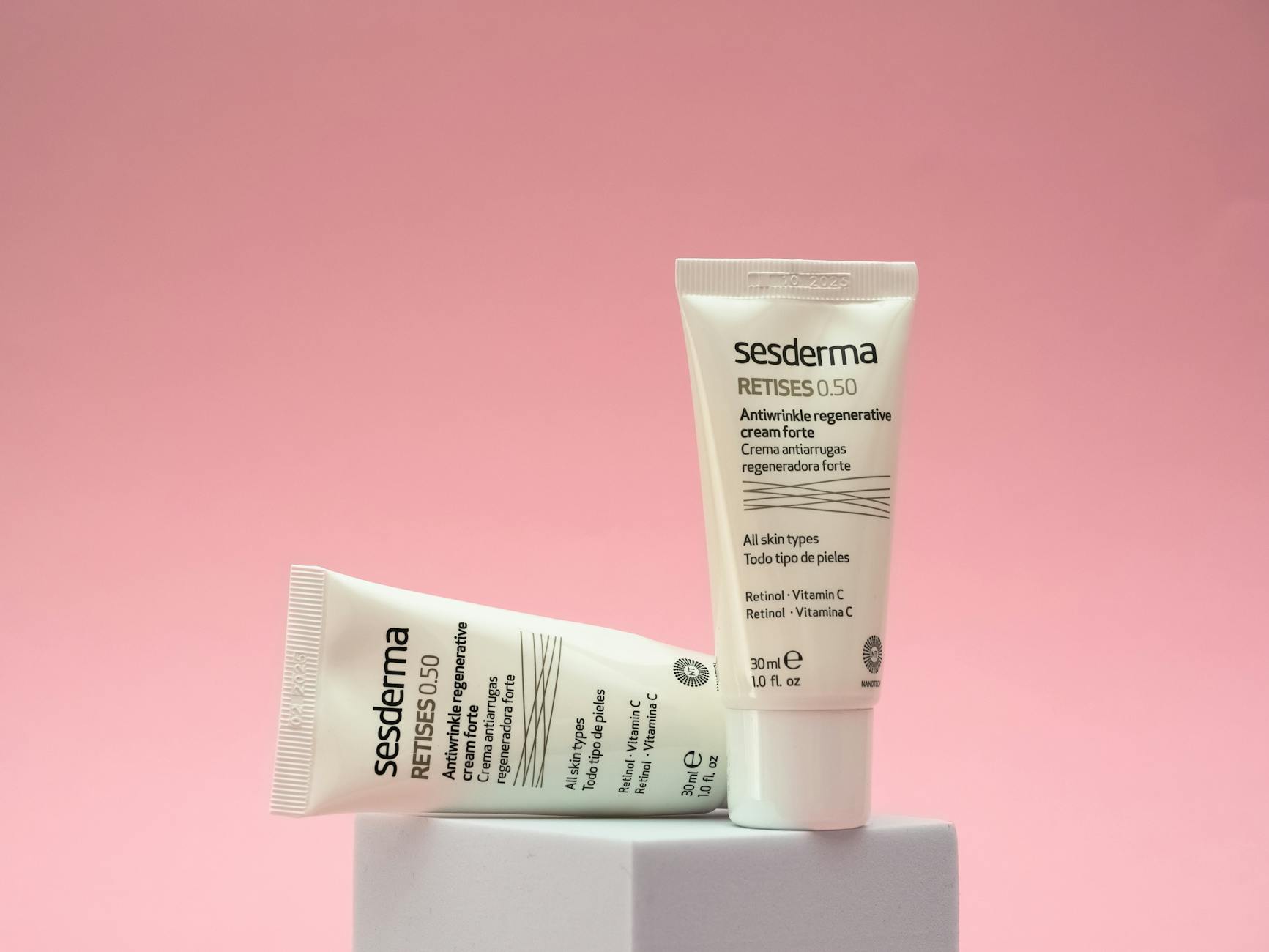
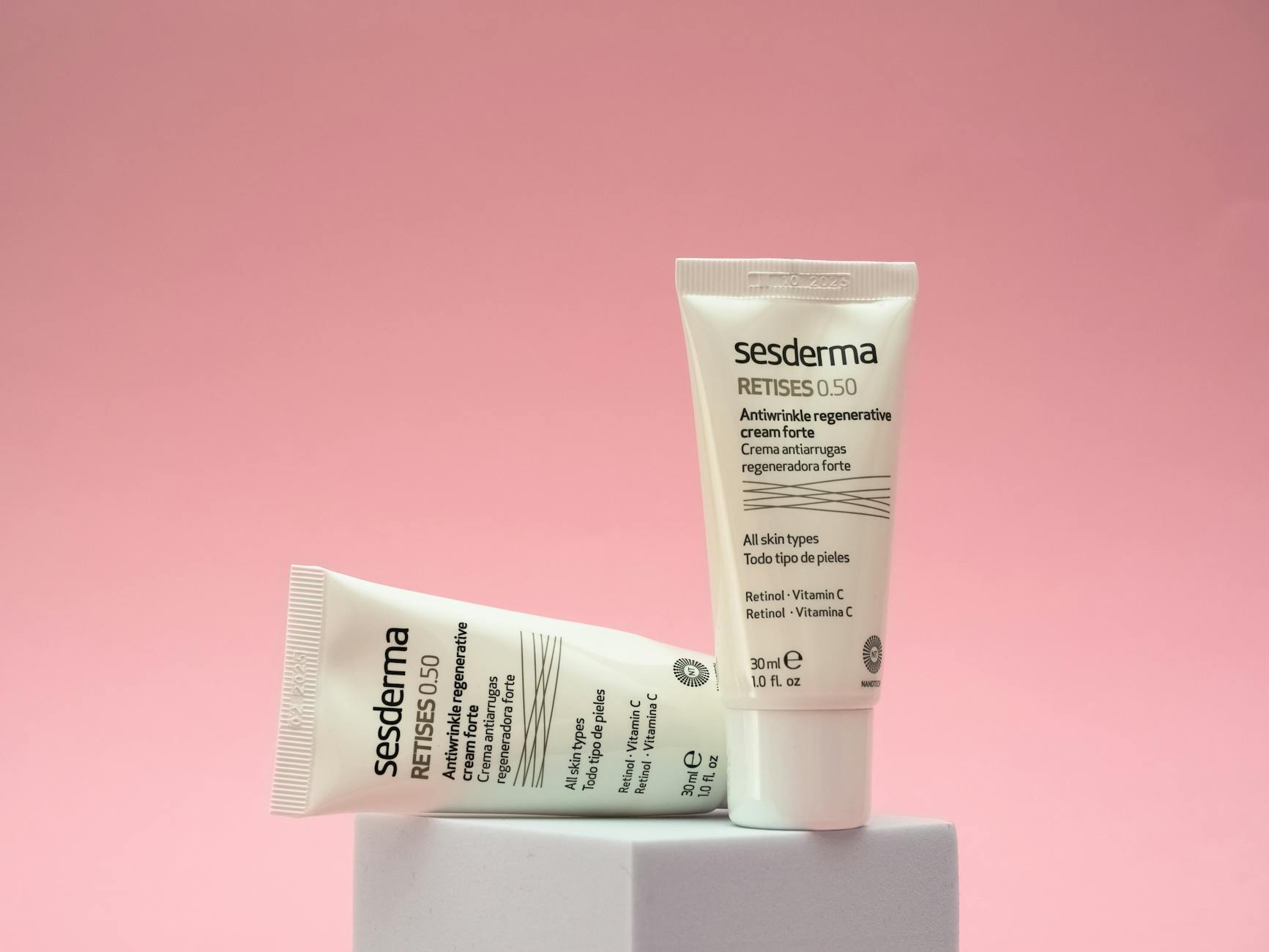
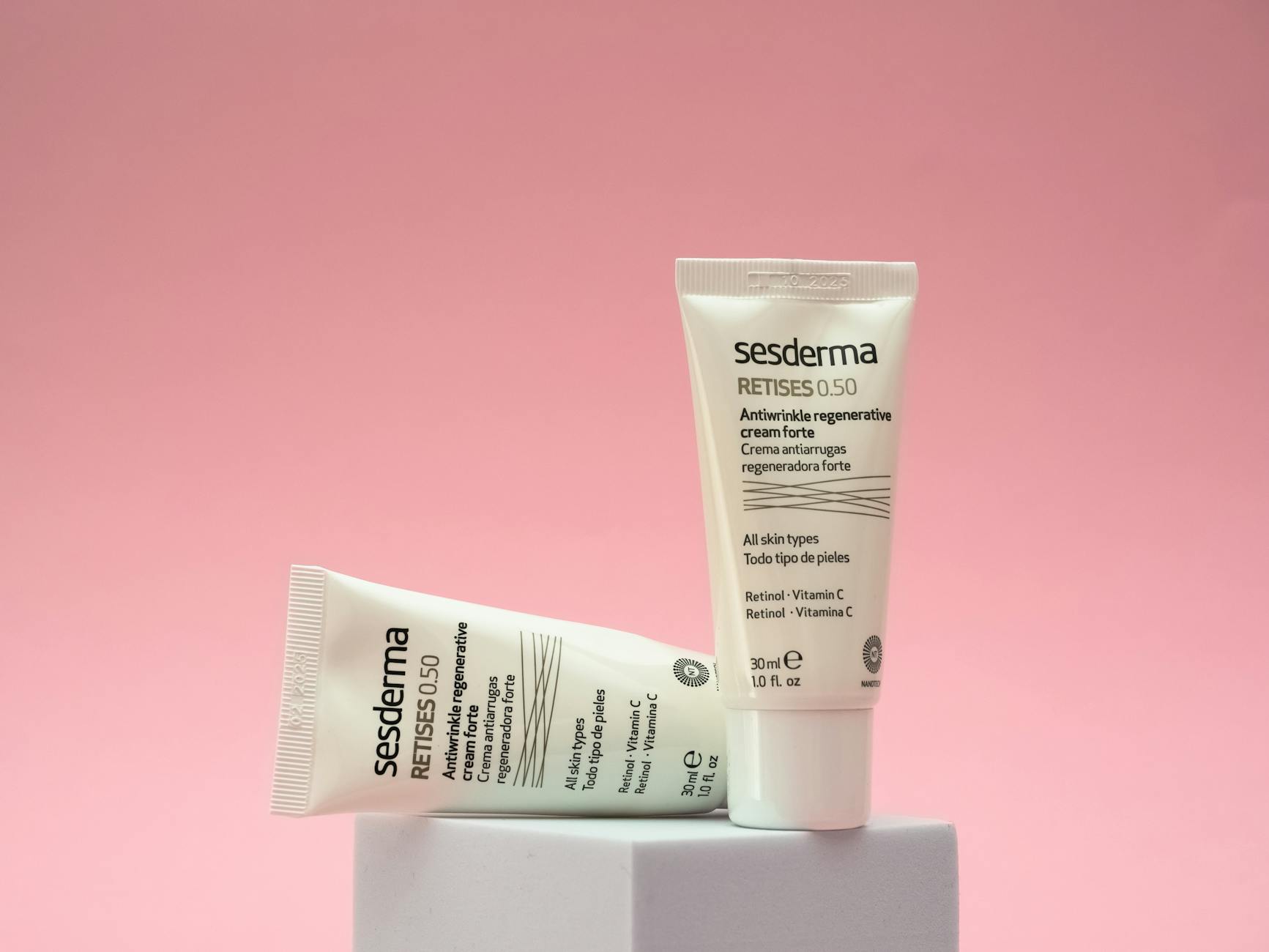
Retinol, a vitamin A derivative, targets acne through multiple proven mechanisms that address both current breakouts and prevent future ones. This powerful ingredient works at the cellular level to transform how your skin behaves, offering hope for those worried about permanent scarring and ongoing breakouts.
“Retinol accelerates cell turnover by up to 30%, pushing dead skin cells out before they can clog pores.”
The primary way retinol fights acne is through accelerated cell turnover. Your skin naturally sheds dead cells every 28 days, but this process slows down with age and can become irregular with acne-prone skin. Retinol speeds up this renewal cycle, preventing dead skin cells from accumulating in your pores where they mix with oil and create blockages.
Retinol also works as a powerful pore-unclogging agent. It loosens the bonds between dead skin cells, making it easier for existing blackheads and whiteheads to surface and clear out. This dual action of prevention and treatment makes retinol particularly effective for both inflammatory acne and comedonal acne.
The vitamin A derivative benefits extend beyond immediate acne treatment. Regular retinol use helps normalize skin cell production, reducing the likelihood of future breakouts while improving overall skin texture and reducing post-acne marks that can lead to permanent scarring.
How to Start Using Retinol for Acne

Starting retinol correctly prevents irritation and helps you achieve clear skin without the setbacks that worry many acne sufferers. The key lies in a gradual introduction that allows your skin to build tolerance while still fighting breakouts effectively.
“Starting with the lowest concentration and building up slowly is the difference between success and giving up after a week of irritation.”
Begin with 0.25% retinol or 0.025% tretinoin, applying only twice per week on clean, dry skin.
Wait 20-30 minutes after cleansing before applying retinol to ensure your skin is completely dry.
Use retinol in your evening routine, followed by a gentle moisturizer containing Hyaluronic Acid to counteract dryness.
After two weeks of twice-weekly use without irritation, increase to every other night, then eventually nightly.
Hyaluronic Acid becomes particularly important during retinol introduction. This powerful humectant holds up to 1000 times its weight in water, providing the deep hydration your skin needs while adjusting to retinol. Look for serums or moisturizers containing this ingredient to apply after your retinol.
For example, if you experience redness or peeling during week one, maintain your current frequency for another week before progressing. This patience prevents the irritation that causes many people to abandon retinol treatment prematurely, leaving their acne untreated.
Combining Retinol with Other Acne Ingredients
Combining retinol with other acne-fighting ingredients can accelerate your results, but the wrong pairings can irritate your skin and worsen breakouts. Understanding which ingredients work together helps you build an effective routine without setbacks.
Niacinamide pairs beautifully with retinol. This form of vitamin B3 regulates sebum production, minimizes pore appearance, and provides anti-inflammatory benefits that calm retinol-induced irritation. You can apply niacinamide serum before your retinol at night or use it in your morning routine.
Salicylic acid requires careful timing. This beta hydroxy acid exfoliates inside pores and treats blackheads effectively, but using it simultaneously with retinol can cause excessive dryness. Alternate nights work best - use salicylic acid on Monday, Wednesday, Friday, and retinol on Tuesday, Thursday, Saturday.
Vitamin C should stay in your morning routine. This potent antioxidant brightens skin and reduces hyperpigmentation from old acne marks, but it can destabilize when mixed with retinol. Apply vitamin C serum after cleansing in the morning, then use retinol at night.
Start with one active ingredient and add others gradually every two weeks. This prevents overwhelming your skin and helps identify which combinations work best for preventing future breakouts and scarring.
What to Expect: Timeline and Results
Starting retinol for acne requires patience and realistic expectations. Your skin needs time to adjust and show meaningful improvement.
The first 2-6 weeks often bring a "purging" phase where existing acne may temporarily worsen. This happens because retinol accelerates skin cell turnover, bringing hidden clogs to the surface faster. While frustrating, purging is actually a sign that the treatment is working and doesn't lead to permanent scarring when managed properly.
Visible improvements typically emerge around 8-12 weeks of consistent use. Your skin texture becomes smoother, breakouts occur less frequently, and existing marks begin to fade. The most dramatic results appear after 4-6 months of regular application.
Monitor your skin's response weekly. If irritation persists beyond the initial adjustment period or worsens significantly, reduce frequency or switch to a lower concentration. Some people benefit from alternating nights or taking brief breaks during the adaptation phase.
Long-term benefits extend beyond acne clearance. Retinol continues preventing new breakouts, minimizing pore appearance, and improving overall skin tone with continued use.
Common Mistakes to Avoid

The biggest mistake beginners make is using too much retinol too quickly. Starting with nightly application or high concentrations often leads to severe dryness, peeling, and irritation that can actually worsen acne. Begin with a pea-sized amount twice weekly, then gradually increase frequency over several weeks.
Skipping sunscreen is another critical error. Retinol makes your skin more photosensitive, increasing your risk of burns and dark spots. Always apply broad-spectrum SPF 30 or higher every morning, even on cloudy days.
Many people choose the wrong retinol product for their skin type. If you have sensitive skin, avoid products with alcohol or fragrances. Oily skin types can handle stronger formulations, while dry skin needs gentler options with added moisturizers.
Impatience derails many retinol journeys. Some people quit after two weeks when they don't see dramatic results, missing out on the real benefits that appear after 8-12 weeks of consistent use. Others switch products constantly, never giving their skin time to adjust and improve.
Remember, rushing the process often leads to setbacks that delay your clear skin goals and can potentially cause temporary scarring from over-irritation.
Next Steps in Your Acne Journey
After mastering basic retinol use, gradually increase strength every 3-4 months if your skin tolerates it well. Build a complete routine with gentle cleanser, moisturizer, and sunscreen alongside retinol. Schedule dermatologist visits if acne persists after three months or worsens significantly.
Start slow with retinol, be patient with results, and seek professional help when needed.
Frequently Asked Questions
How does retinol work for acne?
Retinol fights acne through accelerated cell turnover, speeding up the natural 28-day skin renewal cycle by up to 30%. It prevents dead skin cells from accumulating in pores where they mix with oil and create blockages. Additionally, retinol loosens the bonds between dead skin cells, making it easier for existing blackheads and whiteheads to surface and clear out.
What retinol strength should I start with for acne?
Begin with 0.25% retinol or 0.025% tretinoin, applying only twice per week on clean, dry skin. Starting with the lowest concentration and building up slowly prevents irritation and helps you achieve results without setbacks. After two weeks of twice-weekly use without irritation, you can gradually increase to every other night, then eventually nightly use.
How long does it take to see results from retinol for acne?
Studies show that typical results from retinol use occur around 12 weeks of consistent use. Clinical studies demonstrate up to 68% acne reduction with regular retinol application. The benefits extend beyond immediate acne treatment, as regular use helps normalize skin cell production and reduces the likelihood of future breakouts.
Should I use moisturizer with retinol for acne?
Yes, you should always follow retinol with a gentle moisturizer, particularly one containing Hyaluronic Acid. Hyaluronic Acid is especially important during retinol introduction as it holds up to 1000 times its weight in water, providing deep hydration while your skin adjusts. This helps counteract the dryness that can occur when starting retinol treatment.
When should I apply retinol in my skincare routine?
Apply retinol only at night in your evening skincare routine on clean, completely dry skin. Wait 20-30 minutes after cleansing before applying retinol to ensure your skin is dry. Follow with a gentle moisturizer containing Hyaluronic Acid to provide hydration and reduce potential irritation.
Disclaimer: This content is for informational purposes only and does not constitute medical advice. Always consult a qualified healthcare provider before making health decisions.