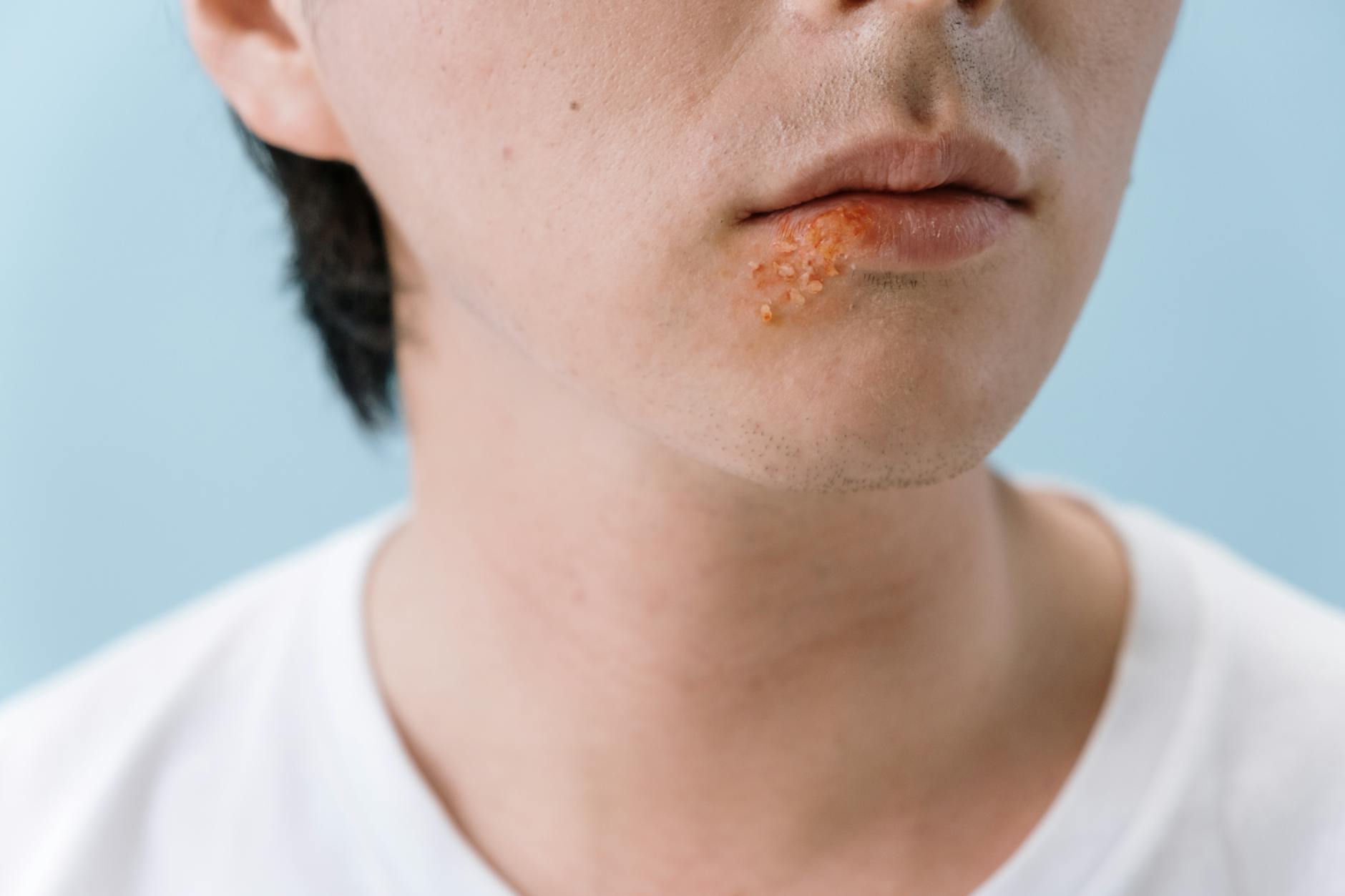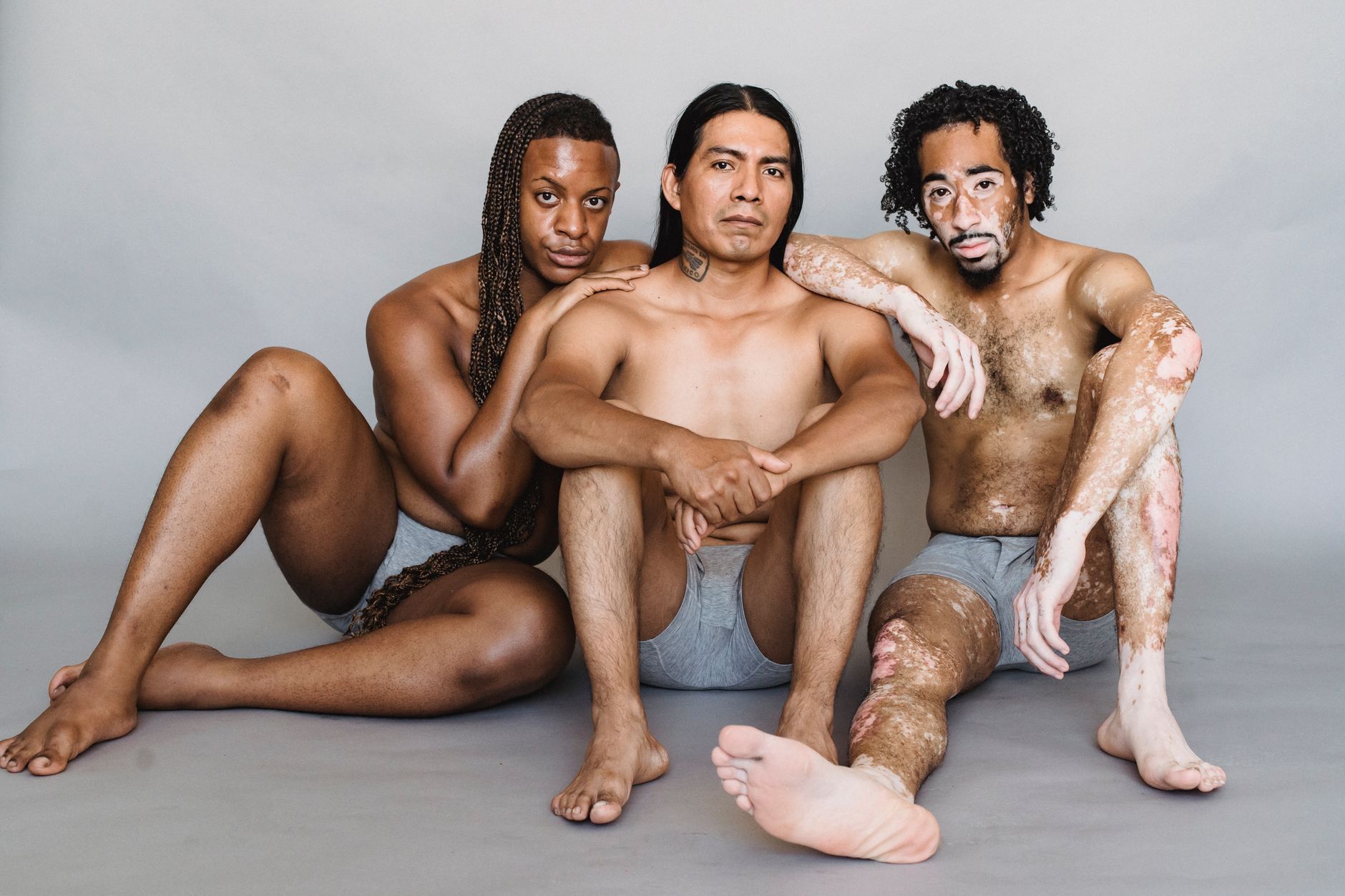
Infant and Childhood Skin Conditions (0-12 years)

Children's delicate skin faces unique challenges that often worry parents about lasting effects. The good news is that most childhood skin conditions are temporary and treatable with proper care.
Atopic Dermatitis represents the most common chronic skin condition in children, causing dry, itchy, and inflamed skin patches typically on the face, neck, inner elbows, and behind knees. This genetic condition often runs in families with histories of allergies or asthma.
“Most childhood eczema improves significantly with age, and proper treatment prevents scarring.”
Diaper rash and cradle cap also frequently occur in infants but rarely cause permanent damage. Parents should seek medical attention when eczema symptoms include severe itching that disrupts sleep, signs of infection like yellow crusting, or patches that don't respond to gentle moisturizing after one week.
Teenage and Young Adult Skin Issues (13-25 years)

The teenage years bring a perfect storm of hormonal changes that transform clear childhood skin into an acne battlefield. Acne Vulgaris affects 85% of people aged 12-24, making it the most common skin condition during these formative years. Rising hormone levels trigger excess oil production in your sebaceous glands, creating the ideal environment for bacteria to thrive and pores to become clogged.
While most teens experience blackheads, whiteheads, and occasional papules on their face, chest, and back, some develop Cystic Acne - a severe form featuring deep, painful cysts that can cause permanent scarring. This condition affects 1-2% of adolescents and requires immediate professional treatment with medications like isotretinoin or corticosteroid injections to prevent lasting damage.
"Early intervention prevents the scarring and emotional distress that can last long after acne clears."
Adult Skin Conditions (26-50 years)
Adult skin brings new challenges as hormones shift and genetic predispositions emerge. While teenage acne may fade, many adults face different skin concerns that require targeted approaches.
Hormonal Acne becomes a persistent issue for many women, affecting 25% of those aged 40-49. Unlike teenage breakouts, adult hormonal acne typically appears along the jawline, chin, and lower face. These deep, cystic lesions often worsen before menstruation and can leave lasting marks if untreated. The good news is that hormonal therapy, oral contraceptives, and spironolactone offer effective treatment options that target the root cause rather than just surface symptoms.
Plaque Psoriasis often makes its first appearance during these years, creating thick, scaly patches with silvery scales on elbows, knees, and scalp. This autoimmune condition stems from accelerated skin cell production and responds well to early intervention with topical treatments and phototherapy.
Mature Adult and Senior Skin Health (50+ years)

As skin ages beyond 50, significant structural changes occur that affect appearance and health. The skin barrier weakens, producing less oil and collagen, leading to dryness, thinning, and slower healing. While some changes are cosmetic, others require medical attention to prevent complications and maintain comfort.
Chronic conditions like Plaque Psoriasis, an autoimmune disorder causing thick, scaly patches with silvery scales, often require ongoing management in older adults. These raised, red patches commonly appear on elbows, knees, and scalp, potentially causing itching and social discomfort.
Seek dermatological evaluation when age-related changes include persistent sores, changing moles, or sudden skin thickening, as these may signal serious conditions requiring prompt treatment.
When to Seek Professional Help at Any Age
Certain skin changes require immediate medical attention to prevent permanent scarring and complications. See a dermatologist right away if you notice new or changing moles, bleeding spots that won't heal, sudden severe acne, or any growth that changes color, size, or texture.
Chronic conditions like persistent acne, eczema, rosacea, or psoriasis need ongoing professional care. These conditions rarely resolve on their own and often worsen without proper treatment. A dermatologist can prescribe targeted therapies that over-the-counter products can't match.
Even healthy skin benefits from annual skin cancer screenings, especially after age 40. Professional guidance also helps establish effective prevention routines tailored to your skin type and concerns.
Don't wait for skin problems to worsen—early professional intervention prevents complications and achieves better outcomes.
Frequently Asked Questions
What percentage of children are affected by eczema or atopic dermatitis?
Atopic dermatitis affects 15-20% of children and is the most common chronic skin condition in this age group. About 80% of cases develop before age 5, but the good news is that 60% of children outgrow eczema by adolescence. Most childhood eczema improves significantly with age when proper treatment is provided.
When should I seek medical attention for my child's eczema?
You should seek medical attention when eczema symptoms include severe itching that disrupts your child's sleep, signs of infection like yellow crusting, or patches that don't respond to gentle moisturizing after one week. Early intervention can prevent complications and ensure proper treatment to avoid scarring.
How common is acne in teenagers and young adults?
Acne affects 85% of people aged 12-24, making it the most common skin condition during the teenage years. The peak age range is 12-24 years old, when hormonal changes trigger excess oil production and create ideal conditions for acne development. While most teens experience mild to moderate acne, 1-2% develop severe cystic acne that requires professional treatment.
What is cystic acne and how serious is it?
Cystic acne is a severe form of acne featuring deep, painful cysts that can cause permanent scarring. It affects 1-2% of adolescents and requires immediate professional treatment with medications like isotretinoin or corticosteroid injections. Early intervention is crucial to prevent the scarring and emotional distress that can last long after acne clears.
Do adults still get acne after their teenage years?
Yes, many adults continue to experience acne, particularly hormonal acne which affects 25% of women aged 40-49. Adult hormonal acne typically appears along the jawline, chin, and lower face, often worsening before menstruation. Unlike teenage acne, these deep cystic lesions can leave lasting marks if untreated, but effective treatments like hormonal therapy and spironolactone are available.
Disclaimer: This content is for informational purposes only and does not constitute medical advice. Always consult a qualified healthcare provider before making health decisions.