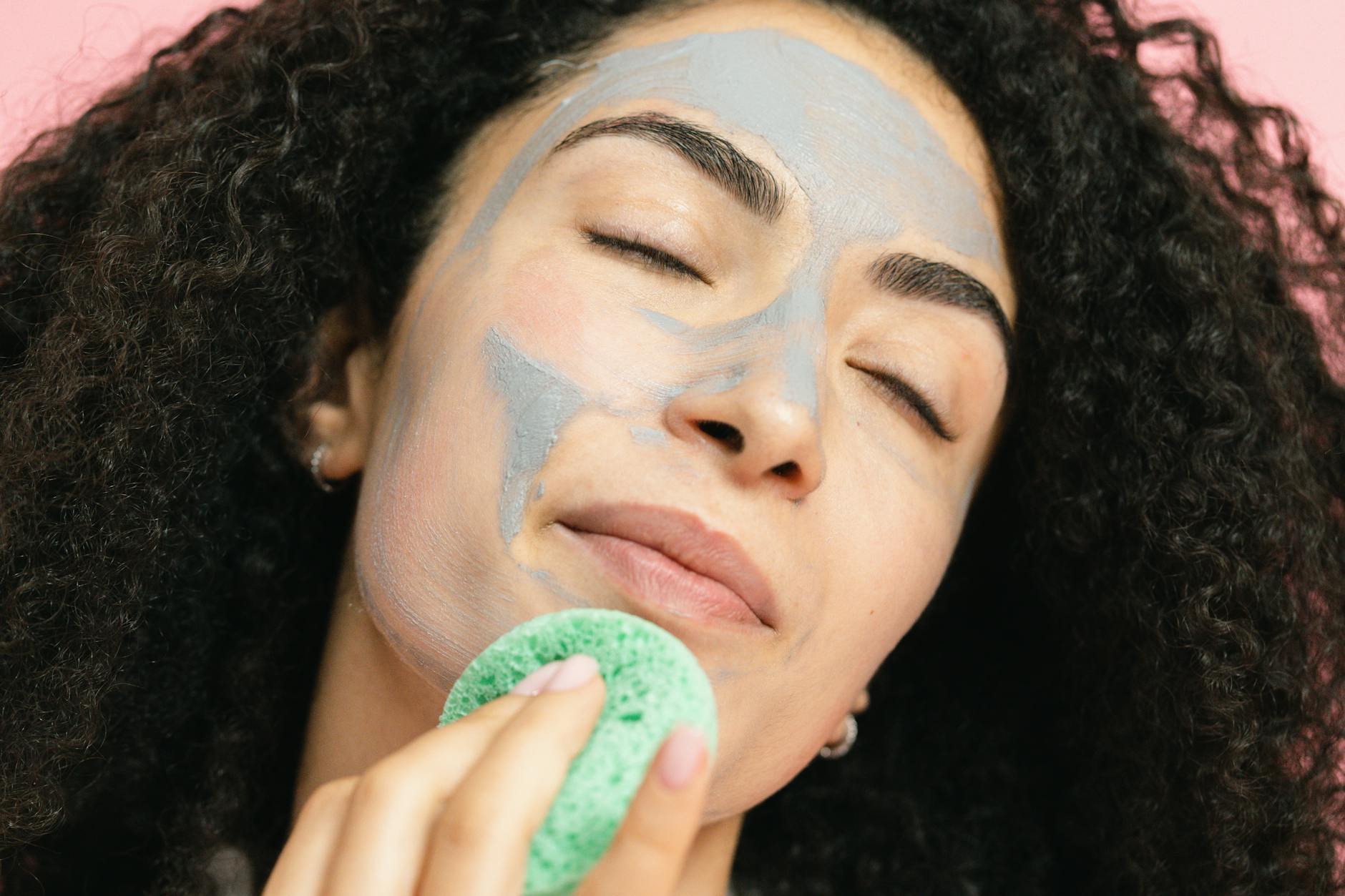
Why Knowing Your Skin Type Matters

Understanding your skin type forms the foundation of every successful skincare routine. When you match products to your specific skin needs, you maximize their effectiveness and minimize the risk of irritation that could lead to scarring or worsened skin conditions.
“Using the wrong products for your skin type is like wearing shoes that don't fit—uncomfortable and potentially harmful.”
Consider what happens when someone with oily skin uses heavy, oil-based moisturizers designed for dry skin. The excess oils can clog pores, triggering breakouts that take weeks to clear. Conversely, someone with dry skin who uses harsh, alcohol-based products meant for oily skin may experience increased dryness, flaking, and even cracking that compromises the skin barrier.
Product effectiveness depends entirely on matching ingredients to your skin's specific needs. Salicylic acid works wonders for oily, acne-prone skin but can over-dry sensitive skin types. Hyaluronic acid provides essential moisture for dry skin but may feel heavy on naturally oily complexions.
Without knowing your skin type, you're essentially guessing with your skincare routine. This trial-and-error approach wastes money on ineffective products and potentially delays your progress toward clear, healthy skin. The good news? Determining your skin type is straightforward once you know what to look for.
The Five Main Skin Types Explained
Understanding your specific skin type prevents the trial-and-error approach that often leads to irritation and breakouts. Each skin type has distinct characteristics that become easier to recognize once you know what to look for.
“Knowing your skin type is the foundation of every effective skincare routine.”
Normal skin represents the ideal balance. It feels neither tight nor greasy, appears smooth with minimal visible pores, and rarely experiences breakouts. People with normal skin typically wake up with comfortable-feeling skin that maintains its appearance throughout the day.
Oily skin produces excess sebum, creating a shiny appearance especially in the T-zone (forehead, nose, and chin). You'll notice enlarged pores, frequent blackheads, and a tendency toward acne breakouts. Many people with oily skin find their makeup sliding off by midday.
Dry skin lacks adequate oil production, resulting in a tight, sometimes flaky appearance. Fine lines may appear more prominent, and the skin often feels rough or itchy. Winter weather and harsh cleansers typically worsen these symptoms.
Combination skin displays different characteristics across facial zones. The T-zone tends toward oiliness with visible pores and occasional breakouts, while cheeks remain normal to dry. This mixed pattern makes product selection particularly challenging.
Sensitive skin reacts easily to products, environmental factors, or stress. Common reactions include redness, burning, stinging, or itching after using new products. Fragrance, alcohol, and certain acids often trigger these uncomfortable responses.
Recognizing these patterns helps you choose appropriate products and avoid ingredients that could worsen existing concerns or create new problems.
The Bare Face Test: Your Starting Point

The simplest way to determine your skin type requires nothing more than your bare face and 30 minutes of patience. This basic observation method helps you understand your skin's natural behavior without interference from products or treatments.
Wash your face with a gentle, non-comedogenic cleanser to remove all makeup, oil, and product buildup.
Leave your skin completely bare for 30 minutes—no moisturizer, toner, or treatments of any kind.
Check your T-zone (forehead, nose, chin) and cheeks for shine or oiliness using clean fingers or blotting paper.
Pay attention to areas that feel tight, pulled, or uncomfortable versus zones that feel normal or slightly oily.
During this test, examine different zones separately. Your forehead might produce oil while your cheeks feel tight and dry—this indicates combination skin. If your entire face feels comfortable without excess oil or dryness, you likely have normal skin.
For example, Sarah noticed her nose became shiny within 20 minutes while her cheeks remained comfortable. This clear difference between zones confirmed her combination skin type and guided her toward targeted skincare routines.
Remember, this test won't cause permanent damage or scarring—you're simply observing your skin's natural state. The results provide a foundation for choosing appropriate products that work with your skin rather than against it.
The Blotting Paper Method
The blotting paper test offers a more precise way to measure oil production across your face. This method reveals exactly where your skin produces excess sebum, helping you identify combination skin patterns that visual observation might miss.
Wash your face with a gentle cleanser and wait two hours without applying any products.
Gently press separate sheets against your forehead, nose, chin, and both cheeks for 10 seconds each.
Hold papers up to light to see oil spots clearly and compare absorption levels.
Heavy oil absorption on all papers indicates oily skin. Moderate oil on your T-zone (forehead, nose, chin) with minimal oil on cheeks suggests combination skin. Little to no oil absorption points to dry or normal skin types.
For example, if your forehead paper shows significant oil spots while your cheek papers remain nearly clear, you likely have combination skin requiring different treatments for different facial zones.
Test between 2-4 PM when natural oil production peaks for most accurate results. This timing prevents morning dryness or evening product interference from affecting your assessment.
Professional Assessment Options
Sometimes home methods fall short, especially when dealing with complex skin concerns that could lead to scarring or persistent breakouts. A dermatologist can provide advanced skin analysis using specialized tools that reveal details invisible to the naked eye.
Professional skin scanners examine your skin at the cellular level, measuring oil production, moisture content, and pore size with precise accuracy. These devices often use UV light or digital imaging to detect sun damage, pigmentation patterns, and underlying skin conditions that affect your skin type classification.
Consider professional assessment when your DIY results contradict each other, when you have persistent skin problems despite trying multiple approaches, or when you notice unusual changes in your skin's behavior. Dermatologists can distinguish between temporary skin states caused by hormones, weather, or products versus your true underlying skin type.
This professional insight prevents you from using wrong products that could worsen existing issues or create new problems.
Common Mistakes to Avoid

Misidentifying your skin type can lead to using the wrong products, which may worsen breakouts or cause irritation instead of providing the clear skin you're seeking. Understanding these common pitfalls helps you make accurate assessments and choose appropriate skincare routines.
Many people confuse dehydration with dry skin, but these are different conditions requiring different approaches. Dehydrated skin lacks water and feels tight after cleansing, while truly dry skin lacks oil production and appears flaky. You can have oily skin that's dehydrated, which means you need hydrating products, not oil-free formulas that strip moisture further.
Temporary conditions often get mistaken for permanent skin types. Stress breakouts, hormonal changes during menstruation, or reactions to new products don't necessarily mean you have acne-prone skin. Wait two to four weeks after eliminating potential triggers before reassessing your skin type.
Age naturally changes your skin's behavior. What worked in your twenties may not suit your thirties or forties as oil production decreases and skin becomes thinner. Reassess your skin type every few years to ensure your routine remains effective.
Seasonal variations also affect skin behavior. Your combination skin might become oilier in summer humidity or drier during winter months. Adjust your routine seasonally rather than completely changing your perceived skin type based on temporary weather-related changes.
Your Next Steps Based on Results
Now that you've identified your skin type, you can build a targeted routine that addresses your specific needs without causing the irritation or breakouts you're worried about. Your skin type serves as the foundation for every product choice you make.
Start with three basic products: a gentle cleanser, a moisturizer, and broad-spectrum SPF 30 sunscreen. Oily skin benefits from gel-based cleansers and lightweight, oil-free moisturizers. Dry skin needs cream cleansers and richer moisturizers with ingredients like ceramides or hyaluronic acid. Sensitive skin requires fragrance-free formulas with minimal ingredients. Combination skin often needs different products for different areas of your face.
Select based on your skin type and use twice daily.
Apply morning and night, adjusting thickness to your needs.
Use every morning as your final step before makeup.
Introduce one new product every two weeks to monitor how your skin reacts. This prevents overwhelming your skin and makes it easier to identify what works or causes problems.
Reassess your skin type every three to six months, as hormones, weather, medications, and age can shift your needs. What works in winter might be too heavy for summer humidity.
Start with basic products matched to your skin type, introduce changes slowly, and reassess regularly as your skin's needs evolve.
Frequently Asked Questions
Why is knowing your skin type important for skincare?
Understanding your skin type forms the foundation of every successful skincare routine because it allows you to match products to your specific skin needs. When you use the right products for your skin type, you maximize their effectiveness and minimize the risk of irritation that could lead to scarring or worsened skin conditions. Without knowing your skin type, you're essentially guessing with your skincare routine, which wastes money on ineffective products and potentially delays your progress toward clear, healthy skin.
What are the five main skin types?
The five main skin types are normal, oily, dry, combination, and sensitive skin. Normal skin represents the ideal balance with minimal visible pores and rare breakouts, while oily skin produces excess sebum creating a shiny appearance especially in the T-zone. Dry skin lacks adequate oil production resulting in tightness and flakiness, combination skin displays different characteristics across facial zones, and sensitive skin reacts easily to products with redness, burning, or itching.
What happens if I use the wrong products for my skin type?
Using products designed for a different skin type can cause significant problems and discomfort. For example, someone with oily skin using heavy, oil-based moisturizers can experience clogged pores and breakouts that take weeks to clear. Conversely, someone with dry skin using harsh, alcohol-based products meant for oily skin may experience increased dryness, flaking, and cracking that compromises the skin barrier.
How common is combination skin?
According to skincare statistics, 41% of people have combination skin, making it the most common skin type. This skin type displays different characteristics across facial zones, with the T-zone tending toward oiliness and enlarged pores while cheeks remain normal to dry. The mixed pattern of combination skin makes product selection particularly challenging.
What are the signs of sensitive skin?
Sensitive skin reacts easily to products, environmental factors, or stress with common reactions including redness, burning, stinging, or itching after using new products. Fragrance, alcohol, and certain acids often trigger these uncomfortable responses in people with sensitive skin. About 23% of people have sensitive skin according to skincare data.
Disclaimer: This content is for informational purposes only and does not constitute medical advice. Always consult a qualified healthcare provider before making health decisions.