What Is Hand Eczema?

Hand eczema is a chronic inflammatory skin condition affecting the hands, medically classified under ICD-10 code L30.9. This legitimate dermatological condition involves persistent inflammation, redness, and irritation of the hand skin that can significantly impact daily activities and quality of life.
“Hand eczema affects 2-10% of the general population, making it one of the most common occupational and lifestyle-related skin conditions.”
Healthcare providers use several names for this condition, including hand dermatitis, dishpan hands, and contact hand eczema. Each term describes the same underlying inflammatory process that causes the skin barrier on your hands to become compromised and reactive.
Your hands represent one of the most frequently exposed areas of skin, requiring regular moisturizing and protection due to constant environmental exposure, washing, and contact with irritants. The skin on your hands faces unique challenges from repeated wet-dry cycles, chemical exposure, and mechanical friction that make eczema development more likely.
Many people worry about permanent scarring or social embarrassment from visible hand symptoms. While hand eczema can be persistent, proper treatment typically prevents permanent damage and helps restore normal skin appearance. Understanding that this is a recognized medical condition with established treatments can provide reassurance as you work toward clearer skin.
Hand Eczema Symptoms and Appearance
Hand eczema presents distinct symptoms that help distinguish it from simple dry skin. The condition affects the hands—frequently exposed skin areas requiring regular moisturizing and protection—with specific visual and physical signs that develop gradually or appear suddenly during flare-ups.
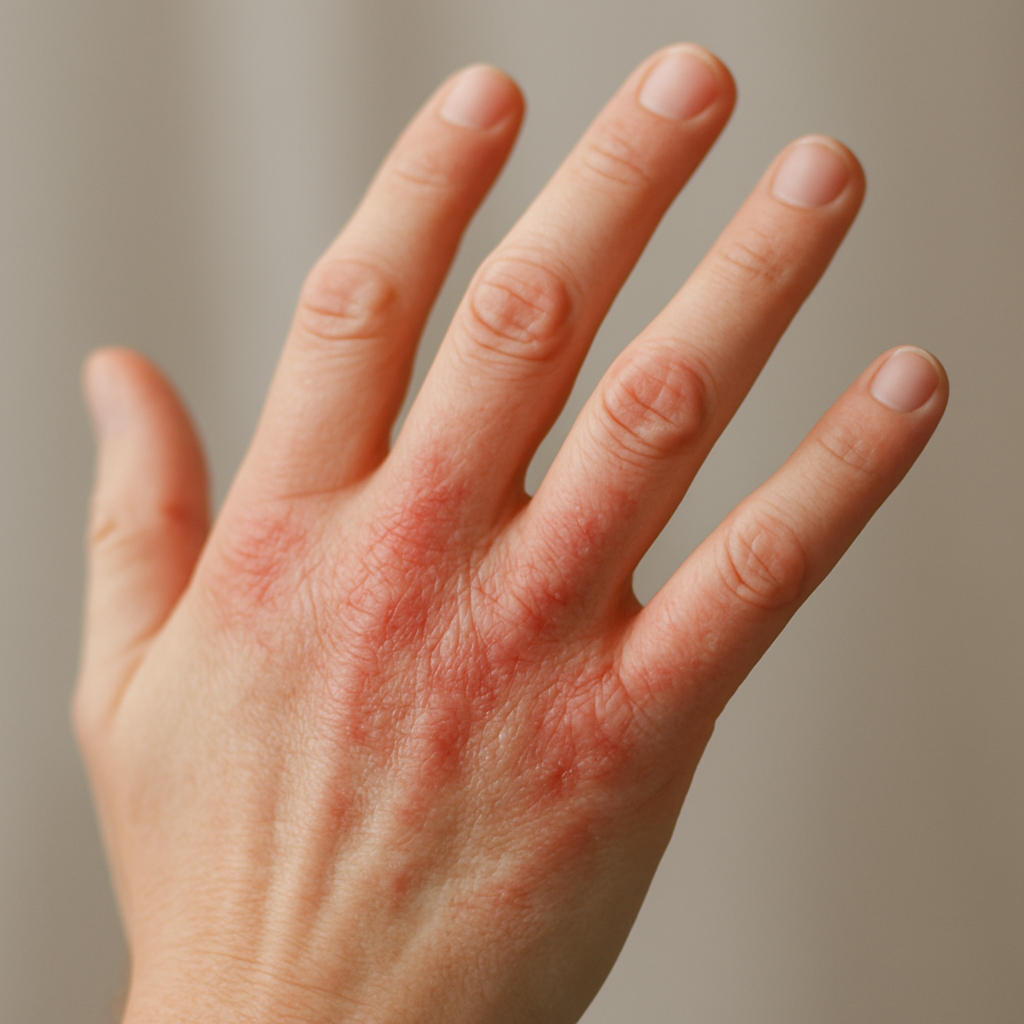
The primary symptoms include dry, cracked skin that feels rough to the touch, persistent redness across affected areas, intense itching that worsens at night, and a burning sensation during daily activities. Many people also develop small fluid-filled blisters, thickened skin patches that feel leathery, and visible peeling or flaking.
“Hand eczema symptoms extend beyond surface irritation, affecting daily comfort and hand function.”
The appearance varies depending on location. On palms, you'll notice deep cracks and thick, scaly patches. Fingers often show redness between the digits and around nail beds, while the back of hands typically displays red, inflamed patches that may weep or crust over. Wrist involvement creates distinct bands of irritation where jewelry or clothing rubs.
Unlike general dry skin that responds quickly to moisturizer, hand eczema symptoms persist despite regular care. The itching intensifies rather than subsides, and the skin continues cracking or developing new blisters. Understanding these specific signs helps ensure proper treatment and prevents the condition from worsening into more severe complications.
What Causes Hand Eczema?

Hand eczema develops from a combination of genetic susceptibility, environmental irritants, frequent moisture exposure, and compromised skin barrier function. Your hands are particularly vulnerable because they face constant exposure to harsh conditions that can break down the protective barrier keeping moisture in and irritants out.
Several specific risk factors increase your likelihood of developing hand eczema. Frequent hand washing strips away natural oils, while exposure to detergents, soaps, and cleaning chemicals creates additional irritation. Wet work environments keep hands damp for extended periods, softening the skin and making it more susceptible to damage. Cold weather compounds these issues by reducing natural oil production and causing skin to crack.
Certain occupations face higher risks due to repeated exposure patterns. Healthcare workers frequently wash hands and use sanitizers throughout their shifts. Professional cleaners handle strong chemical products daily. Food handlers work in wet environments while frequently washing hands to maintain hygiene standards.
Genetics play a significant role, with family history of eczema, asthma, or allergies increasing your susceptibility. People with naturally sensitive skin or existing skin conditions have compromised barriers that struggle to protect against irritants.
Understanding these causes helps address your concerns about preventing future breakouts. While genetics cannot be changed, identifying and minimizing exposure to specific triggers can significantly reduce flare-ups and help maintain healthier hands over time.
Hand Eczema Treatment Options
Effective hand eczema treatment combines multiple approaches to heal your skin and prevent future flare-ups. The good news is that most cases improve significantly with proper care, reducing concerns about permanent scarring when treatment begins promptly.
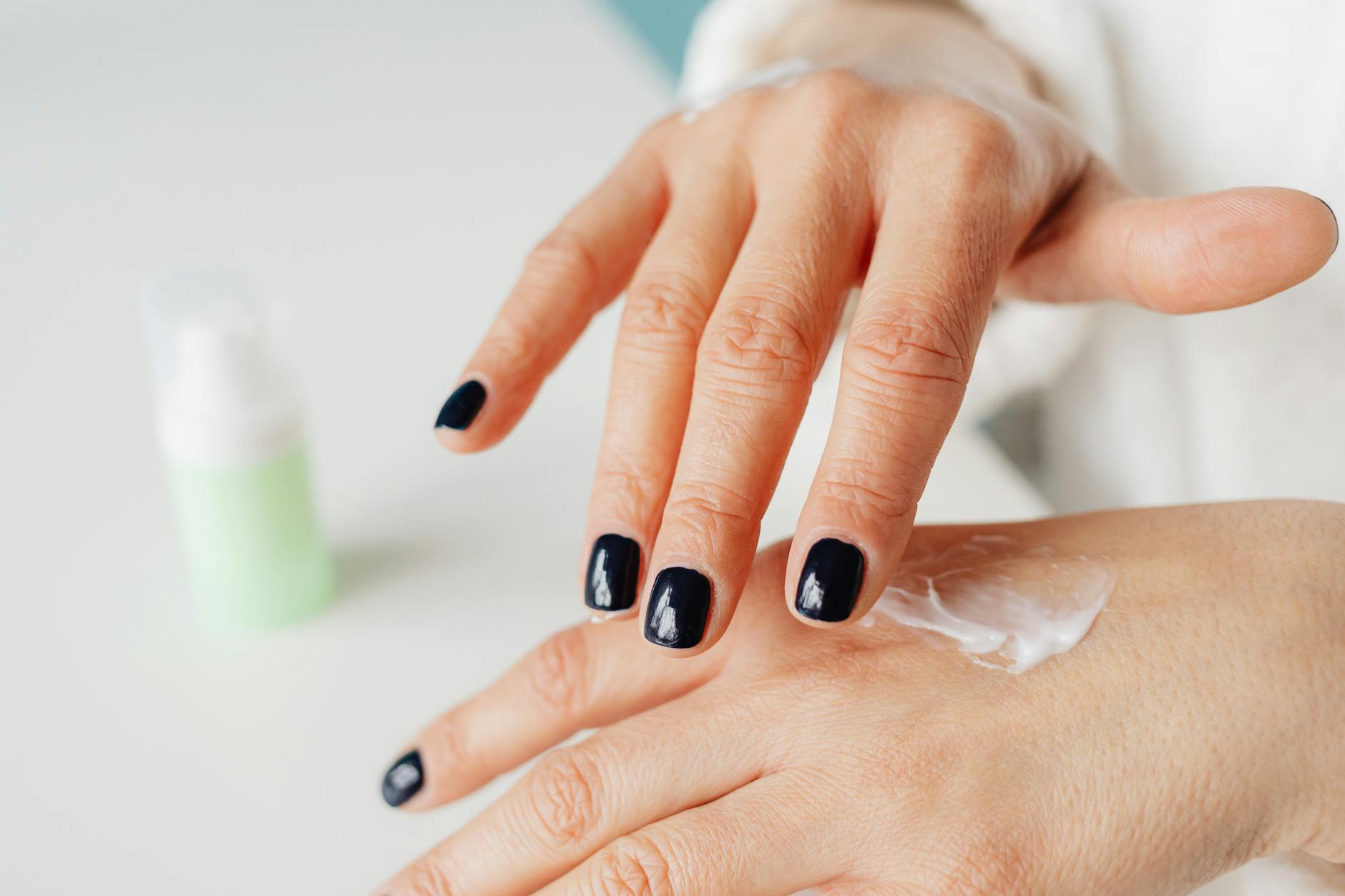
Moisturizers form the foundation of any treatment plan. Apply thick, fragrance-free creams or ointments to your hands immediately after washing and at least three times daily. Products containing ceramides or urea work particularly well for damaged skin barriers.
Topical corticosteroids provide powerful anti-inflammatory relief during active flare-ups. Your doctor might prescribe mild steroids like hydrocortisone for daily use or stronger formulations for severe episodes. Use these medications exactly as directed to avoid skin thinning.
Barrier creams create a protective layer between your hands and irritants. Apply these before work, cleaning, or handling potential triggers. Look for products containing dimethicone or petrolatum for maximum protection.
Antihistamines help control itching, especially at night. Oral options like loratadine or cetirizine reduce the urge to scratch, preventing further skin damage.
Avoiding irritants remains crucial for healing. Identify and eliminate triggers like harsh soaps, cleaning products, or specific materials that worsen your condition.
Wearing gloves protects your hands during wet work and chemical exposure. Use cotton-lined rubber gloves for cleaning and vinyl gloves for food preparation. Your hands require this extra protection while the skin barrier rebuilds.
Schedule a dermatologist appointment if your symptoms persist beyond four weeks, worsen despite treatment, or show signs of infection like pus or red streaking. Professional evaluation can identify specific triggers through patch testing and provide prescription treatments when over-the-counter options prove insufficient.
Prevention and Daily Hand Care
Preventing hand eczema requires protecting your hands' natural barrier function through consistent daily care. Simple changes to your handwashing routine and product choices can significantly reduce flare-ups and maintain healthy skin on your hands and body.
Proper handwashing technique makes a crucial difference. Use lukewarm water instead of hot water, which strips natural oils. Choose fragrance-free, gentle cleansers with a pH between 5.5 and 6.5. Pat your hands dry rather than rubbing vigorously, leaving them slightly damp for better moisturizer absorption.
Wear cotton-lined vinyl gloves when cleaning, washing dishes, or handling chemicals.
Apply moisturizer within three minutes of washing to lock in hydration.
Select moisturizers containing ceramides, hyaluronic acid, or glycerin for barrier repair.
Moisturizing frequency matters more than quantity. Apply hand cream after every wash, before bed, and whenever your hands feel tight or dry. Keep travel-sized moisturizers in your car, office, and purse for consistent application throughout the day.
Avoid products containing alcohol, fragrances, or harsh preservatives that can trigger inflammation. Read ingredient lists carefully and patch-test new products on your wrist before using them on irritated hand skin. Weather changes require adjusted routines—use thicker creams in winter and lighter lotions during humid summer months.
When Hand Eczema Affects Other Areas

Hand eczema rarely stays confined to just your hands. The same irritants and allergens that trigger hand symptoms can affect other parts of your body, creating a broader pattern of skin problems that many patients don't initially connect.
Your feet share many similarities with your hands - thick skin that endures constant friction and exposure to moisture. Eczema can develop on the soles and between toes, especially if you wear tight shoes or synthetic socks that trap sweat. The same contact allergens from rubber gloves can appear in shoe materials, creating matching reactions on hands and feet.
The chest and décolletage area often develop eczema from fragrances in lotions, laundry detergents, or jewelry metals that also affect your hands. When you apply hand cream and then touch your chest or neck, you can transfer both beneficial ingredients and potential irritants to these sensitive areas.
Your entire body's skin barrier function works as one system. Compromised hand skin often signals weakened barrier protection elsewhere. This creates vulnerability across larger skin surfaces, making your arms, legs, and torso more susceptible to dryness and irritation. Understanding these connections helps you develop a comprehensive skin care approach that prevents eczema from spreading beyond your hands.
Living with Hand Eczema: Long-term Management
Hand eczema is a chronic condition that requires patience and consistent care. While fears about permanent scarring are understandable, most people see significant improvement with proper management. Your hands can heal and return to healthy function when you develop the right long-term strategy.
Setting realistic expectations helps reduce frustration during treatment. Most people notice initial improvement within 2-4 weeks of starting treatment, but complete healing often takes 2-3 months. Some individuals may experience periodic flare-ups even after achieving clear skin, which is completely normal for chronic eczema.
Keep a simple diary noting activities, products, and foods before flare-ups occur.
Apply moisturizer immediately after washing hands and before bed every night.
Wear gloves for cleaning, dishwashing, and when handling potential irritants.
Building sustainable routines makes management feel less overwhelming. Choose fragrance-free products you actually enjoy using, since you'll need them daily for months or years. Keep travel-sized moisturizers in your car, office, and bag to maintain protection throughout the day.
Consider joining online support groups where others share practical tips for daily challenges like opening jars with sensitive skin or finding comfortable gloves for work. Remember that managing hand eczema successfully means accepting some trial and error while building habits that protect your skin long-term.
Consistent daily moisturizing and trigger avoidance prevent most hand eczema flare-ups better than treating them after they occur.
Frequently Asked Questions
What is hand eczema?
Hand eczema is a chronic inflammatory skin condition affecting the hands, medically classified under ICD-10 code L30.9. This legitimate dermatological condition involves persistent inflammation, redness, and irritation of the hand skin that can significantly impact daily activities and quality of life. Healthcare providers also call it hand dermatitis, dishpan hands, or contact hand eczema.
How common is hand eczema?
Hand eczema affects 2-10% of the general population, making it one of the most common occupational and lifestyle-related skin conditions. Women are 2.5 times more likely to develop hand eczema than men. Healthcare workers are particularly affected, with 15% experiencing this condition.
What are the symptoms of hand eczema?
Hand eczema symptoms include dry, cracked skin that feels rough, persistent redness, intense itching that worsens at night, and a burning sensation during daily activities. Many people also develop small fluid-filled blisters, thickened leathery skin patches, and visible peeling or flaking. Unlike general dry skin, these symptoms persist despite regular moisturizing care.
What causes hand eczema?
Hand eczema develops from a combination of genetic susceptibility, environmental irritants, frequent moisture exposure, and compromised skin barrier function. Your hands are particularly vulnerable because they face constant exposure to harsh conditions that can break down the protective barrier keeping moisture in and irritants out.
Does hand eczema cause permanent scarring?
While hand eczema can be persistent, proper treatment typically prevents permanent damage and helps restore normal skin appearance. Many people worry about permanent scarring or social embarrassment from visible hand symptoms, but this recognized medical condition has established treatments that can provide relief.
Disclaimer: This content is for informational purposes only and does not constitute medical advice. Always consult a qualified healthcare provider before making health decisions.