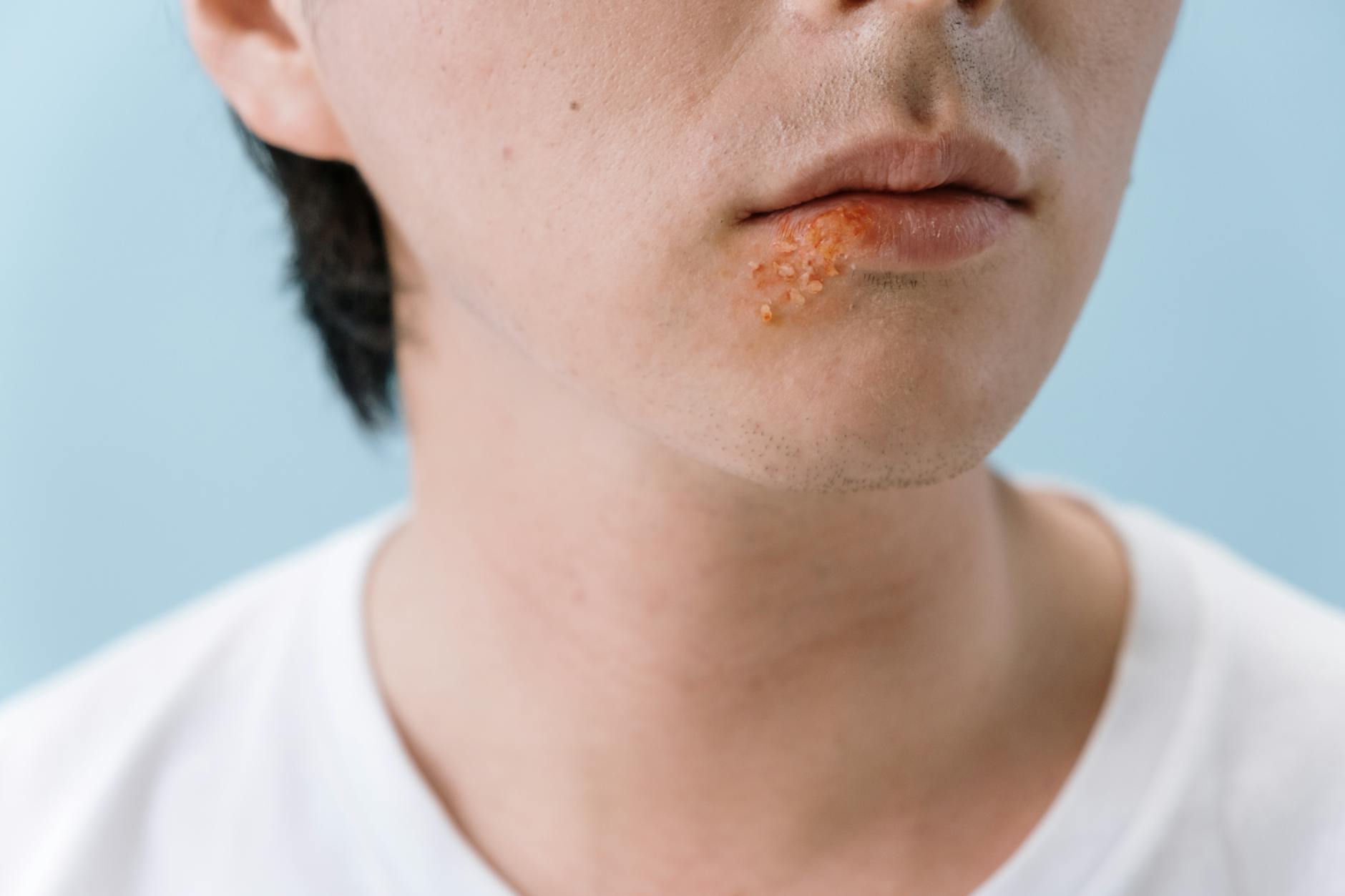
How to Use This Skin Condition Symptoms Checker

This guide helps you identify common skin conditions by examining your symptoms systematically. While it cannot replace professional medical advice, it provides a starting point for understanding what might be affecting your skin and when to seek help.
"Proper skin assessment starts with careful observation of your symptoms in good lighting."
Take clear photos and note when symptoms started, what triggers worsen them, and any pain or itching.
Look for specific characteristics like rash location, color changes, or texture differences.
Compare your findings with condition descriptions while noting any red flag symptoms.
Seek immediate medical attention for sudden severe reactions, spreading infections, or symptoms affecting large skin areas. Remember that permanent scarring often results from untreated conditions or aggressive self-treatment, so professional diagnosis remains crucial for persistent or concerning symptoms.
This checker has limitations—it cannot diagnose rare conditions, consider your medical history, or account for symptom combinations unique to your situation.
Identifying Acne-Related Skin Conditions

Understanding the type of acne affecting your skin helps you choose the right treatment approach and prevents worsening that could lead to permanent scarring. Three main acne conditions present distinct visual patterns and symptoms that you can learn to recognize.
Acne Vulgaris represents the most common form, featuring blackheads and whiteheads (comedones) alongside red bumps (papules) and pus-filled lesions (pustules). This condition primarily targets areas rich in oil glands—your face, chest, back, and shoulders. The lesions vary in size but typically remain close to the skin surface.
Cystic Acne creates deep, painful lumps beneath the skin surface. These cysts feel tender to touch and often contain pus, appearing as large, inflamed nodules on the face, neck, chest, back, and shoulders. This severe form poses the highest risk for permanent scarring and requires prompt professional treatment.
"Cystic acne creates deep, painful lumps beneath the skin surface that pose the highest risk for permanent scarring."
Hormonal Acne follows predictable patterns, clustering around the jawline and chin. Women often notice these deep, painful breakouts worsen before menstruation, creating a cyclical pattern that distinguishes hormonal acne from other types.
Recognizing Inflammatory Skin Conditions
Inflammatory skin conditions create distinct patterns that help differentiate them from acne. Understanding these visual markers prevents confusion and guides appropriate treatment choices.
Atopic Dermatitis (eczema) appears as intensely itchy, dry patches with red, inflamed skin. The hallmark symptom is severe itching that often worsens at night. Look for scaly, rough texture on the face, neck, inner elbows, and behind the knees. The skin may appear thickened from repeated scratching, and you might notice oozing or crusting in active flare-ups.
Plaque Psoriasis creates thick, raised patches covered with silvery-white scales over red, inflamed skin. These plaques feel different from eczema—they're more defined and elevated. Common locations include elbows, knees, scalp, and lower back. The scales often peel away in layers, and the underlying skin may crack or bleed.
Both conditions can cause social discomfort, but proper identification leads to effective treatment. While these conditions may persist long-term, they respond well to appropriate therapy and rarely cause permanent scarring when managed correctly.
Red Flag Symptoms That Require Immediate Attention
While most skin conditions resolve with proper care, certain warning signs demand immediate medical evaluation to prevent serious complications or permanent damage. Recognizing these red flags can help you avoid scarring and address potentially dangerous conditions before they worsen.
Sudden widespread rashes covering large body areas, especially when accompanied by fever, difficulty breathing, or swelling of the face and throat, may indicate a severe allergic reaction requiring emergency care. These symptoms can progress rapidly and become life-threatening within hours.
Signs of skin infection include increasing redness, warmth, pus-filled bumps, red streaking from a wound, or fever. For example, a small cut that develops expanding red lines radiating outward suggests spreading bacterial infection that needs immediate antibiotic treatment.
Rapidly changing moles present another critical concern. Watch for moles that grow quickly, change color dramatically, develop irregular borders, or begin bleeding or itching. These changes could indicate melanoma, which becomes increasingly dangerous when treatment is delayed.
Severe skin pain, unexplained bleeding from existing lesions, or wounds that won't heal after two weeks also warrant professional evaluation to rule out serious underlying conditions.
Body Location as a Diagnostic Clue

Where your skin symptoms appear provides crucial diagnostic information that helps narrow down potential conditions. Different body areas have unique characteristics that make them susceptible to specific skin problems, making location one of the most reliable clues for identification.
Face-specific conditions like Acne Vulgaris predominantly target sebaceous gland-rich areas including the T-zone, often leaving behind scarring that causes social embarrassment. The face, chest, back, and shoulders are prime locations due to higher oil production in these regions.
Body fold conditions thrive in warm, moist environments. Areas like armpits, groin, and under breasts commonly develop fungal infections or contact dermatitis from trapped moisture and friction.
Hand and foot conditions often result from environmental exposure or contact allergens. These areas endure constant use and external irritants, making them vulnerable to contact dermatitis and infections.
Scalp conditions present unique challenges due to hair coverage. Seborrheic dermatitis and psoriasis frequently affect this area, while Atopic Dermatitis commonly appears behind ears and at the hairline, particularly in children where it affects the face, neck, and inner elbows.
When to See a Dermatologist
While self-assessment tools help identify potential skin conditions, certain warning signs indicate you need professional medical evaluation. Recognizing these red flags prevents delayed treatment and reduces your risk of permanent scarring or complications.
Schedule a dermatology appointment if your skin symptoms persist beyond two weeks without improvement. Chronic conditions like eczema or psoriasis require professional diagnosis and treatment plans that over-the-counter products cannot provide.
Seek immediate consultation when existing symptoms worsen despite proper home care. This includes spreading rashes, increasing pain or itching, or new symptoms appearing alongside your original concern. Your skin's response to treatment provides valuable diagnostic information.
Don't hesitate to book an appointment when skin problems interfere with your daily activities, sleep, or social confidence. Dermatologists understand that visible skin conditions affect your quality of life and can provide both medical treatment and emotional support.
Most importantly, see a specialist whenever you feel uncertain about your diagnosis. Early intervention often prevents complications and achieves faster, more effective results than delayed treatment.
Trust your instincts—when in doubt about any skin condition, professional evaluation beats guesswork every time.
Frequently Asked Questions
How do I use a skin condition symptoms checker?
Start by documenting your symptoms with clear photos and noting when they started, triggers, and any pain or itching. Check for specific patterns like rash location, color changes, or texture differences. Then compare your findings with condition descriptions while watching for red flag symptoms.
When should I see a doctor for skin problems?
Seek immediate medical attention for sudden severe reactions, spreading infections, or symptoms affecting large skin areas. Professional diagnosis is crucial for persistent or concerning symptoms since untreated conditions or aggressive self-treatment can cause permanent scarring.
What is the difference between acne vulgaris and cystic acne?
Acne vulgaris is the most common form featuring blackheads, whiteheads, red bumps, and pus-filled lesions that remain close to the skin surface. Cystic acne creates deep, painful lumps beneath the skin surface that feel tender to touch and pose the highest risk for permanent scarring.
How can I identify hormonal acne?
Hormonal acne follows predictable patterns, clustering around the jawline and chin. Women often notice these deep, painful breakouts worsen before menstruation, creating a cyclical pattern that distinguishes hormonal acne from other types.
What are the limitations of online skin condition checkers?
Online skin condition checkers cannot diagnose rare conditions, consider your medical history, or account for symptom combinations unique to your situation. They provide a starting point for understanding skin issues but cannot replace professional medical advice.
Disclaimer: This content is for informational purposes only and does not constitute medical advice. Always consult a qualified healthcare provider before making health decisions.