Over-the-Counter Treatments

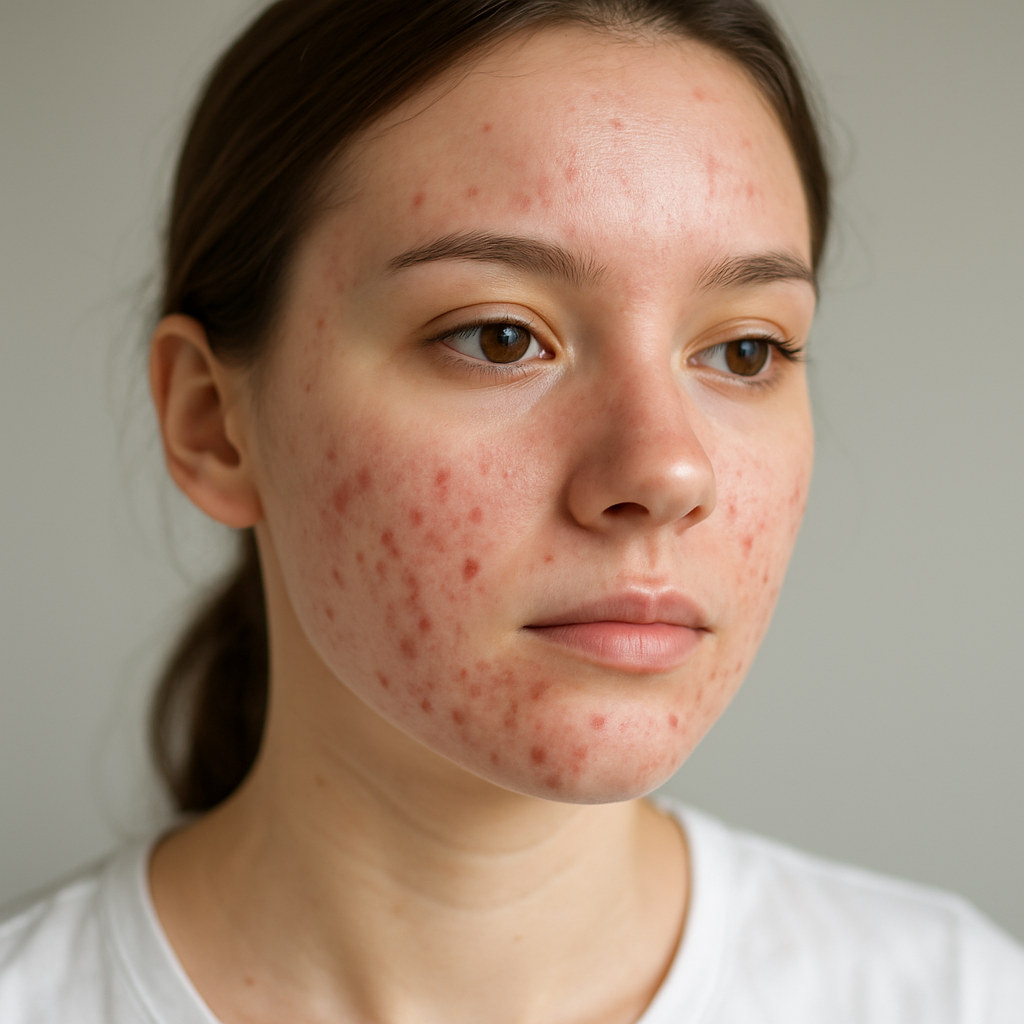
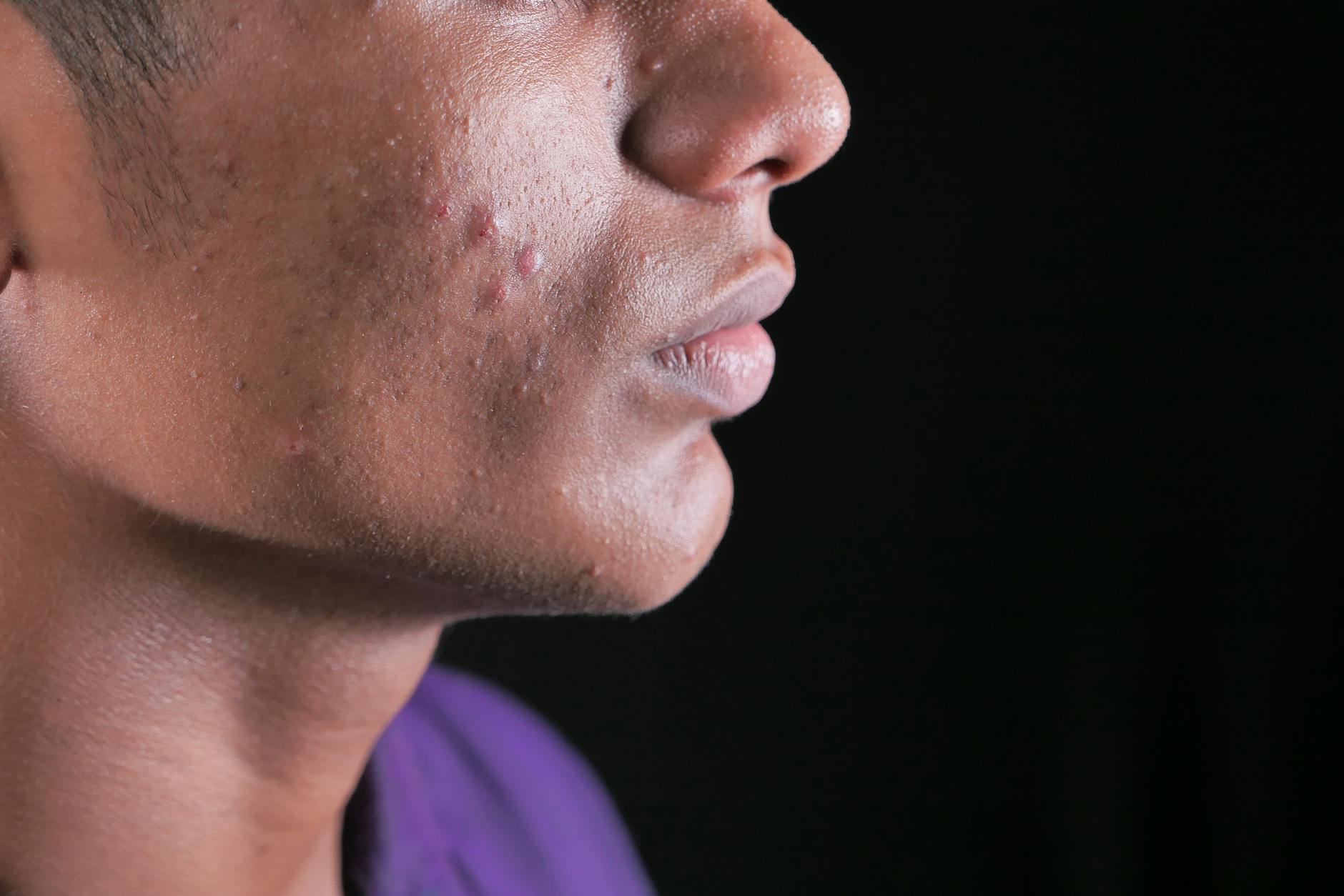
When dealing with Acne Vulgaris, the common inflammatory skin condition affecting 85% of people aged 12-24 years, starting with over-the-counter treatments offers an accessible first step. These readily available options can effectively address mild to moderate breakouts without requiring a dermatologist visit or prescription.
“The right over-the-counter treatment can prevent mild acne from progressing to severe forms that cause scarring.”
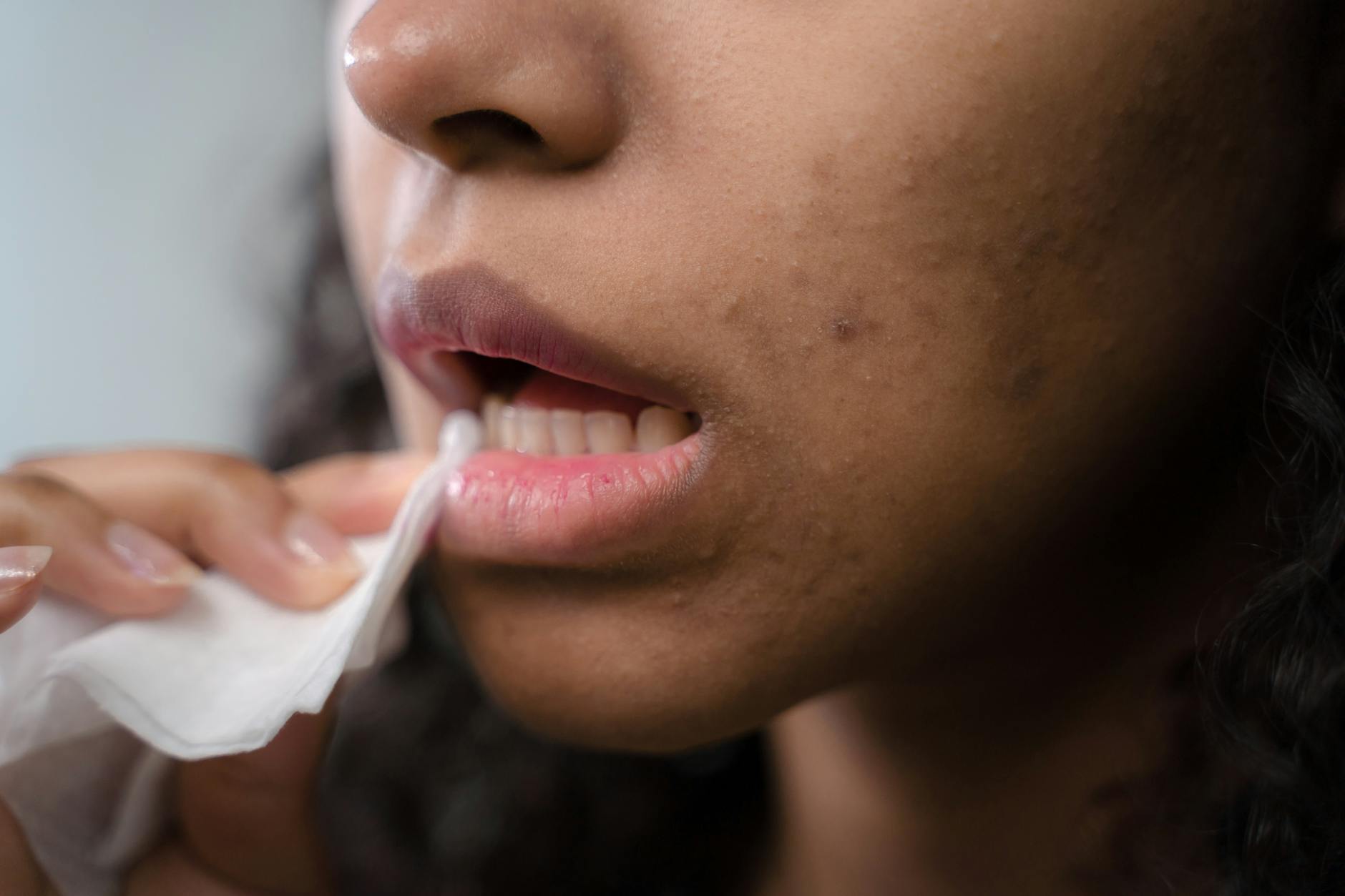
Benzoyl peroxide stands as the gold standard for bacterial reduction, killing acne-causing bacteria while helping prevent new breakouts. Start with 2.5% concentrations to minimize irritation. Salicylic acid works differently by unclogging pores and removing dead skin cells that trap oil and bacteria. Look for products containing 0.5% to 2% salicylic acid for gentle yet effective exfoliation.
Over-the-counter retinoids, like adapalene gel, target mild Acne Vulgaris by normalizing skin cell turnover and preventing pore blockages. For example, Differin Gel became available without prescription in 2016, making retinoid therapy more accessible for early intervention before scarring occurs.
Prescription Medications

When over-the-counter treatments fail to clear stubborn acne, dermatologists prescribe stronger medications that target the root causes more aggressively. These prescription options become essential for moderate to severe breakouts that risk leaving permanent scars.
Oral antibiotics like doxycycline and minocycline fight inflammatory acne by reducing bacteria and calming inflammation. Doctors typically prescribe these for 3-6 months, often combining them with topical treatments for better results.
“Prescription treatments prevent the permanent scarring that many patients fear most.”
Topical retinoids, including tretinoin and adapalene, unclog pores and speed up skin cell turnover. These vitamin A derivatives tackle persistent breakouts that don't respond to gentler treatments, though they may cause initial dryness and peeling.
For severe Cystic Acne, isotretinoin represents the most powerful treatment available. This oral medication shrinks oil glands dramatically and can provide permanent clearing after a single course. While isotretinoin requires careful monitoring due to potential side effects, it transforms lives for patients suffering from deep, painful cysts that cause scarring and emotional distress.
Hormonal Treatments
Hormonal Acne affects 25% of women aged 40-49, appearing as deep, painful cystic lesions along the jawline and chin. These breakouts result from hormonal fluctuations that increase oil production, creating the perfect environment for bacterial overgrowth in clogged pores.
Oral contraceptives regulate hormone levels effectively for many women, reducing both breakout frequency and severity. Birth control pills containing estrogen and progestin work by suppressing androgen production, which directly decreases oil production in your skin.
Spironolactone targets hormonal breakouts by blocking androgen receptors, preventing these hormones from triggering excessive oil production. This medication specifically helps those stubborn jawline and chin breakouts that worsen before menstruation. Most patients see improvement within three to six months of consistent treatment.
Professional Procedures

When over-the-counter treatments aren't enough, dermatologists offer powerful in-office procedures that target stubborn acne more aggressively. These professional treatments can help prevent the scarring you're worried about while delivering faster results than at-home options.
Chemical peels use acids like salicylic or glycolic acid to remove damaged skin layers and unclog pores. Your dermatologist applies the solution during a 15-minute office visit, revealing smoother skin underneath within a week.
For painful cystic acne, corticosteroid injections work like magic. A tiny needle delivers medicine directly into the cyst, reducing inflammation and size within 24 hours. This prevents the deep scarring that cysts often leave behind.
Laser therapy targets acne bacteria and reduces oil production using focused light energy. Multiple sessions spaced weeks apart typically clear resistant breakouts that haven't responded to other treatments.
Choosing the Right Treatment
Selecting the right acne treatment depends on understanding your specific type and severity. Mild Acne Vulgaris with occasional blackheads and small bumps responds well to over-the-counter products like benzoyl peroxide or salicylic acid. Moderate cases benefit from prescription topical retinoids combined with antibiotics.
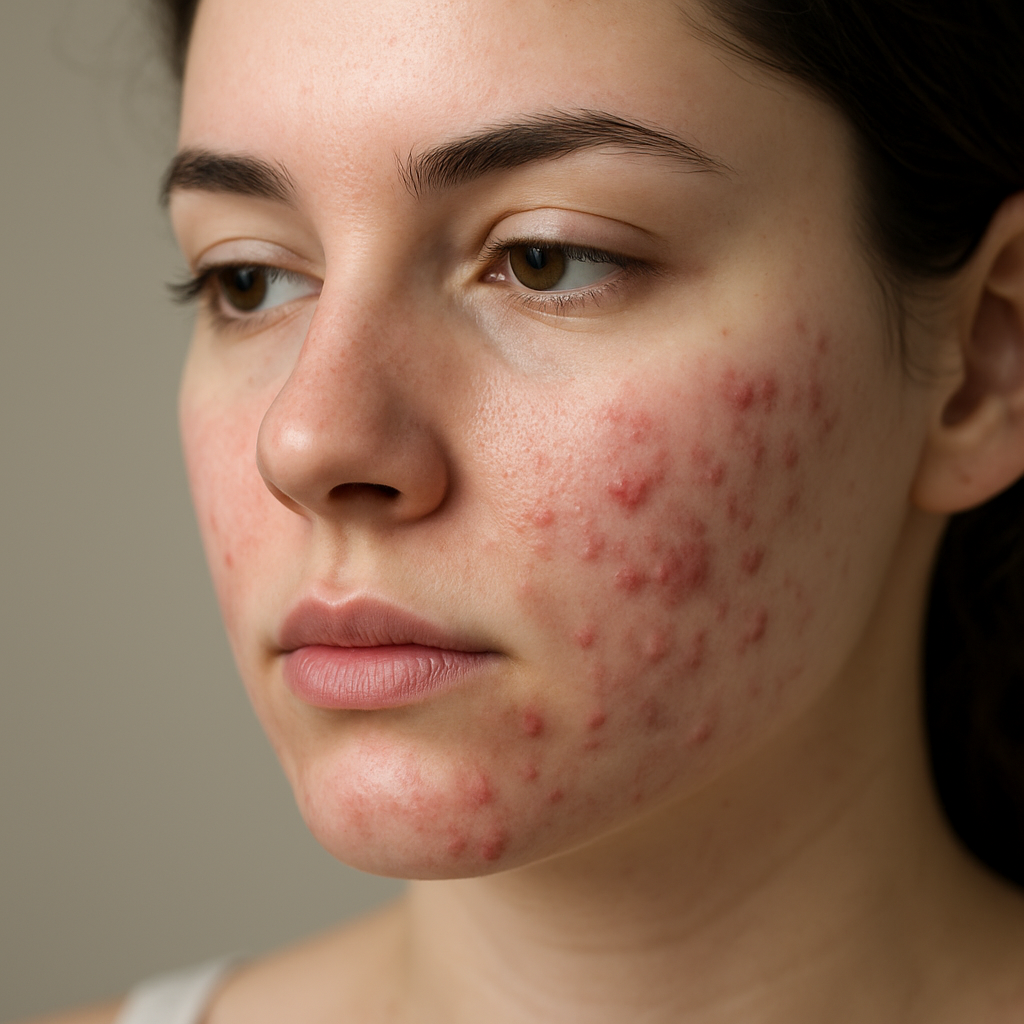
Cystic Acne requires aggressive treatment to prevent permanent scarring. Deep, painful cysts demand professional intervention with isotretinoin or corticosteroid injections. Don't attempt to treat severe cystic lesions with drugstore products alone.
Hormonal Acne appears as deep bumps along the jawline and chin, especially before menstruation. This type responds best to hormonal therapies like spironolactone or birth control pills rather than traditional topical treatments.
Combination therapy works better than single treatments for most people. Pairing a topical retinoid with benzoyl peroxide or antibiotics targets multiple acne causes simultaneously.
See a dermatologist immediately if you have painful cysts, scarring, or treatments haven't improved your skin after 6-8 weeks. Early professional intervention prevents permanent damage and social embarrassment.
Match your treatment to your acne type and severity, and seek professional help early for cystic acne to prevent scarring.
Frequently Asked Questions
What over-the-counter treatments work best for acne?
Benzoyl peroxide stands as the gold standard for bacterial reduction, killing acne-causing bacteria while helping prevent new breakouts. Salicylic acid works by unclogging pores and removing dead skin cells that trap oil and bacteria. Over-the-counter retinoids like adapalene gel target mild acne by normalizing skin cell turnover and preventing pore blockages.
When should I consider prescription acne medication?
Prescription medications become essential when over-the-counter treatments fail to clear stubborn acne and for moderate to severe breakouts that risk leaving permanent scars. These stronger medications target the root causes more aggressively than over-the-counter options. Dermatologists typically prescribe these for persistent breakouts that don't respond to gentler treatments.
How effective is isotretinoin for severe acne?
Isotretinoin represents the most powerful treatment available for severe cystic acne, with 85% of patients achieving clear skin. This oral medication shrinks oil glands dramatically and can provide permanent clearing after a single course lasting 16-20 weeks. While it requires careful monitoring due to potential side effects, it transforms lives for patients suffering from deep, painful cysts that cause scarring.
What causes hormonal acne in older women?
Hormonal acne affects 25% of women aged 40-49 and appears as deep, painful cystic lesions along the jawline and chin. These breakouts result from hormonal fluctuations that increase oil production, creating the perfect environment for bacterial overgrowth in clogged pores. Even 12% of women over 50 are affected by hormonal acne.
How long does it take to see improvement with acne treatments?
Most acne treatments require patience, with hormonal treatments typically taking 3-6 months for improvement. Oral antibiotics are usually prescribed for 3-6 months and often combined with topical treatments for better results. The right treatment can prevent mild acne from progressing to severe forms that cause permanent scarring.
Disclaimer: This content is for informational purposes only and does not constitute medical advice. Always consult a qualified healthcare provider before making health decisions.