Why Retinol Works for Anti-Aging

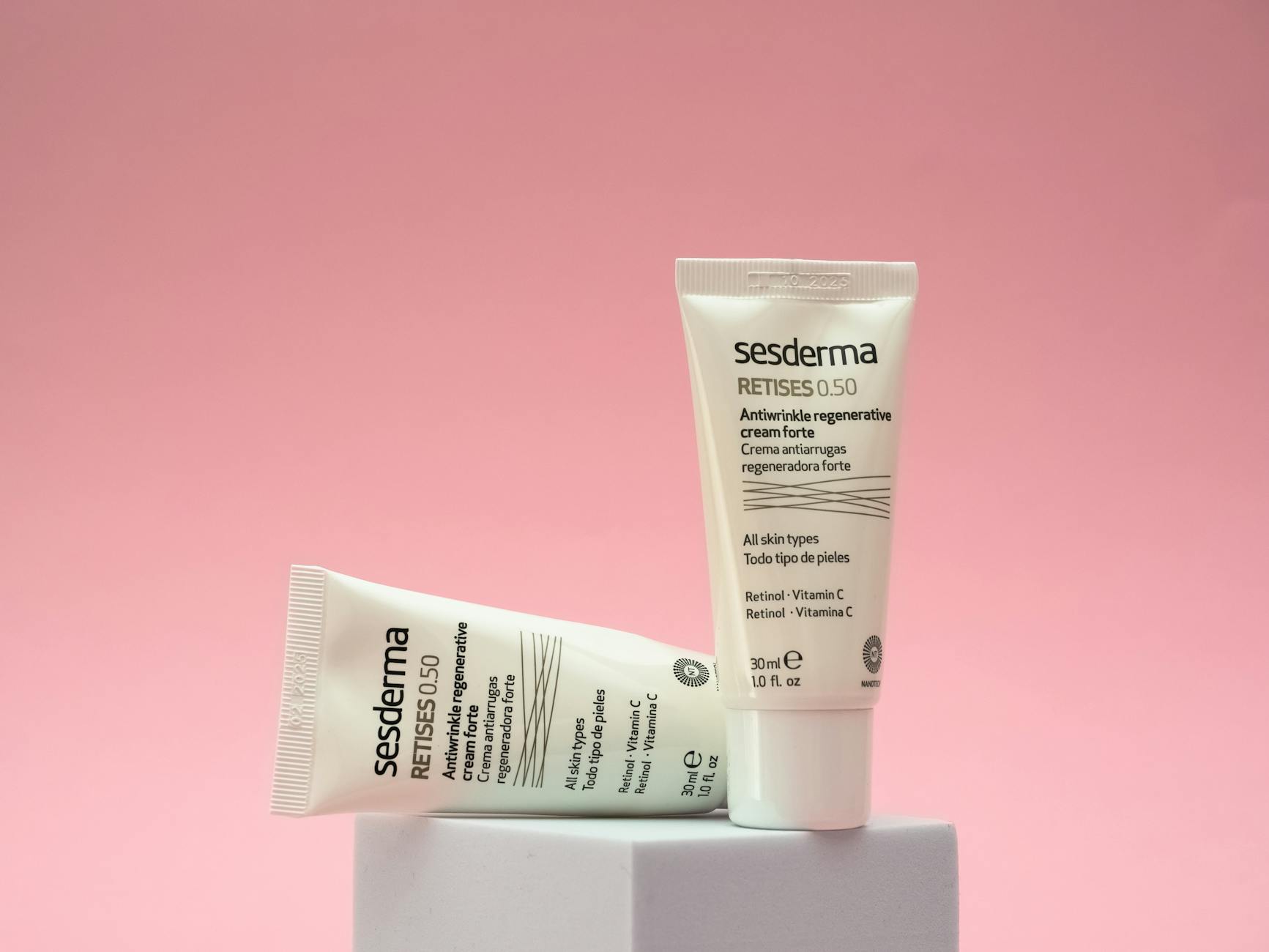
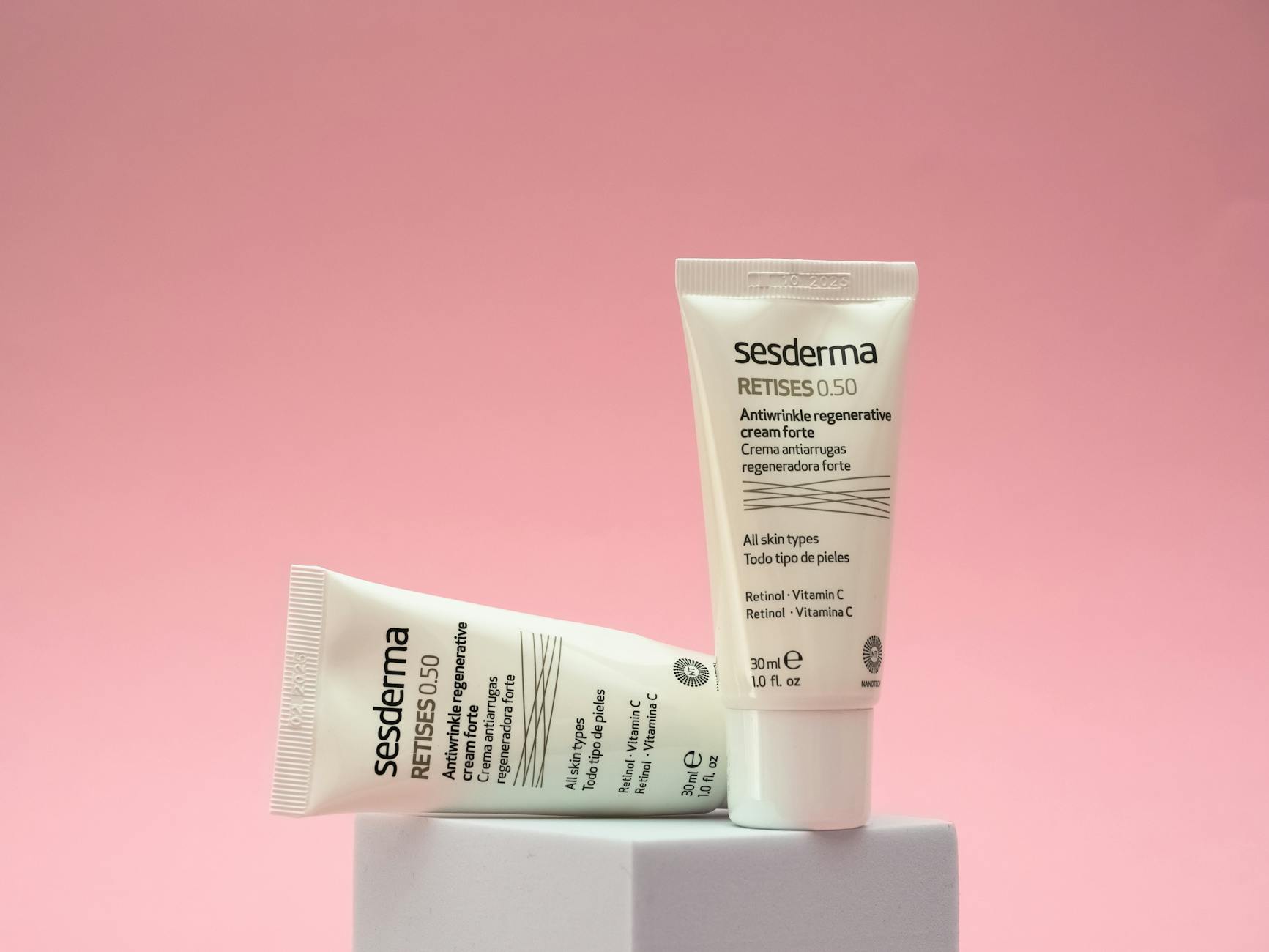
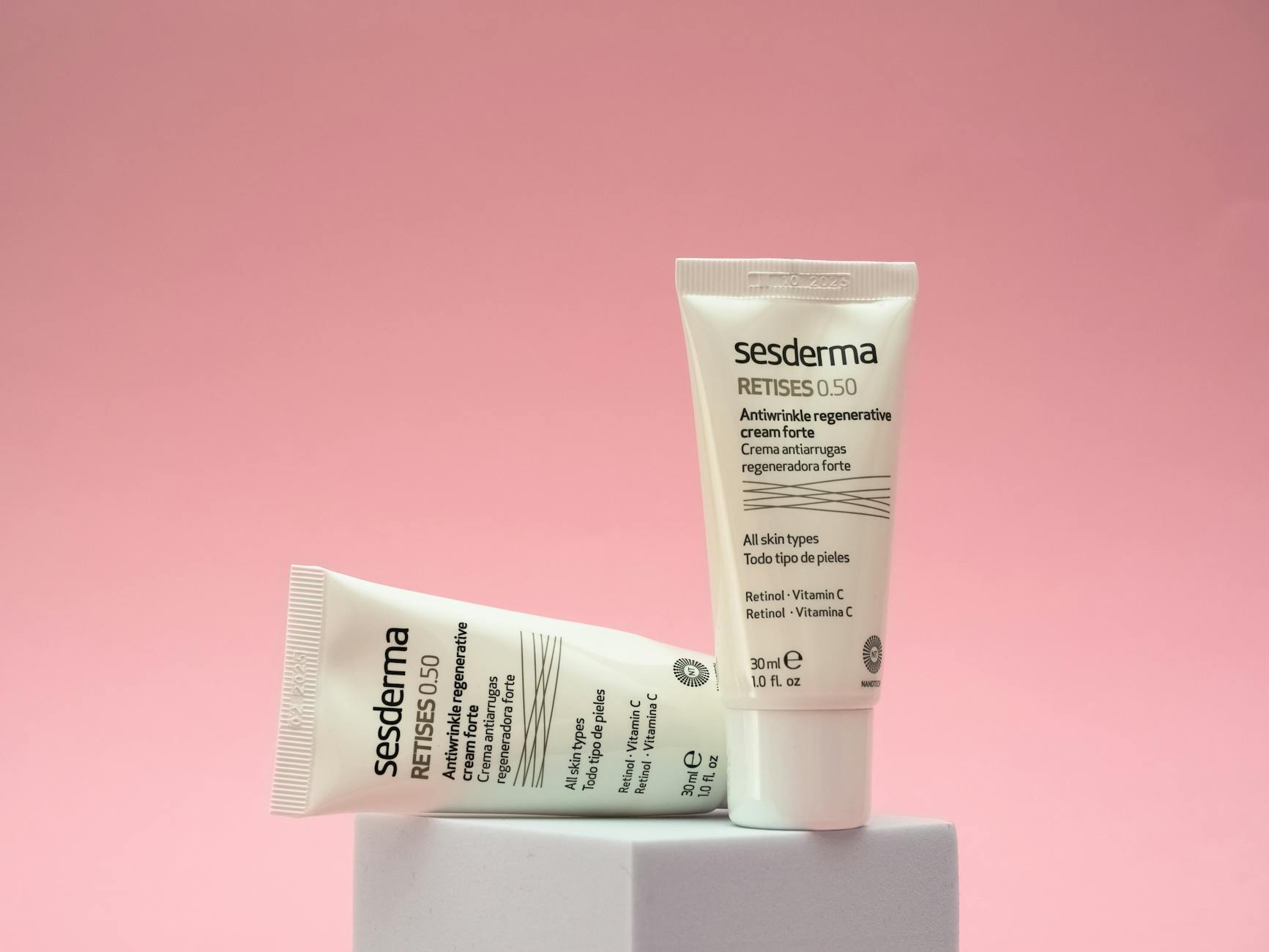
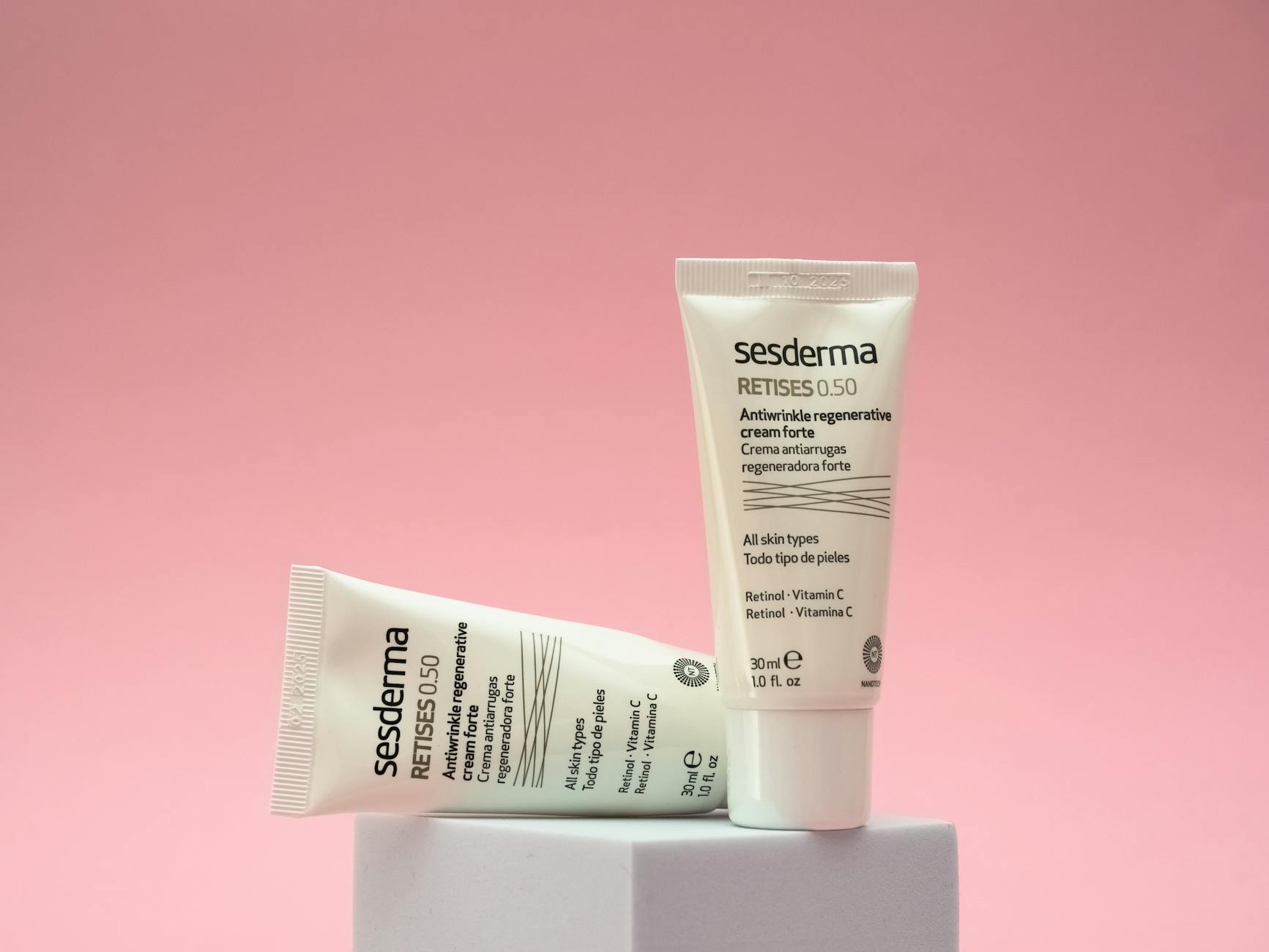
Retinol stands out as one of the most scientifically proven anti-aging ingredients available today. This vitamin A derivative works by accelerating your skin's natural cell turnover process, pushing fresh, healthy cells to the surface while shedding old, damaged ones more quickly than your body would naturally.
“Retinol transforms aging skin by literally rewiring how your cells behave at the deepest level.”
When you apply retinol consistently, it penetrates deep into your skin and communicates directly with your cellular DNA. This process stimulates collagen production, the protein responsible for keeping your skin firm and plump. As collagen levels increase, fine lines soften and skin texture becomes noticeably smoother.
The beauty of retinol lies in its proven track record. Dermatologists have studied this ingredient for over 40 years, with countless clinical trials demonstrating its ability to reverse visible signs of aging. Unlike trendy skincare ingredients that promise quick fixes, retinol delivers measurable results that compound over time.
Your skin naturally slows down cell regeneration as you age, but retinol essentially turns back the clock on this process. While some people worry about initial irritation, starting slowly with lower concentrations allows your skin to adapt safely and effectively.
Signs of Aging Retinol Addresses

Understanding which aging concerns retinol targets helps you set realistic expectations for your skincare journey. This powerful ingredient works on multiple fronts to improve your skin's appearance over time.
Fine lines around your eyes and mouth respond particularly well to retinol treatment. These expression lines form from repeated muscle movements and collagen breakdown. Retinol stimulates new collagen production, gradually softening these visible signs of aging. Most people notice improvements in crow's feet and smile lines within 12-16 weeks of consistent use.
“Retinol works on multiple aging concerns simultaneously, making it one of the most versatile anti-aging ingredients available.”
Skin texture and roughness improve as retinol accelerates cell turnover. Dead skin cells shed more efficiently, revealing smoother, more refined skin underneath. This process also helps minimize the appearance of enlarged pores and surface irregularities.
Loss of firmness occurs naturally as skin produces less collagen with age. Retinol counteracts this by encouraging your skin to rebuild its support structure, creating a firmer, more youthful appearance.
Uneven skin tone, including age spots and sun damage, fades as retinol promotes healthy cell renewal. The ingredient helps break up accumulated melanin deposits while encouraging fresh, evenly pigmented skin cells to surface.
How to Start Using Retinol for Anti-Aging
Starting retinol correctly prevents irritation and maximizes anti-aging benefits without the scarring concerns many people fear. The key lies in patience and gradual introduction rather than jumping into high concentrations immediately.
Begin with 0.25% to 0.5% retinol products to minimize potential irritation.
Apply retinol only 2-3 times per week for the first month.
Retinol increases sun sensitivity, so nighttime application protects your skin.
After four weeks, add one more night per week until using nightly.
Apply retinol to clean, dry skin and wait 20 minutes before using moisturizer. This waiting period reduces irritation while maintaining effectiveness. For example, cleanse your face at 9 PM, apply retinol, then moisturize at 9:20 PM.
Expect mild peeling and redness during the first two weeks. This "retinization" process is normal and temporary. If severe irritation occurs, reduce frequency to once weekly until skin adapts. Always follow with broad-spectrum SPF 30 sunscreen during the day, as retinol makes skin more photosensitive.
Combining Retinol with Other Anti-Aging Ingredients
Building an effective anti-aging routine means pairing retinol with complementary ingredients that enhance its benefits while minimizing irritation. The key is understanding which combinations work synergistically and which ones can cause problems.
Hyaluronic Acid serves as the perfect partner for retinol. This powerful humectant holds up to 1000 times its weight in water, providing the deep hydration your skin needs while using retinol. Apply hyaluronic acid serum after your retinol at night to counteract any dryness and maintain your skin barrier.
Use Vitamin C serum followed by moisturizer and SPF 30+ sunscreen.
Apply retinol, then hyaluronic acid, followed by a niacinamide moisturizer.
Vitamin C works brilliantly in your morning routine. This potent antioxidant brightens skin and stimulates collagen synthesis while protecting against environmental damage throughout the day. Never mix vitamin C directly with retinol, as this can cause irritation and reduce effectiveness.
Niacinamide strengthens your skin barrier and provides anti-inflammatory benefits that complement retinol's effects. This form of vitamin B3 can be used both morning and evening, making it incredibly versatile for combination routines.
Avoid mixing retinol with alpha hydroxy acids or beta hydroxy acids in the same application, as this combination can cause severe irritation and potential damage to your skin barrier.
What to Expect: Anti-Aging Timeline

Understanding retinol's timeline helps set realistic expectations for your anti-aging journey. This vitamin A derivative works gradually to transform your skin, but patience is essential for lasting results.
The first two weeks bring an initial adjustment period. Your skin may experience mild dryness, flaking, or slight irritation as it adapts to retinol's cell-turnover effects. This temporary phase doesn't indicate permanent damage or scarring—it's your skin learning to process this powerful ingredient.
First improvements appear around 4-6 weeks. You'll notice smoother texture and a subtle glow as retinol accelerates cellular renewal. Fine lines begin softening during this period.
Significant anti-aging results emerge at 3-6 months. Deeper wrinkles diminish, age spots fade, and skin firmness improves noticeably. Your complexion appears more youthful and even-toned.
Long-term maintenance benefits continue indefinitely with consistent use. Retinol prevents new signs of aging while maintaining the improvements you've achieved, making it a cornerstone of effective anti-aging skincare.
Common Mistakes to Avoid
Even well-intentioned retinol users can sabotage their anti-aging progress with these common errors. Understanding what not to do protects your skin from unnecessary irritation and prevents the permanent scarring you're worried about.
The biggest mistake? Starting with too much product. Many people squeeze out a pea-sized amount when they need just a tiny dot. This overenthusiasm leads to severe peeling, redness, and potential scarring. Begin with a rice grain-sized amount every third night.
Skipping moisturizer ranks as the second most damaging error. Your skin barrier needs protection while retinol works. Apply a gentle, fragrance-free moisturizer 20 minutes after your retinol dries.
Forgetting daily sunscreen undoes all your progress. Retinol makes skin more vulnerable to UV damage, which accelerates aging and causes dark spots. Use SPF 30 minimum every single day.
Expecting overnight transformation sets you up for disappointment. Real anti-aging results take 12-16 weeks of consistent use.
Start slowly with minimal product, always moisturize and use sunscreen, then give retinol time to work its magic.
Frequently Asked Questions
How does retinol work for anti-aging?
Retinol works by accelerating your skin's natural cell turnover process, pushing fresh, healthy cells to the surface while shedding old, damaged ones more quickly. It penetrates deep into your skin and communicates directly with your cellular DNA, stimulating collagen production. This increased collagen helps keep skin firm and plump, softening fine lines and improving skin texture over time.
What signs of aging does retinol help with?
Retinol addresses multiple aging concerns including fine lines around the eyes and mouth, skin texture and roughness, loss of firmness, and uneven skin tone. It helps minimize the appearance of enlarged pores and surface irregularities while promoting smoother, more refined skin. Retinol also helps fade age spots and sun damage by encouraging healthy cell renewal and breaking up accumulated melanin deposits.
How should I start using retinol for the first time?
Begin with a low concentration of 0.25% to 0.5% retinol to minimize potential irritation. Start slowly by applying retinol only 2-3 times per week for the first month. Always use retinol at night only, as it increases sun sensitivity and nighttime application protects your skin.
How long does it take to see results from retinol?
Most people notice improvements in fine lines like crow's feet and smile lines within 12-16 weeks of consistent use. The results compound over time, with measurable improvements becoming more apparent as you continue regular application. Unlike trendy ingredients that promise quick fixes, retinol delivers proven results that build gradually.
Is retinol scientifically proven for anti-aging?
Yes, retinol has been studied by dermatologists for over 40 years with countless clinical trials demonstrating its ability to reverse visible signs of aging. It stands out as one of the most scientifically proven anti-aging ingredients available today. Unlike trendy skincare ingredients, retinol has a proven track record of delivering measurable, long-term anti-aging results.
Disclaimer: This content is for informational purposes only and does not constitute medical advice. Always consult a qualified healthcare provider before making health decisions.