Common Botox Injection Areas on the Face

Botox treatments focus primarily on the upper face, where dynamic wrinkles form from repeated muscle movements. The forehead, area between the eyebrows (glabellar lines), and crow's feet around the eyes represent the three FDA-approved zones for cosmetic Botox injections.
“Each injection area targets specific muscle groups responsible for creating distinct wrinkle patterns.”
The forehead targets the frontalis muscle that creates horizontal lines when you raise your eyebrows. Glabellar injections address the corrugator and procerus muscles that cause frown lines between your brows. Crow's feet treatments focus on the orbicularis oculi muscle surrounding your eyes.
While these three areas have FDA approval, dermatologists also perform off-label treatments for other facial zones. These include lip lines, neck bands, and jawline contouring, though results vary by individual anatomy and muscle structure.
Upper Face Treatment Zones

The upper face contains three primary Botox treatment zones that address the most common expression lines. Each area requires specific injection techniques to achieve natural-looking results while maintaining your facial expressions.
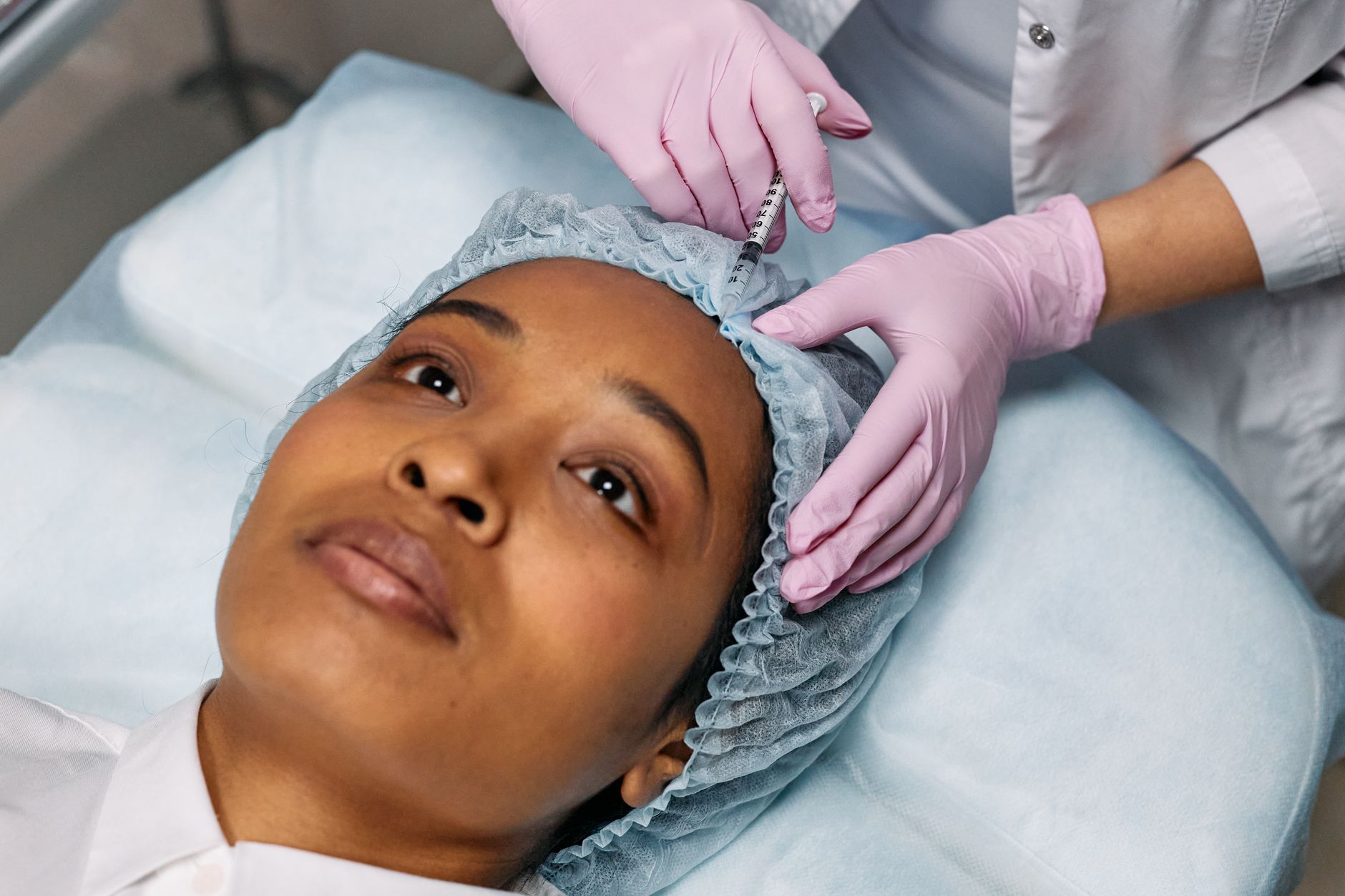
The forehead receives injections in a grid pattern, typically 4-8 injection sites placed horizontally across the muscle. Your provider will inject into the frontalis muscle at a shallow depth to smooth horizontal worry lines without creating a frozen appearance.
“Strategic injection placement preserves natural movement while eliminating unwanted wrinkles.”
The glabellar complex, located between your eyebrows, targets those deep frown lines that make you look angry or concerned. This area typically requires 5 injection points in the procerus and corrugator muscles. For example, a patient with moderate frown lines might receive injections in an inverted V pattern.
Crow's feet around your eyes need 3-5 injections per side in the orbicularis oculi muscle. These lateral canthal lines develop from smiling and squinting, but proper treatment won't eliminate your ability to express joy naturally. The injections target only the outer portions that create unwanted creasing.
Mid-Face and Lower Face Options
Beyond the traditional upper face areas, Botox effectively treats several mid-face and lower face zones that many patients don't realize are options. These treatments address specific concerns while maintaining natural facial expressions.
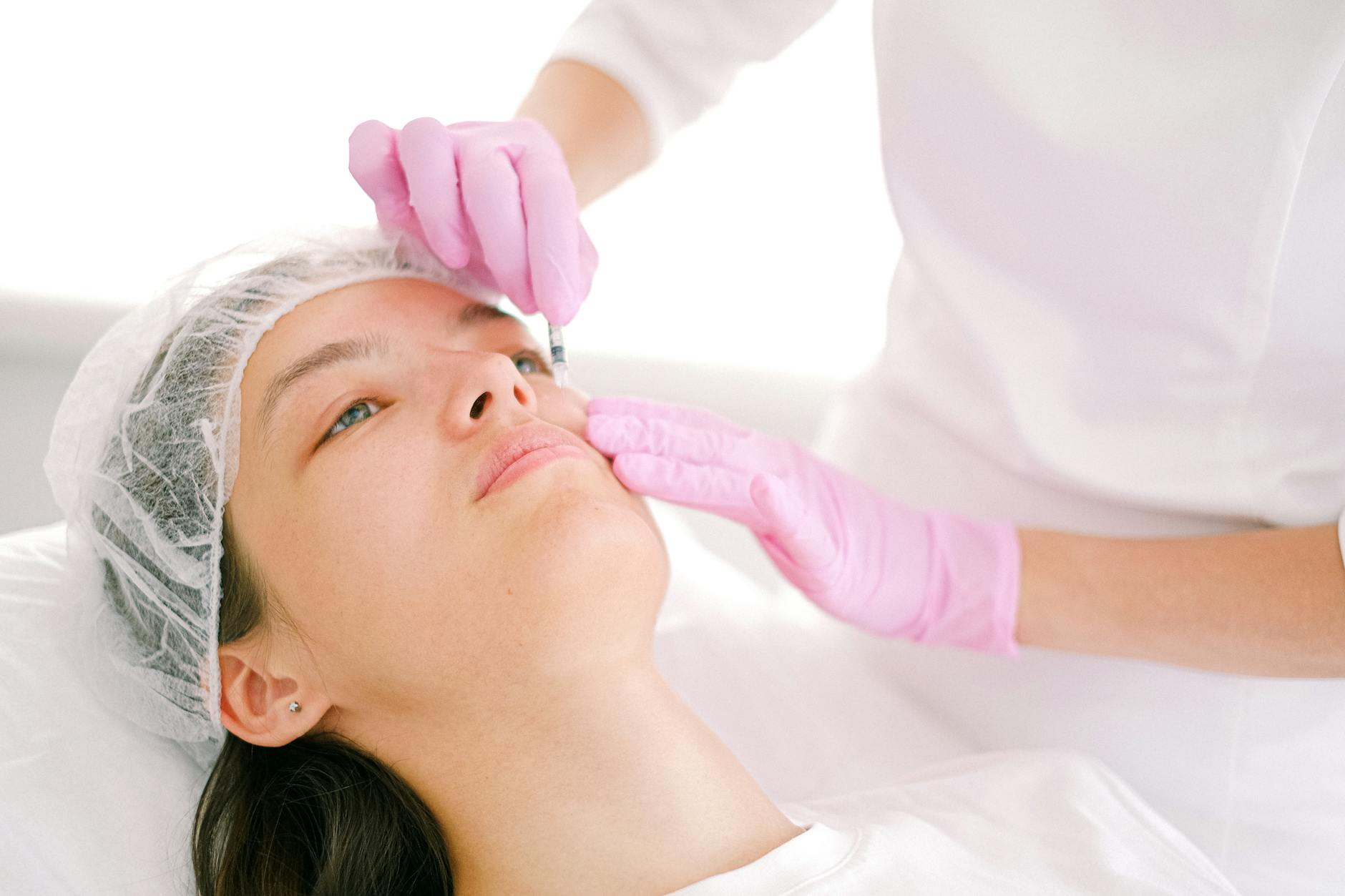
Bunny lines appear as diagonal wrinkles on either side of your nose when you scrunch your face or smile broadly. Small doses of Botox smooth these lines without affecting your natural smile. The lip flip technique uses tiny amounts injected above the upper lip to create a subtle fullness by relaxing the muscle that pulls your lip downward.
Masseter muscle treatments target the large jaw muscles responsible for teeth grinding and can slim a square jawline. This treatment requires larger doses but provides relief from jaw tension and creates a more oval face shape.
Platysmal bands are the vertical neck cords that become prominent with age. Botox injections along these bands create a smoother neck profile, though results vary based on skin elasticity and muscle prominence.
Choosing the Right Areas for Your Goals

Start with your forehead and crow's feet for the most dramatic results as a beginner. These areas respond predictably to treatment and rarely cause complications that might lead to the scarring you're concerned about.
Combination treatments work well for comprehensive facial rejuvenation. Pair Botox with Chemical Peels to address both muscle movement and skin texture. Chemical peels remove damaged skin layers through controlled chemical exfoliation, treating acne scars, fine lines, and uneven tone while Botox prevents new wrinkle formation.
Budget by prioritizing problem areas that bother you most. Discuss your concerns, medical history, and realistic expectations with your provider. They'll create a treatment plan that addresses your primary goals while staying within your comfort zone financially and medically.
What to Expect During Zone Assessment
Your provider begins by examining your face's natural muscle patterns and movement. They'll ask you to make expressions like frowning, smiling, and raising your eyebrows to see exactly how your muscles create wrinkles. This mapping process ensures precise injection placement without affecting your natural expressions or causing unwanted changes to your appearance.
Provider evaluates your facial movement patterns and muscle strength.
They determine the exact number of units needed for each treatment zone.
You'll learn when to expect results in each area.
Different zones require varying amounts of product. The forehead typically needs 10-30 units, while crow's feet require 5-15 units per side. Results appear gradually, with movement reduction starting within 3-5 days and full effects visible at two weeks.
A thorough assessment ensures natural-looking results tailored to your specific facial anatomy and aesthetic goals.
Frequently Asked Questions
What are the FDA-approved areas for Botox injections on the face?
The three FDA-approved zones for cosmetic Botox injections are the forehead, glabellar lines (between the eyebrows), and crow's feet around the eyes. These areas focus on the upper face where dynamic wrinkles form from repeated muscle movements. Each injection area targets specific muscle groups responsible for creating distinct wrinkle patterns.
How many injection sites are needed for forehead Botox treatment?
The forehead typically receives 4-8 injection sites placed horizontally across the muscle in a grid pattern. Your provider will inject into the frontalis muscle at a shallow depth to smooth horizontal worry lines. This technique helps maintain natural facial expressions while eliminating unwanted wrinkles.
Can Botox be used to treat jaw muscles and neck lines?
Yes, Botox can treat masseter muscles in the jaw to address teeth grinding and slim a square jawline, though this requires larger doses. It can also smooth platysmal bands, which are the vertical neck cords that become prominent with age. These are off-label treatments that vary in results based on individual anatomy and muscle structure.
What areas should beginners start with for Botox treatment?
Beginners should start with the forehead and crow's feet for the most dramatic results. These areas respond predictably to treatment and rarely cause complications. Starting with these traditional upper face zones helps patients achieve natural-looking results while maintaining facial expressions.
How does Botox treatment for crow's feet work?
Crow's feet treatment involves 3-5 injections per side in the orbicularis oculi muscle around the eyes. These lateral canthal lines develop from smiling and squinting over time. The injections target only the outer portions that create unwanted creasing while preserving your ability to express joy naturally.
Disclaimer: This content is for informational purposes only and does not constitute medical advice. Always consult a qualified healthcare provider before making health decisions.