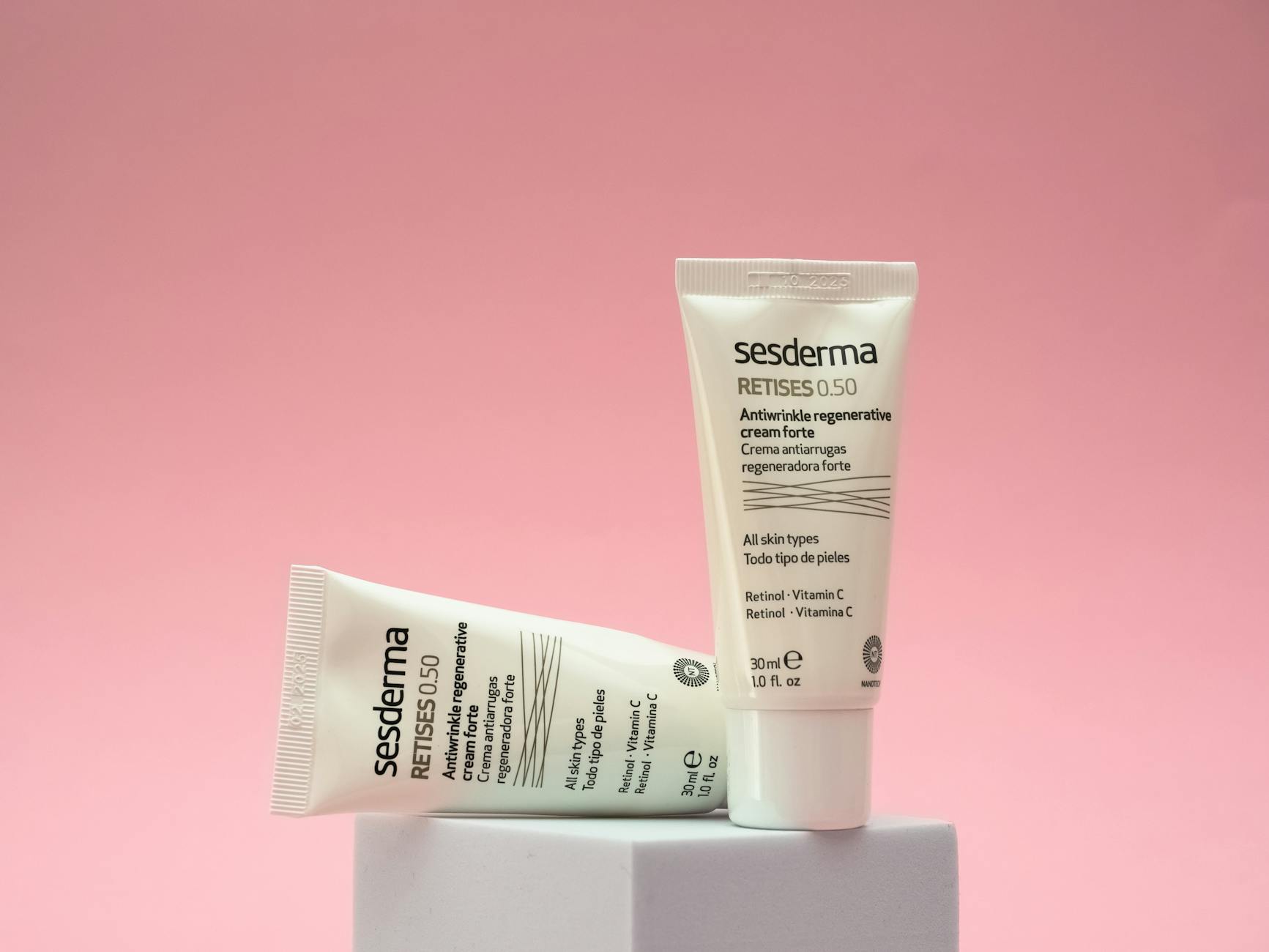
What Makes Retinol So Effective for Your Skin

Retinol stands out as one of dermatology's most scientifically-backed skincare ingredients because it works at the cellular level to transform your skin. This vitamin A derivative speeds up your skin's natural cell turnover process, pushing fresh, healthy cells to the surface while clearing away damaged ones that can lead to clogged pores and eventual scarring.
"Retinol works by accelerating your skin's renewal process, preventing the buildup of dead cells that cause breakouts and permanent damage."
Unlike many skincare ingredients that target single issues, retinol tackles multiple skin concerns simultaneously. It unclogs pores to prevent acne formation, smooths rough texture, reduces fine lines, and helps fade dark spots left behind by previous breakouts. This multi-action approach means you're addressing both current skin problems and preventing future damage with one proven ingredient.
Dermatologists have relied on retinol for decades because clinical studies consistently demonstrate its effectiveness. The ingredient stimulates collagen production, which strengthens your skin's structure and reduces the likelihood of scarring from acne. With regular use, retinol helps create the clear, smooth complexion you're seeking while building your skin's resilience against future breakouts and premature aging.
Anti-Aging Benefits: Smoother, Younger-Looking Skin

Retinol (CAS: 68-26-8) delivers some of the most impressive anti-aging benefits available in skincare. This vitamin A derivative works at the cellular level to transform aging skin through multiple mechanisms that address your most visible concerns.
Fine lines and wrinkles diminish as retinol accelerates cell turnover, pushing newer, healthier cells to the surface. The ingredient targets both expression lines around your eyes and mouth, as well as deeper wrinkles that develop over time. Your skin becomes noticeably smoother as old, damaged cells shed more efficiently.
“Retinol's ability to stimulate collagen production makes it one of the most effective anti-aging ingredients available without a prescription.”
Skin texture and firmness improve dramatically because retinol stimulates your body's natural collagen production. Collagen provides the structural support that keeps skin plump and resilient. As we age, collagen production slows, but retinol helps restart this essential process. Many users notice their skin feels firmer and looks more youthful within weeks of consistent use.
Timeline expectations matter for realistic results. You'll typically see initial improvements in skin texture within 4-6 weeks of regular use. Fine lines begin softening around the 8-12 week mark, while deeper wrinkles may take 3-6 months to show significant improvement. Combining retinol with vitamin C (CAS: 50-81-7) during morning routines can enhance these anti-aging effects through complementary collagen-boosting mechanisms.
Remember that consistent, long-term use produces the most dramatic anti-aging benefits, making retinol an investment in your skin's future appearance.
Acne Treatment Benefits: Clearer, Healthier Skin
Retinol offers a powerful solution for acne treatment by attacking the root cause of breakouts. Unlike topical treatments that only address surface symptoms, this vitamin A derivative works deep within your pores to prevent acne formation at its source.
The primary way retinol fights acne is by accelerating cell turnover, which prevents dead skin cells from clogging your pores. When pores stay clear, bacteria cannot multiply and cause inflammatory breakouts. This process happens gradually over several weeks, making retinol particularly effective for persistent acne that resists other treatments.
Retinol also addresses acne scarring concerns that cause social embarrassment for many patients. By promoting new skin cell growth, it gradually smooths out shallow acne scars and improves overall skin texture. While deep scars require professional treatment, retinol can significantly minimize the appearance of post-inflammatory marks.
What makes retinol unique compared to Salicylic Acid is its dual action. While Salicylic Acid dissolves existing clogs, retinol prevents future ones from forming. This prevention mechanism makes retinol particularly valuable for long-term acne management, reducing the cycle of breakouts that leads to permanent scarring.
Skin Texture and Tone Improvements
Beyond fighting wrinkles and clearing acne, retinol delivers remarkable improvements to your skin's overall appearance and feel. This vitamin A derivative transforms rough, uneven skin into a smoother, more radiant complexion through accelerated cell turnover.
Retinol works systematically to even out skin tone by encouraging damaged surface cells to shed more rapidly. This process reveals fresh, healthy cells underneath while gradually fading dark spots, post-acne marks, and areas of hyperpigmentation that can cause social embarrassment. Your skin develops a more uniform appearance as these discolorations diminish over time.
Pore appearance significantly improves as retinol clears out accumulated debris and dead skin cells. While you cannot actually shrink pores permanently, consistent retinol use makes them appear smaller and less noticeable by keeping them clear and refined.
Retinol also enhances your other skincare products' effectiveness. When paired with niacinamide for additional pore refinement or hyaluronic acid for hydration, retinol helps these ingredients penetrate deeper into freshly renewed skin layers, maximizing their benefits for your complexion.
Getting Started: Maximizing Retinol Benefits Safely

Starting your retinol journey requires a strategic approach to avoid irritation that could worsen your skin concerns. Begin with the lowest concentration available, typically 0.25% to 0.5%, and use it only twice per week initially. This gradual introduction allows your skin to build tolerance without triggering excessive dryness or peeling that might delay your progress toward clear skin.
Apply retinol at night since sunlight breaks down the vitamin A derivative and increases photosensitivity.
Follow retinol with hyaluronic acid serum and moisturizer to prevent excessive dryness and maintain skin barrier function.
Use broad-spectrum SPF 30 or higher daily since retinol increases sun sensitivity for several weeks.
Hyaluronic acid becomes essential during retinol use because this powerful humectant holds up to 1000 times its weight in water, counteracting the drying effects while supporting skin healing. Pair it with a gentle, fragrance-free moisturizer to create a protective barrier.
Expect initial results within 4-6 weeks, with significant improvements appearing after 12 weeks of consistent use. Some people experience a "purging" phase where breakouts temporarily increase as clogged pores clear out—this typically resolves within 6-8 weeks and indicates the retinol is working effectively to prevent future breakouts.
Next Steps for Your Retinol Journey
Retinol delivers proven benefits: reduced acne, smoother texture, fewer fine lines, and clearer skin over time. The science backing these improvements is solid, and countless people have transformed their skin with consistent use.
Success requires patience and consistency. Start slowly, use sunscreen daily, and stick to your routine for at least three months to see meaningful changes. Your skin won't transform overnight, but gradual improvement prevents the permanent scarring you're worried about while building the clear complexion you want.
Consider consulting a dermatologist if you experience persistent irritation or want professional-strength options. They can customize your approach and address specific concerns about your skin's response to treatment.
Start with a low-concentration retinol product, use it consistently for three months, and always wear sunscreen to achieve clear, healthy skin safely.
Frequently Asked Questions
How does retinol work for skin?
Retinol works at the cellular level by accelerating your skin's natural cell turnover process, pushing fresh, healthy cells to the surface while clearing away damaged ones. This vitamin A derivative also stimulates collagen production, which strengthens your skin's structure and helps prevent scarring from acne. Unlike many skincare ingredients that target single issues, retinol tackles multiple skin concerns simultaneously including acne, fine lines, rough texture, and dark spots.
How long does retinol take to work?
You'll typically see initial improvements in skin texture within 4-6 weeks of regular use. Fine lines begin softening around the 8-12 week mark, while deeper wrinkles may take 3-6 months to show significant improvement. Consistent, long-term use produces the most dramatic benefits for your skin's appearance.
Does retinol help with acne?
Yes, retinol offers a powerful solution for acne treatment by attacking the root cause of breakouts. It works by accelerating cell turnover, which prevents dead skin cells from clogging your pores and allows bacteria to multiply and cause inflammatory breakouts. This process happens gradually over several weeks, making retinol particularly effective for persistent acne that resists other treatments.
What are the anti-aging benefits of retinol?
Retinol delivers impressive anti-aging benefits by diminishing fine lines and wrinkles through accelerated cell turnover. It stimulates your body's natural collagen production, which provides structural support that keeps skin plump, firm, and resilient. Many users notice their skin feels firmer and looks more youthful within weeks of consistent use, with both expression lines and deeper wrinkles showing improvement over time.
Disclaimer: This content is for informational purposes only and does not constitute medical advice. Always consult a qualified healthcare provider before making health decisions.