Why Botox Aftercare Matters for Your Results

Proper aftercare isn't just a suggestion—it's essential for getting the results you paid for. When you skip aftercare instructions, you risk uneven muscle relaxation, asymmetrical results, and shorter-lasting effects that may leave you feeling self-conscious about your appearance.
“How you care for your skin in the first 24-48 hours after Botox directly determines whether you'll love or regret your results.”
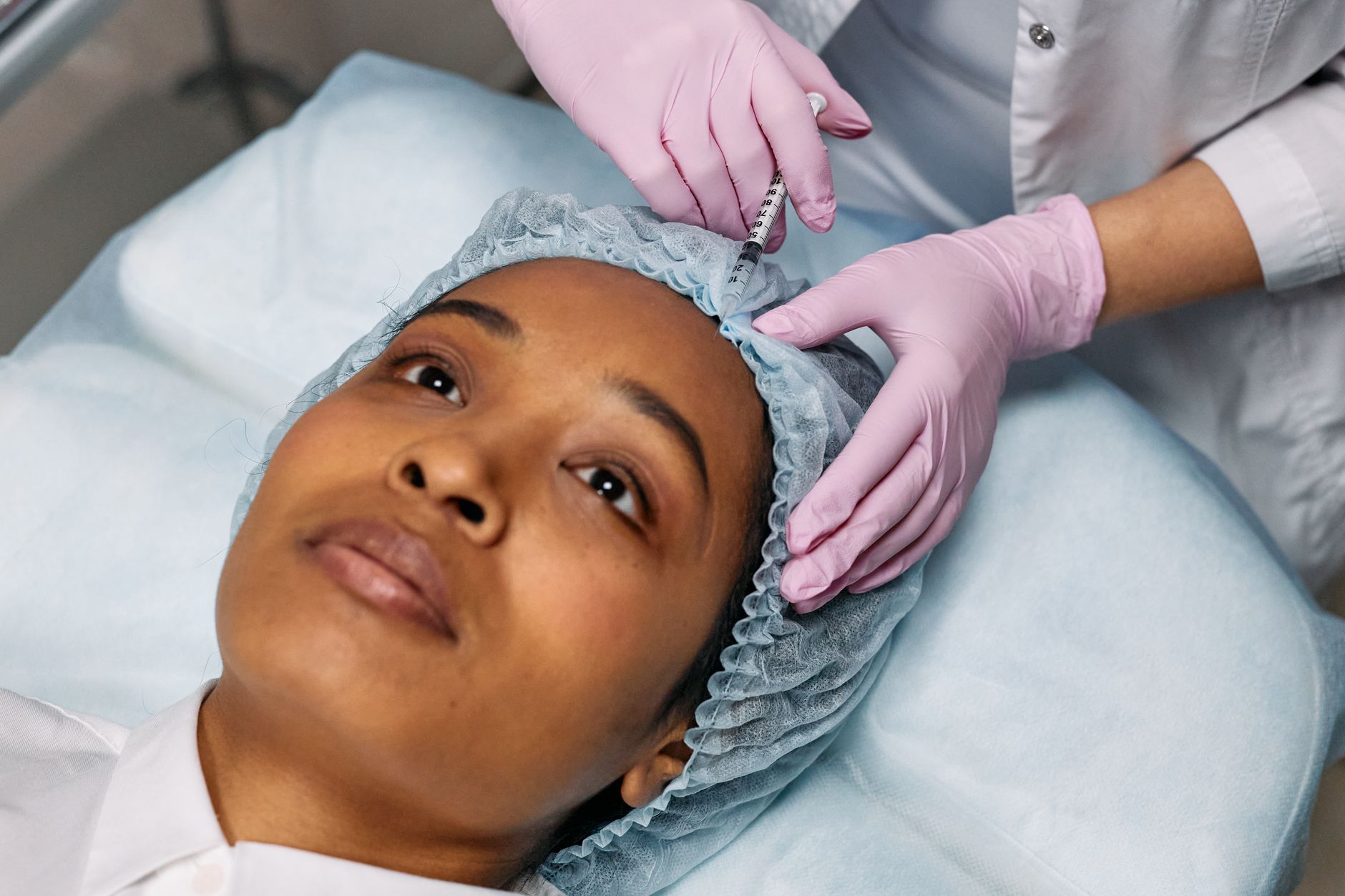
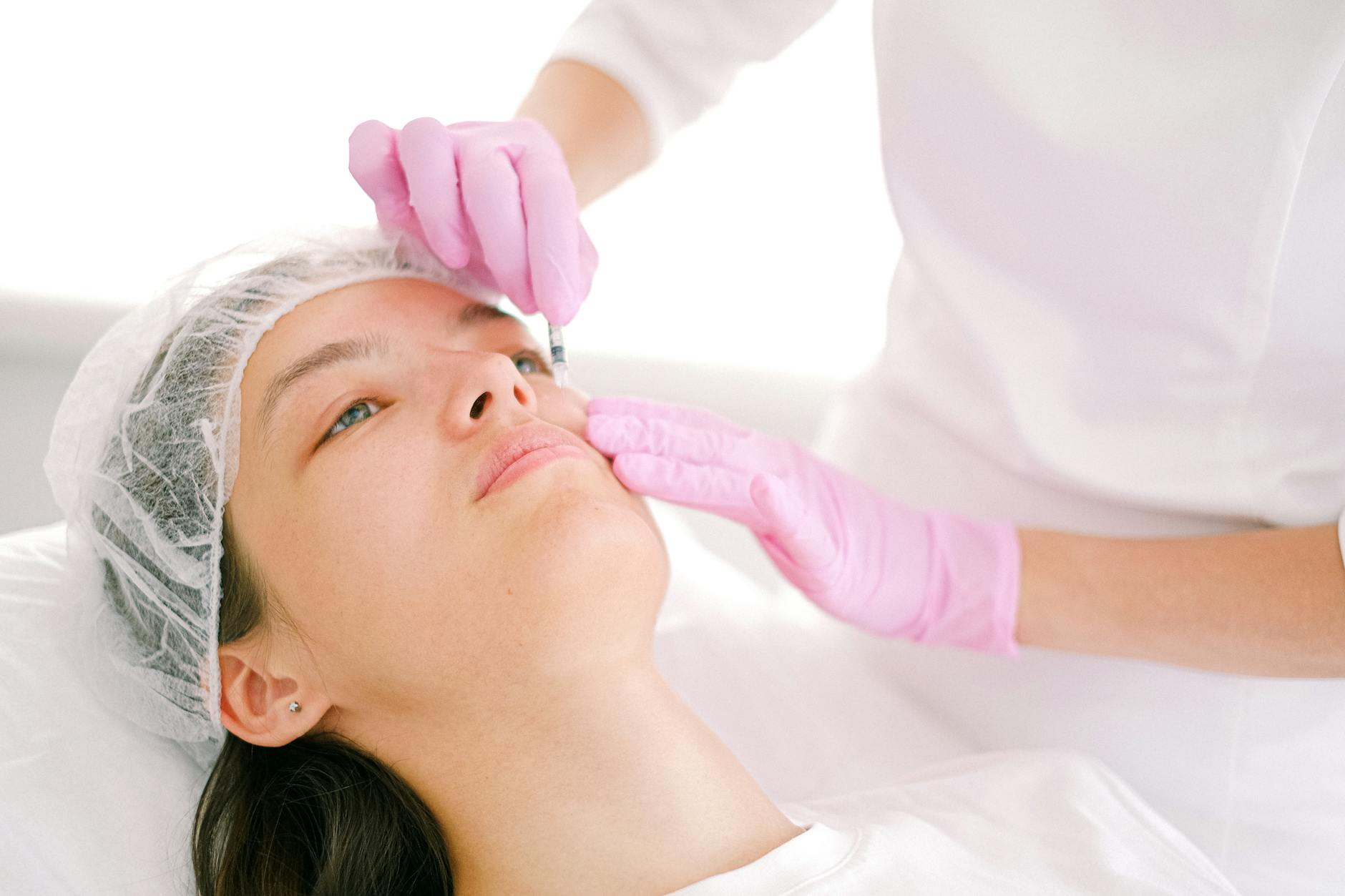
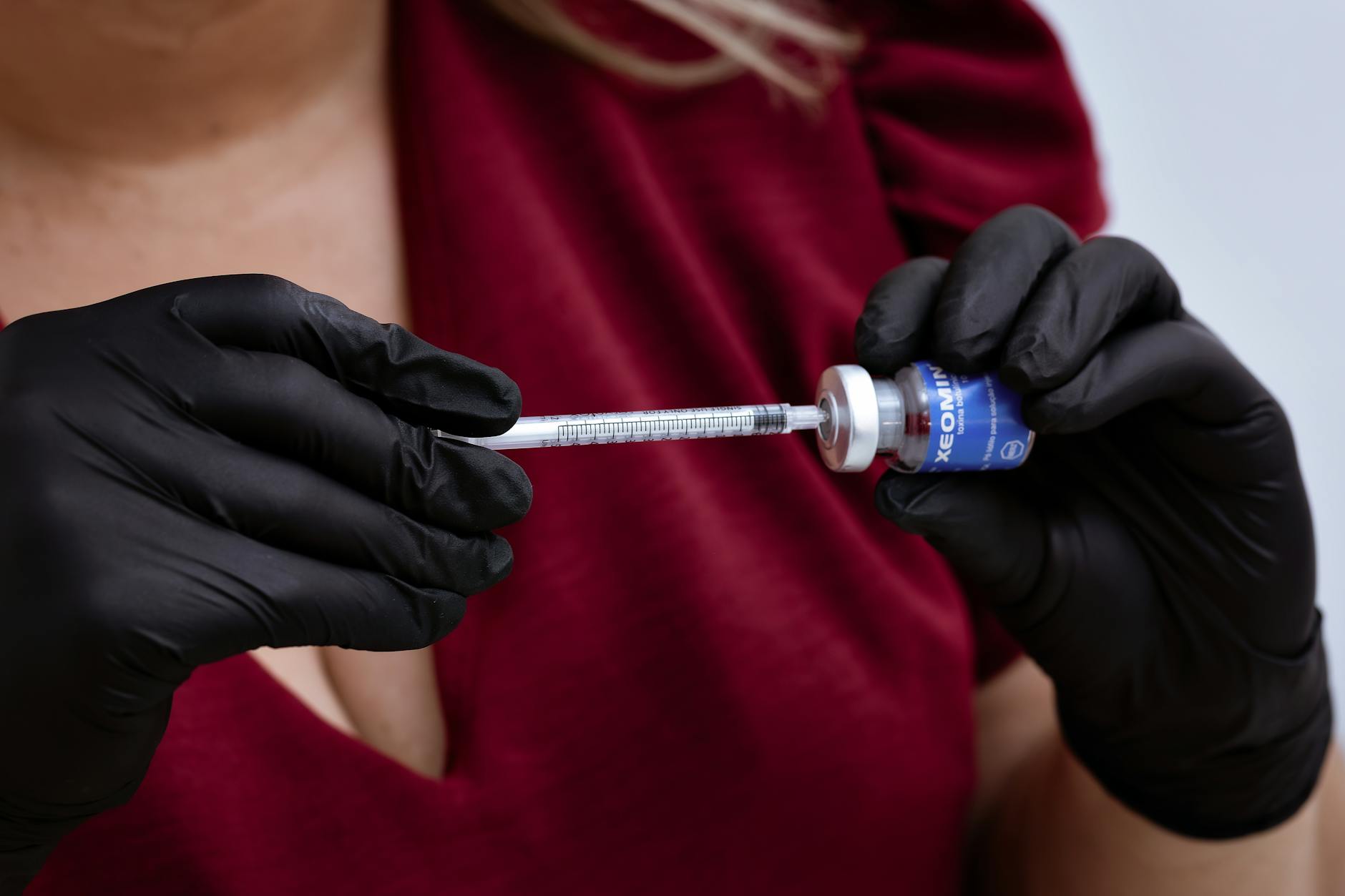
Botox works by blocking nerve signals to specific facial muscles. During the first few hours after injection, the neurotoxin gradually spreads to nearby muscle fibers. Physical pressure from lying down, vigorous exercise, or facial massage can push the Botox beyond its intended target area, causing drooping eyelids or an unnatural frozen expression.
The settling process takes 24 to 48 hours for initial effects and up to two weeks for full results. During this critical window, your movements and activities directly influence how evenly the Botox distributes throughout the treatment area.
Following proper aftercare extends your results from the typical three to four months to potentially five or six months. This means fewer appointments, less money spent, and consistent confidence in your appearance. Simple precautions during recovery protect your investment and ensure natural-looking results that enhance rather than compromise your facial expressions.
Critical First 24 Hours: What Not to Do
The first day after your Botox injection is when your treatment is most vulnerable. The neurotoxin needs time to settle into place, and certain activities can disrupt this process, leading to uneven results or migration of the product to unintended areas.
“The first 24 hours determine whether your Botox settles exactly where it should or migrates to areas where you don't want it.”
Stay upright for at least four hours after your treatment. Lying down too soon can cause the Botox to shift due to gravity and blood flow changes. If you received forehead injections and lie flat immediately, the product might migrate toward your eyebrows, potentially causing drooping.
Keep your hands away from the injection sites, no matter how tempting it might be to touch or massage the area. Your fingers carry bacteria that could introduce infection, and pressure can push the Botox into neighboring muscles. Even gentle touching can disrupt the settling process.
Skip your workout routine completely. Exercise increases blood flow and heart rate, which can cause the Botox to spread beyond the intended treatment zones. This includes yoga, running, weightlifting, or even brisk walking. For example, doing downward dog poses can cause forehead Botox to migrate toward your eyelids.
Avoid applying makeup for the rest of the day. The rubbing motion required to blend foundation or concealer can disturb the injection sites. The small needle punctures need time to close, and makeup brushes or sponges can introduce bacteria or physically manipulate the treated areas.
These restrictions might feel limiting, but following them prevents the uneven or unnatural results that could require correction treatments later.
Activity and Exercise Restrictions

Your workout routine needs to take a temporary break after Botox injections. Exercise increases blood flow throughout your body, which can cause the Botox to migrate from its intended injection sites before it properly settles into the muscle tissue.
Avoid all vigorous physical activity for 24 to 48 hours after your treatment. This includes running, weightlifting, hot yoga, cycling, and any activity that makes you sweat or raises your heart rate significantly. The increased circulation from exercise can dilute the Botox concentration and reduce its effectiveness.
Safe activities during your recovery include gentle walking, light stretching, and normal daily tasks that don't involve bending over or heavy lifting. Reading, desk work, and casual errands are perfectly fine.
You can typically resume your normal workout routine after 48 hours, though some doctors recommend waiting a full 72 hours for optimal results. Start with lighter intensity workouts and gradually return to your usual routine. This precaution helps ensure your Botox achieves the smooth, natural-looking results you want without any unwanted migration that could affect your appearance.
Sleeping Position and Head Elevation Guidelines
Your sleep position during the first 24 hours after Botox can make or break your results. Gravity plays a crucial role in keeping the toxin exactly where your provider injected it, preventing unwanted migration that could affect your final outcome.
Sleep with your head elevated at least 30-45 degrees for the first night. Use two or three firm pillows to prop yourself up, or sleep in a recliner if you have one. This elevated position helps the Botox settle properly into the targeted muscles while reducing any swelling or bruising that might develop.
Place two firm pillows behind your head and one under your knees for comfort.
Never sleep on your stomach or press treated areas into pillows for 24 hours.
If you must sleep on your side, choose the non-treated side when possible.
For example, if you received forehead Botox, sleeping face-down could cause the product to spread into your eyelids, creating an uneven or droopy appearance. This temporary positioning requirement helps ensure your investment delivers the smooth, natural results you're seeking without any unwanted surprises.
Skincare and Beauty Treatments to Avoid
Your skin needs time to heal after Botox, which means temporarily pausing certain beauty treatments that could interfere with your results or cause unwanted side effects. Understanding which treatments to avoid prevents complications and protects your investment.
Wait at least two weeks before scheduling facial treatments like microdermabrasion, dermaplaning, or professional extractions. These procedures can increase pressure on treated areas and potentially spread the Botox beyond its intended target zones. Laser treatments and IPL photofacials should also wait until the four-week mark when your Botox has fully settled.
Chemical Peels require special timing considerations. These acid treatments that remove damaged skin layers to improve texture and appearance through controlled chemical exfoliation should be postponed for at least two weeks after Botox. Light peels can resume first, while deeper peels need a full month gap. The combination timing prevents excessive skin irritation and allows both treatments to work effectively without interference.
Makeup application requires gentle handling for the first 24 hours. Use clean brushes and avoid rubbing or massaging treated areas while applying foundation or concealer. Stick to your regular makeup routine afterward, but always remove products gently.
Sun protection becomes even more critical post-Botox. Apply broad-spectrum SPF 30 or higher daily and wear wide-brimmed hats outdoors. UV exposure can increase swelling and bruising while potentially affecting how your Botox settles.
Managing Side Effects and When to Call Your Provider

Most Botox side effects are mild and temporary, but knowing what's normal helps you avoid unnecessary worry about permanent scarring or complications. Mild swelling, redness, or small bumps at injection sites typically resolve within 24-48 hours. Light bruising may appear purple or yellow but fades within one week.
Apply ice wrapped in a thin cloth for 10-15 minutes every few hours during the first day to reduce swelling. Avoid direct ice contact with your skin. Over-the-counter acetaminophen can manage mild discomfort, but skip ibuprofen and aspirin as these increase bleeding risk.
Contact your provider immediately if you experience severe headaches, vision changes, difficulty swallowing, or widespread muscle weakness. These symptoms, while extremely rare, require prompt medical attention. Persistent swelling after three days, signs of infection like warmth and pus, or asymmetrical muscle paralysis also warrant professional evaluation.
Minor headaches are common within the first 24 hours and respond well to rest and hydration. Drooping eyelids or uneven eyebrows usually improve as the product settles over 2-3 weeks. Your provider can offer guidance specific to your situation and adjust future treatments accordingly.
Maximizing Your Botox Results Long-Term
Your Botox investment doesn't end when you leave the clinic. Smart long-term care helps extend your results and protects your investment in smoother skin.
Gentle facial exercises can actually help maintain muscle memory and prevent deep creases from returning. Try light facial yoga movements like raising your eyebrows slowly or making gentle "O" shapes with your mouth. Avoid aggressive facial massage or intense muscle contractions that could work against your treatment.
Sun protection becomes even more critical after Botox. UV damage accelerates skin aging and can reduce how long your results last. Apply broad-spectrum SPF 30 or higher daily, even on cloudy days. This simple step prevents new wrinkles from forming while your treated muscles remain relaxed.
Schedule your follow-up appointment before your current results completely fade. Most providers recommend returning every four to six months. Consistent maintenance prevents deep lines from fully returning and often means you'll need fewer units over time.
Lifestyle choices significantly impact longevity. Stay hydrated, get adequate sleep, and manage stress levels. Smoking accelerates the breakdown of Botox and damages skin elasticity. For example, well-hydrated skin maintains elasticity better, helping your smooth results last longer.
Consistent sun protection and regular maintenance appointments every four to six months maximize your Botox investment and prevent deep lines from returning.
Frequently Asked Questions
Why is Botox aftercare important?
Proper Botox aftercare is essential for getting the results you paid for and avoiding complications like uneven muscle relaxation, asymmetrical results, and shorter-lasting effects. How you care for your skin in the first 24-48 hours after Botox directly determines whether you'll love or regret your results. Following proper aftercare can extend your results from the typical three to four months to potentially five or six months.
What should I avoid in the first 24 hours after Botox?
Stay upright for at least four hours after treatment to prevent the Botox from shifting due to gravity and blood flow changes. Keep your hands away from injection sites to avoid introducing bacteria or disrupting the settling process. Skip all workouts completely as exercise increases blood flow which can cause Botox to spread beyond intended treatment zones. Avoid applying makeup for the rest of the day since rubbing motions can disturb injection sites.
Can I exercise after Botox injections?
You should avoid all vigorous physical activity for 24 to 48 hours after Botox treatment. Exercise increases blood flow throughout your body, which can cause the Botox to migrate from its intended injection sites before it properly settles into the muscle tissue. This includes running, weightlifting, hot yoga, cycling, and any activity that makes you sweat or raises your heart rate significantly.
How long does it take for Botox to settle?
The Botox settling process takes 24 to 48 hours for initial effects and up to two weeks for full results. During this critical window, your movements and activities directly influence how evenly the Botox distributes throughout the treatment area. The neurotoxin gradually spreads to nearby muscle fibers during the first few hours after injection.
Can I lie down after Botox?
You should stay upright for at least four hours after your Botox treatment. Lying down too soon can cause the Botox to shift due to gravity and blood flow changes. If you received forehead injections and lie flat immediately, the product might migrate toward your eyebrows, potentially causing drooping.
Disclaimer: This content is for informational purposes only and does not constitute medical advice. Always consult a qualified healthcare provider before making health decisions.