What Are Chemical Peels?

Chemical peels are acid treatments that remove damaged skin layers to improve texture and appearance through controlled chemical exfoliation. This medical procedure uses specific chemical solutions applied to your skin to safely dissolve the outermost layers, revealing fresher, healthier skin underneath.
“Chemical peels work by creating a controlled injury to the skin that triggers natural healing and regeneration.”
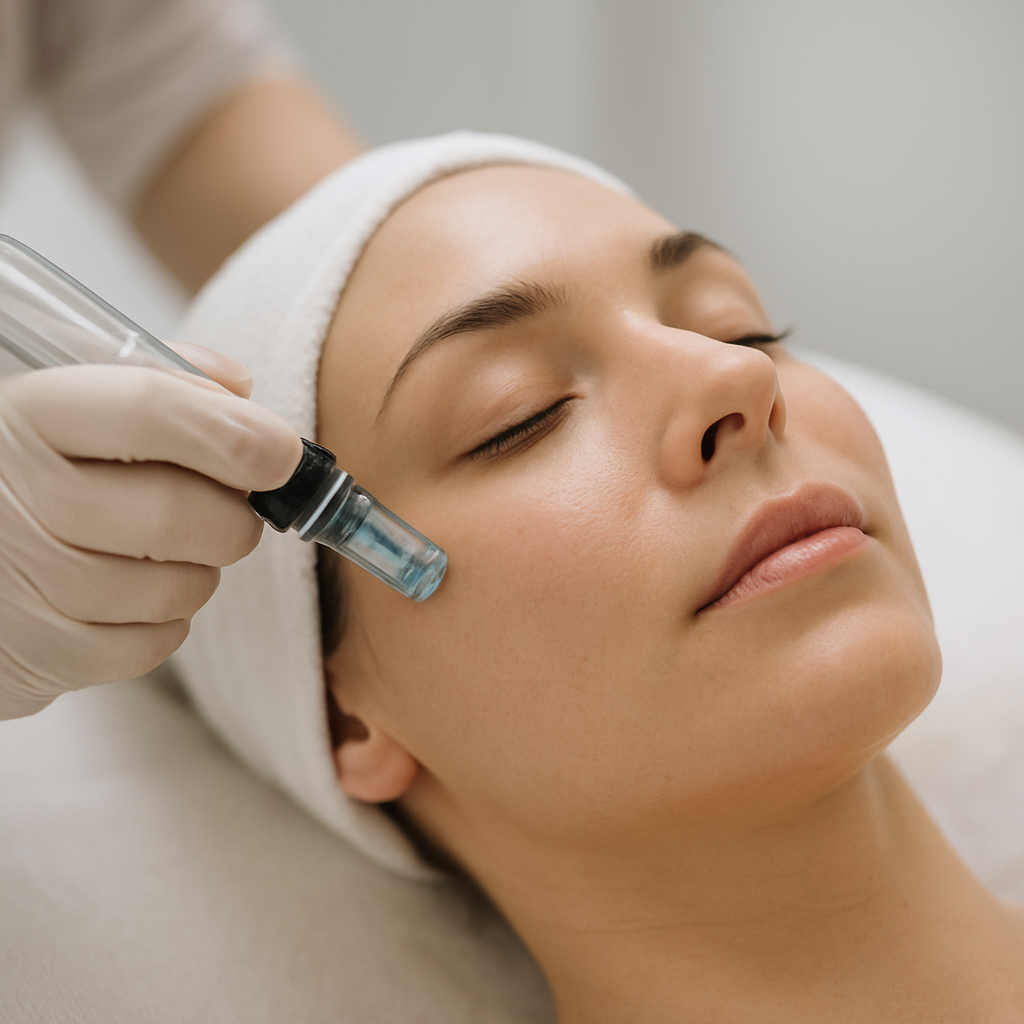
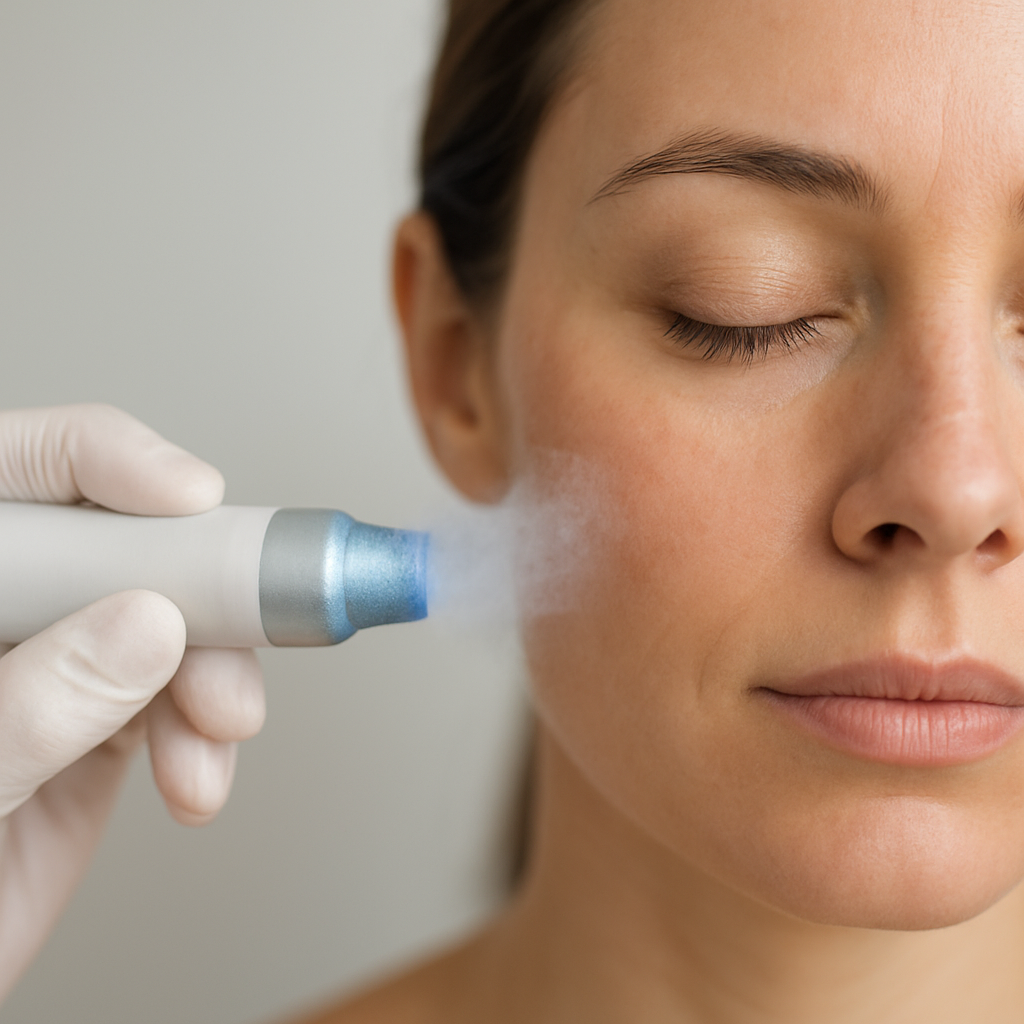
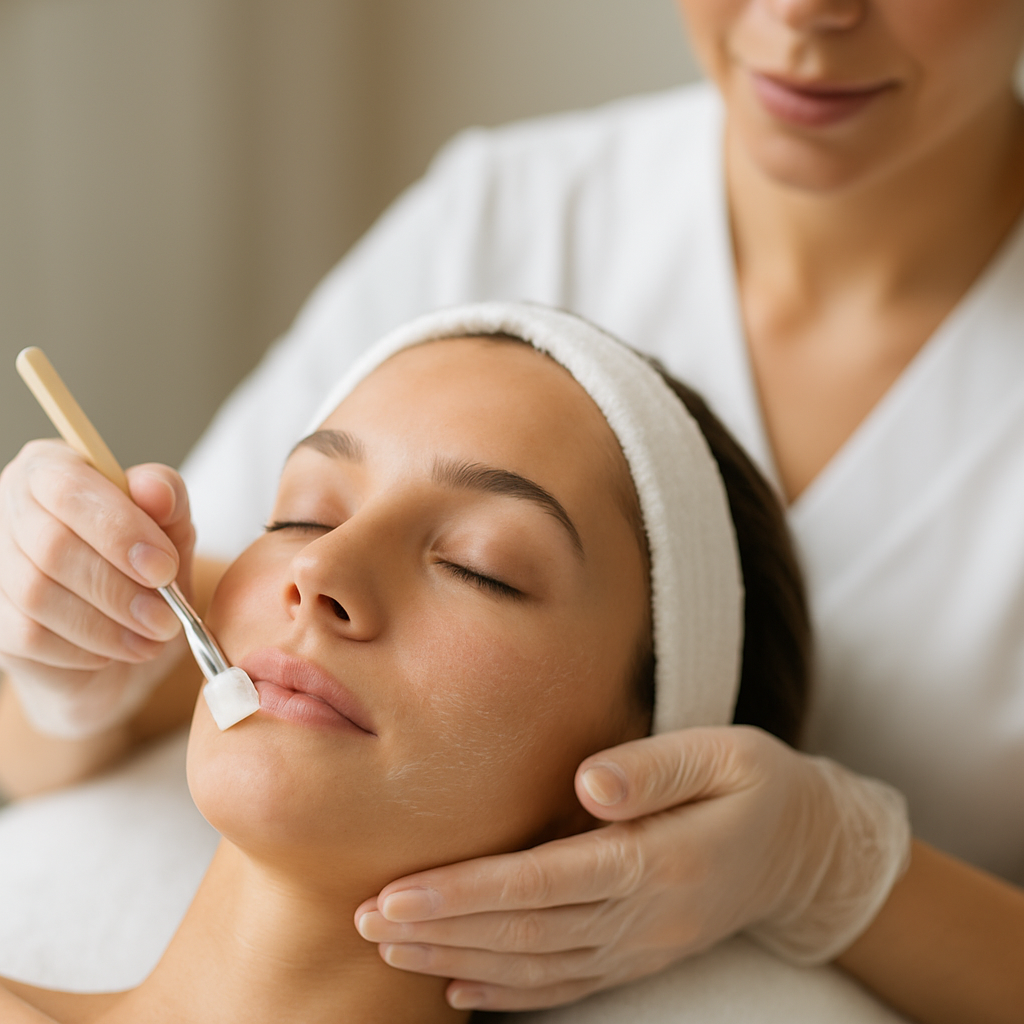
During the procedure (coded as CPT: 15788), your dermatologist cleanses your skin and applies a chemical solution evenly across the treatment area. The solution is left for a predetermined time before being neutralized or allowed to self-neutralize. This controlled process targets concerns like acne scars, fine lines, age spots, and uneven skin tone without the risk of permanent scarring when performed properly by trained professionals.
The treatment can be performed on your face, neck, chest, hands, or back. Results typically become visible within one to four weeks, depending on the peel depth chosen for your specific skin concerns and goals.
Conditions Chemical Peels Treat
Chemical peels address multiple skin concerns by removing damaged outer layers through controlled acid application. These treatments target specific conditions that often cause distress and affect confidence.
“Chemical peels work by precisely removing damaged skin layers to reveal healthier tissue underneath.”
Acne scars respond well to chemical peels, which smooth uneven texture and reduce shallow depressions. Fine lines around the eyes and mouth also improve as the treatment stimulates collagen production in deeper skin layers.
Age spots and sun damage fade significantly with chemical peels. The acid solutions break down excess melanin deposits that create dark patches, revealing more even-toned skin. This process addresses years of accumulated damage without the risk of permanent scarring that concerns many patients.
Melasma, those stubborn brown patches often triggered by hormones, lightens with proper chemical peel protocols. The treatment also tackles uneven skin tone from various causes, creating a more uniform appearance.
Rough, dull texture transforms after chemical peels remove dead skin buildup. Your skin feels smoother and looks brighter as healthy cells emerge. The controlled nature of these treatments ensures predictable results while minimizing complications when performed correctly.
How Chemical Peels Are Performed

Chemical peels follow a precise, controlled process designed to safely remove damaged skin layers without causing permanent scarring when performed by qualified professionals. Understanding each step helps reduce anxiety about the treatment.
Your provider thoroughly cleanses your skin to remove makeup, oils, and debris that could interfere with chemical penetration.
The selected acid solution is applied uniformly across treatment areas using brushes or gauze to ensure consistent results.
Solutions remain on skin for specific timeframes based on peel depth and your skin's response, typically ranging from 30 seconds to several minutes.
Providers neutralize the acid with specialized solutions or allow self-neutralization, then apply cooling treatments to minimize discomfort.
During application, you may experience mild stinging or burning sensations that quickly subside. Your dermatologist monitors your skin's reaction closely, adjusting timing if needed. This careful approach minimizes risks while maximizing benefits for conditions like acne scars and uneven skin tone.
Treatment Areas and Preparation
Chemical peels can be safely performed on multiple areas of your body. The face remains the most common treatment site, but your dermatologist can also apply peels to your neck, chest, hands, and back. These areas often show similar signs of sun damage, age spots, and texture issues that respond well to chemical exfoliation.
Discontinue retinoids and retinol products one week before your appointment.
Skip waxing, laser treatments, and aggressive exfoliation for at least one week prior.
Apply any prescribed preparation products exactly as directed by your provider.
Inform your dermatologist about all current medications and skincare products.
Proper preparation significantly reduces your risk of complications and unwanted side effects. When you follow these guidelines carefully, you're setting yourself up for the best possible results with minimal risk of scarring or prolonged healing time. Your dermatologist may also recommend specific cleansers or moisturizers to use during the preparation period.
Expected Results and Recovery
Chemical peels deliver noticeable improvements in skin appearance, though results vary based on peel depth and your skin type. Most patients see improved skin texture and reduced fine lines within the first few weeks. You'll also notice more even tone and decreased pigmentation as your skin heals and regenerates new, healthier cells.
The timeline for visible results depends on peel depth. Light peels show improvements within 1-2 weeks, while medium peels may take 3-4 weeks for complete healing. Your skin will initially appear red and may peel or flake—this is normal and indicates the treatment is working. Resist picking at peeling skin to avoid scarring.
Follow-up appointments occur within 1-2 weeks to monitor your healing progress and address any concerns. During recovery, avoid sun exposure for 7-14 days and use gentle skincare products. Apply broad-spectrum sunscreen daily to protect your newly revealed skin. Most patients return to normal activities within a few days, though your skin may remain sensitive for up to two weeks.
Who Should Avoid Chemical Peels

While Chemical Peels offer excellent results for many skin concerns, certain conditions make them unsafe or ineffective. Understanding these contraindications protects you from complications and ensures optimal outcomes.
Avoid Chemical Peels if you have active skin infections, open wounds, or cuts in the treatment area. These conditions increase infection risk and prevent proper healing. Pregnancy and recent isotretinoin use within six months also contraindicate treatment, as your skin becomes more sensitive and prone to scarring.
Active herpes outbreaks require postponing treatment, though your dermatologist may prescribe antiviral medication beforehand if you have a history of cold sores. Allergies to peel ingredients like salicylic acid or glycolic acid make treatment dangerous and could trigger severe reactions.
Your dermatologist will review your medical history, current medications, and skin condition before recommending Chemical Peels. This consultation prevents complications that could lead to permanent scarring or delayed healing. Always disclose all medications, skincare products, and recent treatments during your evaluation to ensure safe, effective results.
Aftercare and Sun Protection
Proper aftercare prevents complications and ensures optimal healing following Chemical Peels. Your skin becomes significantly more sensitive to sun damage during the recovery period, making protection essential to avoid permanent scarring or pigmentation issues.
Stay out of direct sunlight for 7-14 days post-treatment to prevent hyperpigmentation and scarring.
Switch to mild, fragrance-free cleansers and moisturizers while your skin heals.
Use SPF 30 or higher daily, even when staying indoors near windows.
Follow your dermatologist's specific aftercare instructions carefully. Resist picking at peeling skin, as this can lead to scarring. Most patients see improved skin texture and tone within 1-4 weeks when proper aftercare is followed consistently.
Sun protection during the 7-14 day healing period is crucial to prevent permanent damage and achieve optimal Chemical Peel results.
Frequently Asked Questions
What are chemical peels and how do they work?
Chemical peels are acid treatments that remove damaged skin layers to improve texture and appearance through controlled chemical exfoliation. They work by creating a controlled injury to the skin that triggers natural healing and regeneration. During the procedure, a dermatologist applies specific chemical solutions to safely dissolve the outermost layers, revealing fresher, healthier skin underneath.
What skin conditions do chemical peels treat?
Chemical peels address multiple skin concerns including acne scars, fine lines, age spots, sun damage, melasma, and uneven skin tone. The treatment smooths uneven texture, reduces shallow depressions from scarring, and stimulates collagen production in deeper skin layers. Chemical peels also break down excess melanin deposits that create dark patches, revealing more even-toned skin.
How long does it take to see results from a chemical peel?
Results from chemical peels typically become visible within one to four weeks, depending on the peel depth chosen for your specific skin concerns and goals. The controlled nature of these treatments ensures predictable results while minimizing complications when performed correctly by trained professionals.
What areas of the body can be treated with chemical peels?
Chemical peels can be performed on your face, neck, chest, hands, or back. The treatment uses specific chemical solutions applied evenly across the treatment area to target concerns like acne scars, fine lines, age spots, and uneven skin tone.
How are chemical peels performed step by step?
Chemical peels follow a precise four-step process: first, the provider thoroughly cleanses your skin to remove makeup and oils; second, the selected acid solution is applied uniformly using brushes or gauze; third, solutions remain on skin for specific timeframes ranging from 30 seconds to several minutes; and fourth, providers neutralize the solution to complete the treatment. This controlled process is designed to safely remove damaged skin layers without causing permanent scarring when performed by qualified professionals.
Disclaimer: This content is for informational purposes only and does not constitute medical advice. Always consult a qualified healthcare provider before making health decisions.