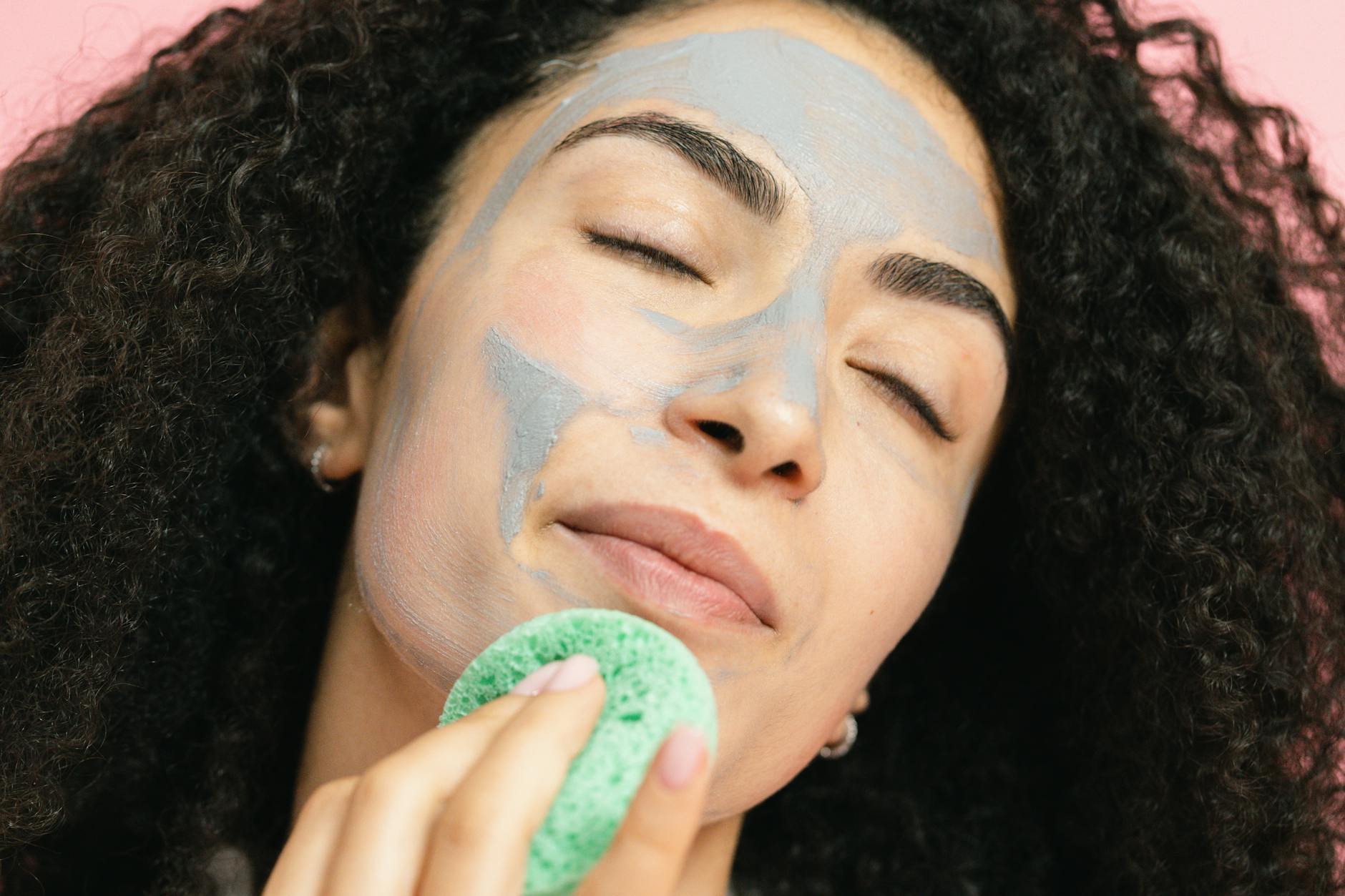
Understanding Normal Skin

Normal skin represents the ideal skin type that many people strive to achieve. This skin type maintains a well-balanced moisture and oil production, creating a healthy equilibrium that looks naturally radiant. The sebaceous glands produce just the right amount of oil to keep your skin protected without causing excess shine or clogged pores.
“Normal skin maintains a perfect balance between moisture and oil production, creating naturally healthy-looking skin.”
People with normal skin typically enjoy few imperfections like blackheads or blemishes, along with a smooth, even texture. The skin feels neither too dry nor too oily, and maintains a healthy appearance with minimal sensitivity to products or environmental factors. Pores appear small to medium-sized and are barely noticeable.
However, even balanced skin requires proper care to maintain its healthy state. Without consistent attention, normal skin can shift toward dryness or oiliness due to factors like aging, hormonal changes, weather, or improper product use. Understanding that prevention is easier than correction helps avoid future skin concerns that could lead to scarring or breakouts. A targeted routine preserves your skin's natural balance while protecting against potential damage.
Morning Routine for Normal Skin

A consistent morning routine protects your normal skin from daily environmental stressors while maintaining its natural balance. The key is simplicity—using too many products can disrupt your skin's healthy state and potentially lead to irritation or breakouts that cause the scarring you want to avoid.
"Normal skin thrives with a simple, consistent routine that protects rather than overwhelms."
Your morning routine should take no more than five minutes and focus on three essential steps. Start immediately after waking up when your skin is most receptive to products.
Use lukewarm water and a mild cream or gel cleanser to remove overnight oil buildup and dead skin cells.
Apply a lightweight, non-comedogenic moisturizer while skin is still slightly damp to lock in hydration.
Finish with broad-spectrum SPF 30 or higher sunscreen, even on cloudy days or when staying indoors.
Wait 30 seconds between each step to allow proper absorption. For example, after cleansing with a gentle formula like Cetaphil Daily Facial Cleanser, pat dry and immediately apply moisturizer such as Neutrogena Oil-Free Moisture Gel. Follow with sunscreen like EltaMD UV Clear.
This routine prevents the formation of new blemishes while maintaining your skin's natural protective barrier. Consistency matters more than expensive products—stick to this simple routine every morning for optimal results.
Evening Routine for Normal Skin
Your evening routine focuses on removing the day's buildup while preparing your skin for overnight repair. This nighttime regimen addresses concerns about long-term skin damage by maintaining healthy cellular turnover and preventing pore congestion that could lead to scarring.
Use micellar water or cleansing oil first, then follow with your regular gentle cleanser to ensure complete removal.
Use retinol twice weekly or niacinamide serum for maintenance, starting slowly to build tolerance.
Apply a slightly richer night moisturizer than your morning formula to support overnight skin barrier repair.
Use a gentle chemical exfoliant with BHA or AHA once weekly to maintain smooth texture and prevent buildup.
Double cleansing proves essential when wearing makeup, sunscreen, or spending time in polluted environments. The first cleanse removes surface oils and makeup, while the second cleanse actually cleans your skin. Skip this step only on makeup-free days with minimal environmental exposure.
Treatment products work best at night when your skin undergoes natural repair processes. Start with lower concentrations—0.25% retinol or 5% niacinamide—and increase gradually. For example, begin using retinol once weekly for two weeks, then twice weekly as tolerated.
Night moisturizers contain ingredients like ceramides and peptides that support skin barrier function during sleep when water loss naturally increases.
Key Ingredients for Normal Skin
Finding the right ingredients for normal skin means focusing on maintenance rather than correction. Your skin doesn't need aggressive treatments, but it benefits from gentle, supportive ingredients that preserve its natural balance.
Hyaluronic acid stands out as the ideal hydrating ingredient for normal skin. This moisture magnet holds up to 1000 times its weight in water, providing lightweight hydration without heaviness. Look for serums containing sodium hyaluronate or hyaluronic acid to maintain your skin's plump, healthy appearance.
Niacinamide works excellently for pore refinement and oil control without causing irritation. This form of vitamin B3 regulates sebum production and minimizes the appearance of pores. Use products with 2-5% niacinamide for optimal results.
Gentle exfoliants like lactic acid help maintain smooth texture without disruption. Unlike harsh scrubs, lactic acid dissolves dead skin cells while providing mild hydration. Start with 5% concentration once weekly to prevent over-exfoliation.
Antioxidants protect your healthy skin from environmental damage. Vitamin C serums, green tea extracts, and vitamin E create a protective barrier against pollution and UV damage. These ingredients prevent premature aging and maintain your skin's current healthy state, reducing concerns about permanent damage over time.
Common Mistakes to Avoid

Even with normal skin, certain mistakes can throw your natural balance off track and potentially lead to breakouts that cause the scarring and embarrassment you want to avoid.
Over-cleansing ranks as the most common error. Washing your face more than twice daily or using harsh scrubs strips away protective oils, triggering your skin to produce excess sebum. Stick to gentle cleansers and resist the urge to scrub when you see a blemish.
Many people skip moisturizer because their skin feels fine without it. This backfires when your skin becomes dehydrated and overcompensates with oil production. Apply a lightweight moisturizer every morning and evening, even when your skin feels perfectly balanced.
Inconsistent routines confuse your skin's natural rhythm. Using products sporadically or switching brands frequently prevents your skin from adapting and showing real results.
Ignoring seasonal changes also disrupts balance. Your summer routine with gel cleansers might leave skin tight in winter, while heavy winter moisturizers can clog pores in humid months.
When to Adjust Your Routine
Your skin's needs change throughout your life, and your routine should evolve accordingly. Seasonal shifts often require modifications—winter may demand richer moisturizers while summer calls for lighter formulas and stronger sun protection.
Hormonal fluctuations during puberty, menstruation, pregnancy, or menopause can trigger breakouts or sensitivity changes. Age brings new concerns too: younger skin focuses on oil control and acne prevention, while mature skin needs anti-aging ingredients and deeper hydration.
Watch for warning signs that products aren't working anymore: persistent dryness, increased breakouts, irritation, or skin that feels tight after cleansing. These signals mean it's time to reassess your routine rather than risk worsening skin problems that could lead to scarring.
Monitor your skin regularly and adjust products when seasonal changes, hormones, or age create new skin needs.
Frequently Asked Questions
What is normal skin type and how do I know if I have it?
Normal skin represents the ideal skin type that maintains a well-balanced moisture and oil production, creating a healthy equilibrium that looks naturally radiant. People with normal skin typically enjoy few imperfections like blackheads or blemishes, along with a smooth, even texture. The skin feels neither too dry nor too oily, and maintains a healthy appearance with minimal sensitivity to products or environmental factors.
What should my morning skincare routine be for normal skin?
A morning routine for normal skin should focus on three essential steps: gentle cleansing with lukewarm water and a mild cleanser, light moisturizing with a non-comedogenic moisturizer, and sun protection with broad-spectrum SPF 30 or higher. This simple routine should take no more than five minutes and helps protect your skin from daily environmental stressors. Wait 30 seconds between each step to allow proper absorption.
Do I need sunscreen every day even if I have normal skin?
Yes, you should finish your morning routine with broad-spectrum SPF 30 or higher sunscreen, even on cloudy days or when staying indoors. Sun protection is essential for maintaining normal skin's healthy state and preventing long-term damage. This step helps preserve your skin's natural balance while protecting against potential damage that could disrupt your skin's ideal condition.
Can normal skin change over time?
Yes, even balanced normal skin can shift toward dryness or oiliness due to factors like aging, hormonal changes, weather, or improper product use. Without consistent attention, normal skin requires proper care to maintain its healthy state. Understanding that prevention is easier than correction helps avoid future skin concerns that could lead to scarring or breakouts.
Disclaimer: This content is for informational purposes only and does not constitute medical advice. Always consult a qualified healthcare provider before making health decisions.