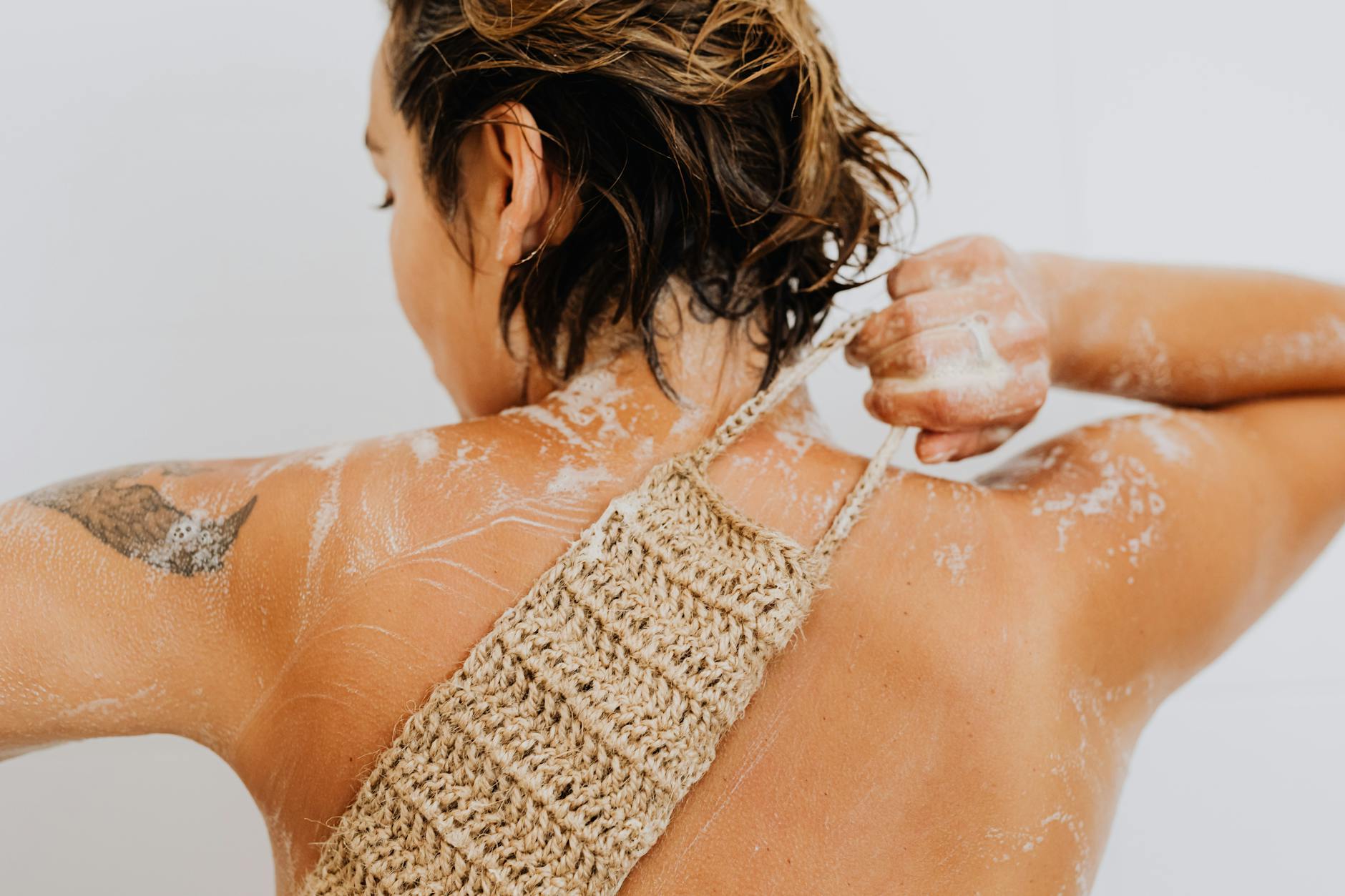
What Body Exfoliation Is and Why It Matters

Body exfoliation is the process of removing dead skin cells from the large skin surface areas including arms, legs, torso, and back using physical scrubs or chemical treatments. Unlike facial exfoliation, which focuses on delicate skin requiring gentle products, body exfoliation can handle more intensive treatments since body skin is thicker and less sensitive.
“Regular body exfoliation prevents clogged pores that can lead to permanent scarring and social embarrassment.”
The benefits extend beyond simple cleansing. Body exfoliation improves skin texture, prevents ingrown hairs, and helps skincare products penetrate deeper. For example, exfoliating your back before applying acne treatment ensures the medication reaches affected areas rather than sitting on dead skin cells. This practice is essential for maintaining healthy skin barrier function across your torso and limbs, reducing the risk of breakouts that cause lasting damage.
Types of Body Exfoliation Methods

Body exfoliation comes in two main forms: physical and chemical methods. Physical exfoliation uses tools like scrubs, brushes, or loofahs to manually remove dead skin cells from your body and hands. Popular options include sugar scrubs, salt scrubs, and exfoliating gloves that gently buff away buildup without causing damage when used properly.
“Chemical exfoliants work beneath the surface to dissolve dead skin cells without scrubbing.”
Chemical exfoliation relies on acids like glycolic or lactic acid to dissolve the bonds between dead skin cells. Body lotions containing these ingredients offer gentler, more even results than physical methods. They're particularly effective for sensitive areas and preventing ingrown hairs.
Choose physical exfoliation for immediate texture improvement and when you enjoy the scrubbing sensation. Opt for chemical methods if you have sensitive skin, want consistent results, or worry about over-scrubbing that could lead to irritation or scarring.
How to Exfoliate Different Body Areas Safely
Different body areas require tailored exfoliation approaches to prevent irritation and damage. Your arms, legs, and torso can handle moderate pressure with circular motions using a body scrub or exfoliating mitt. Work upward from ankles to thighs, then from wrists to shoulders.
The chest area needs special attention since this delicate skin is prone to sun damage and acne. Use gentle, upward strokes and avoid aggressive scrubbing that could worsen breakouts or cause scarring—a common concern for many people seeking clearer skin.
Soak hands in warm water for 2-3 minutes before gentle exfoliation.
Focus on callused areas with a pumice stone after softening in warm water.
Avoid exfoliating cuts, moles, or inflamed areas. Skip the genital region, inner thighs, and any broken skin completely to prevent infection or permanent scarring.
How Often to Exfoliate and Common Mistakes

Your Body skin can safely handle exfoliation 2-3 times per week if you have normal to oily skin. Sensitive or dry skin types should limit body exfoliation to once weekly to prevent irritation and maintain the skin's protective barrier.
Watch for over-exfoliation warning signs: persistent redness, burning sensations, increased sensitivity, or flaky patches that won't heal. These symptoms indicate you've damaged your skin barrier and need to stop exfoliating immediately.
Common mistakes include using face scrubs on your body, exfoliating broken or inflamed skin, and combining multiple exfoliation methods in one session. Never exfoliate sunburned areas or active breakouts, as this can worsen inflammation and potentially cause scarring that takes weeks to fade.
Next Steps for Healthy Body Skin
Post-exfoliation care determines your success. Apply a gentle, fragrance-free moisturizer within three minutes of exfoliating while your skin remains damp. This locks in hydration and prevents the dryness that can lead to scarring concerns.
Exfoliation serves as one component of comprehensive body skin care. Your complete routine should include daily gentle cleansing, consistent moisturizing, and broad-spectrum SPF 30 sunscreen on exposed areas. This combination maintains your skin's barrier function while preventing future breakouts.
Consult a dermatologist if you experience persistent redness, increased sensitivity, or new breakouts after two weeks of proper exfoliation. Professional guidance ensures you achieve clear skin without compromising your body's natural protection.
Consistent gentle exfoliation paired with proper moisturizing creates the foundation for healthy, clear body skin.
Frequently Asked Questions
What is body exfoliation and why is it important?
Body exfoliation is the process of removing dead skin cells from large skin surface areas including arms, legs, torso, and back using physical scrubs or chemical treatments. It improves skin texture, prevents ingrown hairs, and helps skincare products penetrate deeper into the skin. Regular body exfoliation prevents clogged pores that can lead to permanent scarring and maintains healthy skin barrier function.
What are the different types of body exfoliation methods?
Body exfoliation comes in two main forms: physical and chemical methods. Physical exfoliation uses tools like scrubs, brushes, or loofahs to manually remove dead skin cells, while chemical exfoliation relies on acids like glycolic or lactic acid to dissolve the bonds between dead skin cells. Chemical exfoliants work beneath the surface without scrubbing and are particularly effective for sensitive areas and preventing ingrown hairs.
How often should I exfoliate my body?
Your body skin can safely handle exfoliation 2-3 times per week if you have normal to oily skin. However, sensitive or dry skin types should limit body exfoliation to once weekly to prevent irritation and maintain the skin's protective barrier.
How do I safely exfoliate different areas of my body?
Different body areas require tailored approaches to prevent irritation and damage. Your arms, legs, and torso can handle moderate pressure with circular motions, while the chest area needs gentle, upward strokes to avoid worsening breakouts. Always avoid exfoliating cuts, moles, inflamed areas, the genital region, inner thighs, and any broken skin to prevent infection or permanent scarring.
Should I choose physical or chemical exfoliation for my body?
Choose physical exfoliation for immediate texture improvement and when you enjoy the scrubbing sensation. Opt for chemical methods if you have sensitive skin, want consistent results, or worry about over-scrubbing that could lead to irritation or scarring. Chemical exfoliants offer gentler, more even results than physical methods.
Disclaimer: This content is for informational purposes only and does not constitute medical advice. Always consult a qualified healthcare provider before making health decisions.