Getting Started: Your First Steps with Retinol

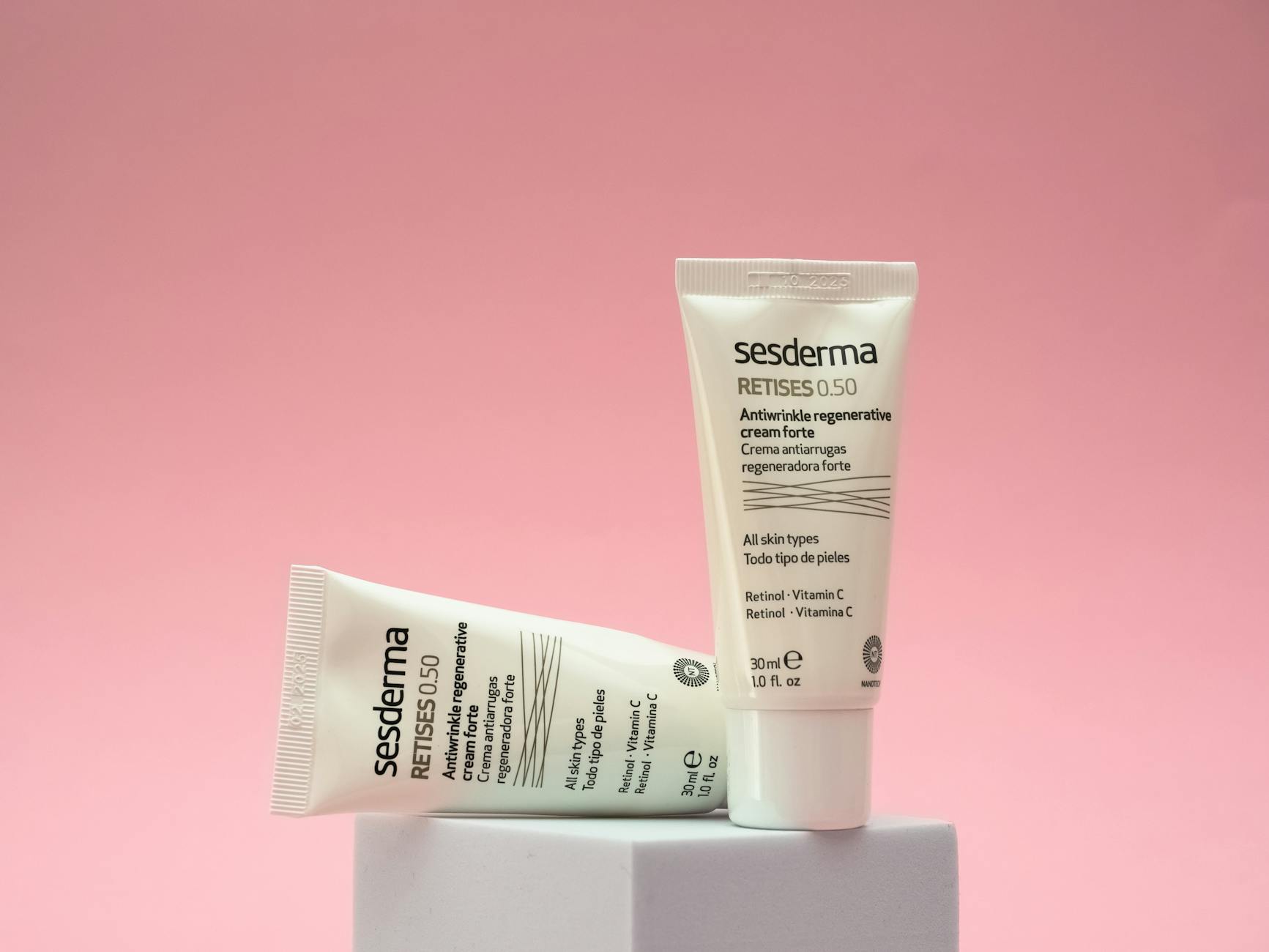
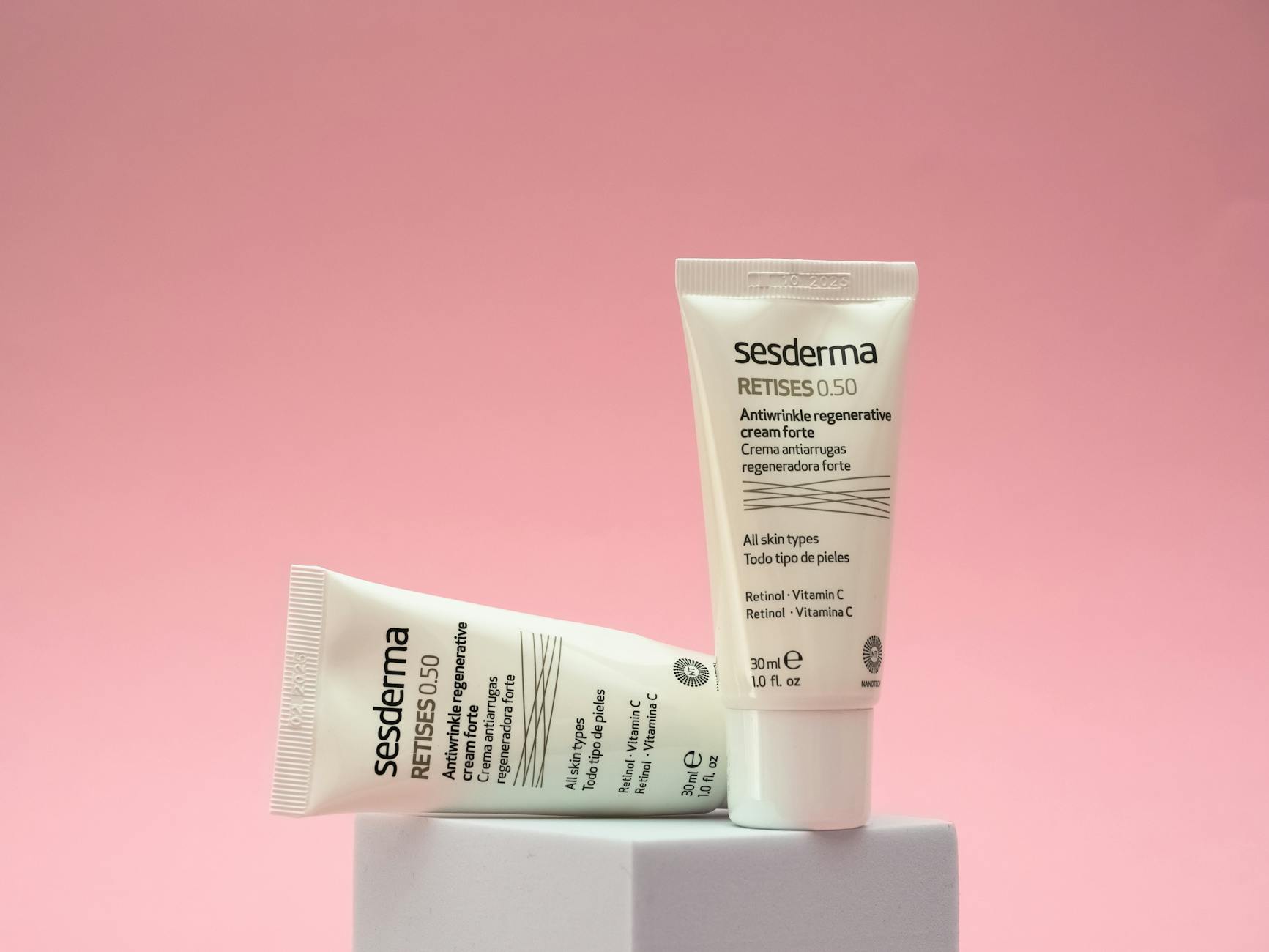
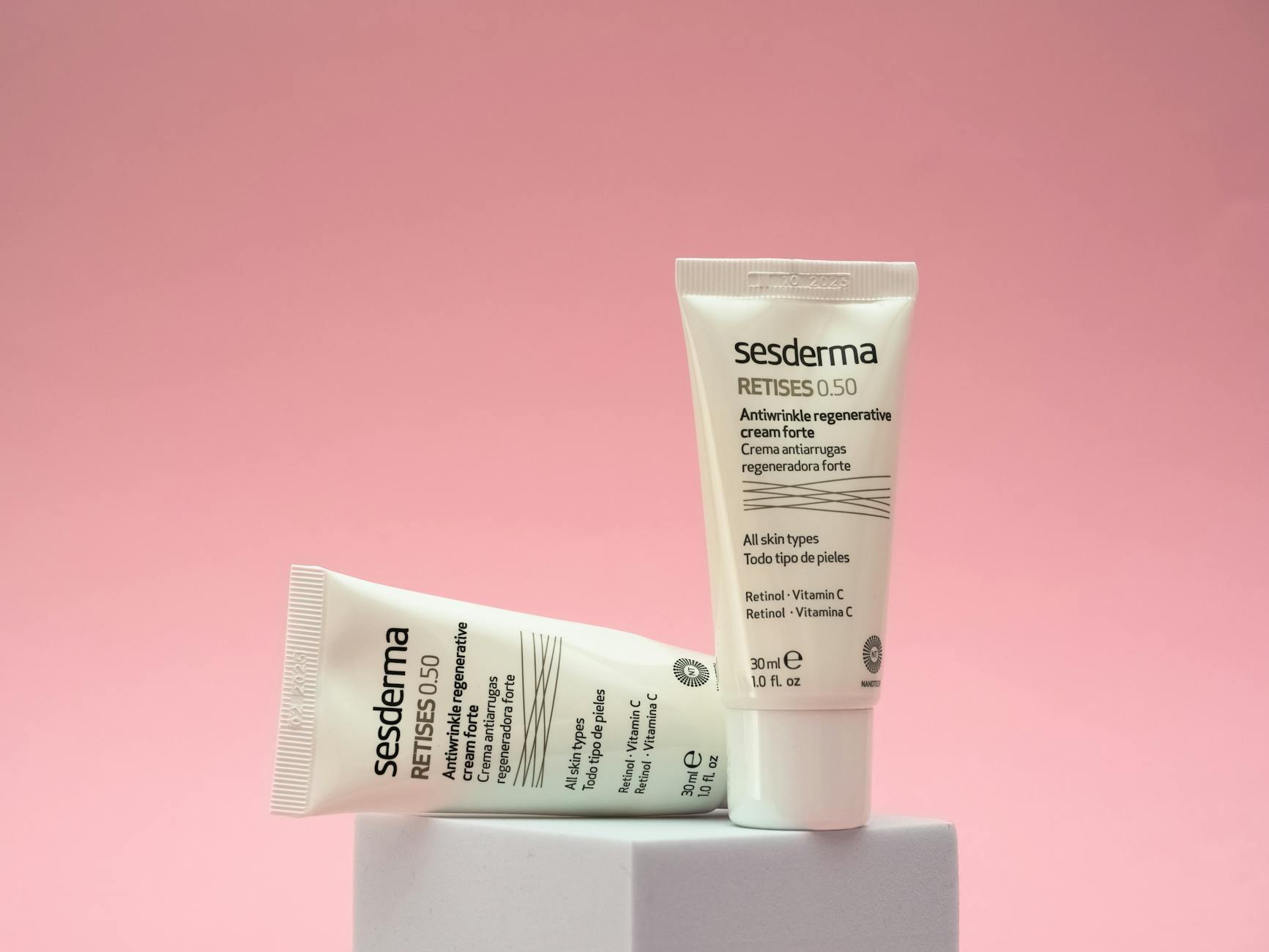
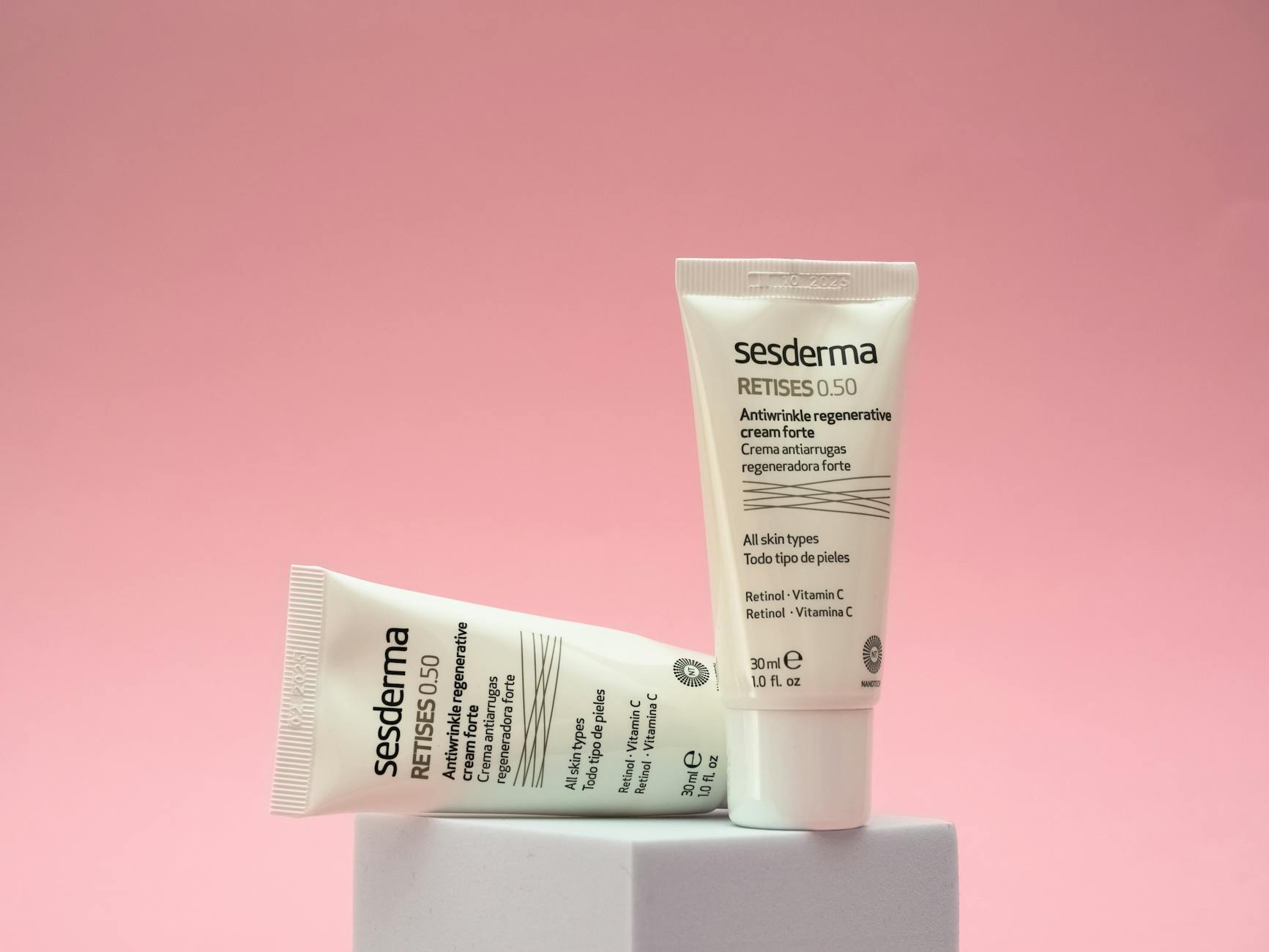
Starting your journey with retinol can feel overwhelming, but taking the right initial steps protects your skin from unnecessary irritation and sets you up for long-term success. This vitamin A derivative works by stimulating cell turnover to reduce fine lines, improve texture, and unclog pores, but it requires patience and careful introduction.
“Your skin needs time to build tolerance to retinol, so starting slow prevents the redness and peeling that scares many people away.”
Begin with a patch test 48 hours before your first full application. Apply a small amount to your inner forearm or behind your ear. Watch for redness, burning, or excessive dryness. If your skin reacts poorly during this test, retinol may not be right for you at this time.
Choose the lowest concentration available, typically 0.25% or 0.3%. Higher percentages increase your risk of irritation without providing better results initially. Your skin will gradually adapt, and you can increase strength later if needed.
Apply retinol only on Monday and Thursday nights for the first two weeks.
Spread one small drop across your entire face after cleansing and drying completely.
Apply a gentle, fragrance-free moisturizer 10 minutes after retinol to reduce dryness.
Time your start strategically. Begin retinol during a period when you can stay indoors for several days if irritation occurs. Avoid starting before important social events, vacations, or during stressful life periods when your skin might be more sensitive.
How to Apply Retinol Properly

Proper retinol application prevents irritation and maximizes results. Follow these steps carefully to avoid redness or peeling that could lead to temporary marks on your skin.
Wash your face with a gentle cleanser and pat completely dry before applying retinol.
Apply one small pea-sized drop of retinol to your entire face, avoiding the eye area.
Dot the retinol on your forehead, cheeks, nose, and chin, then smooth outward with gentle upward motions.
Allow retinol to absorb for 10-15 minutes before applying moisturizer over top.
Apply retinol only at night, as this vitamin A derivative breaks down under sunlight. Start with every third night for the first two weeks, then gradually increase to every other night as your skin adapts.
"Less is more when starting retinol—using too much too soon causes unnecessary irritation that can set back your progress."
For example, if you start retinol on Monday night, wait until Thursday for your next application. This spacing gives your skin time to adjust without overwhelming it. Keep a calendar to track your applications until the routine becomes natural. Your skin will tell you when it's ready for more frequent use through reduced sensitivity and improved tolerance.
Building Your Retinol Routine
Starting a retinol routine requires patience and strategic planning to avoid irritation that could worsen your skin concerns. Begin with once weekly application for the first two weeks, then gradually increase to twice weekly for another two weeks. Once your skin adapts, you can progress to every other night, and eventually to nightly use if tolerated well.
Apply retinol once weekly on clean, dry skin before moisturizer.
Move to twice weekly application, spacing treatments evenly.
Progress to every other night, then nightly use as skin adapts.
Certain ingredients work beautifully with retinol to enhance results. Hyaluronic Acid, which holds up to 1000 times its weight in water, provides essential hydration to counteract retinol's drying effects. Niacinamide, a form of vitamin B3, strengthens your skin barrier and reduces inflammation, making it an excellent companion for retinol users with acne-prone skin.
However, timing matters when layering actives. Use Vitamin C in the morning and retinol at night, as this potent antioxidant can potentially irritate when combined directly. Avoid using Salicylic Acid on the same night as retinol initially, as both ingredients exfoliate and could cause excessive irritation together.
When mixing products, apply thinnest to thickest consistency. Start with retinol on clean skin, follow with hyaluronic acid serum, then finish with moisturizer. This layering approach helps lock in hydration while allowing each ingredient to penetrate effectively without compromising your skin barrier.
Managing Side Effects and Adjusting Your Approach

Even with careful introduction, Retinol can cause irritation as your skin adjusts. Understanding what's normal versus concerning helps you navigate this process without fear of permanent damage.
Normal reactions include mild redness, dryness, and light peeling that typically resolves within 2-4 weeks. These signs indicate your skin is responding to increased cell turnover. However, severe burning, blistering, or persistent inflammation lasting beyond a month signals you need to stop immediately and consult a dermatologist.
When irritation occurs, immediately reduce your application frequency. If using Retinol nightly, switch to every other night or twice weekly. Buffer the irritation by applying Hyaluronic Acid serum first, which creates a protective barrier while maintaining hydration.
Take breaks when your skin feels raw or compromised. A 3-7 day pause allows your skin barrier to recover without losing progress. During breaks, focus on gentle cleansing and moisturizing.
Consider stepping down to a lower concentration if irritation persists. Moving from 1% to 0.5% Retinol often resolves issues while still providing benefits. Remember, consistent use of a lower strength beats sporadic use of higher concentrations.
Next Steps for Long-Term Success
Your retinol journey doesn't end once you establish a routine. Smart adjustments over time will maximize benefits while keeping your skin healthy and comfortable.
Increase strength gradually after 3-6 months of consistent use without irritation. Move from 0.25% to 0.5% retinol, then to 1.0% after another 6 months. Your skin needs time to build tolerance, and rushing this process won't speed results—it'll only cause setbacks that delay your progress toward clear skin.
Consistency matters more than concentration. Using retinol three times weekly for months beats using it daily for a few weeks then stopping. Mark your calendar or set phone reminders to maintain your schedule.
Adjust for seasons by reducing frequency during harsh winter months when skin tends toward dryness. Summer may require more frequent moisturizing due to increased sun exposure and air conditioning.
Set realistic expectations for timing. Retinol typically shows initial improvements in 4-8 weeks, with significant changes appearing after 3-6 months of regular use. Permanent scarring concerns diminish as retinol promotes healthy cell turnover and collagen production over time.
Patience and consistency with retinol deliver better results than aggressive use that causes irritation and setbacks.
Frequently Asked Questions
How do I start using retinol for the first time?
Begin with a patch test 48 hours before your first application to check for reactions. Choose the lowest concentration available (0.25% or 0.3%) and start by applying it only twice weekly on non-consecutive nights. Use only a pea-sized amount for your entire face and always follow with a gentle moisturizer 10 minutes after application.
What concentration of retinol should beginners use?
Beginners should start with the lowest concentration available, typically 0.25% or 0.3%. Higher percentages increase your risk of irritation without providing better initial results. Your skin will gradually adapt, and you can increase to stronger formulations later if needed.
How often should I apply retinol when starting out?
Start by applying retinol only twice weekly for the first two weeks, such as Monday and Thursday nights. After this initial period, you can gradually increase to every other night as your skin builds tolerance. This spacing gives your skin time to adjust without becoming overwhelmed.
Should I use retinol during the day or at night?
Always apply retinol only at night, as this vitamin A derivative breaks down under sunlight. Using it during the day can reduce its effectiveness and potentially increase skin sensitivity to UV rays. Nighttime application allows the product to work while your skin repairs itself during sleep.
How much retinol should I use on my face?
Use only a pea-sized amount of retinol for your entire face. Dot the product on your forehead, cheeks, nose, and chin, then smooth outward with gentle upward motions. Using too much can cause unnecessary irritation without providing better results.
Disclaimer: This content is for informational purposes only and does not constitute medical advice. Always consult a qualified healthcare provider before making health decisions.