Why Frequent Washing Damages Your Hands

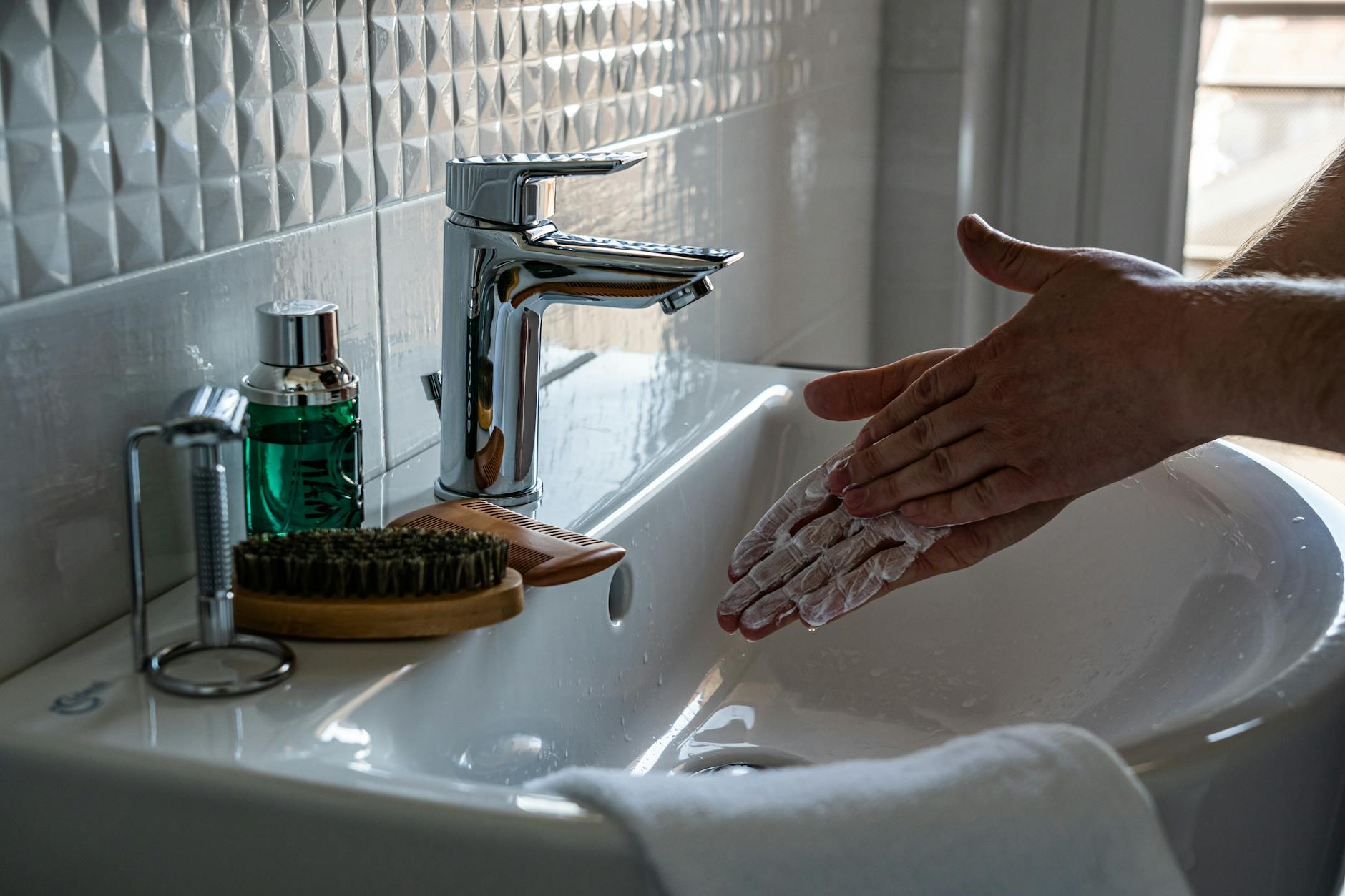
Your hands bear the brunt of constant cleaning, and understanding why washing harms them helps prevent long-term damage. Soap works by breaking down oils and dirt, but it doesn't distinguish between harmful germs and your skin's protective natural oils. Each wash strips away sebum, your skin's built-in moisturizer that keeps the barrier intact.
“Every handwash removes not just germs, but also the natural oils that keep your skin healthy and protected.”
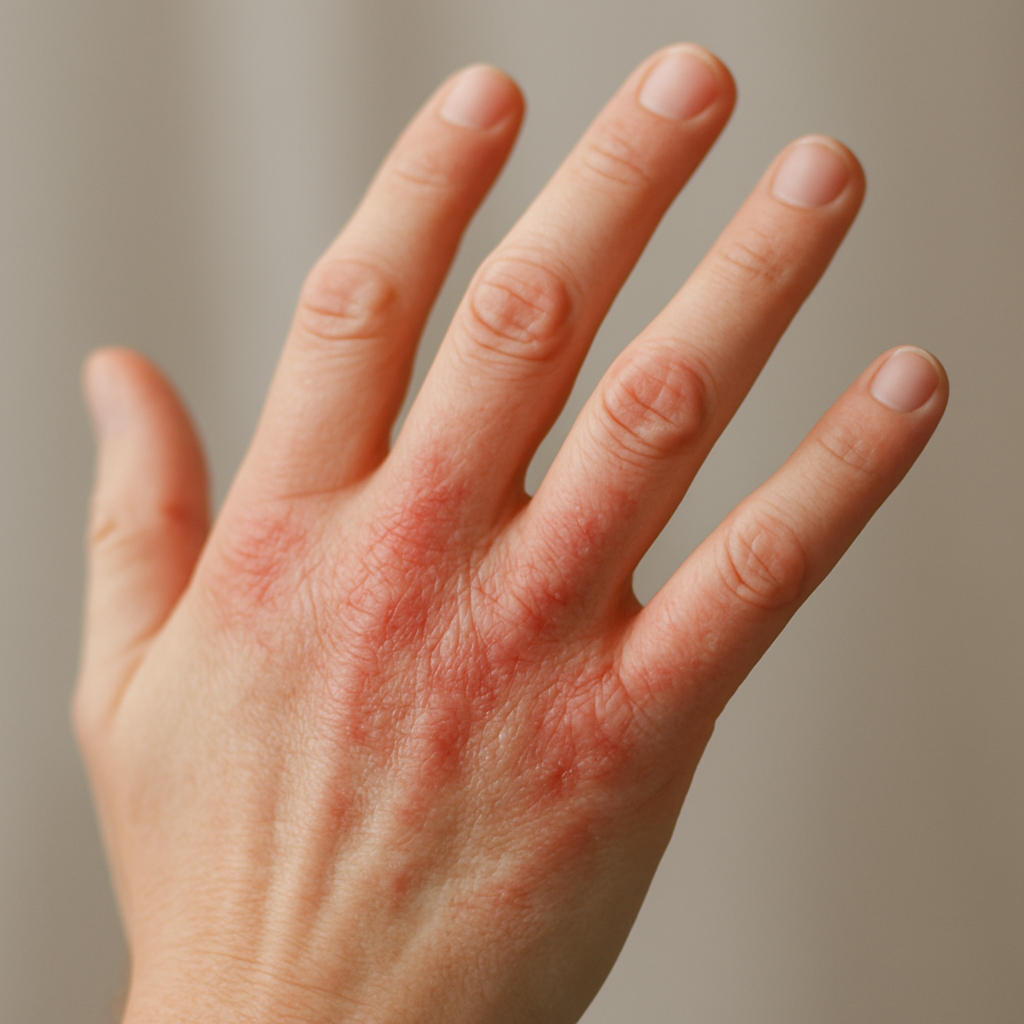
Alcohol-based sanitizers intensify this problem by dissolving lipids faster than soap alone. Your skin barrier becomes compromised when you see redness, tightness, or flaking. Cracked skin creates entry points for bacteria, potentially leading to dermatitis rather than the clear, healthy hands you want. Recognizing these early warning signs prevents more serious complications.
Immediate Relief for Overwashed Hands

When your hands feel raw and irritated from excessive washing, quick action prevents further damage and starts healing. The good news is that hand skin responds rapidly to proper treatment, so visible improvement often occurs within hours.
“Emergency hydration can restore your hand's protective barrier within 24 hours when done correctly.”
Start with emergency hydration using thick, occlusive moisturizers containing ceramides or petrolatum. Apply while hands are still slightly damp to lock in moisture. For severe dryness, try the "wet skin technique" - pat hands dry gently, leaving them barely moist, then immediately apply a heavy moisturizer.
Create barrier protection by wearing cotton gloves over moisturizer for 20-30 minutes. This intensive treatment helps damaged skin absorb moisture effectively. For overnight healing, apply a generous layer of healing ointment and wear cotton gloves while sleeping.
Quick healing accelerators include products with hyaluronic acid, which draws moisture from the air, and aloe vera for its anti-inflammatory properties. These ingredients work together to calm irritation and restore your skin's natural protective function rapidly.
Daily Hand Care Routine After Washing
Building consistent habits protects your hands from developing permanent dryness or skin damage. Your hands need immediate attention after each wash, not just when they feel uncomfortable.
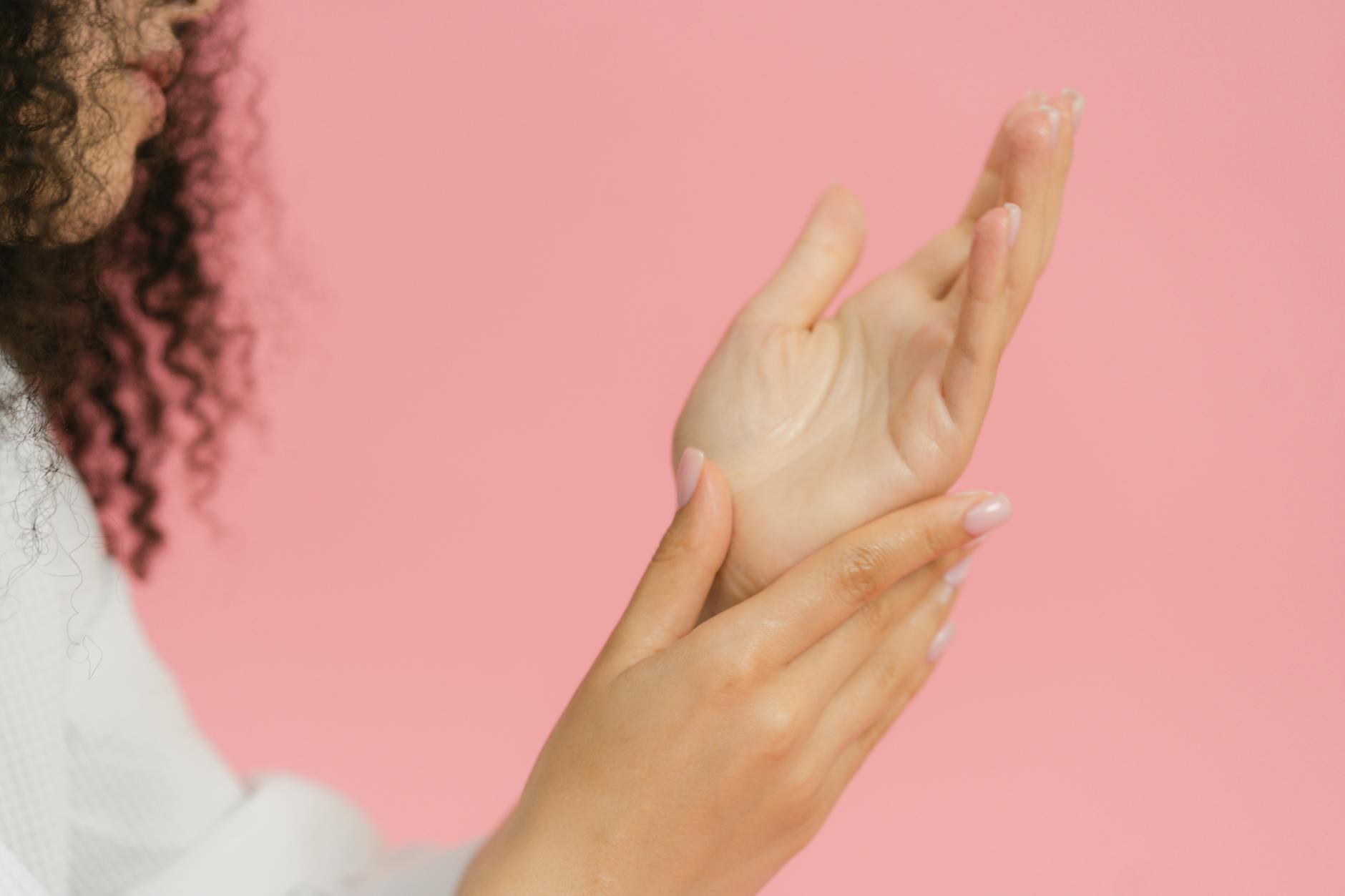
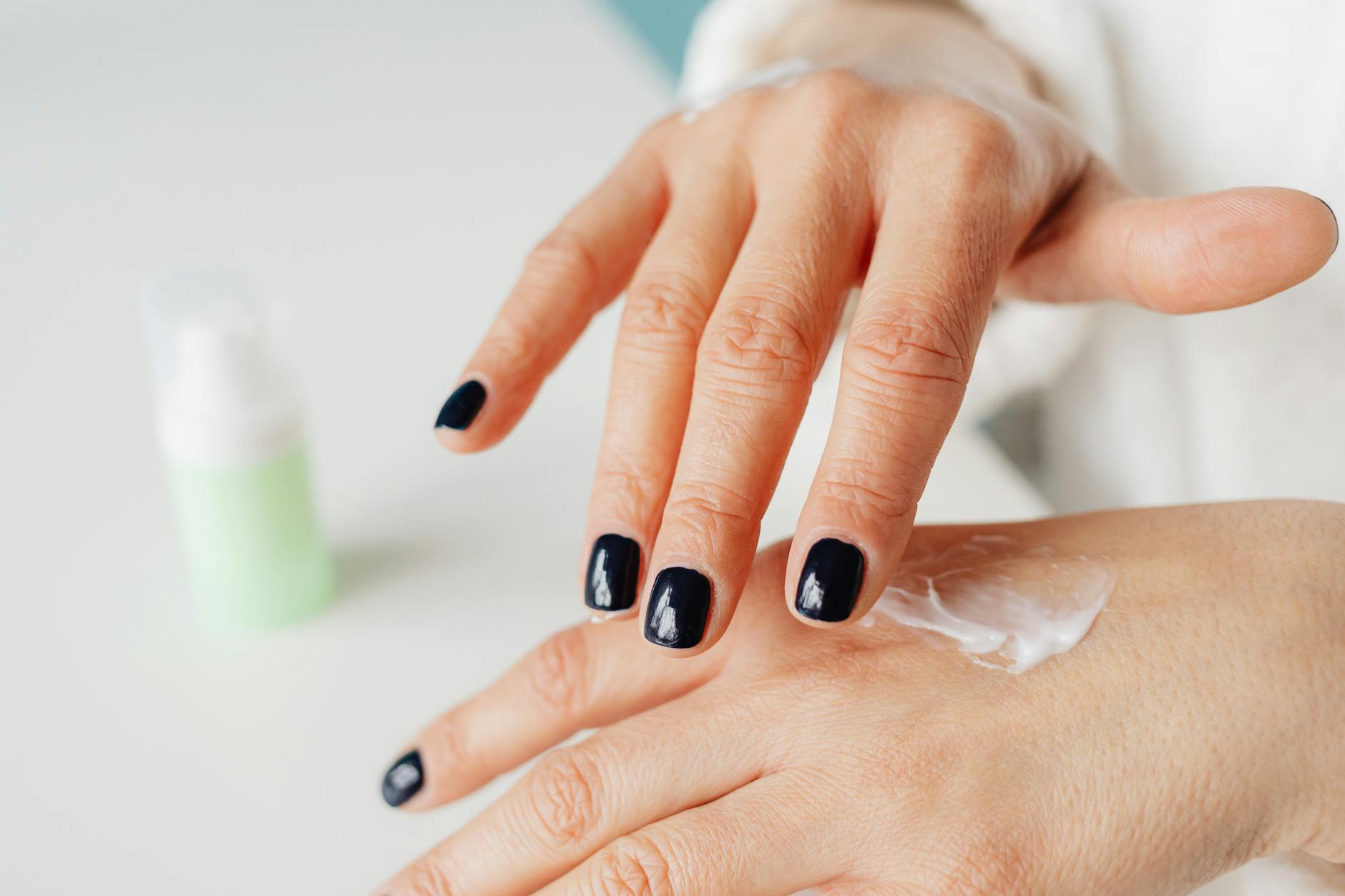
Pat hands dry gently and apply cream while skin is still slightly damp to lock in moisture.
Massage moisturizer from fingertips to wrists, paying extra attention to knuckles and cuticles.
Apply a thicker hand cream before bed and consider cotton gloves for deeper penetration.
Choose heavier creams containing ceramides or glycerin for nighttime use, while lightweight lotions work well during the day. Keep small tubes of hand cream in your car, purse, and desk drawer for easy access.
Unlike other areas of your body that stay covered, your hands face constant exposure to environmental stressors. Regular care prevents the cycle of washing, drying, and cracking that leads to visible aging and discomfort.
Choosing the Right Products for Damaged Hands

When your hands are damaged from frequent washing, selecting the right products becomes crucial for healing and preventing further irritation. Understanding which ingredients to seek and which to avoid can make the difference between rapid recovery and prolonged discomfort.
Look for products containing ceramides, hyaluronic acid, and glycerin as your primary healing ingredients. Ceramides repair the skin barrier that protects your hands from environmental damage, while hyaluronic acid draws moisture deep into damaged tissue. Glycerin acts as a humectant, pulling water from the air to keep your hands hydrated throughout the day.
Avoid products with fragrances, alcohol, or harsh preservatives like parabens, which can worsen existing damage and delay healing. These additives often cause stinging or burning sensations on compromised skin and may lead to contact dermatitis.
Consider prescription options when over-the-counter products fail to improve your condition within two weeks. Dermatologists can prescribe stronger barrier repair creams or medicated ointments that target specific issues like eczema or severe dryness.
Prevention Strategies for Long-Term Hand Health
Maintaining healthy hands while frequent washing becomes a sustainable practice when you follow protective techniques. Use lukewarm water instead of hot water, which strips natural oils from your skin. Choose fragrance-free, gentle cleansers that clean without causing irritation. Pat your hands dry rather than rubbing aggressively, then apply moisturizer while skin remains slightly damp to lock in hydration.
Wear gloves when cleaning, gardening, or handling chemicals to prevent damage.
Look for reduced redness, smoother texture, and less peeling as signs of improvement.
Environmental protection extends beyond washing routines. Apply sunscreen to your hands daily, especially if you spend time outdoors. Cold weather requires extra attention—wear protective gloves and use heavier moisturizers. Unlike your feet, which benefit from thick skin protection, hands need lighter, frequent care throughout the day.
Consistent gentle care prevents the cycle of damage and repair that leads to chronic hand problems.
Frequently Asked Questions
Why does washing hands so much damage the skin?
Soap works by breaking down oils and dirt, but it doesn't distinguish between harmful germs and your skin's protective natural oils. Each wash strips away sebum, your skin's built-in moisturizer that keeps the barrier intact. Alcohol-based sanitizers intensify this problem by dissolving lipids faster than soap alone, leading to compromised skin barriers that can crack and create entry points for bacteria.
How can I quickly heal overwashed hands?
Start with emergency hydration using thick, occlusive moisturizers containing ceramides or petrolatum while hands are still slightly damp to lock in moisture. For severe dryness, try the "wet skin technique" by patting hands dry gently and immediately applying heavy moisturizer. Create barrier protection by wearing cotton gloves over moisturizer for 20-30 minutes, or apply healing ointment overnight with cotton gloves for intensive treatment.
When should I apply hand moisturizer after washing?
Apply moisturizer within 60 seconds after washing your hands for maximum effectiveness. Pat hands dry gently and apply cream while skin is still slightly damp to lock in moisture. Massage moisturizer from fingertips to wrists, paying extra attention to knuckles and cuticles.
What ingredients should I look for in hand creams for damaged skin?
Look for thick, occlusive moisturizers containing ceramides or petrolatum for effective barrier repair. Products with hyaluronic acid draw moisture from the air, while aloe vera provides anti-inflammatory properties to calm irritation. Choose heavier creams containing ceramides or glycerin for nighttime use, while lightweight lotions work well during the day.
Disclaimer: This content is for informational purposes only and does not constitute medical advice. Always consult a qualified healthcare provider before making health decisions.