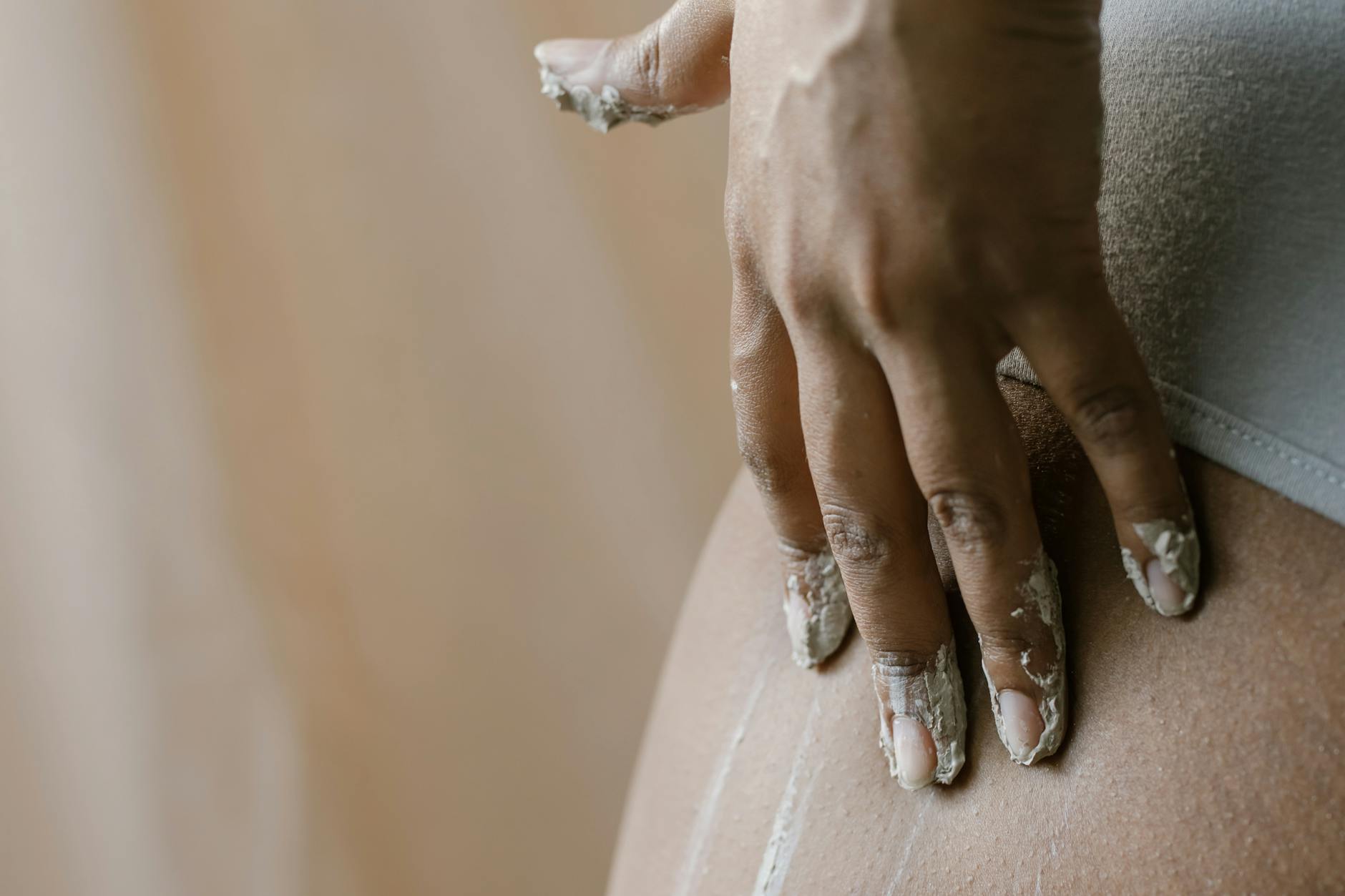

Understanding Dry Body Skin

Your body skin differs significantly from facial skin in ways that directly impact how you should care for it. Body skin is thicker and contains fewer sebaceous glands, which means it produces less natural oil to keep itself moisturized. This fundamental difference explains why your arms, legs, and torso often feel tight or rough even when your face feels fine.
“Body skin is thicker and contains fewer sebaceous glands, making it naturally more prone to dryness.”
The large surface areas of your body—including your arms, legs, torso, and back—require consistent moisturizing attention. Environmental factors like hot showers, harsh soaps, and dry air affect these areas more severely than facial skin. For example, your shins and elbows commonly develop Dry Skin (also called xerotic skin) because they have minimal oil glands and face constant friction from clothing. Understanding these differences helps you address dryness effectively without the worry of lasting damage that proper care can prevent.
Essential Treatment Steps for Dry Body Skin

Treating dry body skin requires a systematic approach that addresses the unique challenges of caring for large surface areas. Your body skin loses moisture faster than facial skin and needs specific techniques to restore and maintain hydration effectively.
“The key to healing dry body skin is consistency in your three-step routine: gentle cleansing, immediate moisturizing, and targeted treatment.”
Hot water strips natural oils, so keep showers under 10 minutes with mild, fragrance-free body wash.
Within three minutes of showering, smooth thick cream or ointment over your entire body to lock in moisture.
Apply extra moisturizer to elbows, knees, and heels where skin tends to crack or flake most severely.
Consistency prevents the rough, flaky patches that can lead to permanent texture changes. Most people see improvement within one week of following this routine.
Choosing the Right Treatment Products for Your Body
Body skin requires different product formulations than facial skincare. Your body can tolerate heavier creams and higher concentrations of active ingredients because the skin is thicker and less sensitive than your face.
Look for budget-friendly options designed for larger surface areas. Pump bottles and tubs offer better value than small tubes. Even if you have Combination Skin or Sensitive Skin on your face, your body typically handles richer formulations without irritation.
Choose products with ceramides, glycerin, or urea for effective hydration. CeraVe Daily Moisturizing Lotion and Eucerin Advanced Repair exemplify cost-effective options that won't cause breakouts or permanent skin damage when used consistently on dry body areas.
Special Treatment Considerations and Problem Areas
Your body presents different challenges across various areas that require targeted approaches. Extra-dry zones like elbows and knees contain fewer oil glands and endure constant friction, making them prone to thick, rough patches that can become embarrassing if left untreated.
Many people have combination patterns where their torso shows Oily Skin characteristics while arms and legs remain dry. For example, your chest might need lightweight, oil-free moisturizers while your shins require heavy creams with ceramides.
Seasonal adjustments prevent flare-ups before they start. Winter heating systems strip moisture from skin, requiring richer formulations and more frequent application. Summer humidity might allow you to switch to lighter lotions, but air conditioning can still cause unexpected dryness in office workers.
Common Treatment Mistakes to Avoid
Many people unknowingly sabotage their dry skin treatment through well-intentioned but harmful practices. These mistakes can delay healing and sometimes worsen existing conditions.
Over-cleansing represents the most frequent error. Scrubbing large surface areas with harsh soaps strips away protective oils your skin desperately needs. Limit full-body washing to once daily, focusing soap only on areas that truly need it like underarms and groin.
Using facial products on body skin creates another common problem. Face moisturizers contain different ingredient concentrations and may cause irritation when applied to larger areas. Your body requires heavier, oil-based formulations that face products simply cannot provide.
Inconsistent application undermines even the best treatment plans. Skipping moisturizer for just two days can reset your progress completely. For example, missing weekend applications often leads to Monday morning flare-ups that require weeks to resolve.
Consistency with gentle, body-specific products prevents the frustrating cycle of improvement followed by setbacks that many experience with dry skin treatment.
Frequently Asked Questions
Why is my body skin drier than my face?
Body skin is thicker and contains fewer sebaceous glands, which means it produces less natural oil to keep itself moisturized. The large surface areas of your body, including arms, legs, and torso, are also more affected by environmental factors like hot showers, harsh soaps, and dry air. Areas like shins and elbows are particularly prone to dryness because they have minimal oil glands and face constant friction from clothing.
How should I moisturize my body after showering?
Apply moisturizer within three minutes of showering while your skin is still damp to lock in moisture. Use lukewarm water instead of hot water and keep showers under 10 minutes with mild, fragrance-free body wash. Smooth thick cream or ointment over your entire body, paying extra attention to problem areas like elbows, knees, and heels.
What ingredients should I look for in body moisturizers?
Choose products with ceramides, glycerin, or urea for effective hydration. Your body skin is thicker and less sensitive than facial skin, so it can tolerate heavier creams and higher concentrations of active ingredients. Look for budget-friendly options in pump bottles and tubs that offer better value for treating larger surface areas.
How long does it take to see improvement in dry body skin?
Most people see improvement within one week of following a consistent routine of gentle cleansing, immediate moisturizing, and targeted treatment. The key is consistency in your three-step routine to prevent rough, flaky patches that can lead to permanent texture changes. Target problem areas twice daily with extra moisturizer for best results.
Disclaimer: This content is for informational purposes only and does not constitute medical advice. Always consult a qualified healthcare provider before making health decisions.