What Is a Basic Evening Skincare Routine?

A Basic Evening Skincare Routine is an essential nighttime regimen that follows a simple three-step process: cleanser, treatment products, and moisturizer. This routine works while you sleep to repair daily damage and promote overnight skin rejuvenation through active ingredients and restorative processes.
“Your evening routine is when your skin does its most important repair work.”
The PM Skincare Regimen concept centers on the skin's natural circadian rhythm. During nighttime hours, your skin increases cell turnover, produces more growth hormones, and becomes more receptive to treatment ingredients. This biological process makes evening the optimal time for addressing concerns like acne, scarring, and premature aging that can lead to social embarrassment.
Evening routines differ significantly from morning regimens. While morning skincare focuses on protection from environmental stressors like UV rays and pollution, nighttime routines emphasize repair and treatment. You can use stronger active ingredients like retinoids or exfoliating acids at night without worrying about sun sensitivity. The absence of makeup application also allows for more intensive treatments that penetrate deeper into the skin barrier.
The 4 Essential Steps

A Basic Evening Skincare Routine follows a specific sequence that maximizes product effectiveness while minimizing irritation. These four steps form the foundation that prevents future breakouts and helps existing blemishes heal properly.
Remove makeup and sunscreen with an oil-based cleanser, then follow with a water-based cleanser to eliminate remaining impurities.
Apply active ingredients like salicylic acid or retinol from thinnest to thickest consistency.
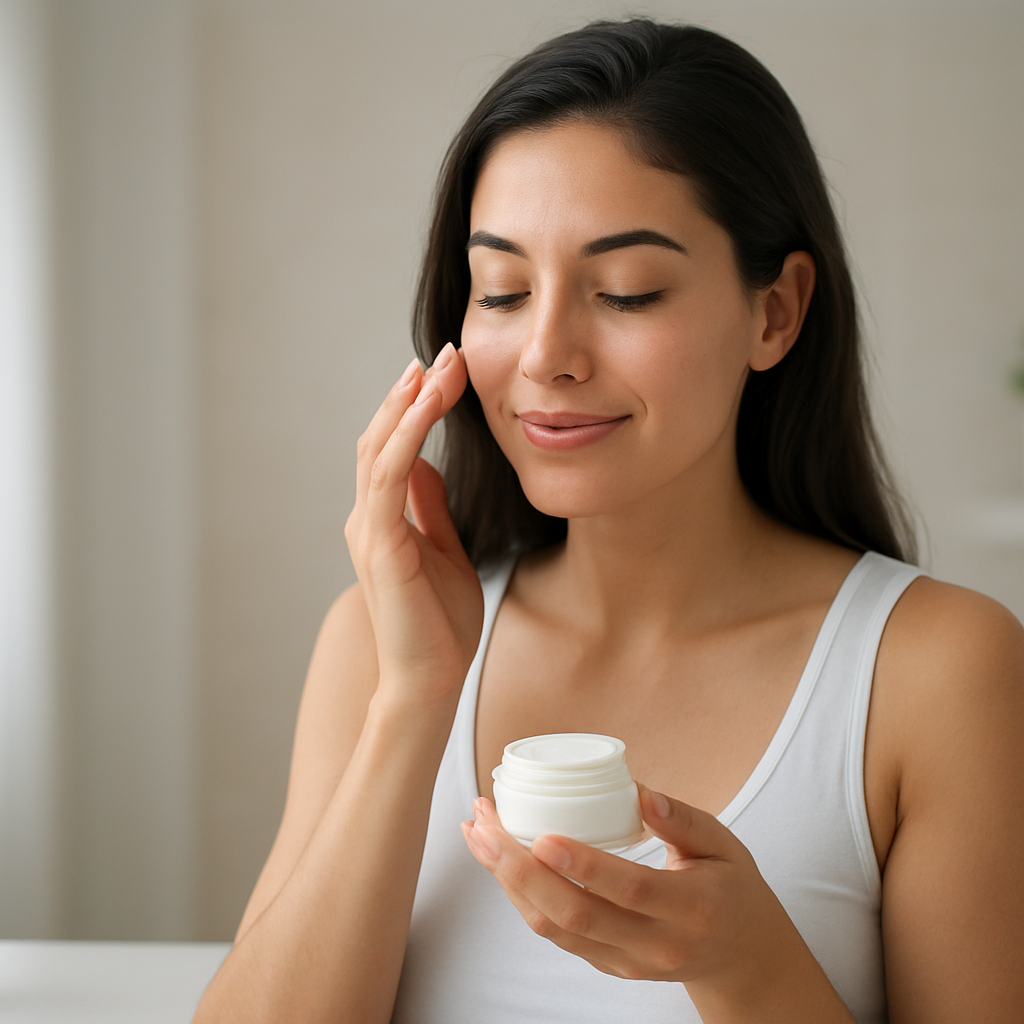
Lock in hydration with a moisturizer appropriate for your skin type to strengthen your skin barrier.
Target specific concerns with concentrated treatments for acne, dark spots, or fine lines.
The double cleansing method ensures thorough removal of daily buildup without over-stripping your skin. Start with micellar water or cleansing oil for makeup removal, then use a gentle foaming cleanser. This prevents clogged pores that lead to breakouts.
“Proper cleansing removes the day's accumulation of pollutants, makeup, and excess oil that can trigger inflammatory responses.”
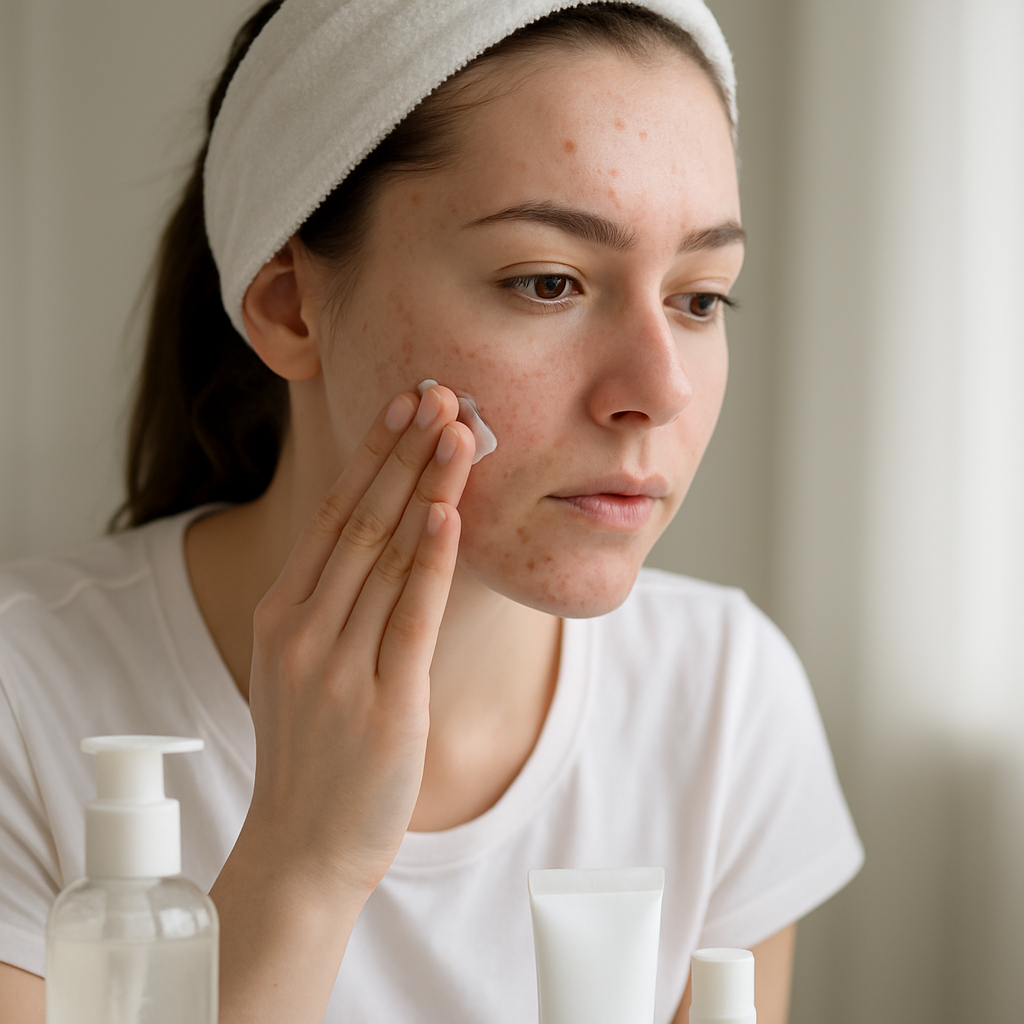
Treatment products work best on clean, slightly damp skin. Apply serums containing active ingredients like niacinamide or vitamin C before heavier creams. Wait 30 seconds between layers to allow proper absorption.
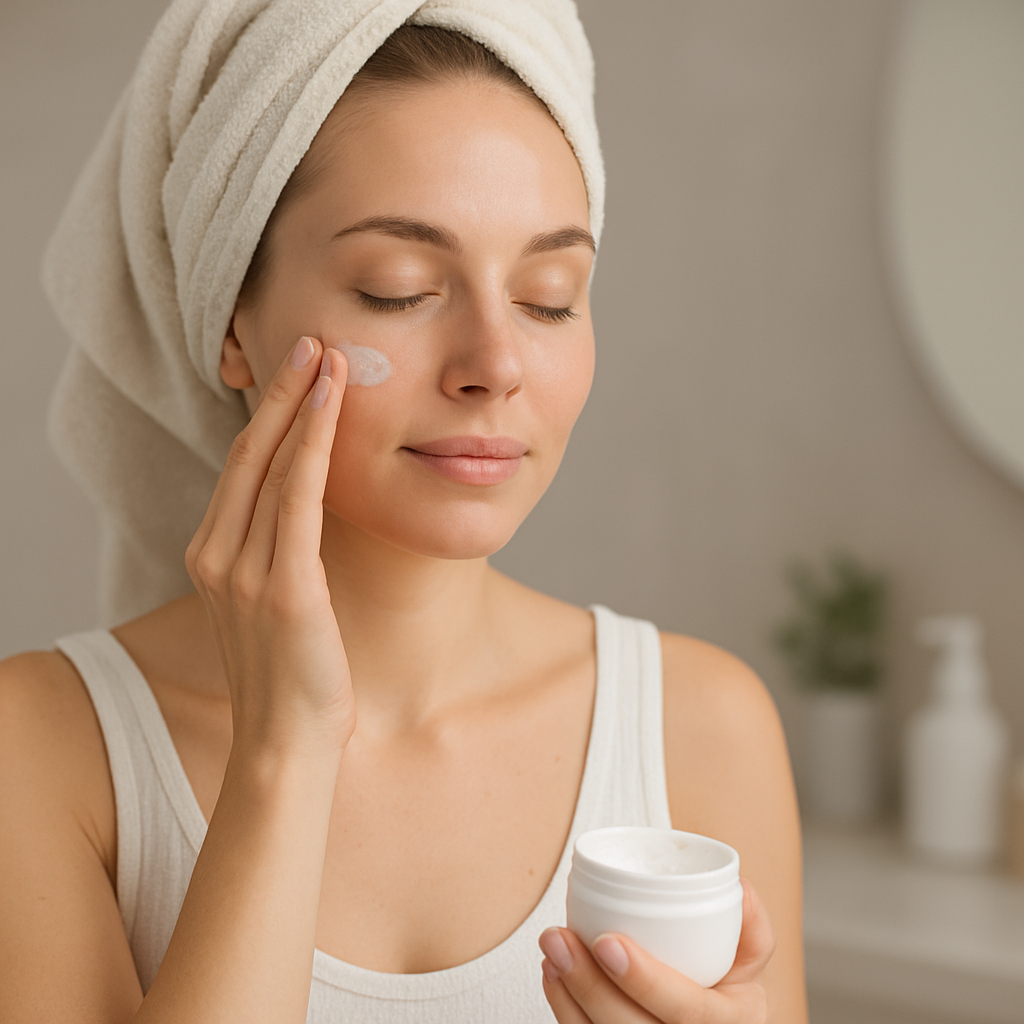
Choose moisturizers based on your skin type: gel formulas for oily skin, cream formulas for dry skin. This step prevents the overproduction of oil that occurs when skin becomes dehydrated, reducing the risk of scarring from picking at dry, irritated areas.
Key Benefits of Evening Skincare
Your skin works hardest while you sleep, making evening the optimal time for your Basic Evening Skincare Routine. During nighttime hours, your skin enters repair mode, producing new cells and healing damage from daily exposure to UV rays, pollution, and stress. This natural regeneration process peaks between 11 PM and 4 AM, when cellular turnover increases by up to 30%.
Evening cleansing removes accumulated dirt, makeup, and environmental pollutants that can clog pores and trigger breakouts. Without proper removal, these impurities remain on your skin overnight, potentially leading to inflammation and the scarring you want to avoid.
Nighttime also offers superior product absorption. Your skin's barrier function relaxes during sleep, allowing active ingredients to penetrate deeper and work more effectively. This means your acne treatments, moisturizers, and repair serums deliver maximum benefits when applied during your evening routine.
Consistency with evening skincare prevents future breakouts by maintaining clean, balanced skin throughout the night's crucial repair window.
Who Should Use This Routine
The Basic Evening Skincare Routine works best for skincare beginners who want to establish healthy habits without overwhelming their skin. If you're just starting your skincare journey or switching from sporadic washing to consistent care, this routine provides the perfect foundation.
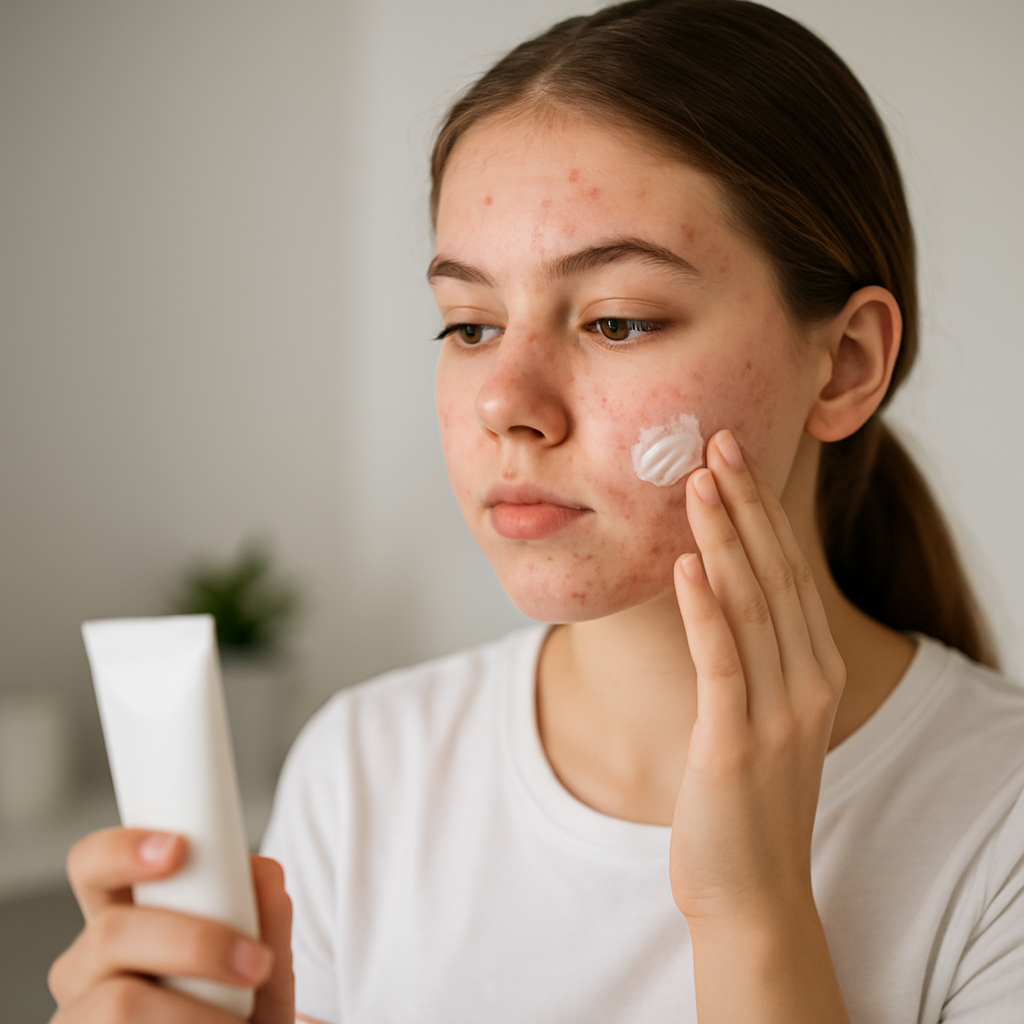
This gentle approach benefits all skin types, from oily and acne-prone to dry and sensitive skin. Teenagers dealing with hormonal breakouts can start here safely, while adults in their 20s and 30s use this routine to maintain healthy skin and prevent early signs of aging. Even those in their 40s and beyond find value in mastering these fundamentals before adding anti-aging treatments.
You should stick with this basic routine for at least 6-8 weeks to see real results and avoid the scarring that comes from picking at untreated breakouts. Your skin needs time to adjust to new products and show improvement.
Consider upgrading to advanced routines only after you've mastered these basics and your skin tolerates all products well. Signs you're ready for more include consistent product use, stable skin condition, and specific concerns like fine lines or stubborn hyperpigmentation that require targeted treatments.
Common Mistakes to Avoid

Many beginners damage their skin by over-cleansing, thinking scrubbing harder will eliminate breakouts faster. Washing your face more than twice daily strips natural oils, triggering increased oil production and potential irritation that could worsen scarring concerns.
Product application order matters significantly in your Basic Evening Skincare Routine. Always apply thinnest to thickest consistency: cleanser, treatment products, then moisturizer. Applying moisturizer before acne treatments creates a barrier that blocks active ingredients from reaching your skin.
Resist adding multiple new products simultaneously. Introduce one product every two weeks to identify what works and avoid overwhelming your skin. For example, start with just cleanser and moisturizer before adding acne treatments.
Never skip moisturizer, even with oily skin. This creates a dehydration-oil cycle where your skin produces excess sebum to compensate for dryness. Choose lightweight, non-comedogenic formulas that won't clog pores while maintaining necessary hydration for healthy skin barrier function.
Getting Started Today
Starting your Basic Evening Skincare Routine doesn't require buying every product at once. Begin with a gentle cleanser and moisturizer suited to your skin type, then gradually introduce other products over 2-4 weeks. This approach prevents overwhelming your skin and helps identify which products work best for you.
Start with a gentle, fragrance-free cleanser appropriate for your skin type.
Select a non-comedogenic moisturizer to maintain skin hydration overnight.
Add serums or treatments one at a time after establishing your basic routine.
Most people see initial improvements within 4-6 weeks of consistent use. While concerns about scarring are understandable, a proper evening routine actually helps prevent future breakouts and supports skin healing. Remember that your morning routine works alongside your evening care to provide complete skin protection and repair throughout the day-night cycle.
Start with cleanser and moisturizer tonight, then build your routine gradually over the next month for lasting results.
Frequently Asked Questions
What is a basic evening skincare routine?
A Basic Evening Skincare Routine is an essential nighttime regimen that follows a simple three-step process: cleanser, treatment products, and moisturizer. This routine works while you sleep to repair daily damage and promote overnight skin rejuvenation through active ingredients and restorative processes. The routine takes advantage of your skin's natural circadian rhythm when it increases cell turnover and becomes more receptive to treatment ingredients.
How many steps are in an evening skincare routine?
An evening skincare routine consists of 4 essential steps: double cleansing, treatment application, moisturizing, and optional spot treatment. The double cleansing step removes makeup and sunscreen first with an oil-based cleanser, then follows with a water-based cleanser. Treatment products are applied from thinnest to thickest consistency, followed by moisturizer to lock in hydration.
What is double cleansing and why is it important?
Double cleansing is a two-step process that starts with micellar water or cleansing oil for makeup removal, then uses a gentle foaming cleanser to eliminate remaining impurities. This method ensures thorough removal of daily buildup without over-stripping your skin. The double cleansing method prevents clogged pores that lead to breakouts by removing the day's accumulation of pollutants, makeup, and excess oil.
Why is evening skincare different from morning skincare?
Evening routines differ significantly from morning regimens because while morning skincare focuses on protection from environmental stressors like UV rays and pollution, nighttime routines emphasize repair and treatment. You can use stronger active ingredients like retinoids or exfoliating acids at night without worrying about sun sensitivity. The absence of makeup application also allows for more intensive treatments that penetrate deeper into the skin barrier.
What type of moisturizer should I use at night?
Choose moisturizers based on your skin type: gel formulas for oily skin and cream formulas for dry skin. Moisturizing is essential because it prevents the overproduction of oil that occurs when skin becomes dehydrated. This step also reduces the risk of scarring from picking at dry, irritated areas by keeping the skin properly hydrated.
Disclaimer: This content is for informational purposes only and does not constitute medical advice. Always consult a qualified healthcare provider before making health decisions.