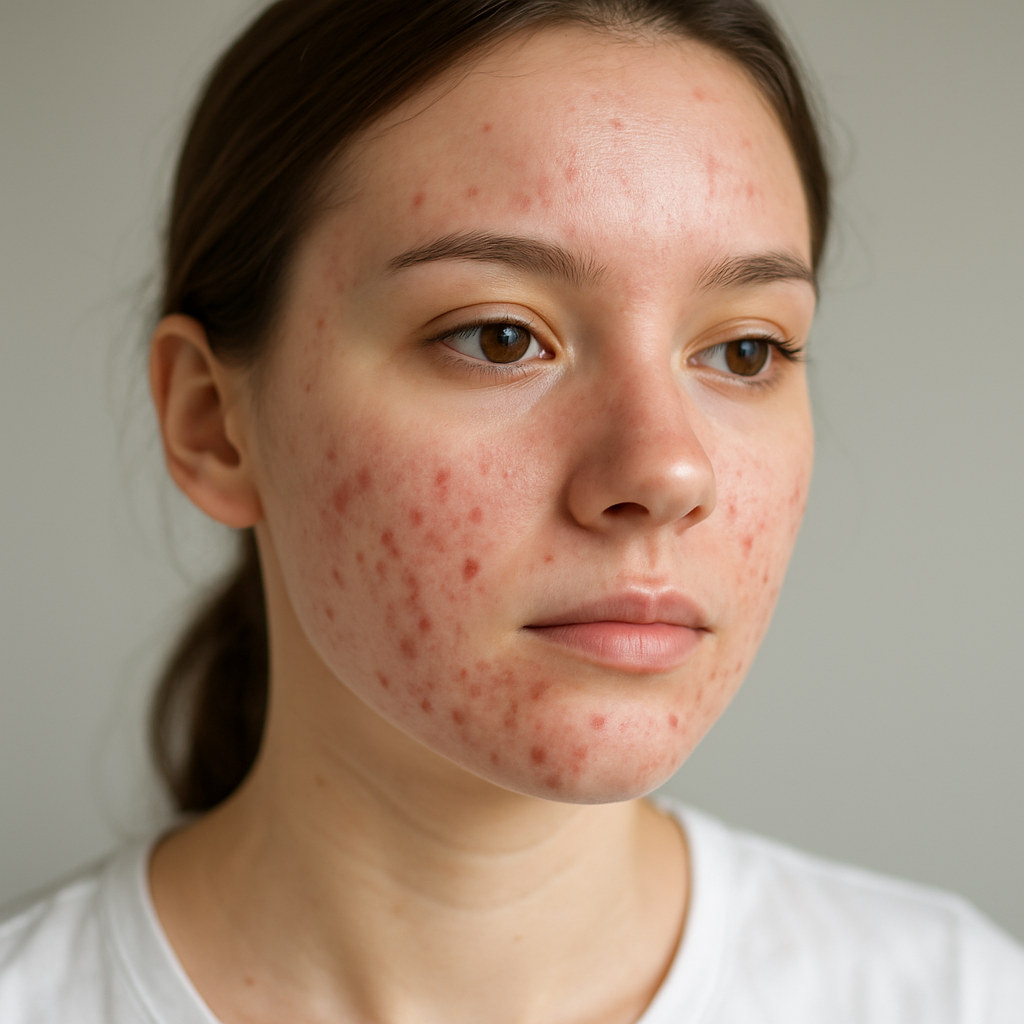
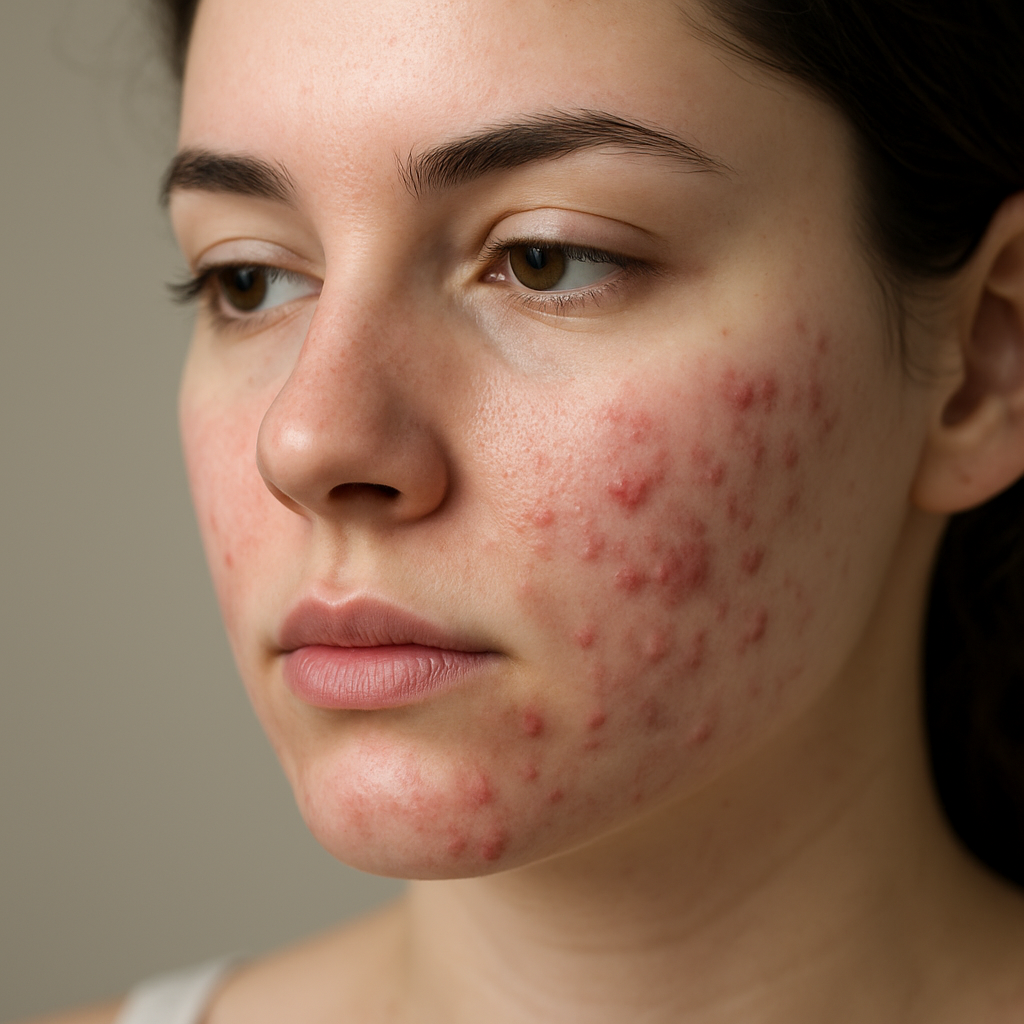
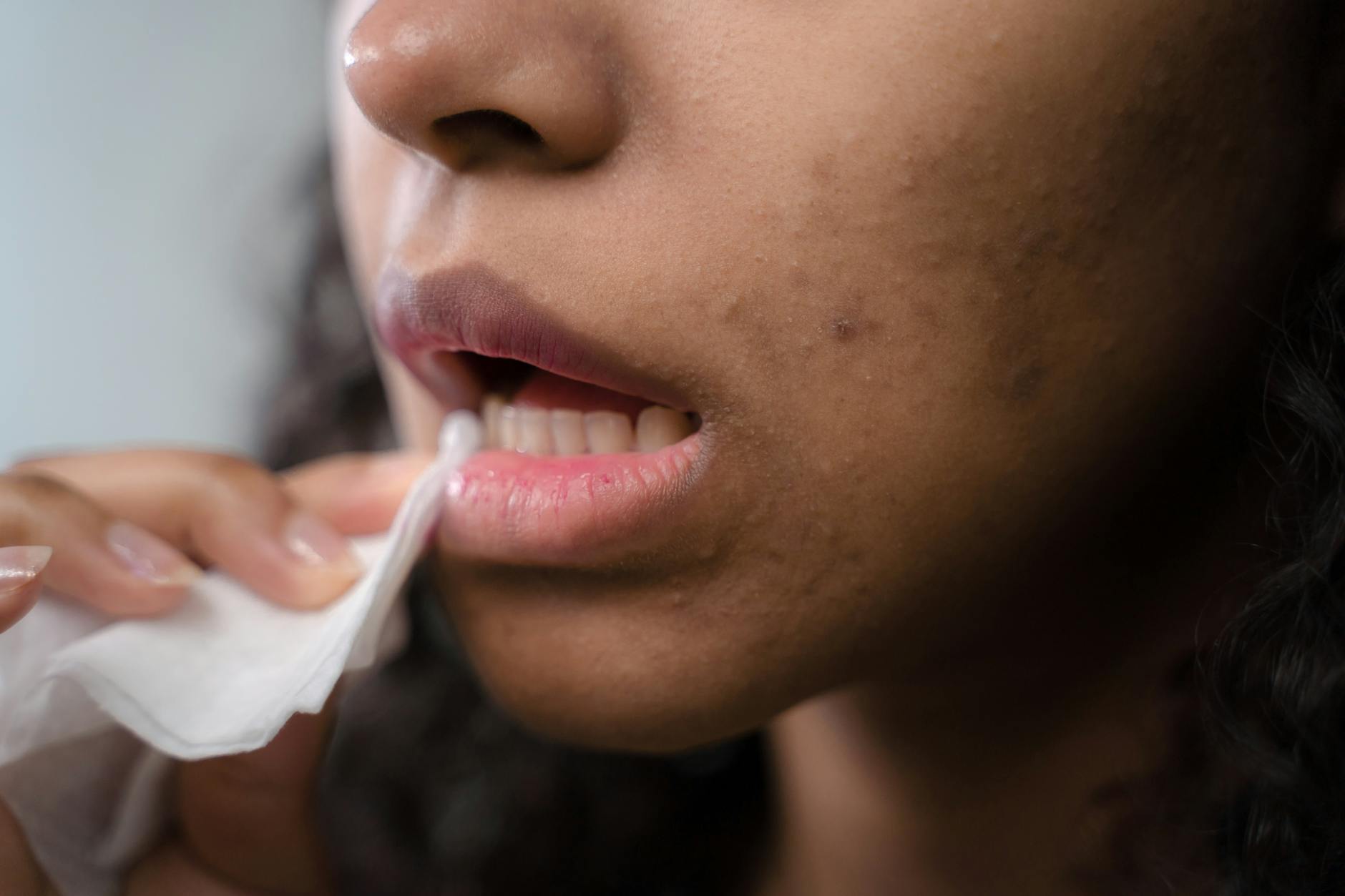
How We Selected These Acne Products

Our selection process prioritizes proven ingredients that dermatologists recommend most frequently. We focused on products containing salicylic acid, benzoyl peroxide, retinoids, and niacinamide because extensive clinical research supports their effectiveness in treating acne.
“We evaluated each product based on clinical evidence, not marketing claims.”
We analyzed peer-reviewed studies and clinical trials for each ingredient, examining success rates across different acne types. Mild comedonal acne requires different approaches than severe inflammatory acne, so we included products for various severity levels and skin types.
Safety profiles received careful attention because harsh products can worsen acne or cause permanent scarring through over-irritation. We reviewed side effect data and selected formulations that balance effectiveness with gentleness, particularly for sensitive skin types.
Each recommended product underwent evaluation for ingredient concentration, formulation quality, and user feedback from verified purchases. We excluded products with insufficient research backing or those containing potentially harmful ingredients like high concentrations of alcohol or fragrance.
Best Cleansers for Acne-Prone Skin
Choosing the right cleanser forms the foundation of any effective acne treatment plan. For those dealing with Acne Vulgaris, which affects 85% of people aged 12-24 years, the wrong cleanser can worsen inflammation and delay healing. The key lies in finding products that remove excess oil and dead skin cells without stripping your skin's protective barrier.
“A gentle yet effective cleanser prevents the cycle of over-drying that leads to increased oil production and more breakouts.”
Salicylic acid cleansers work by penetrating pores to dissolve buildup, making them ideal for blackheads and whiteheads. Look for concentrations between 0.5-2% for daily use. Benzoyl peroxide cleansers target acne-causing bacteria but can cause dryness, so start with 2.5% formulations and use every other day initially.
If you have sensitive skin prone to redness, choose fragrance-free cleansers with niacinamide or ceramides. These ingredients calm inflammation while maintaining your skin's moisture barrier, reducing the risk of scarring that many acne sufferers fear.
Your cleansing routine matters as much as the product itself. Use a gentle cleanser in the morning to remove overnight oil production, then apply your stronger acne-fighting cleanser in the evening when your skin can better tolerate active ingredients during its natural repair cycle.
Top Spot Treatments for Active Breakouts

When papules and pustules appear, targeted spot treatments can stop breakouts in their tracks. These concentrated formulas deliver active ingredients directly to problem areas without irritating surrounding skin.
Benzoyl peroxide remains the gold standard for spot treatment. Start with 2.5% concentrations—studies show they work as effectively as stronger formulas with less irritation. Clean & Clear Persa-Gel 10 offers maximum strength for stubborn breakouts, while Neutrogena On-The-Spot provides gentler 2.5% coverage for sensitive skin.
Retinoid spot treatments like Differin Gel target comedones and prevent future breakouts. Apply these vitamin A derivatives to affected areas nightly, building tolerance gradually to avoid peeling.
Cystic acne requires professional intervention. These deep, painful lesions can cause permanent scarring and affect self-confidence significantly. Dermatologists may prescribe cortisone injections for immediate relief or stronger topical treatments like tretinoin. Over-the-counter options like La Roche-Posay Effaclar Duo contain multiple acids that can help reduce inflammation, but severe cases need medical attention to prevent lasting damage.
Best Moisturizers That Won't Clog Pores
Many acne sufferers make the mistake of skipping moisturizer, believing it will worsen breakouts. This actually triggers your skin to produce more oil, potentially leading to more pimples and preventing proper healing that could reduce scarring risks.
Non-comedogenic moisturizers provide essential hydration without blocking pores. Look for formulations specifically tested to avoid causing blackheads and whiteheads. Key ingredients that support your skin barrier include hyaluronic acid, ceramides, and niacinamide, which help maintain healthy skin function while reducing inflammation.
For oily skin types, lightweight gel moisturizers work best. CeraVe PM Facial Moisturizing Lotion offers ceramides and niacinamide in a non-greasy formula. Combination skin benefits from dual-zone approaches—lighter formulas on oily T-zones and slightly richer textures on drier cheek areas.
People with both acne and conditions like Atopic Dermatitis face unique challenges, as this chronic inflammatory condition causes dry, itchy, inflamed skin patches that require gentle, barrier-supporting care. These individuals need fragrance-free, hypoallergenic moisturizers that address both concerns simultaneously.
Apply moisturizer twice daily after cleansing, even when using acne treatments that may cause dryness. Proper hydration actually helps acne medications work more effectively while maintaining comfortable, healthy-looking skin.
Hormonal Acne Treatment Products
Hormonal acne affects 25% of women aged 40-49 and typically appears as deep, painful cysts along the jawline and chin. These stubborn breakouts result from hormonal fluctuations that increase sebum production, making them particularly challenging to treat with standard acne products.
Products specifically formulated for adult acne work differently than teen-focused treatments. Look for serums containing adapalene or tretinoin, which regulate cell turnover and reduce the inflammatory response that creates those deep, scarring lesions you're worried about. Spironolactone-based topical treatments help block androgens at the skin level.
Niacinamide serums prove particularly effective for hormonal breakouts because they control oil production while reducing inflammation. Azelaic acid offers another excellent option, working as both an anti-inflammatory and gentle exfoliant that won't irritate already sensitive skin.
The Paula's Choice Clinical 1% Retinol Treatment and The Ordinary's Niacinamide 10% + Zinc 1% represent two standout products that specifically target the deeper, cyclical nature of hormonal acne while preventing future scarring.
Complete Acne Skincare Systems

Complete acne systems remove the guesswork from building an effective routine. These multi-step regimens work together to target breakouts while preventing the scarring that many acne sufferers fear most.
Three-step systems work perfectly for beginners who feel overwhelmed by complex routines. Brands like CeraVe and Neutrogena offer basic cleanser-treatment-moisturizer combinations that gently introduce active ingredients without irritation. These starter systems typically cost $30-50 and include everything needed for morning and evening care.
Professional-grade systems from brands like Obagi and ZO Skin Health offer stronger formulations for moderate to severe acne. These comprehensive programs include specialized serums, retinoids, and chemical exfoliants that dermatologists frequently recommend.
Customizable routines let you adjust products based on your skin's changing needs, adding or removing steps as breakouts improve or worsen seasonally.
Product Comparison Summary
Choosing the right acne product depends on your specific skin type and severity. For mild acne with occasional breakouts, start with gentle salicylic acid cleansers priced between $8-15. Those with moderate acne benefit from benzoyl peroxide treatments ranging $12-25, though these can cause initial dryness.
Sensitive skin requires extra care to avoid irritation that could worsen breakouts. Begin with lower concentrations and fragrance-free formulas. Combination products work well for mixed concerns but cost $20-40.
Severe acne cases need professional guidance alongside over-the-counter options. Budget-conscious buyers should prioritize proven ingredients over brand names. Remember that consistent use prevents the scarring and embarrassment you're trying to avoid.
Start with gentle, single-ingredient products and gradually build your routine based on how your skin responds.
Frequently Asked Questions
What ingredients should I look for in acne products?
Dermatologists most frequently recommend products containing salicylic acid, benzoyl peroxide, retinoids, and niacinamide because extensive clinical research supports their effectiveness in treating acne. These ingredients have been proven effective through peer-reviewed studies and clinical trials. The selection should be based on clinical evidence rather than marketing claims.
What percentage of salicylic acid should I use for acne?
For daily use, look for salicylic acid cleansers with concentrations between 0.5-2%. Salicylic acid works by penetrating pores to dissolve buildup, making it ideal for treating blackheads and whiteheads. This concentration range provides effectiveness while minimizing the risk of over-irritation.
How effective is benzoyl peroxide for spot treatment?
Benzoyl peroxide remains the gold standard for spot treatment and can achieve up to 76% acne reduction. Studies show that 2.5% concentrations work as effectively as stronger formulas with less irritation. Start with 2.5% formulations and use every other day initially to prevent dryness, especially if you have sensitive skin.
Can harsh acne products make acne worse?
Yes, harsh products can worsen acne or cause permanent scarring through over-irritation. Products that strip your skin's protective barrier can create a cycle of over-drying that leads to increased oil production and more breakouts. It's important to choose formulations that balance effectiveness with gentleness, particularly for sensitive skin types.
What should I avoid in acne products?
You should avoid products with insufficient research backing or those containing potentially harmful ingredients like high concentrations of alcohol or fragrance. These ingredients can irritate the skin and worsen acne conditions. If you have sensitive skin prone to redness, specifically choose fragrance-free products with calming ingredients like niacinamide or ceramides.
Disclaimer: This content is for informational purposes only and does not constitute medical advice. Always consult a qualified healthcare provider before making health decisions.