
What Is Vitamin C for Skin
Introduction to vitamin C in skincare including what it is, how it works, and why it's essential for healthy skin
Read article →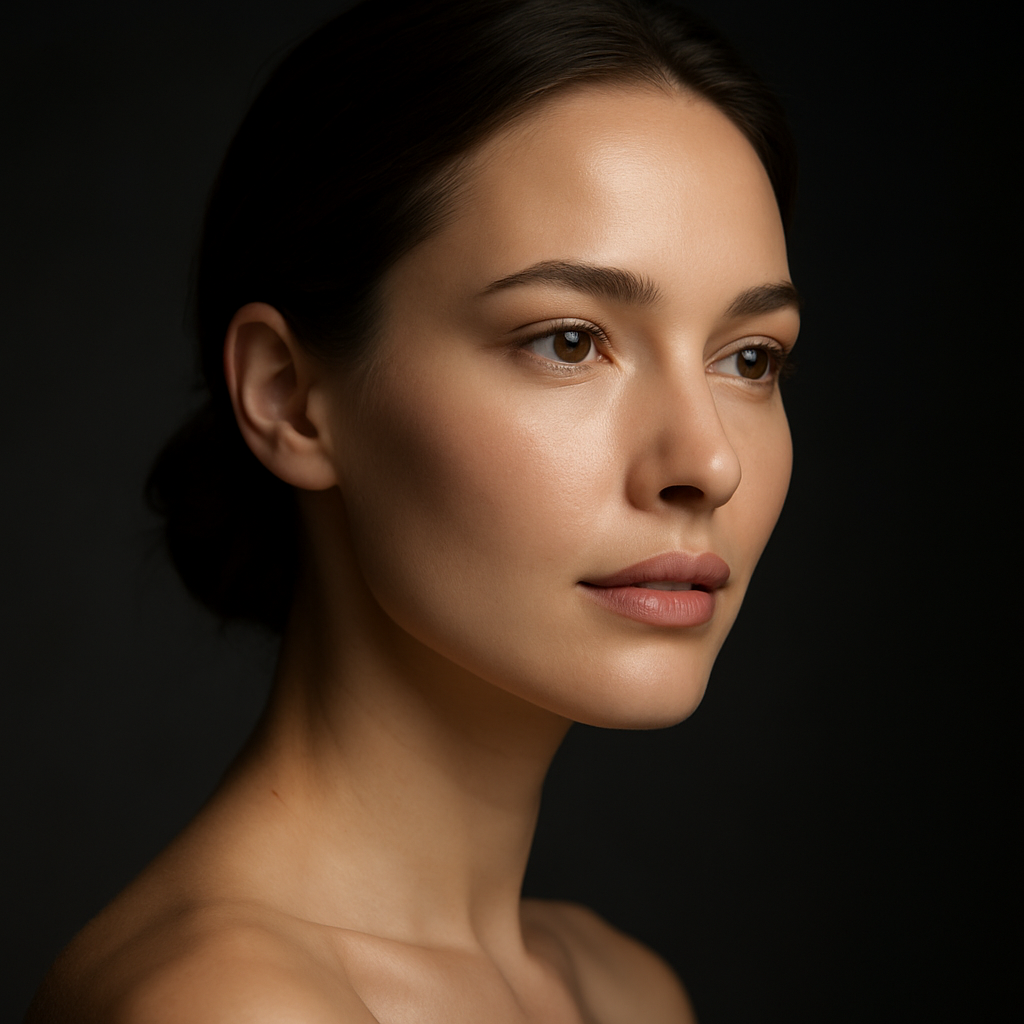
9 articles
Vitamin C stands as one of the most researched and effective ingredients in skincare, offering proven benefits for brightening, anti-aging, and overall skin health. This powerful antioxidant protects against environmental damage while stimulating collagen production and reducing hyperpigmentation. Understanding how to properly select, use, and store vitamin C products can transform your skincare routine and deliver visible results.
This section provides essential guidance on incorporating vitamin C into your skincare regimen. You'll discover the different types of vitamin C formulations, proper application techniques, potential side effects to watch for, and how vitamin C compares to other active ingredients like retinol.

Introduction to vitamin C in skincare including what it is, how it works, and why it's essential for healthy skin
Read article →
Complete guide to different forms of vitamin C including L-ascorbic acid, magnesium ascorbyl phosphate, and sodium ascorbyl phosphate
Read article →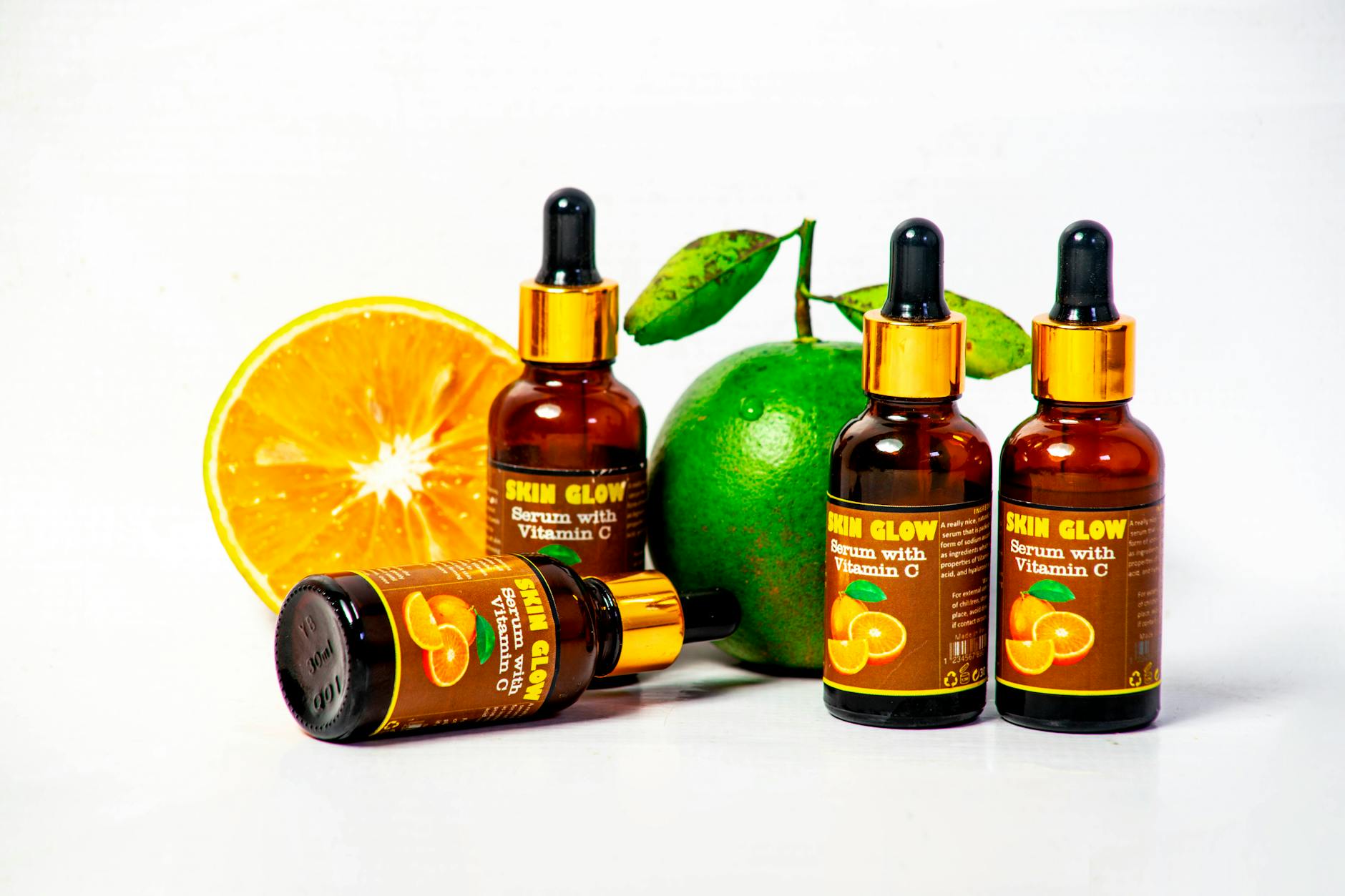
Step-by-step guide on proper vitamin C serum application, timing, frequency, and layering with other skincare products
Read article →
Common side effects of vitamin C including irritation, sensitivity, and how to minimize adverse reactions
Read article →
How vitamin C helps with acne treatment, reduces post-inflammatory hyperpigmentation, and fits into acne skincare routines
Read article →
How to properly store vitamin C products, signs of oxidation, and tips to maximize serum shelf life and effectiveness
Read article →
Top-rated vitamin C serums for different skin types and budgets with detailed reviews and recommendations
Read article →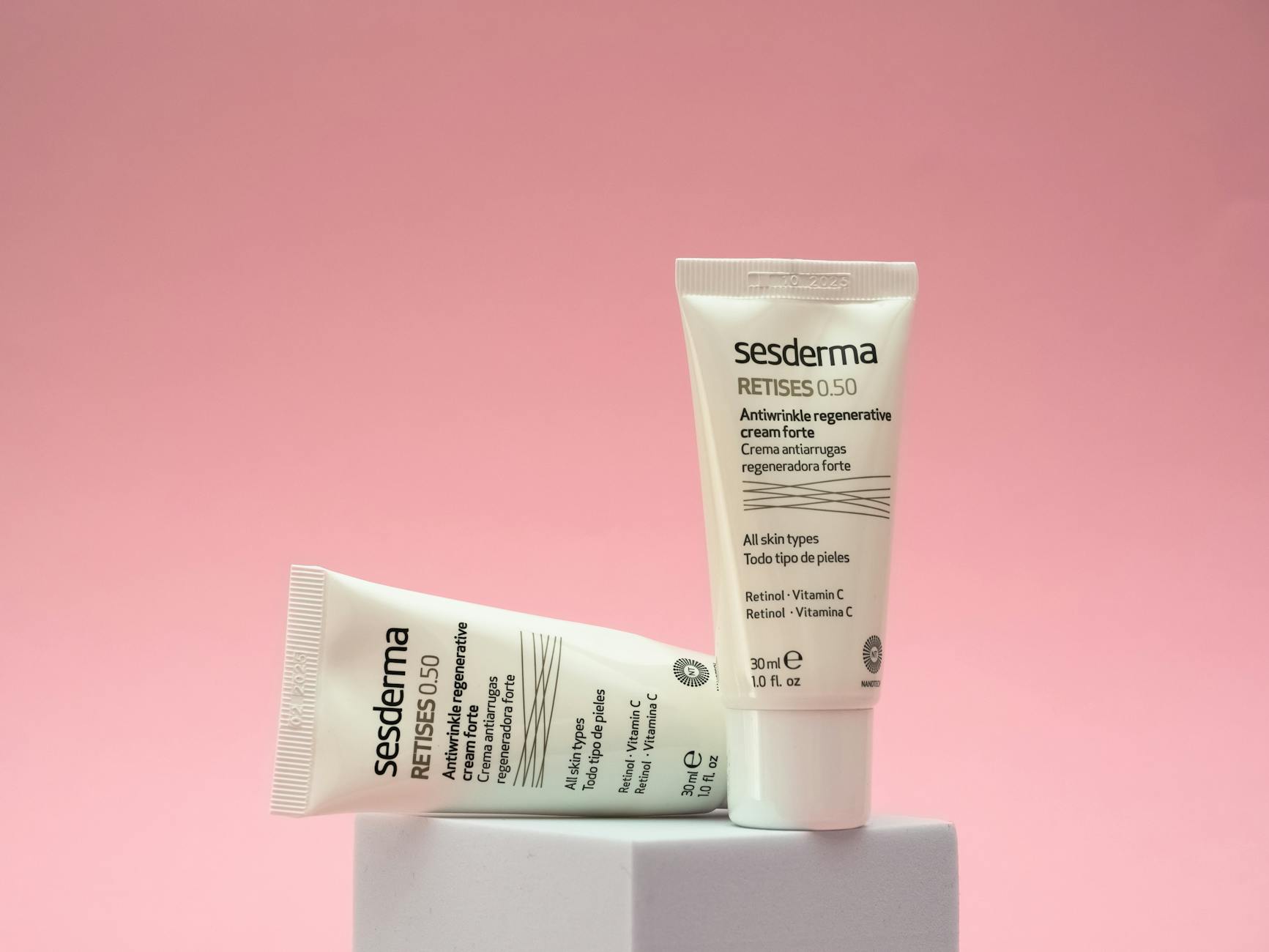
Detailed comparison of vitamin C and retinol benefits, when to use each, and whether they can be used together safely
Read article →
Common questions about vitamin C in skincare including concentration recommendations, morning vs night use, and mixing with other ingredients
Read article →