What Are the Medical Uses of Botox

Many people think of Botox as a cosmetic treatment for wrinkles, but its medical story begins decades before its beauty applications. Scientists first developed Botox in the 1970s as a treatment for muscle spasms and neurological disorders. This powerful medication works by temporarily blocking nerve signals that tell muscles to contract or glands to produce secretions.
“Botox has revolutionized treatment for conditions that were once difficult to manage, offering patients relief where traditional medications failed.”
The Food and Drug Administration has approved Botox for eleven distinct medical conditions. These include chronic migraines, excessive sweating, overactive bladder, muscle spasticity, and cervical dystonia. Each approval came after extensive clinical trials proving both safety and effectiveness for specific patient populations.
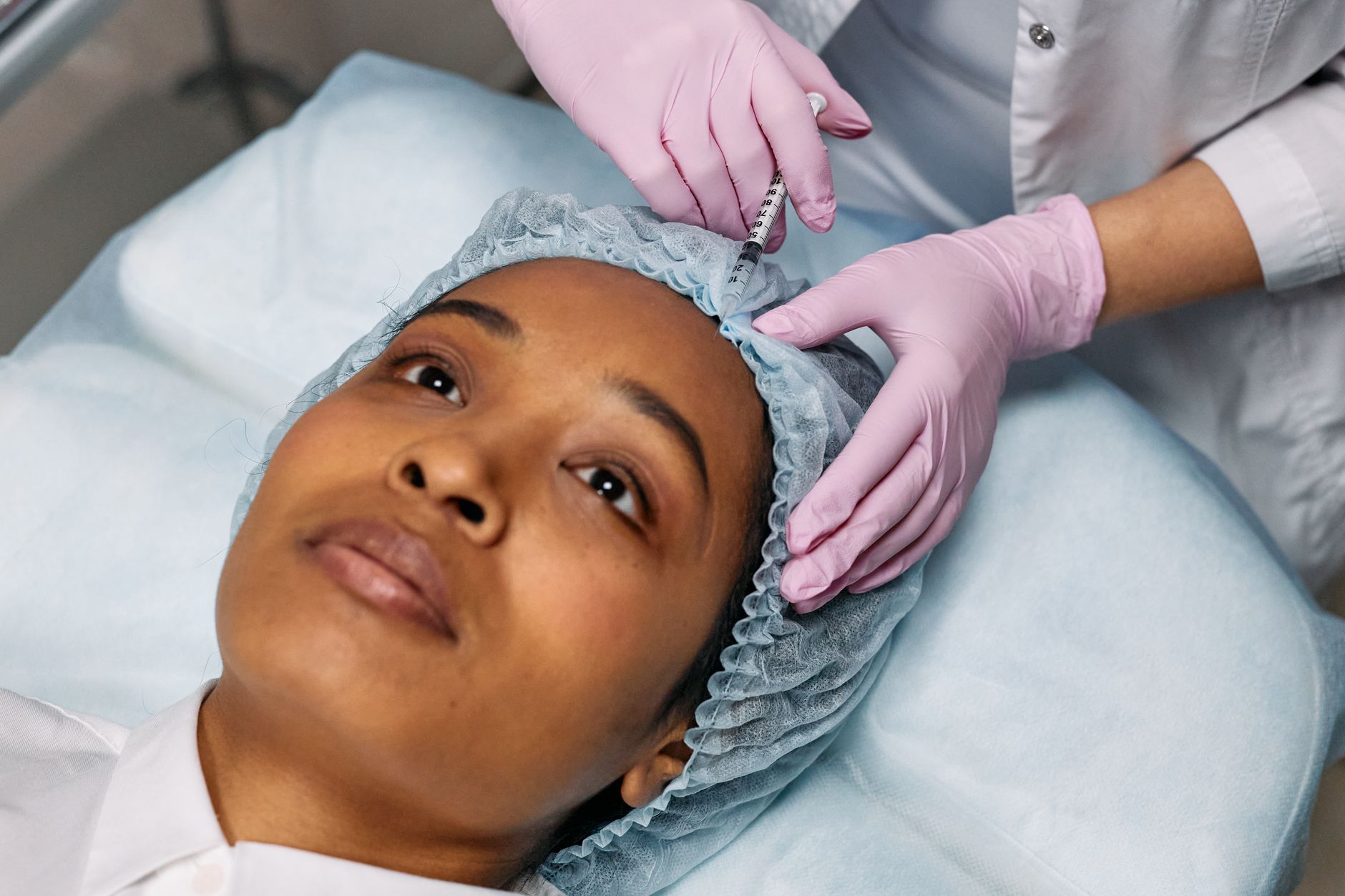
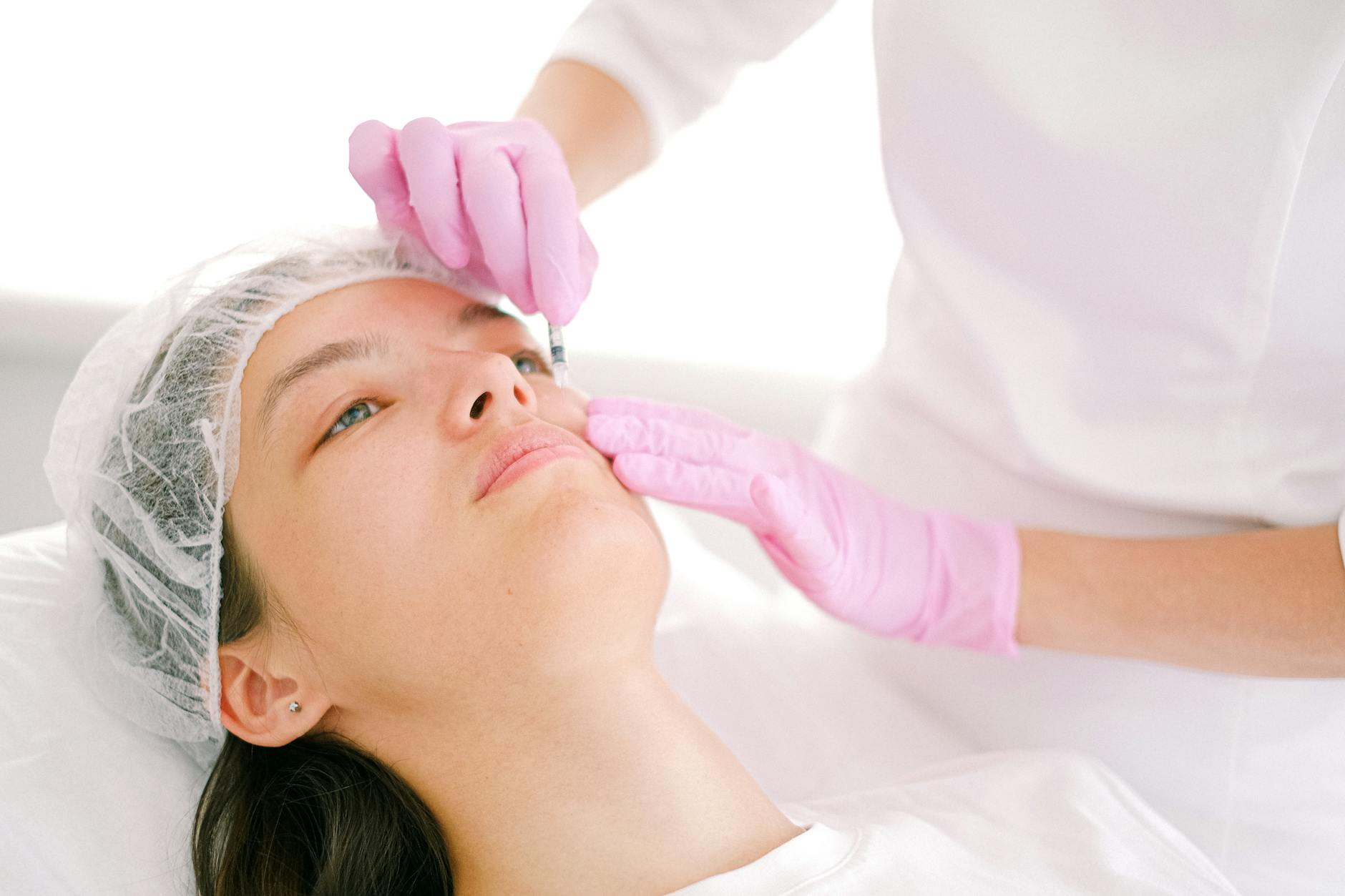
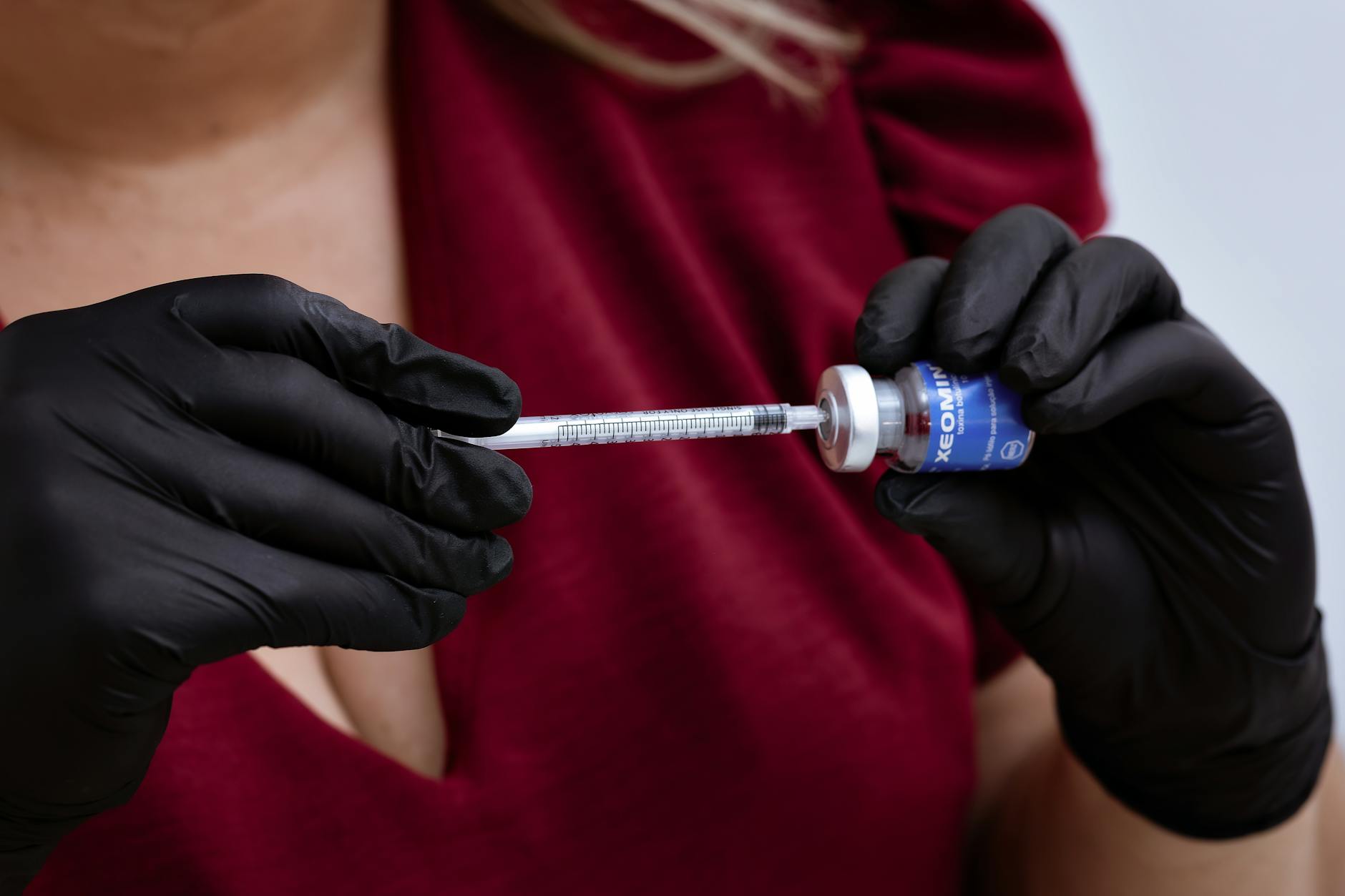
Doctors inject small amounts of Botox directly into affected muscles or glands using thin needles. The treatment blocks acetylcholine, a chemical messenger that triggers muscle contractions. This targeted approach means the medication only affects the injection site, leaving surrounding areas unaffected.
The effects typically last three to six months as nerve endings gradually regenerate. This temporary nature allows doctors to adjust treatment plans and ensures that any unwanted effects resolve naturally over time. Understanding Botox's medical foundation helps patients make informed decisions about their treatment options.
Botox for Hyperhidrosis (Excessive Sweating)

Hyperhidrosis affects millions of people worldwide, causing embarrassing sweat stains and social anxiety that can significantly impact daily life. When antiperspirants fail and you find yourself changing shirts multiple times a day, Botox offers a proven medical solution that targets the root cause of excessive sweating.
Botox works by temporarily blocking the nerve signals that trigger your sweat glands. When injected into problem areas, it prevents the release of acetylcholine, the chemical messenger that tells your sweat glands to activate. This precise interruption stops excessive sweating without affecting your body's overall temperature regulation.
“Botox for hyperhidrosis has transformed my confidence and eliminated the constant worry about visible sweat marks.”
The most common treatment area is the underarms, where small injections are placed about one inch apart across the entire sweating zone. Your dermatologist may also treat palms, feet, or facial areas depending on where your hyperhidrosis occurs. Palm treatments require more injections due to the higher concentration of sweat glands, while facial treatments focus on the forehead and upper lip areas.
Treatment sessions typically last 30 minutes, with most patients experiencing minimal discomfort. Your doctor will map the treatment area and may apply a topical numbing cream beforehand. The actual injection process uses very fine needles, creating only brief pinprick sensations.
Results typically appear within one week, with maximum dryness achieved after two weeks. Most patients enjoy 4-7 months of significantly reduced sweating, with many reporting an 80-90% decrease in sweat production. The treatment doesn't cause permanent changes to your sweat glands, so you'll need repeat sessions to maintain results.
Consider Sarah, a 28-year-old teacher who struggled with underarm sweating despite using clinical-strength antiperspirants. After her first Botox treatment, she could wear colored shirts confidently and raise her arms without worry. Her results lasted six months before she needed a follow-up treatment.
Insurance often covers hyperhidrosis treatments when conservative methods have failed, making this option more accessible than many cosmetic procedures. The investment in your comfort and confidence can dramatically improve your professional and personal interactions.
Botox for Chronic Migraines
For people who experience frequent, debilitating headaches, Botox offers hope where traditional medications have failed. The FDA approved Botox specifically for chronic migraines in 2010, but only for patients who suffer 15 or more headache days per month. This treatment targets the neurological pathways that trigger migraine pain, providing relief for those whose lives have been disrupted by constant head pain.
Botox works differently for migraines than it does for cosmetic purposes. Instead of relaxing muscles to smooth wrinkles, the injections block pain signals between nerves and muscles in the head and neck region. Scientists believe Botox prevents the release of certain chemicals that carry pain messages to the brain, essentially interrupting the migraine cycle before it begins.
The treatment protocol follows a precise pattern. Your doctor injects Botox into 31 specific locations across your forehead, temples, back of your head, neck, and upper shoulders. Each injection delivers a small amount of the medication into muscles and nerve endings that contribute to migraine pain. The entire session typically takes 15-20 minutes, and most patients describe the discomfort as mild pinpricks.
Unlike some cosmetic procedures that might cause visible changes, migraine treatments use smaller doses and target different muscle groups, so you won't develop the frozen expression that concerns many people about cosmetic Botox. The injection sites may show tiny red marks immediately after treatment, but these fade within hours.
Treatment occurs every 12 weeks, and many patients notice improvement after their second session. Clinical studies show that Botox reduces headache days by 50% or more for the majority of chronic migraine sufferers. For example, someone experiencing 20 headache days per month might see this number drop to 8-10 days after consistent treatment.
Most insurance plans cover Botox for chronic migraines when other preventive medications haven't worked, making this life-changing treatment accessible to those who need it most.
Other Medical Conditions Treated with Botox
Beyond migraines, Botox treats numerous medical conditions that significantly impact daily life. The FDA has approved this versatile treatment for several neuromuscular and urological disorders, offering relief when traditional medications fall short.
Muscle spasticity represents one of Botox's most transformative applications. Patients with cerebral palsy, stroke, or spinal cord injuries often experience painful muscle contractions that limit movement and cause discomfort. Botox injections directly into affected muscles reduce these spasms, improving mobility and reducing pain. Children with cerebral palsy particularly benefit from these treatments, as improved muscle control helps with walking, writing, and other developmental activities.
Overactive bladder affects millions of adults, causing frequent, urgent urination that disrupts sleep and social activities. When oral medications prove ineffective or cause unwanted side effects, Botox injections into the bladder muscle provide substantial relief. Most patients experience reduced urgency and fewer accidents for several months after treatment.
Cervical dystonia causes involuntary neck muscle contractions, creating painful head positioning and visible spasms that can feel socially isolating. Botox targets these specific muscles, reducing both pain and the visible symptoms that cause embarrassment. Eye muscle disorders like blepharospasm, where eyelids spasm uncontrollably, respond similarly well to targeted injections.
TMJ disorders and chronic jaw clenching create facial pain, headaches, and tooth damage. Botox injections into the jaw muscles reduce clenching intensity while maintaining normal chewing function. This approach helps patients avoid dental complications while addressing the underlying muscle tension.
What to Expect During Medical Botox Treatment

Medical Botox treatment follows a structured process that prioritizes safety and precision. Your dermatologist will begin with a comprehensive consultation to confirm your diagnosis and determine if you're a suitable candidate for treatment. This initial visit involves discussing your medical history, current symptoms, and treatment goals.
During treatment planning, your doctor will map the specific injection sites based on your condition. For hyperhidrosis, they'll identify the most active sweat areas. For migraines, they'll target predetermined muscle groups around your head and neck. This mapping ensures accurate placement and optimal results.
Your skin is cleaned thoroughly, and injection sites are marked for precision.
Small amounts of Botox are injected using ultra-fine needles at predetermined locations.
You can resume normal activities immediately with minimal post-treatment restrictions.
The actual procedure typically takes 15 to 45 minutes, depending on your condition and treatment area size. Most patients describe the sensation as brief pinpricks with minimal discomfort. No anesthesia is required for most medical Botox applications.
Unlike more intensive treatments such as Chemical Peels, which require significant downtime and careful post-treatment care, medical Botox allows you to return to your daily routine immediately. Side effects are generally mild and temporary, including slight redness or swelling at injection sites that resolves within hours.
Results typically begin appearing within 3 to 14 days, with full effects visible within two weeks. The treatment duration varies by condition—hyperhidrosis effects last 6 to 12 months, while migraine relief may persist for 3 months. Your doctor will schedule follow-up appointments to monitor your response and plan future treatments as needed.
Finding the Right Provider for Medical Botox
Choosing the right medical professional for therapeutic Botox treatments requires careful research and consideration. Your provider's qualifications directly impact both treatment safety and effectiveness.
Start by seeking board-certified specialists who have specific training in your condition. Dermatologists handle most cosmetic applications and hyperhidrosis, while neurologists typically treat migraines and movement disorders. Urologists manage overactive bladder treatments. Board certification ensures the provider has completed rigorous training and maintains current medical knowledge.
Verify your potential provider's experience with your specific medical condition. Ask how many patients they treat for your particular issue and request before-and-after examples when appropriate. Experienced providers can better anticipate potential complications and adjust treatments accordingly, reducing risks of unwanted side effects or inadequate results.
Understanding insurance coverage and costs prevents financial surprises. Most insurance plans cover medically necessary Botox treatments like chronic migraines or overactive bladder after proper documentation. Contact your insurance provider to confirm coverage requirements and pre-authorization needs.
Proper diagnosis must occur before any treatment begins. Reputable providers conduct thorough evaluations, review medical history, and may order additional tests. They explain treatment goals, potential risks, and alternative options. Avoid providers who rush toward treatment without comprehensive assessment or promise unrealistic results.
Choose a board-certified specialist with proven experience in your specific medical condition who prioritizes proper diagnosis before treatment.
Frequently Asked Questions
What medical conditions is Botox FDA approved to treat?
The FDA has approved Botox for eleven distinct medical conditions including chronic migraines, excessive sweating (hyperhidrosis), overactive bladder, muscle spasticity, and cervical dystonia. Each approval came after extensive clinical trials proving both safety and effectiveness for specific patient populations. Botox was originally developed in the 1970s as a treatment for muscle spasms and neurological disorders, decades before its cosmetic applications.
How does Botox work for excessive sweating?
Botox works by temporarily blocking the nerve signals that trigger your sweat glands. When injected into problem areas, it prevents the release of acetylcholine, the chemical messenger that tells your sweat glands to activate. This precise interruption stops excessive sweating without affecting your body's overall temperature regulation.
How long do Botox treatments last?
Botox effects typically last three to six months as nerve endings gradually regenerate. For hyperhidrosis specifically, the average duration is 6 months. This temporary nature allows doctors to adjust treatment plans and ensures that any unwanted effects resolve naturally over time.
Where can Botox be injected for hyperhidrosis?
The most common treatment area for hyperhidrosis is the underarms, where small injections are placed about one inch apart across the entire sweating zone. Dermatologists may also treat palms, feet, or facial areas depending on where your hyperhidrosis occurs. Palm treatments require more injections due to the higher concentration of sweat glands, while facial treatments focus on the forehead and upper lip areas.
What is the success rate of Botox for excessive sweating?
Botox for hyperhidrosis has an 87% success rate according to clinical data. Treatment sessions typically last 30 minutes with most patients experiencing minimal discomfort. The procedure uses very fine needles that create only brief pinprick sensations during injection.
Disclaimer: This content is for informational purposes only and does not constitute medical advice. Always consult a qualified healthcare provider before making health decisions.