Understanding Dry Cracked Hands

Your hands face unique challenges that other skin areas don't encounter. Unlike the rest of your body, hand skin gets constantly exposed to harsh elements—frequent washing, sanitizers, cold weather, and household chemicals. This exposure strips away natural oils that keep skin supple and protected.
“Hand skin is naturally thinner and has fewer oil glands than other body areas, making it more vulnerable to drying and cracking.”
The skin on your hands contains fewer sebaceous glands compared to your face or scalp. When you wash dishes, use hand sanitizer repeatedly, or work outdoors, you remove these protective oils faster than your skin can replace them. Cold air and low humidity worsen the problem by drawing moisture directly from your skin.
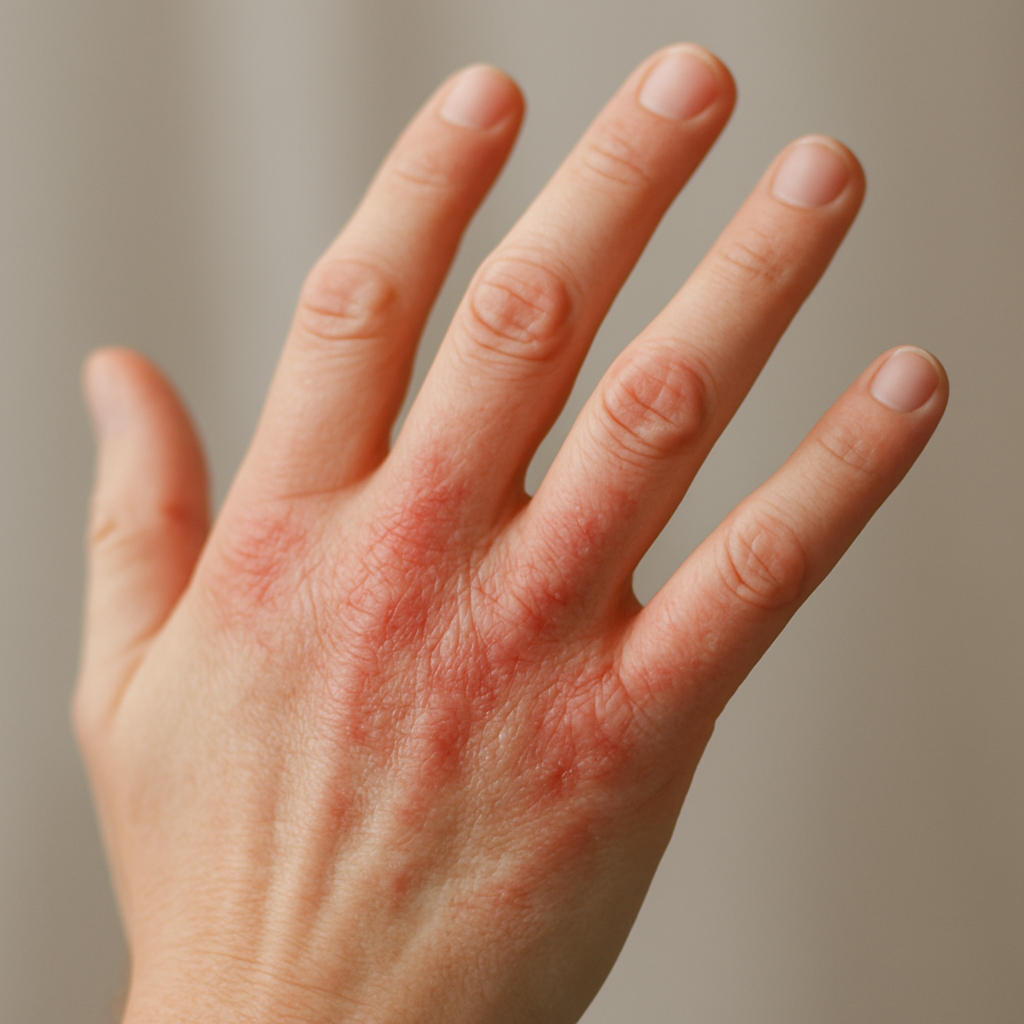
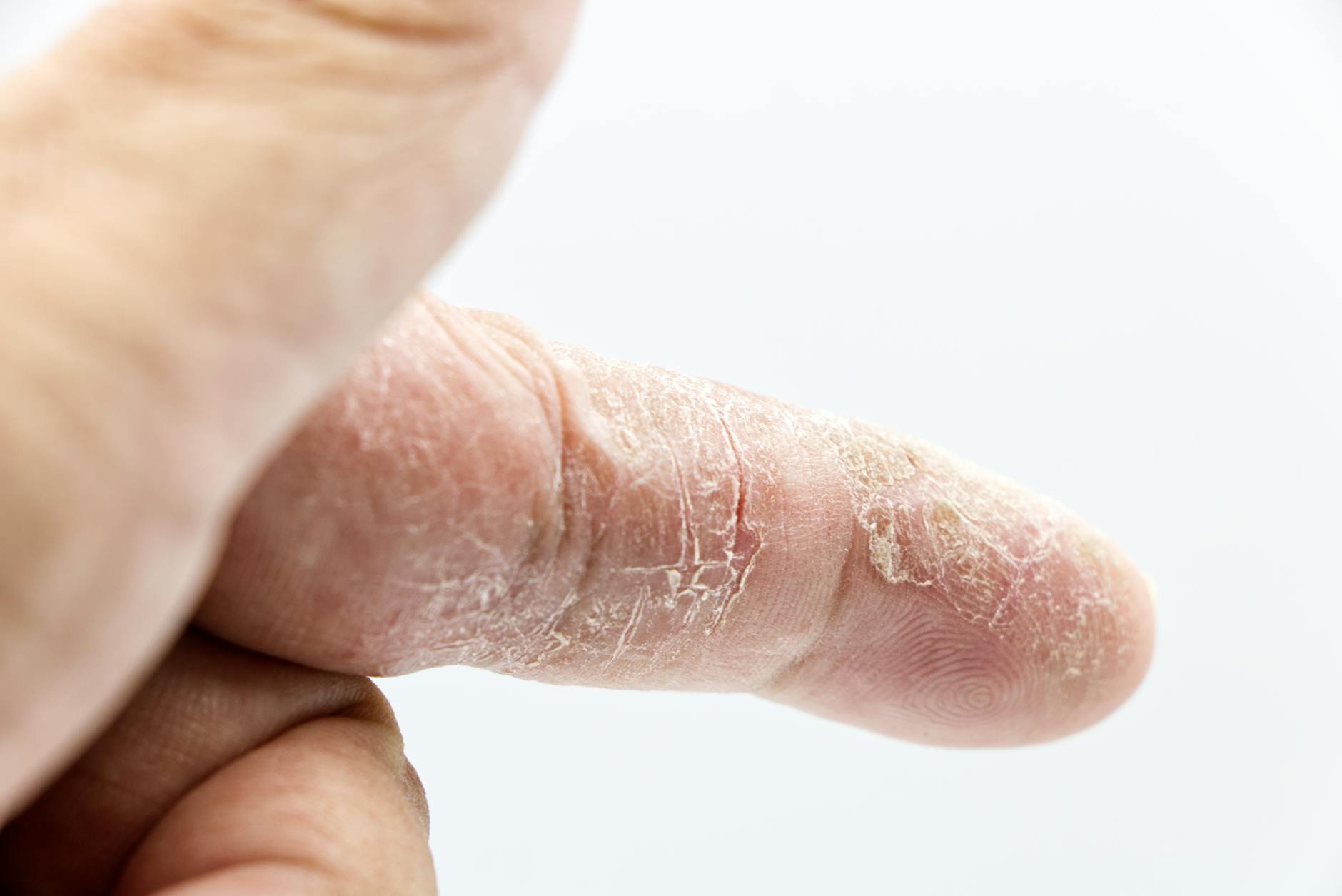
Cracked hands aren't just uncomfortable—they create entry points for bacteria and can lead to infections. While the cracks themselves rarely cause permanent scarring when treated properly, ignoring severe symptoms can worsen the condition. You should see a dermatologist if cracks bleed frequently, show signs of infection like redness and warmth, or don't improve after two weeks of consistent home treatment.
Immediate Treatment Steps

When your hands are severely cracked and painful, quick action prevents further damage and starts the healing process. Don't worry about permanent scarring—most hand skin damage heals completely with proper care.
"The first 24 hours of treatment determine how quickly your hands recover from severe cracking."
Start with gentle cleansing using lukewarm water and fragrance-free soap. Hot water strips natural oils and worsens cracks. Pat your hands dry instead of rubbing—broken skin needs delicate handling.
Use lukewarm water and mild soap, avoiding scrubbing motions on cracked areas.
Use petroleum jelly or ceramide cream while skin is still damp to lock in moisture.
Wear cotton gloves after moisturizing to prevent product transfer and enhance absorption.
For pain relief, over-the-counter hydrocortisone cream reduces inflammation and stinging. Apply a thin layer twice daily to affected areas. If cracks bleed or show signs of infection like pus or red streaking, contact your doctor immediately.
This emergency protocol addresses immediate discomfort while beginning the healing process your hands need.
Daily Treatment Routine
Establishing a consistent daily routine helps your hands heal faster and prevents future cracking. Your hand skin requires different care throughout the day, with gentle morning protection and intensive evening repair.
Apply a lightweight moisturizer with SPF 15 or higher after washing your hands.
Reapply hand cream after each hand washing, focusing on knuckles and fingertips.
Use a thick ointment or healing balm before bed for overnight repair.
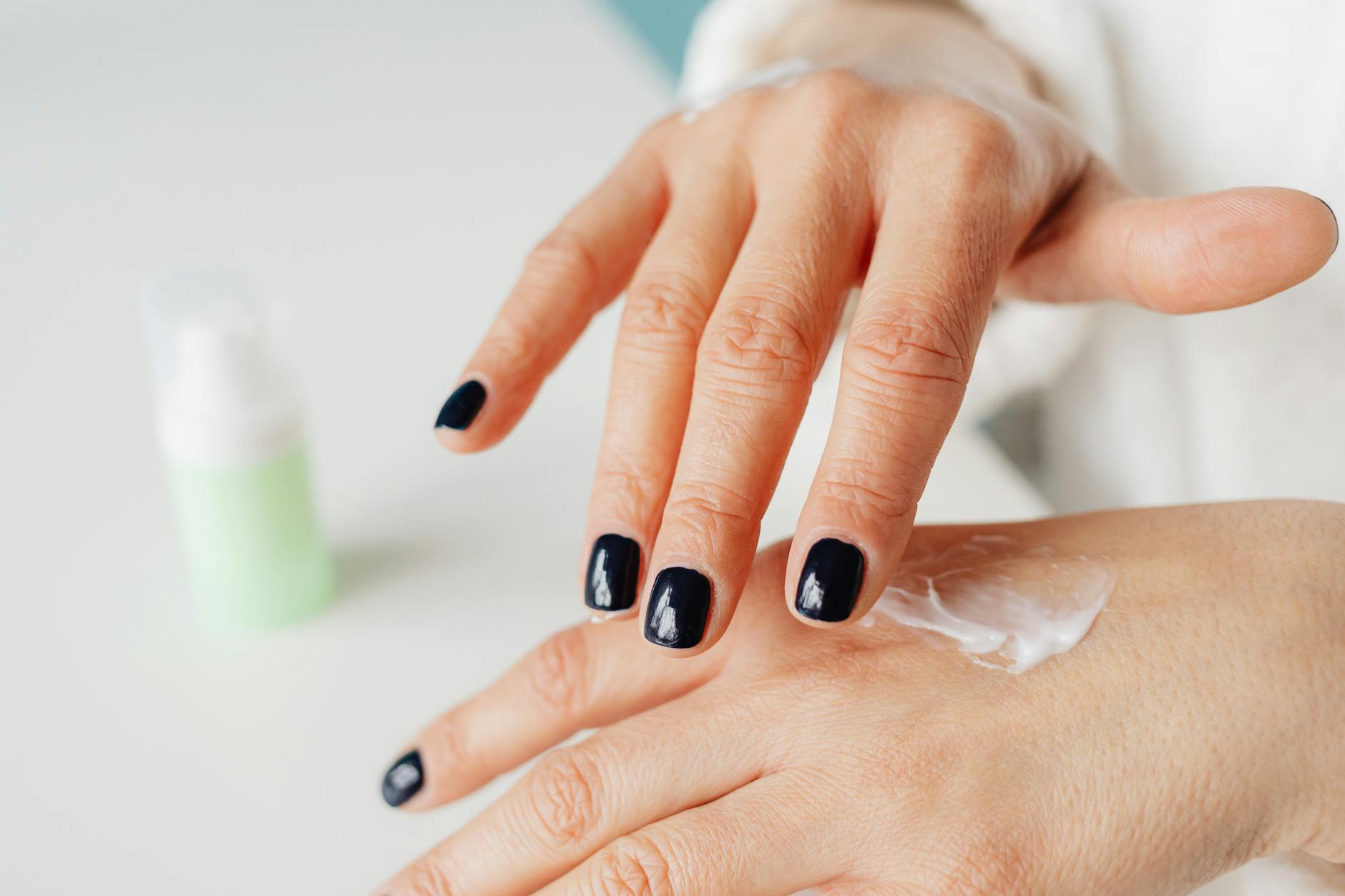
For severely cracked hands, apply products while your skin is still slightly damp to lock in moisture. This technique, called wet skin moisturizing, helps prevent the visible peeling that often causes social embarrassment. Use upward circular motions when applying cream, spending extra time on problem areas.
Your evening routine matters most for healing. After washing with lukewarm water and a gentle cleanser, pat dry and immediately apply a thick layer of petroleum jelly or ceramide-rich cream. For example, apply enough product that your hands feel slightly greasy initially—this ensures adequate coverage for overnight healing while you sleep.
Consistency produces results within one to two weeks of daily treatment.
Choosing the Right Products
Selecting effective products for your hands requires understanding ingredient priorities based on your skin's severity level. For mild dryness, look for moisturizers containing humectants like glycerin or hyaluronic acid that draw moisture into the skin. When dealing with severe cracking, prioritize occlusive ingredients such as petrolatum or lanolin that create a protective barrier to prevent water loss.
Avoid products containing fragrances, alcohol, or harsh detergents that can worsen irritation and delay healing. Skip moisturizers with retinoids or alpha hydroxy acids on cracked skin, as these can cause stinging and inflammation. Hand soaps with sulfates should also be replaced with gentle, pH-balanced cleansers.
Understanding when to use different product types makes a significant difference in healing speed. Use humectant-rich products on damp skin to maximize hydration, then seal with an occlusive layer for overnight treatment. During the day, lighter formulations with ceramides work well under gloves or for frequent reapplication.
For hands with persistent cracks that don't heal within two weeks of consistent treatment, switching to prescription-strength barrier repair creams may prevent permanent scarring and speed recovery.
Prevention Strategies

Building protective habits prevents future damage to your hands and helps maintain healthy skin barriers across your entire body. Simple daily adjustments create long-term results without requiring expensive treatments or medical interventions.
Use rubber gloves for dishwashing, cotton gloves for cleaning, and waterproof gloves for gardening to shield hands from harsh chemicals and moisture loss.
Lock in moisture within three minutes of washing hands or bathing to prevent water evaporation that leads to dryness.
Switch to heavier creams during winter months and increase application frequency when heating systems reduce indoor humidity.
Environmental protection matters year-round. Cold winter air strips moisture while summer sun exposure damages skin cells. Consistent prevention eliminates the cycle of damage and repair that leads to permanent skin changes you want to avoid.
When to See a Dermatologist
While most dry, cracked hands respond well to home treatment, certain warning signs indicate you need professional medical attention. Seek immediate care if you notice red streaks extending from cracks, pus, excessive swelling, or fever, as these suggest bacterial infection requiring prescription antibiotics.
Chronic hand eczema requires dermatological evaluation when symptoms persist despite consistent moisturizing for two weeks. Your hands may develop thick, leathery patches, persistent inflammation, or deep fissures that won't heal. These indicators suggest underlying conditions like contact dermatitis or atopic eczema that need targeted prescription treatments.
Professional treatment options include prescription corticosteroids, immunomodulating creams, and specialized barrier repair formulations. Dermatologists can also perform patch testing to identify specific allergens triggering your hand problems. Don't worry about permanent scarring—early professional intervention actually prevents long-term skin damage and helps restore normal appearance faster than prolonged home treatment attempts.
See a dermatologist immediately for signs of infection or when dry hands don't improve after two weeks of consistent moisturizing.
Frequently Asked Questions
Why do hands crack and get dry more easily than other parts of the body?
Hand skin is naturally thinner and has fewer oil glands than other body areas, making it more vulnerable to drying and cracking. Your hands get constantly exposed to harsh elements like frequent washing, sanitizers, cold weather, and household chemicals that strip away natural protective oils. Cold air and low humidity worsen the problem by drawing moisture directly from your skin.
When should I see a doctor for cracked hands?
You should see a dermatologist if cracks bleed frequently, show signs of infection like redness and warmth, or don't improve after two weeks of consistent home treatment. Contact your doctor immediately if cracks bleed or show signs of infection like pus or red streaking. While most hand skin damage heals completely with proper care, ignoring severe symptoms can worsen the condition.
How do I treat severely cracked hands immediately?
Start with gentle cleansing using lukewarm water and fragrance-free soap, then pat your hands dry instead of rubbing. Apply thick moisturizer like petroleum jelly or ceramide cream while skin is still damp to lock in moisture. For best results, wear cotton gloves after moisturizing overnight to prevent product transfer and enhance absorption.
What's the best daily routine for healing cracked hands?
In the morning, apply a lightweight moisturizer with SPF 15 or higher after washing your hands. Throughout the day, reapply hand cream after each hand washing, focusing on knuckles and fingertips. In the evening, use a thick ointment or healing balm before bed for overnight repair.
Will cracked hands leave permanent scars?
Most hand skin damage heals completely with proper care and rarely causes permanent scarring when treated properly. Don't worry about permanent scarring from cracked hands, as the first 24 hours of treatment determine how quickly your hands recover from severe cracking. Quick action prevents further damage and starts the healing process effectively.
Disclaimer: This content is for informational purposes only and does not constitute medical advice. Always consult a qualified healthcare provider before making health decisions.