Understanding the Fundamental Difference

Your skin type represents the genetic blueprint you inherited from your parents—something as fixed as your eye color or height. Whether you have oily, dry, combination, or sensitive skin depends on factors like sebaceous gland activity and natural moisture levels that remain consistent throughout your life.
Skin conditions, however, tell a completely different story. Acne, rosacea, hyperpigmentation, and eczema are temporary visitors that respond to treatment, lifestyle changes, and proper skincare routines. While these conditions can feel overwhelming and trigger fears about permanent scarring, they represent problems with solutions rather than unchangeable realities.
“Treating your skin type when you actually have a skin condition is like putting a band-aid on a broken bone.”
This distinction matters because misidentification leads to skincare failure. Someone with combination skin experiencing hormonal breakouts might waste months using oil-control products when they need acne-fighting ingredients instead. Understanding whether you're dealing with your permanent skin characteristics or a treatable condition determines your entire skincare strategy.
For example, dry skin requires consistent hydration, while dehydrated skin (a condition) needs barrier repair and gentle exfoliation. The wrong approach won't just fail—it can worsen your concerns and delay the clear skin you're seeking.
The Four Main Skin Types: Your Genetic Blueprint

Your skin type is determined by genetics and remains consistent throughout your life, acting as your dermatological foundation. Understanding these four permanent categories helps you choose products that work with your skin's natural tendencies rather than against them, reducing the risk of irritation that can lead to scarring or breakouts.
“Your skin type is your genetic blueprint—understanding it prevents the trial-and-error approach that often worsens skin problems.”
Oily Skin features overactive sebaceous glands that produce excess oil, creating a shiny appearance particularly in the T-zone. You'll notice enlarged pores and increased susceptibility to acne and blackheads. While frustrating, this skin type ages more slowly due to natural oil protection.
Dry Skin lacks sufficient moisture and natural oils, often feeling tight, rough, or flaky with a dull appearance. This type is more prone to irritation and premature aging but typically experiences fewer breakouts. Fine lines may appear earlier without proper hydration.
Combination Skin presents the most complex pattern—an oily T-zone (forehead, nose, chin) with enlarged pores and excess sebum, while cheek areas remain normal to dry with possible sensitivity. This requires targeted treatment for different facial zones.
Sensitive Skin reacts easily to skincare products, environmental factors, or irritants with symptoms like redness, burning, stinging, itching, or inflammation. This reactive nature requires gentle, fragrance-free products to prevent flare-ups that could compromise your skin barrier and healing process.
Common Skin Conditions: Temporary Issues You Can Fix
Unlike your permanent skin type, skin conditions are temporary problems that respond to targeted treatment. Understanding this difference helps you focus your energy on fixes that actually work rather than fighting your genetics.
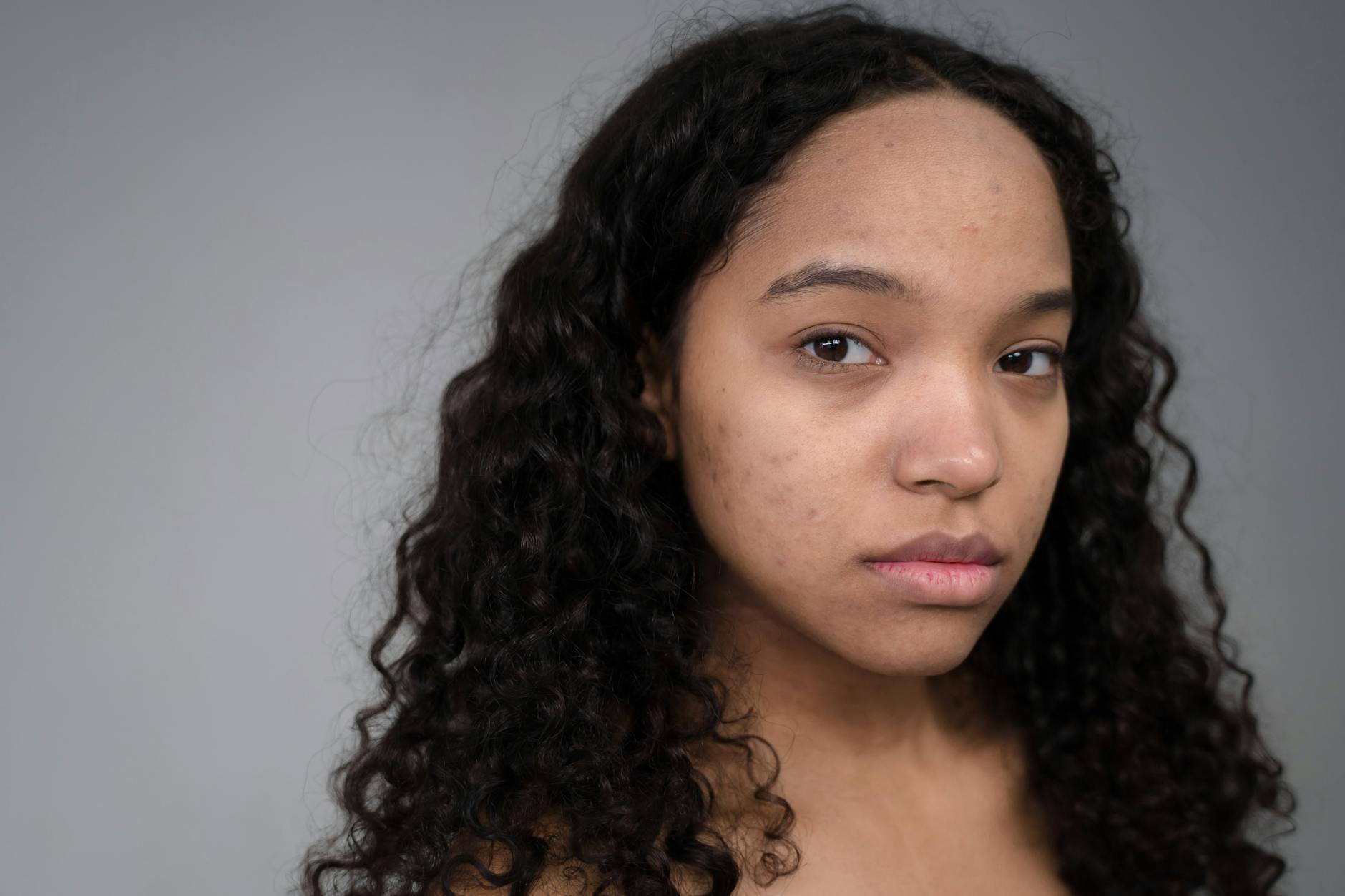
Acne is a condition, not a skin type. You can have oily skin without acne, or dry skin with breakouts. Acne happens when pores get clogged with oil, dead skin cells, and bacteria. The good news? Most acne clears with proper treatment, and while it might leave temporary marks, permanent scarring is preventable with early intervention.
Dehydration differs from naturally dry skin. Dehydrated skin lacks water and feels tight even on oily skin types. Environmental factors like harsh cleansers, weather, or over-exfoliation cause this temporary condition.
Irritation from products or environmental stressors creates redness, burning, or breakouts. Hormonal changes can temporarily increase oil production, causing breakouts even in people with normally balanced skin. For example, many adults experience monthly breakouts around their menstrual cycle or during stressful periods.
These conditions affect all skin types but respond well to appropriate treatment when you address the root cause rather than your permanent skin characteristics.
How to Identify What You're Dealing With

Figuring out whether you're dealing with your skin type or a temporary condition doesn't require guesswork. A systematic approach helps you understand what's happening and prevents unnecessary worry about permanent changes to your skin.
Note when changes appeared and whether they've persisted for months or just weeks.
List any new skincare products, makeup, or medications you've started recently.
Think about seasonal changes, stress levels, diet modifications, or lifestyle shifts.
Notice if issues appear in specific areas or respond to certain triggers.
Your skin type remains consistent throughout your adult life. If you've always had normal skin and suddenly develop persistent oiliness, that's likely a condition responding to hormones, products, or environment. Similarly, if your typically oily skin becomes extremely dry and flaky, you're probably dealing with a temporary barrier disruption rather than a fundamental change.
When breakouts persist beyond eight weeks despite consistent gentle care, or when you notice scarring, professional evaluation becomes important. A dermatologist can distinguish between normal skin behavior and conditions requiring targeted treatment, giving you the clarity and confidence you need to move forward effectively.
Tailoring Your Skincare Approach
Once you've identified your skin type and current conditions, building an effective routine requires different strategies for each. Your skin type demands consistent, long-term management, while conditions need targeted short-term treatments that you can phase out once resolved.
Choose gentle cleansers and moisturizers suited to your permanent skin type first.
Add condition-specific treatments like salicylic acid for acne or niacinamide for redness on top of your base routine.
Remove treatments gradually as conditions improve, keeping your type-based foundation intact.
For example, someone with oily skin experiencing hormonal breakouts should maintain oil-controlling cleansers and lightweight moisturizers permanently, while using benzoyl peroxide temporarily until acne clears. This prevents the rebound effects that cause permanent scarring when people completely stop their routine too quickly.
Reassess your skin monthly. Conditions change with seasons, stress, and hormones, but your underlying type remains constant. When new issues arise, layer appropriate treatments over your established foundation rather than overhauling everything.
Treat your skin type as the permanent foundation and layer temporary treatments for changing conditions.
Frequently Asked Questions
What is the difference between skin type and skin condition?
Your skin type is your genetic blueprint that remains constant throughout your life, determined by factors like sebaceous gland activity and natural moisture levels. Skin conditions like acne, rosacea, and eczema are temporary issues that respond to treatment and proper skincare routines. Understanding this distinction is crucial because treating your skin type when you actually have a skin condition won't solve the problem and can even make it worse.
What are the four main skin types?
The four main skin types are oily, dry, combination, and sensitive skin. Oily skin has overactive sebaceous glands producing excess oil and enlarged pores, while dry skin lacks moisture and feels tight or flaky. Combination skin features an oily T-zone with normal to dry cheeks, and sensitive skin reacts easily to products or environmental factors with redness and irritation.
Can I change my skin type?
No, your skin type cannot be changed as it's determined by genetics, much like your eye color or height. Your skin type represents the natural characteristics you inherited from your parents and remains consistent throughout your life. However, skin conditions that may be affecting your skin can be treated and improved with proper skincare routines and lifestyle changes.
How do I know if I have combination skin?
Combination skin presents with an oily T-zone (forehead, nose, and chin) that has enlarged pores and excess sebum production. Meanwhile, your cheek areas remain normal to dry and may show some sensitivity. This skin type requires targeted treatment for different facial zones since different areas have different needs.
Why does misidentifying my skin type matter?
Misidentification leads to skincare failure because you end up using the wrong products for your needs. For example, someone with combination skin experiencing hormonal breakouts might waste months using oil-control products when they actually need acne-fighting ingredients. The wrong approach won't just fail to solve your problems—it can worsen your concerns and delay achieving clear skin.
Disclaimer: This content is for informational purposes only and does not constitute medical advice. Always consult a qualified healthcare provider before making health decisions.