What Is a Basic Morning Skincare Routine?

A basic morning skincare routine is a simple three to four-step system designed to cleanse, protect, and prepare your skin for the day ahead. This foundational approach follows dermatological guidelines from the American Academy of Dermatology (AAD) and serves as the essential starting point for anyone beginning their skincare journey.
The routine consists of four core steps performed in a specific order each morning. You start with a gentle cleanser to remove overnight buildup, follow with a moisturizer to hydrate and strengthen your skin barrier, apply sunscreen for UV protection, and optionally include a targeted treatment like vitamin C serum for enhanced benefits.
“Consistency with simple steps beats complexity with sporadic effort when it comes to achieving clear, healthy skin.”
This streamlined approach addresses your primary concerns about preventing breakouts while reducing the risk of irritation that can lead to scarring or social embarrassment. Unlike complex multi-step routines that can overwhelm beginners, a basic morning routine builds confidence through achievable daily habits.
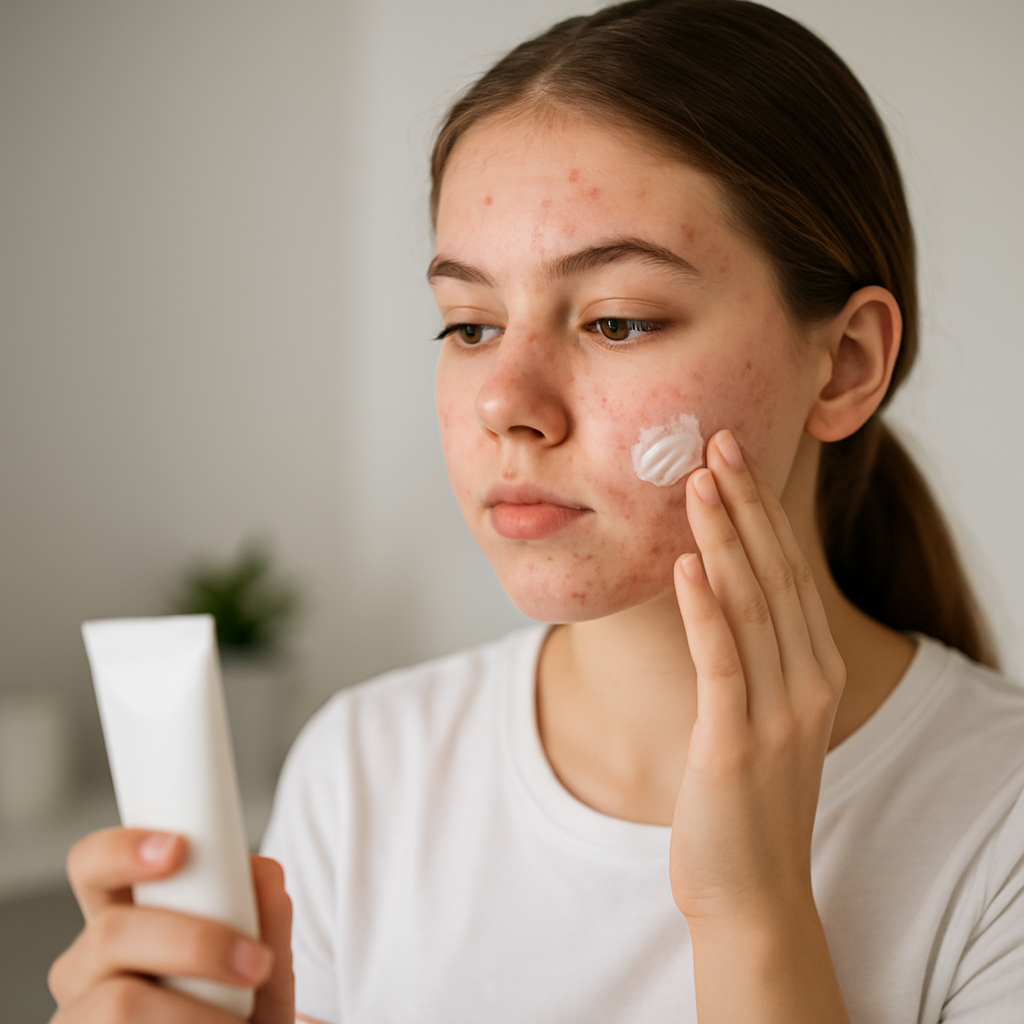
For example, someone with acne-prone skin might use a salicylic acid cleanser, lightweight gel moisturizer, broad-spectrum SPF 30 sunscreen, and a vitamin C serum. The entire routine takes five minutes and costs significantly less than elaborate regimens while delivering proven results.
The beauty of this approach lies in its adaptability. You can adjust product types based on your skin concerns while maintaining the same fundamental structure. Whether you have oily, dry, or sensitive skin, these four steps provide the foundation for clearer skin and long-term skin health without overwhelming your routine or budget.
Step-by-Step Morning Routine

A proper Basic Morning Skincare Routine follows a specific sequence that maximizes each product's effectiveness while building protection for the day ahead. The order matters because lighter products absorb better when applied first, and heavier formulations can block penetration of subsequent steps.
Start with lukewarm water and a mild, pH-balanced cleanser to remove overnight buildup without stripping natural oils.
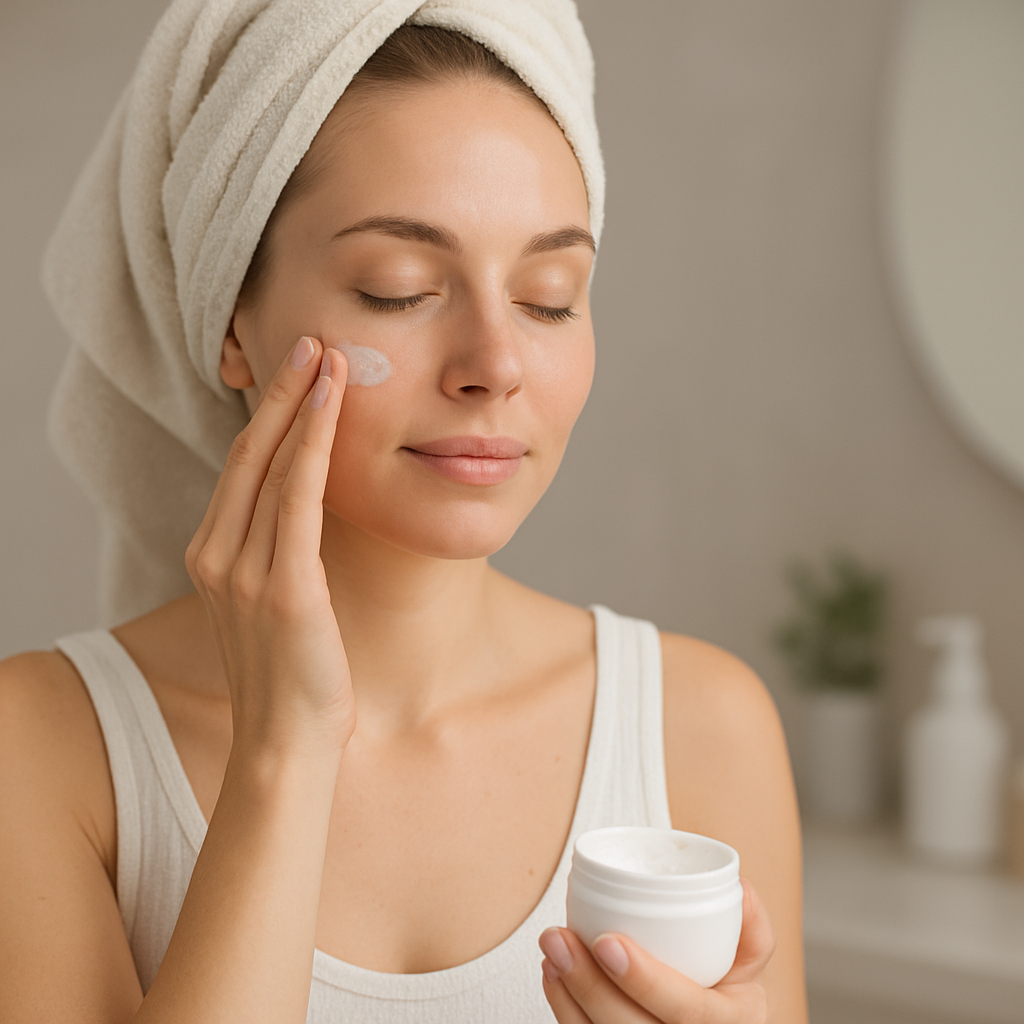
Apply a lightweight, non-comedogenic moisturizer while skin is still slightly damp to lock in hydration.
Finish with broad-spectrum SPF 30 or higher, covering all exposed areas including neck and ears.
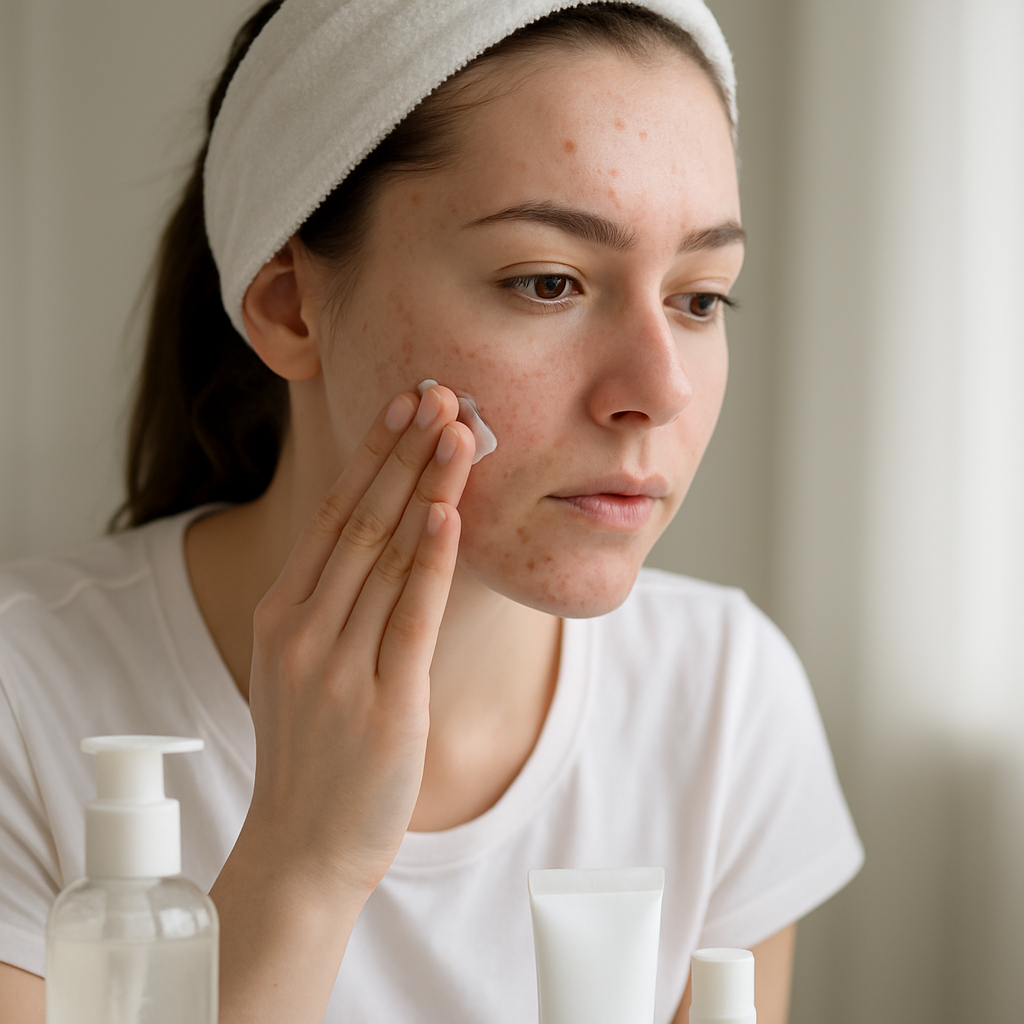
Begin your cleansing routine by splashing your face with lukewarm water to open pores gently. Apply a dime-sized amount of cleanser using circular motions for 30 seconds, focusing on oily areas like the T-zone. Rinse thoroughly with cool water to close pores and pat dry with a clean towel. Harsh scrubbing can worsen breakouts and potentially lead to scarring, so gentle pressure is essential.
“The right moisturizer prevents your skin from overproducing oil, which is often the root cause of persistent breakouts.”
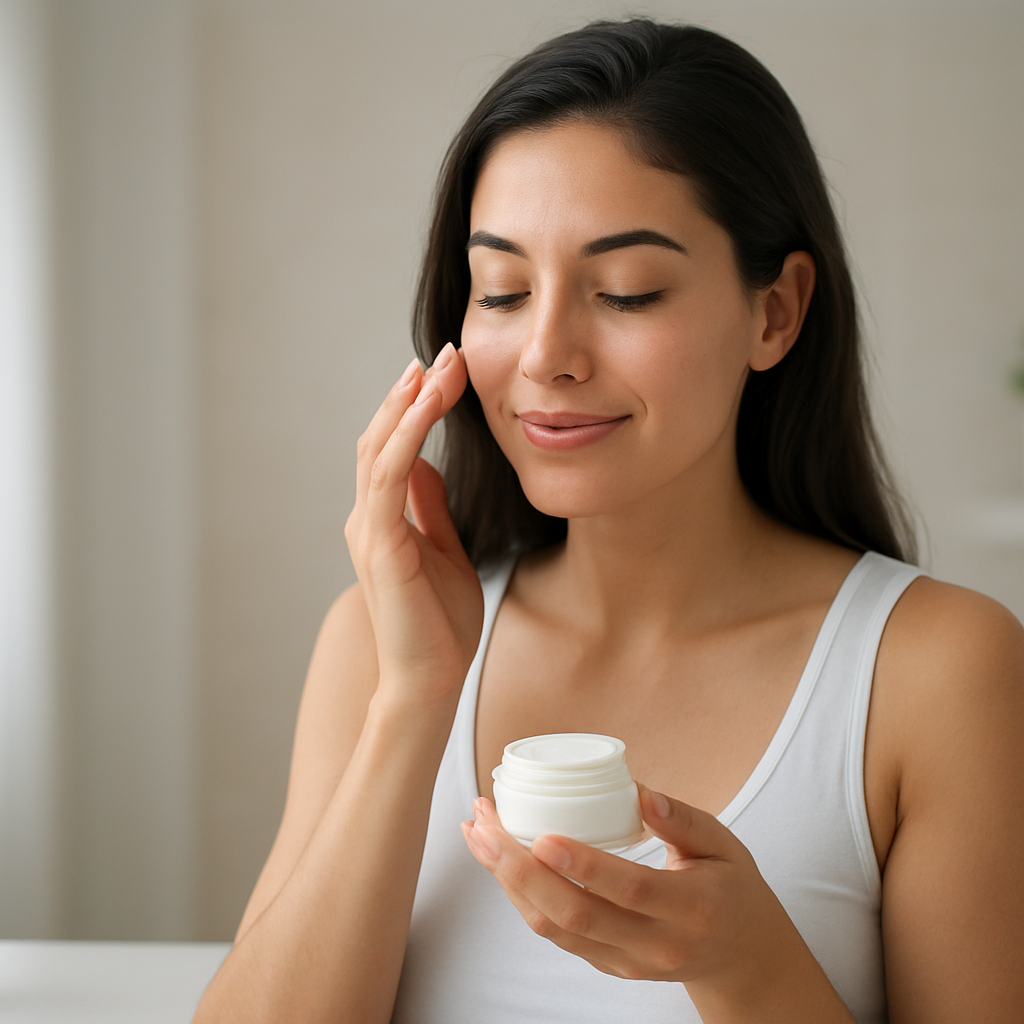
Choose your moisturizer based on skin type. Those with oily skin benefit from gel-based formulas containing hyaluronic acid, while dry skin types need cream-based products with ceramides. Apply using upward strokes, starting from the center of your face and working outward. This technique promotes circulation and ensures even coverage without tugging delicate skin around the eyes.
Sunscreen application requires more product than most people realize. Use approximately one-quarter teaspoon for your face alone, applying it as the final step 15 minutes before sun exposure. Mineral sunscreens with zinc oxide or titanium dioxide work immediately and are gentler for sensitive or acne-prone skin. Chemical sunscreens need time to absorb and activate, making timing crucial for effective protection.
The entire Basic Morning Skincare Routine should take 3-5 minutes once you establish the habit. Consistency matters more than perfection, so start with basic drugstore products if premium options feel overwhelming. CeraVe Foaming Facial Cleanser, Neutrogena Oil-Free Moisture Gel, and EltaMD UV Clear provide excellent results without breaking budgets or causing common irritations that can derail your progress toward clearer skin.
Key Benefits and Why It Works
Your Basic Morning Skincare Routine creates a protective barrier that shields your skin from daily environmental threats. When you cleanse, apply serums, moisturize, and use sunscreen, you're building layers of defense that work together throughout the day. Each step serves a specific purpose that contributes to healthier, clearer skin over time.
Gentle morning cleansing removes overnight oil buildup and dead skin cells without stripping your skin's natural protective barrier. This clean foundation allows subsequent products to penetrate effectively and prevents pore-clogging debris from accumulating. A compromised skin barrier often leads to irritation and breakouts, which can cause the scarring you want to avoid.
Moisturizers maintain your skin's hydration levels by creating a seal that prevents water loss. Well-hydrated skin appears plumper, heals faster from minor blemishes, and produces less excess oil that can clog pores. This balanced moisture environment supports your skin's natural repair processes and reduces inflammation.
Sunscreen provides the most crucial protection against photoaging and hyperpigmentation. UV rays break down collagen, create free radicals, and worsen existing acne marks. Daily SPF use prevents new dark spots from forming and protects healing skin from further damage.
The cumulative effect of consistent daily protection becomes apparent within weeks. Your skin maintains better moisture balance, experiences less irritation, and develops fewer new breakouts. Over months, this routine helps fade existing marks while preventing new ones from forming. This systematic approach addresses both immediate skin concerns and long-term health, giving you the clear complexion you're working toward without the risk of permanent damage from neglect or harsh treatments.
Who Should Follow This Routine
The Basic Morning Skincare Routine works best for skincare beginners who want to establish healthy habits without overwhelming their skin. If you're new to skincare or feeling confused by complicated routines with multiple serums and treatments, this simplified approach provides an excellent starting point.
This routine suits most skin types, including normal, combination, and mildly oily skin. People with sensitive skin should patch-test new products before full application to avoid irritation that could worsen existing concerns. Those with very dry skin may need to add a heavier moisturizer, while people with severe acne should consult a dermatologist before starting any new routine.
Age doesn't limit who can benefit from this routine. Teenagers dealing with their first breakouts, adults experiencing stress-related skin issues, and mature individuals seeking prevention can all follow these steps safely. The gentle nature of basic cleansing, moisturizing, and sun protection supports skin health at any life stage.
You should progress to more complex routines only after mastering these fundamentals for at least 6-8 weeks. Signs you're ready to advance include consistent daily application, no adverse reactions, and stable skin that responds well to your current products. Many people find this basic routine meets their long-term needs without requiring additional steps.
Those with active skin conditions like eczema, rosacea, or severe acne should speak with a dermatologist first. Professional guidance prevents potential setbacks and ensures your routine supports rather than hinders your skin's healing process.
Common Mistakes to Avoid

Even the simplest Basic Morning Skincare Routine can fail when you make these frequent errors. Understanding what goes wrong helps you avoid setbacks that could delay your clear skin goals.
Product application order matters more than most people realize. Always apply products from thinnest to thickest consistency. Cleanser comes first, followed by any serums, then moisturizer, and sunscreen last. Putting moisturizer before serum creates a barrier that prevents the active ingredients from reaching your skin. This simple mix-up renders expensive serums nearly useless.
Sunscreen application mistakes happen constantly. You need a quarter teaspoon for your face alone—much more than the thin layer most people apply. Insufficient coverage leaves gaps where UV damage can cause scarring and hyperpigmentation. Apply sunscreen 15 minutes before going outside, not while walking out the door.
Over-cleansing strips your skin's natural protective barrier. Washing your face more than twice daily or using harsh scrubs creates irritation and triggers excess oil production. Your skin fights back by producing more sebum, creating the exact breakouts you're trying to prevent.
Skipping steps might save time initially, but creates bigger problems later. Missing sunscreen leads to UV damage and premature aging. Forgetting moisturizer causes dehydration that your skin compensates for with increased oil production. Consistency beats perfection—better to do a simple routine daily than a complex one sporadically.
How This Compares to Other Routines
Your Basic Morning Skincare Routine differs significantly from evening routines, which typically include heavier treatments and active ingredients like retinoids or exfoliating acids. Morning routines focus on protection and preparation for the day ahead, while nighttime routines emphasize repair and renewal during sleep.
Compared to advanced skincare regimens with 8-10 products, your three-step morning routine offers distinct advantages. You save time, reduce the risk of irritation from too many ingredients, and spend less money while still addressing your primary concerns. Complex routines can actually worsen skin problems for beginners who haven't identified their specific needs yet.
Consider upgrading your routine when you've consistently followed the basics for 6-8 weeks and want to target specific concerns like dark spots or fine lines. Signs you're ready include comfortable daily habits, no irritation from current products, and clear improvement goals.
The cost-effectiveness of basic routines becomes especially important when preventing permanent scarring. Spending $200 on multiple serums won't help if you can't maintain consistency, but a reliable $25 routine used daily provides better long-term protection for your skin.
Master the basics before adding complexity – consistent simple care beats sporadic advanced treatments every time.
Frequently Asked Questions
What is a basic morning skincare routine?
A basic morning skincare routine is a simple three to four-step system designed to cleanse, protect, and prepare your skin for the day ahead. It consists of gentle cleansing, moisturizing, sunscreen application, and optionally a targeted treatment like vitamin C serum. This foundational approach follows dermatological guidelines and serves as the essential starting point for anyone beginning their skincare journey.
What are the steps in a morning skincare routine?
The morning skincare routine follows three core steps in specific order: gentle cleansing with a mild, pH-balanced cleanser, applying a lightweight non-comedogenic moisturizer while skin is still slightly damp, and finishing with broad-spectrum SPF 30 or higher sunscreen. The order matters because lighter products absorb better when applied first, and heavier formulations can block penetration of subsequent steps.
How long does a basic morning skincare routine take?
A basic morning skincare routine takes approximately five minutes to complete. This streamlined approach addresses primary skin concerns while being achievable for daily habits. The routine is designed to be simple and efficient without overwhelming beginners or requiring significant time investment.
What type of moisturizer should I use in my morning routine?
Choose your moisturizer based on your skin type for optimal results. Those with oily skin benefit from gel-based formulas containing hyaluronic acid, while dry skin types need cream-based products with ceramides. Apply using upward strokes, starting from the center of your face and working outward to promote circulation and ensure even coverage.
Why is sunscreen important in a morning skincare routine?
Sunscreen is essential for UV protection and should be broad-spectrum SPF 30 or higher, covering all exposed areas including neck and ears. It serves as the final protective barrier in your morning routine to prevent sun damage and maintain long-term skin health. Sunscreen application completes the foundation for protecting your skin throughout the day.
Disclaimer: This content is for informational purposes only and does not constitute medical advice. Always consult a qualified healthcare provider before making health decisions.