What Is Microneedling?

Microneedling is a minimally invasive cosmetic procedure that uses fine needles to create controlled micro-injuries in your skin. This technique stimulates your body's natural collagen and elastin production, which helps improve skin texture, reduce fine lines, and minimize scars. The process triggers your skin's healing response without causing permanent damage when performed correctly.
“Microneedling harnesses your body's natural healing power to rejuvenate skin from within.”
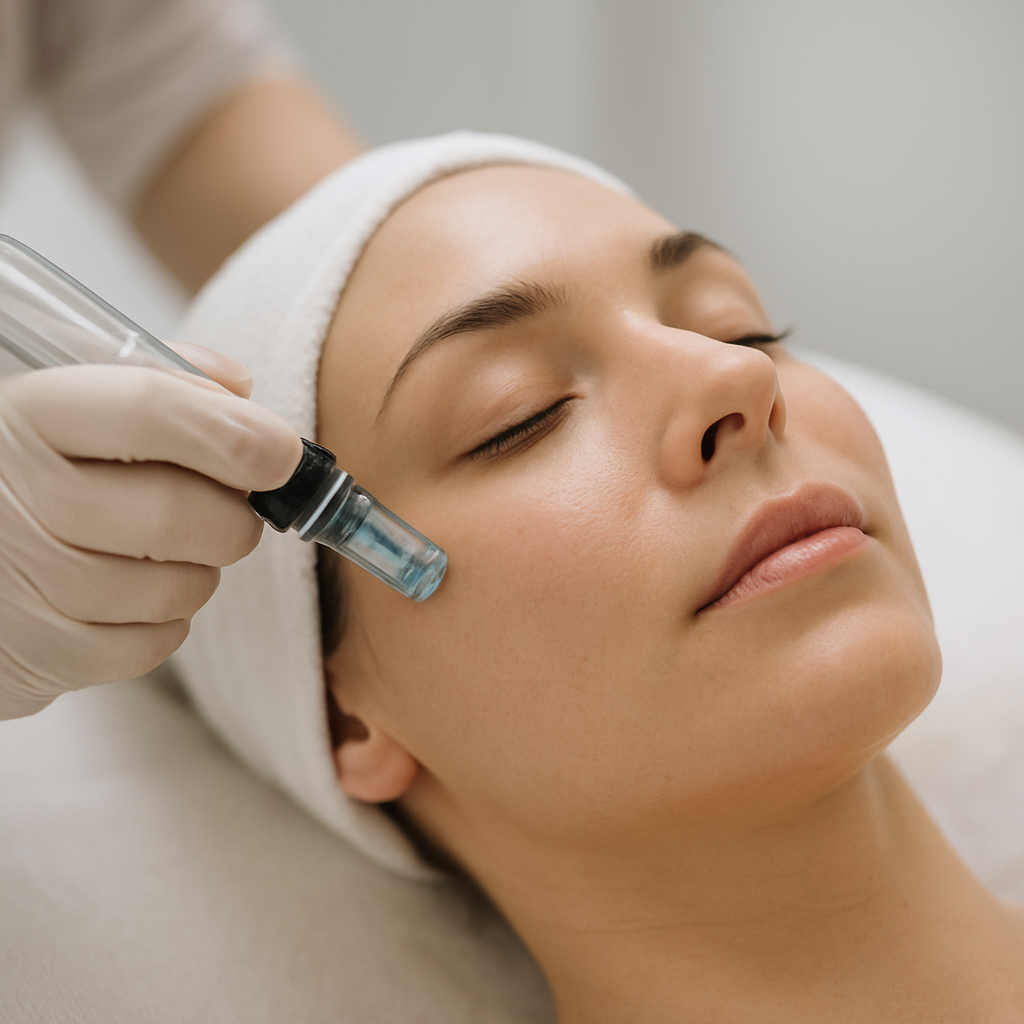
During treatment, a dermatologist or trained professional uses a device with needles ranging from 0.5 to 3 millimeters in depth. Shallower needles target surface issues like texture and tone, while deeper penetration addresses acne scars and wrinkles. The controlled nature of professional microneedling significantly reduces risks of scarring compared to aggressive at-home treatments, making it a safer option for achieving clearer, smoother skin.
Conditions Microneedling Treats

Microneedling effectively addresses multiple skin concerns by stimulating your body's natural healing response. The treatment works particularly well for acne scars because it breaks down scar tissue and promotes new collagen formation in those damaged areas.
“Microneedling triggers your skin's repair mechanisms to rebuild damaged tissue from within.”
Fine lines, wrinkles, and enlarged pores respond well because the micro-injuries prompt increased collagen production, which plumps and tightens skin. Hyperpigmentation, stretch marks, and uneven texture also improve as the treatment accelerates cell turnover and encourages fresh, healthy skin cell development.
These conditions benefit because microneedling doesn't just treat surface symptoms—it addresses underlying structural issues. For example, patients with ice pick acne scars often see significant improvement because the needles physically break apart rigid scar tissue while simultaneously stimulating new, healthier tissue growth.
How Microneedling Is Performed
Microneedling creates controlled micro-injuries in your skin using tiny needles that penetrate the surface. These precise wounds trigger your body's natural healing response without causing permanent damage or scarring when performed correctly by trained professionals.
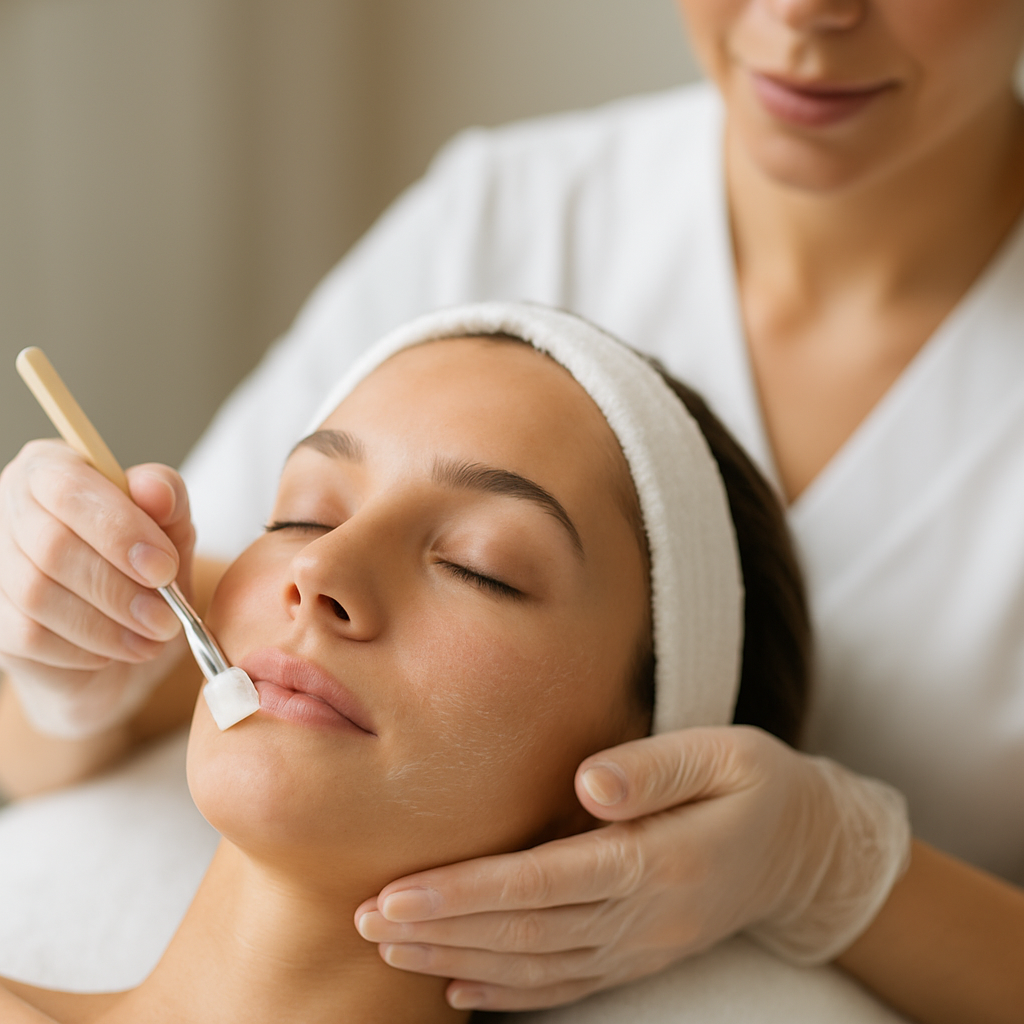
Your provider cleanses the treatment area and applies a topical numbing cream for comfort.
The device moves across your skin creating thousands of microscopic channels.
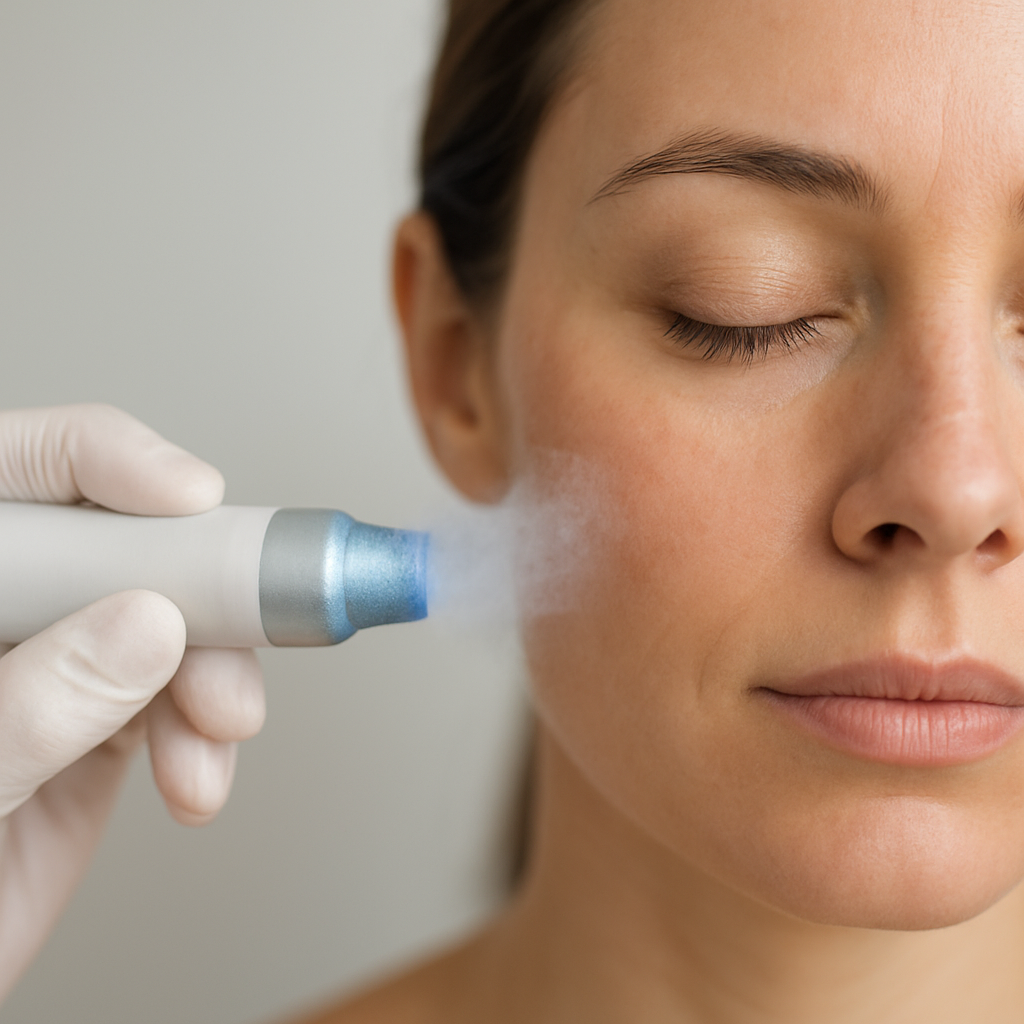
Specialized serums penetrate deeply through the micro-channels for enhanced absorption.
Your provider applies soothing products and provides aftercare instructions.
The combination of micro-injuries and targeted serums maximizes treatment effectiveness while minimizing discomfort and downtime.
Treatment Areas and Preparation
Microneedling works effectively on multiple body areas beyond just your face. Treatment commonly targets the face, neck, chest, back, arms, and legs wherever you have concerns about scarring, texture, or skin quality. The versatility makes it valuable for addressing various skin issues across different locations.
Discontinue retinol and prescription retinoids 3-5 days before treatment to prevent excessive irritation.
Discuss blood thinners with your provider as they may need temporary discontinuation.
Arrive with completely clean skin free of makeup, lotions, and skincare products.
Proper preparation minimizes complications and helps prevent the scarring concerns many patients worry about. Your provider will give specific instructions based on your skin type and treatment area.
Expected Results and Recovery

Microneedling delivers gradual but noticeable improvements. You'll see enhanced skin texture and reduced scarring within 4-6 weeks as your skin completes its natural healing cycle. Unlike Chemical Peels that provide immediate visible changes, microneedling works beneath the surface to stimulate lasting collagen production.
Optimal results appear after 3-6 sessions spaced 4-6 weeks apart. Your skin needs time between treatments to rebuild stronger than before. Initial redness fades within 24-72 hours, followed by mild flaking around day three. Avoiding sun exposure and harsh products during the first week prevents complications that could delay healing or cause unwanted pigmentation changes.
Who Should Avoid Microneedling
While microneedling is generally safe, certain conditions make it risky or inappropriate. People with active acne breakouts, skin infections, or a history of keloid scarring should avoid this treatment to prevent worsening their condition or creating permanent scarring.
Pregnancy, blood clotting disorders, and recent isotretinoin use within six months are additional contraindications. Those taking blood thinners or with autoimmune conditions also face increased risks.
A professional consultation is essential before any microneedling treatment. A qualified dermatologist can evaluate your skin condition and medical history to determine if this procedure is safe for you.
Always consult a dermatologist before microneedling to ensure the treatment is safe for your specific skin condition and medical history.
Frequently Asked Questions
What is microneedling and how does it work?
Microneedling is a minimally invasive cosmetic procedure that uses fine needles to create controlled micro-injuries in your skin. This technique stimulates your body's natural collagen and elastin production, which helps improve skin texture, reduce fine lines, and minimize scars. The process triggers your skin's healing response without causing permanent damage when performed correctly.
What skin conditions can microneedling treat?
Microneedling effectively treats acne scars, fine lines, wrinkles, enlarged pores, hyperpigmentation, stretch marks, and uneven skin texture. The treatment works by breaking down scar tissue and promoting new collagen formation in damaged areas. It addresses underlying structural issues rather than just surface symptoms, making it particularly effective for ice pick acne scars.
How is a microneedling treatment performed?
The treatment begins with skin preparation where your provider cleanses the area and applies numbing cream for comfort. The microneedling device then moves across your skin creating thousands of microscopic channels. Specialized serums are applied to penetrate deeply through these micro-channels for enhanced absorption, followed by post-treatment care with soothing products.
What areas of the body can be treated with microneedling?
Microneedling can be performed on multiple body areas including the face, neck, chest, back, arms, and legs. The treatment is versatile and can address various skin concerns like scarring, texture issues, and skin quality across different locations on the body.
What needle depths are used in professional microneedling?
Professional microneedling uses devices with needles ranging from 0.5 to 3 millimeters in depth. Shallower needles target surface issues like texture and tone, while deeper penetration addresses acne scars and wrinkles. The controlled nature of professional microneedling significantly reduces risks of scarring compared to aggressive at-home treatments.
Disclaimer: This content is for informational purposes only and does not constitute medical advice. Always consult a qualified healthcare provider before making health decisions.