Pre-Procedure Consultation and Assessment

Your Botox journey begins with a comprehensive consultation where your provider evaluates whether you're a good candidate for treatment. This initial meeting serves as your safety net and planning session rolled into one.
During the medical history review, your provider will ask about current medications, allergies, previous cosmetic treatments, and any neurological conditions. They need to know about blood thinners, muscle relaxants, or antibiotics you're taking, as these can affect your results or increase bruising risk.
"The consultation is where realistic expectations meet medical expertise to create your personalized treatment plan."
Next comes the facial analysis, where your provider examines your muscle movement patterns. They'll ask you to frown, raise your eyebrows, and squint to see how your facial muscles work. This assessment helps determine injection sites and dosing. For example, if you have a strong forehead muscle, you might need slightly more units than someone with weaker muscle activity.
Your provider will discuss your specific goals and explain what Botox can and cannot achieve. They'll address concerns about looking frozen or unnatural—common worries that proper technique easily avoids. The consent process covers potential side effects, aftercare instructions, and sets realistic timelines for seeing results, typically 3-7 days with full effects visible at two weeks.
Preparation Steps Before Injection

Once your consultation is complete, your provider begins immediate preparation steps that ensure optimal results and minimize any discomfort. These preparation steps happen right before your injection and are designed to create the safest, most comfortable experience possible.
"The preparation phase sets the foundation for successful treatment and your peace of mind."
Your practitioner starts by thoroughly cleansing your face with an antibacterial solution. This removes makeup, oils, and bacteria that could interfere with the injection process. The cleaning process is gentle but comprehensive, ensuring your skin is completely sterile.
Next, they mark specific injection sites using a washable pen or marker. These marks serve as a precise roadmap for placement, ensuring symmetrical results. Your provider may ask you to make facial expressions during this marking phase to identify the exact muscle movements.
Antibacterial solution removes all surface contaminants and prepares the injection area.
Precise dots indicate exactly where each injection will be placed for optimal results.
Ice or topical numbing cream may be applied to minimize any injection discomfort.
Finally, you'll be positioned comfortably, typically reclining in a treatment chair. Your provider may offer ice or numbing cream, though most patients find Botox injections quite tolerable without additional comfort measures.
The Injection Process Step by Step
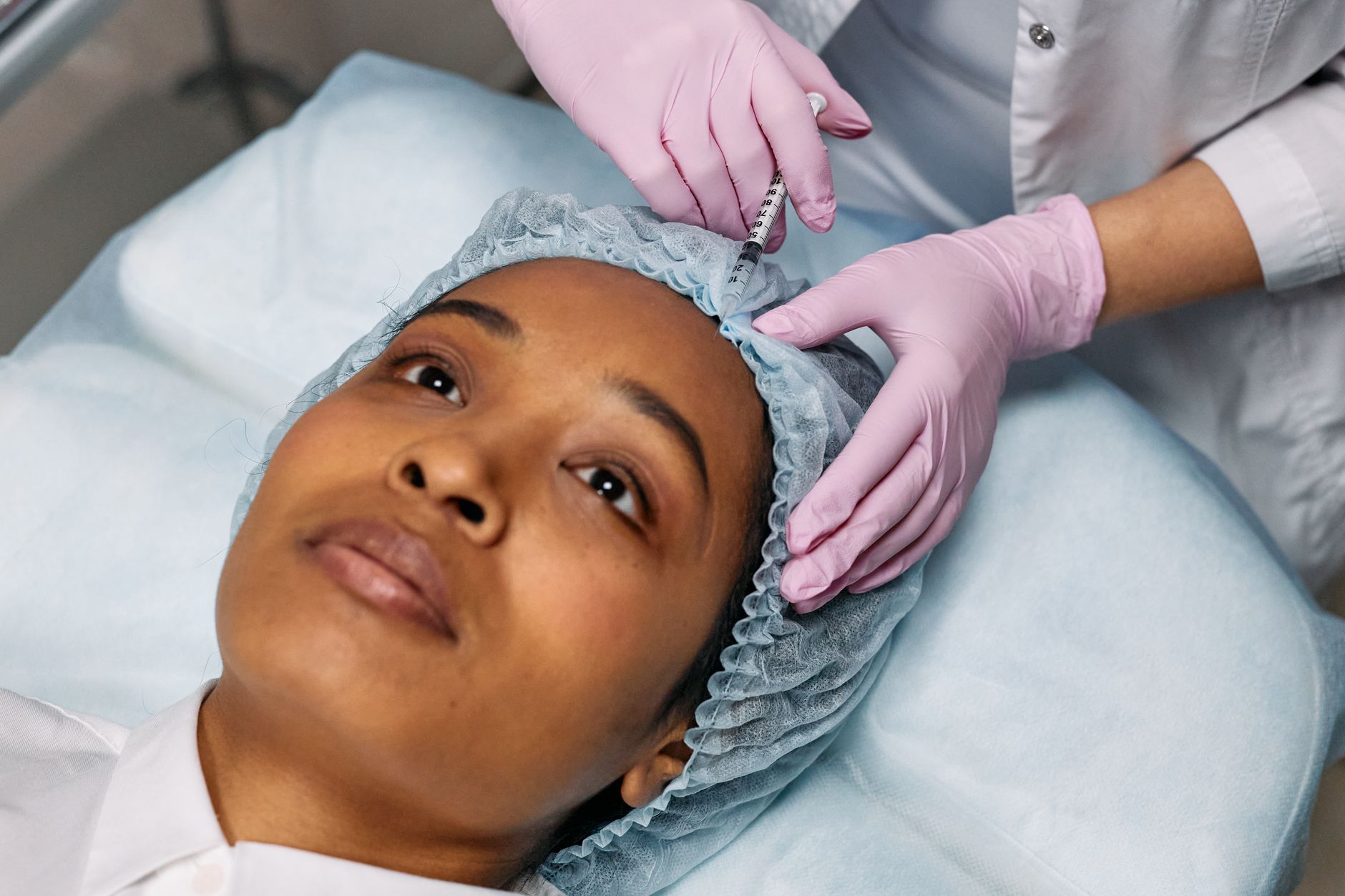
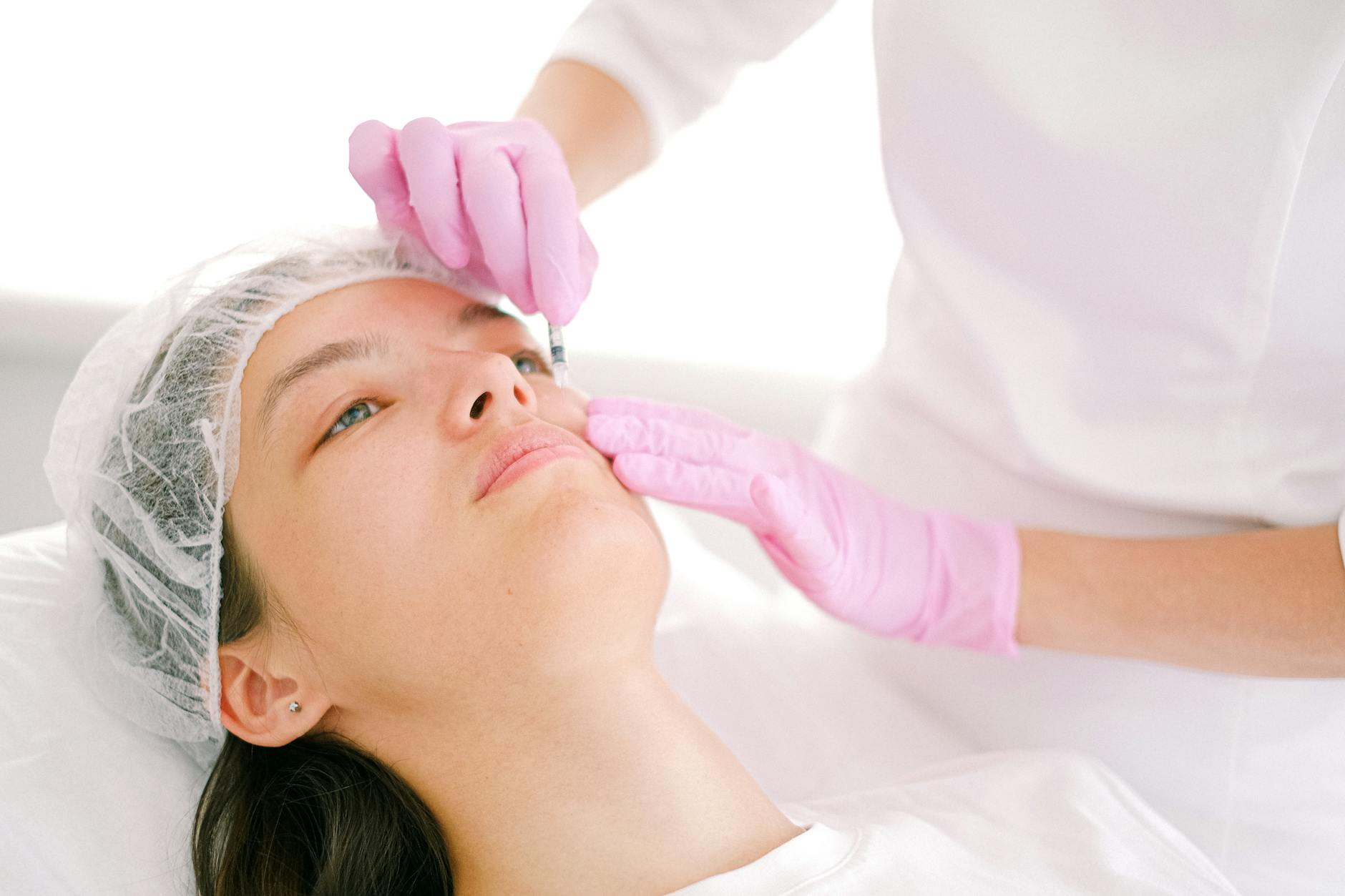
The actual injection process happens quickly and follows a precise technique. Your provider will use an ultra-fine needle, similar to those used for insulin injections, which minimizes discomfort and reduces any risk of permanent marks or scarring.
Your provider inserts the needle at a shallow angle just beneath the skin surface.
Small amounts of Botox are delivered precisely into targeted muscle groups.
The needle is withdrawn and your provider moves to the next treatment area.
Most patients describe the sensation as a quick pinch or mosquito bite. The discomfort lasts only seconds per injection point. For forehead lines, you'll typically receive 4-6 injections. Crow's feet require 3-4 injections per side, while frown lines between the eyebrows need 5-7 injection points.
The entire injection phase usually takes 10-15 minutes, depending on how many areas you're treating. Your provider works systematically across each treatment zone, ensuring even distribution and optimal results.
Immediate Post-Treatment Instructions
Right after your Botox injections, you'll notice small red bumps or tiny needle marks at each injection site. These marks are completely normal and typically disappear within 30 minutes to two hours. Some people experience slight swelling or minor bruising, which resolves within a day or two.
Avoid lying down, bending over, or heavy exercise to prevent Botox migration.
Don't rub or massage the treated areas for at least 24 hours.
Use ice wrapped in cloth for 10 minutes if you notice swelling.
You won't see immediate wrinkle-smoothing results. Botox begins working within 3-5 days, with full effects visible after two weeks. Your face will look exactly the same when you leave the office, so there's no reason to worry about social embarrassment or obvious signs of treatment.
Contact your provider if you experience severe headache, vision changes, difficulty swallowing, or significant asymmetry. These symptoms are extremely rare but require immediate attention.
What to Expect in the Days Following

The first 24-48 hours after Botox may bring mild swelling or redness at injection sites, which typically resolves quickly. Small bumps where needles entered your skin are completely normal and should disappear within a few hours. Some people experience slight bruising, especially around the eyes, but this fades within a week.
Results become visible gradually, starting around day 3-5 and reaching full effect by day 10-14. Unlike treatments such as Chemical Peels that show immediate skin changes, Botox works by slowly relaxing muscles over time. Your wrinkles won't disappear overnight, but you'll notice smoother skin developing each day.
Schedule your follow-up appointment for 2 weeks post-treatment to assess results and make any necessary adjustments. Contact your provider immediately if you experience severe headaches, vision changes, difficulty swallowing, or asymmetrical facial movement. These serious side effects are rare but require prompt medical attention.
Common Concerns and How They're Addressed
Most patients worry about pain during Botox injections, but the procedure causes only mild discomfort. Your provider will use ultra-fine needles that feel like tiny pinpricks. Many describe the sensation as less painful than eyebrow plucking. Ice or topical numbing cream can minimize any discomfort if you're particularly sensitive.
Bruising and swelling are normal temporary side effects that typically resolve within a few days. Small bruises may appear at injection sites, especially if you take blood thinners or have sensitive skin. Applying ice immediately after treatment and avoiding strenuous exercise for 24 hours helps minimize these effects.
Asymmetry concerns are valid but rare when you choose an experienced provider. Minor unevenness can occur if muscles respond differently, but this usually balances out as the Botox settles over the first week. Your injector will assess muscle strength and adjust doses accordingly to prevent noticeable asymmetry.
Touch-up procedures are sometimes needed to perfect results. About 10-15% of patients benefit from small adjustments two weeks after their initial treatment. These minor corrections are normal and help achieve optimal outcomes without any permanent effects.
Choose an experienced, board-certified provider and follow all aftercare instructions to minimize risks and achieve the best possible results.
Frequently Asked Questions
What happens during a Botox consultation?
During a Botox consultation, your provider conducts a medical history review asking about current medications, allergies, previous treatments, and neurological conditions. They perform a facial analysis by having you make expressions like frowning and raising eyebrows to examine your muscle movement patterns. Your provider will discuss your specific goals, explain what Botox can and cannot achieve, and go through the consent process covering potential side effects and aftercare instructions.
How long does it take to see Botox results?
Botox results typically begin to appear within 3-7 days after injection. The full effects become visible at around two weeks post-treatment. Your provider will set realistic timelines during the consultation process so you know what to expect.
What medications should I tell my Botox provider about?
You should inform your provider about blood thinners, muscle relaxants, and antibiotics you're taking as these can affect your results or increase bruising risk. Your provider needs a complete medical history including all current medications, allergies, previous cosmetic treatments, and any neurological conditions. This information helps ensure your safety and optimal treatment outcomes.
What preparation steps happen before Botox injections?
Before injections, your practitioner thoroughly cleanses your face with an antibacterial solution to remove makeup, oils, and bacteria. They mark specific injection sites using a washable pen to ensure precise placement and symmetrical results. Finally, you'll be positioned comfortably in a treatment chair, and ice or numbing cream may be offered for comfort, though most patients find the injections quite tolerable without additional measures.
Does Botox make you look frozen or unnatural?
Concerns about looking frozen or unnatural are common worries that proper injection technique easily avoids. During your consultation, your provider will address these concerns and explain how they achieve natural-looking results. The facial analysis and precise injection site marking help ensure you maintain natural facial expressions while reducing unwanted wrinkles.
Disclaimer: This content is for informational purposes only and does not constitute medical advice. Always consult a qualified healthcare provider before making health decisions.