Understanding How Acne Scars Form

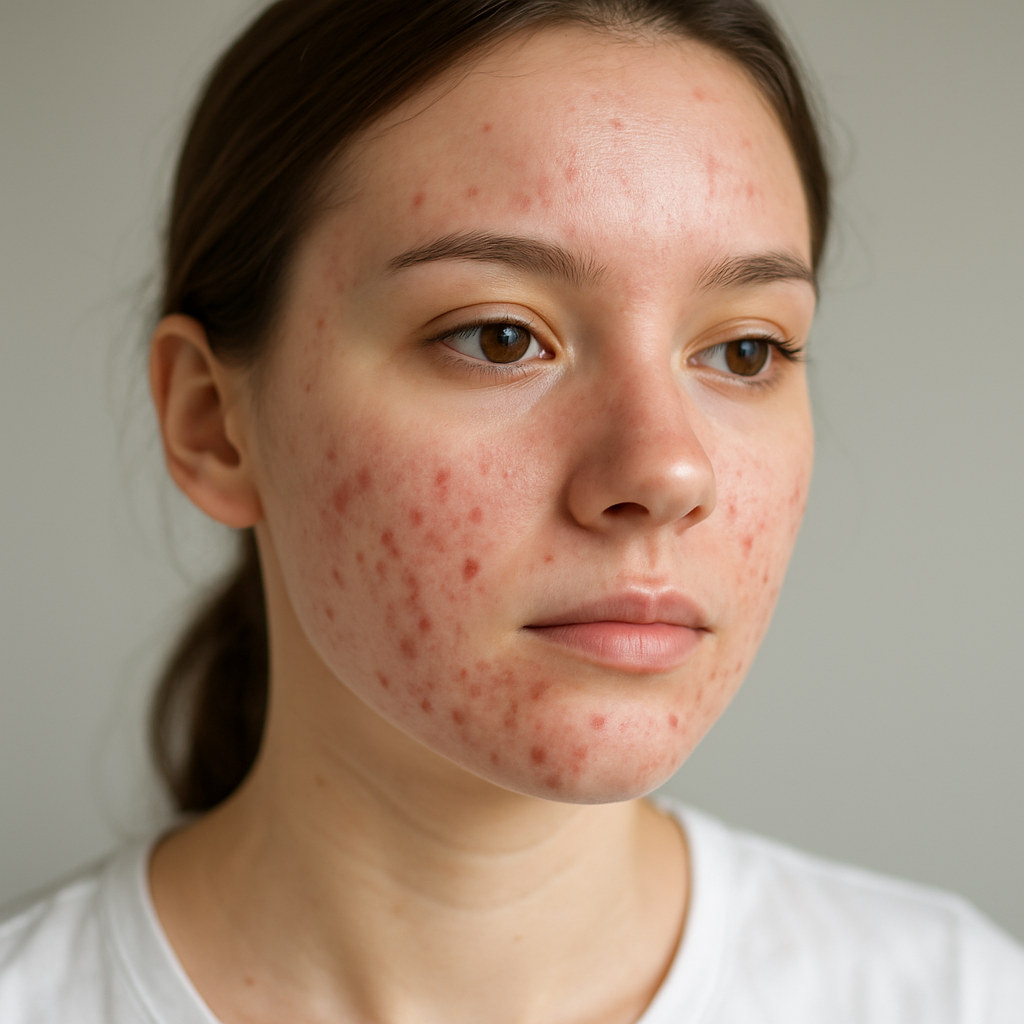
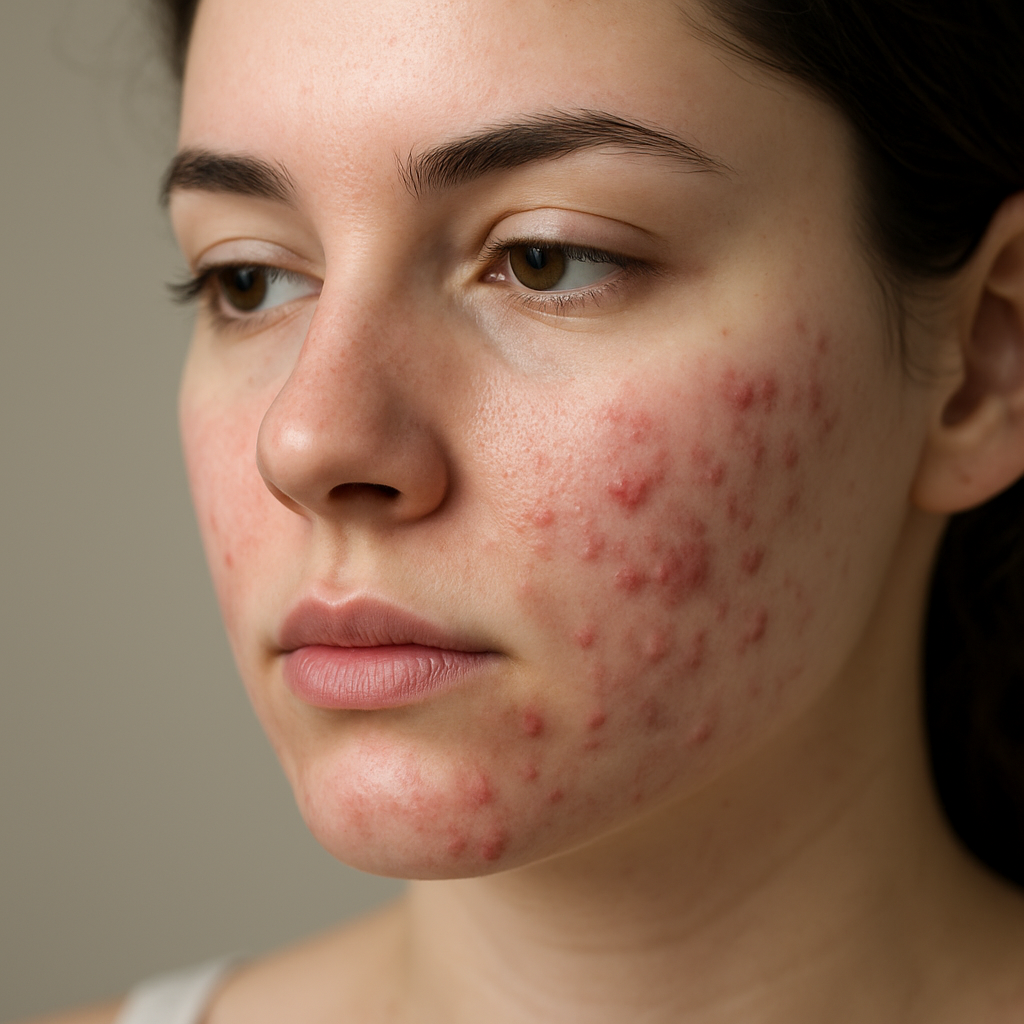
Acne scarring occurs when inflammation penetrates deep into the skin, damaging the underlying collagen and tissue structure. When your body attempts to heal these inflamed areas, it often produces too much or too little collagen, resulting in permanent marks that can cause lasting social embarrassment and emotional distress.
“The deeper the inflammation goes, the more likely permanent scarring becomes.”
Acne Vulgaris, which affects 85% of people aged 12-24 years, creates various types of blemishes from blackheads to painful cysts. However, Cystic Acne poses the highest scarring risk because these deep, painful lesions extend far below the skin's surface. This severe form affects 1-2% of adolescents and creates nodules that can permanently destroy skin architecture.
Your actions during breakouts significantly impact scar formation. Picking, squeezing, or aggressively treating inflamed areas forces bacteria deeper into tissues and increases inflammation. This mechanical trauma often transforms what might have been temporary redness into permanent textural changes.
Understanding this process explains why prevention strategies focus on reducing inflammation quickly and avoiding behaviors that worsen tissue damage. Early intervention protects your skin's structure before permanent changes occur.
Early Treatment Is Your Best Defense

The moment you spot persistent breakouts, act fast. Waiting for acne to resolve on its own often leads to deeper inflammation and permanent scarring that could have been prevented with prompt treatment.
“Every day you delay treatment is another day your skin risks permanent damage.”
Severe acne types like Cystic Acne require immediate professional intervention. These deep, painful cysts affect 1-2% of adolescents and young adults, creating inflamed nodules that destroy surrounding tissue. Without proper treatment, cystic lesions almost always leave permanent scars.
Hormonal Acne presents another challenge that demands specialized care. This condition affects 25% of women aged 40-49, causing deep lesions along the jawline and chin that worsen with menstrual cycles. Standard over-the-counter treatments rarely address the underlying hormonal triggers.
Don't let fear of permanent scarring paralyze you into inaction. Dermatologists have powerful tools including isotretinoin, hormonal therapy, and corticosteroid injections that can halt severe acne progression. The earlier you seek professional help, the more treatment options remain available.
Your skin's healing capacity diminishes with each inflammatory episode. What starts as manageable breakouts can quickly escalate to scarring territory when left untreated.
Essential Daily Prevention Habits
Building the right daily habits makes the difference between clear healing and permanent scarring from acne vulgaris. These simple routines protect your skin while it recovers and prevent new breakouts from forming scars.
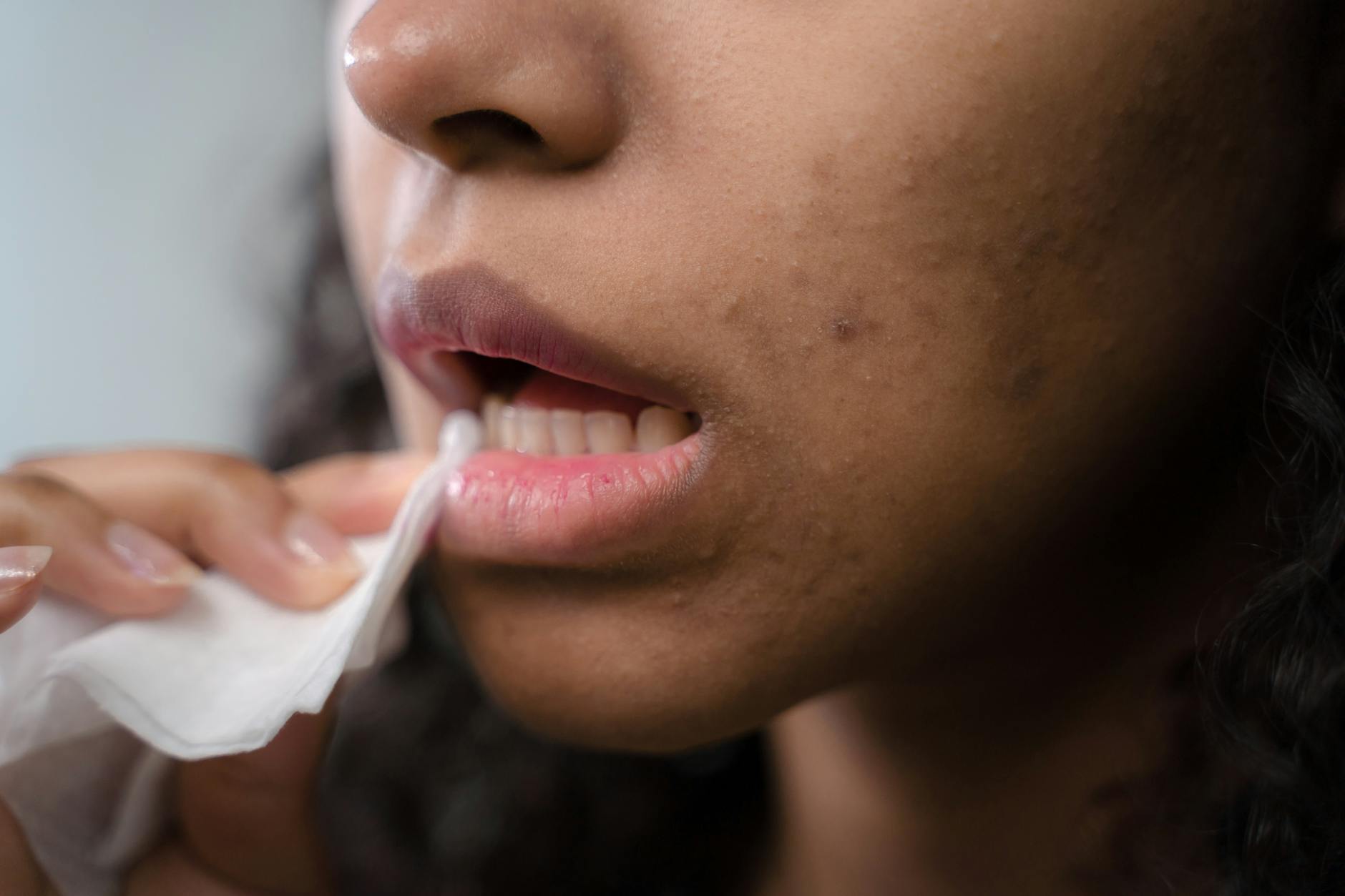
Use a mild, non-comedogenic cleanser with lukewarm water and pat dry with a clean towel.
Touching inflamed acne pushes bacteria deeper and guarantees scarring.
Sun exposure darkens acne marks and makes scarring more noticeable permanently.
Hydrated skin heals faster and responds better to acne treatments.
The biggest mistake people make is aggressive scrubbing or harsh products, thinking they need to "attack" their acne. This approach backfires by irritating inflamed skin and creating more opportunities for scarring. Your skin needs gentle, consistent care to heal properly.
Remember that acne vulgaris affects the face, chest, back, and shoulders, so extend these habits to all affected areas. Using the same gentle approach everywhere prevents the uneven healing that leads to noticeable scarring. Your daily routine should feel soothing, not harsh or painful.
Consistency matters more than intensity. Following these four steps every day creates the optimal environment for your skin to heal without forming permanent scars.
When Professional Treatment Is Necessary
Certain acne types require dermatologist intervention to prevent permanent scarring. Recognizing these warning signs early protects your skin from lasting damage that daily care routines cannot address alone.
Seek professional help immediately if you develop cystic acne, which appears as deep, painful nodules and inflamed cysts on your face, neck, chest, back, or shoulders. This severe form creates permanent scarring without proper medical intervention using treatments like isotretinoin or corticosteroid injections.
Hormonal acne also demands professional attention, especially when painful cystic lesions appear along your jawline and chin. This condition, affecting 25% of women aged 40-49, worsens before menstruation and responds best to hormonal therapy or spironolactone prescribed by dermatologists.
During your dermatologist visit, expect a thorough skin evaluation and discussion of your medical history. Your doctor will likely recommend prescription treatments like topical retinoids, oral antibiotics, or hormonal therapy based on your specific acne type. Many patients see improvement within 6-12 weeks, preventing the social embarrassment and permanent scarring that untreated severe acne creates. Early intervention remains your best defense against lasting skin damage.
Common Mistakes That Lead to Scarring

Many people unknowingly worsen their acne and increase their risk of permanent scarring through well-intentioned but harmful habits. Understanding these common mistakes helps you avoid actions that could leave lasting marks on your skin.
Over-washing and harsh scrubbing ranks as the most frequent error. While clean skin feels good, washing more than twice daily strips natural oils and triggers increased oil production. Aggressive scrubbing with rough cloths or abrasive products creates micro-tears that inflame existing acne and delay healing.
Using products wrong for your skin type creates unnecessary irritation. Oily skin doesn't always need oil-free everything, and dry skin can still develop acne. Many people pile on multiple acne treatments simultaneously, causing chemical burns that guarantee scarring.
Ignoring coexisting skin conditions compounds acne problems. Atopic Dermatitis, which affects 15-20% of children and causes intense itching and inflamed patches, requires different care than acne alone. Similarly, Plaque Psoriasis creates thick, scaly patches that need specialized treatment to prevent worsening both conditions.
Inconsistent treatment sabotages progress. Starting and stopping medications repeatedly prevents your skin from adapting and healing properly, often leading to worse breakouts and increased scarring risk.
Your Prevention Action Plan
Take control now to prevent permanent scarring and achieve the clear skin you want. Start with gentle cleansing twice daily and resist touching your face. Apply sunscreen every morning and use only non-comedogenic products.
Stop picking and switch to gentle skincare today.
Establish consistent routine and see initial improvements.
Monitor progress and consult dermatologist if needed.
Your skin will thank you for these changes within weeks, not months.
Prevention starts today with gentle care and patience—your future self will thank you for avoiding permanent scars.
Frequently Asked Questions
How do acne scars form?
Acne scarring occurs when inflammation penetrates deep into the skin, damaging the underlying collagen and tissue structure. When your body attempts to heal these inflamed areas, it often produces too much or too little collagen, resulting in permanent marks. The deeper the inflammation goes, the more likely permanent scarring becomes.
What type of acne is most likely to cause scars?
Cystic Acne poses the highest scarring risk because these deep, painful lesions extend far below the skin's surface. This severe form affects 1-2% of adolescents and creates nodules that can permanently destroy skin architecture. Without proper treatment, cystic lesions almost always leave permanent scars.
Should I pop or squeeze my acne?
Never pick, pop, or squeeze acne as touching inflamed acne pushes bacteria deeper and guarantees scarring. Picking, squeezing, or aggressively treating inflamed areas forces bacteria deeper into tissues and increases inflammation. This mechanical trauma often transforms what might have been temporary redness into permanent textural changes.
When should I see a dermatologist for acne?
The moment you spot persistent breakouts, act fast, as waiting for acne to resolve on its own often leads to deeper inflammation and permanent scarring. Severe acne types like Cystic Acne require immediate professional intervention. Dermatologists have powerful tools including isotretinoin, hormonal therapy, and corticosteroid injections that can halt severe acne progression.
How can I prevent acne scars at home?
Build daily habits including gentle cleansing morning and night with a mild, non-comedogenic cleanser and lukewarm water. Never pick, pop, or squeeze acne, and always apply broad-spectrum SPF 30+ daily. Sun exposure darkens acne marks and makes scarring more noticeable permanently.
Disclaimer: This content is for informational purposes only and does not constitute medical advice. Always consult a qualified healthcare provider before making health decisions.