Why Your Retinol Routine Matters

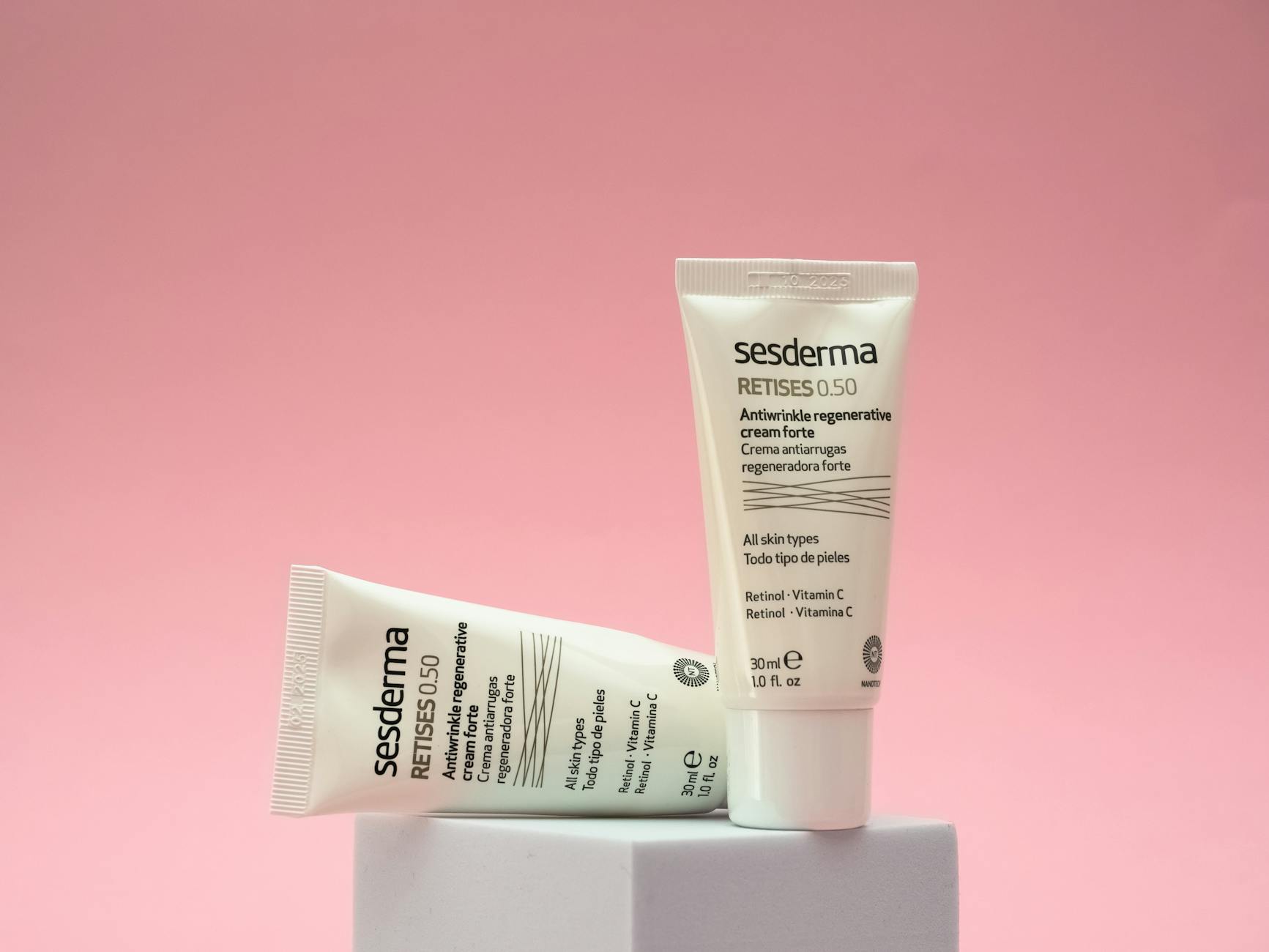
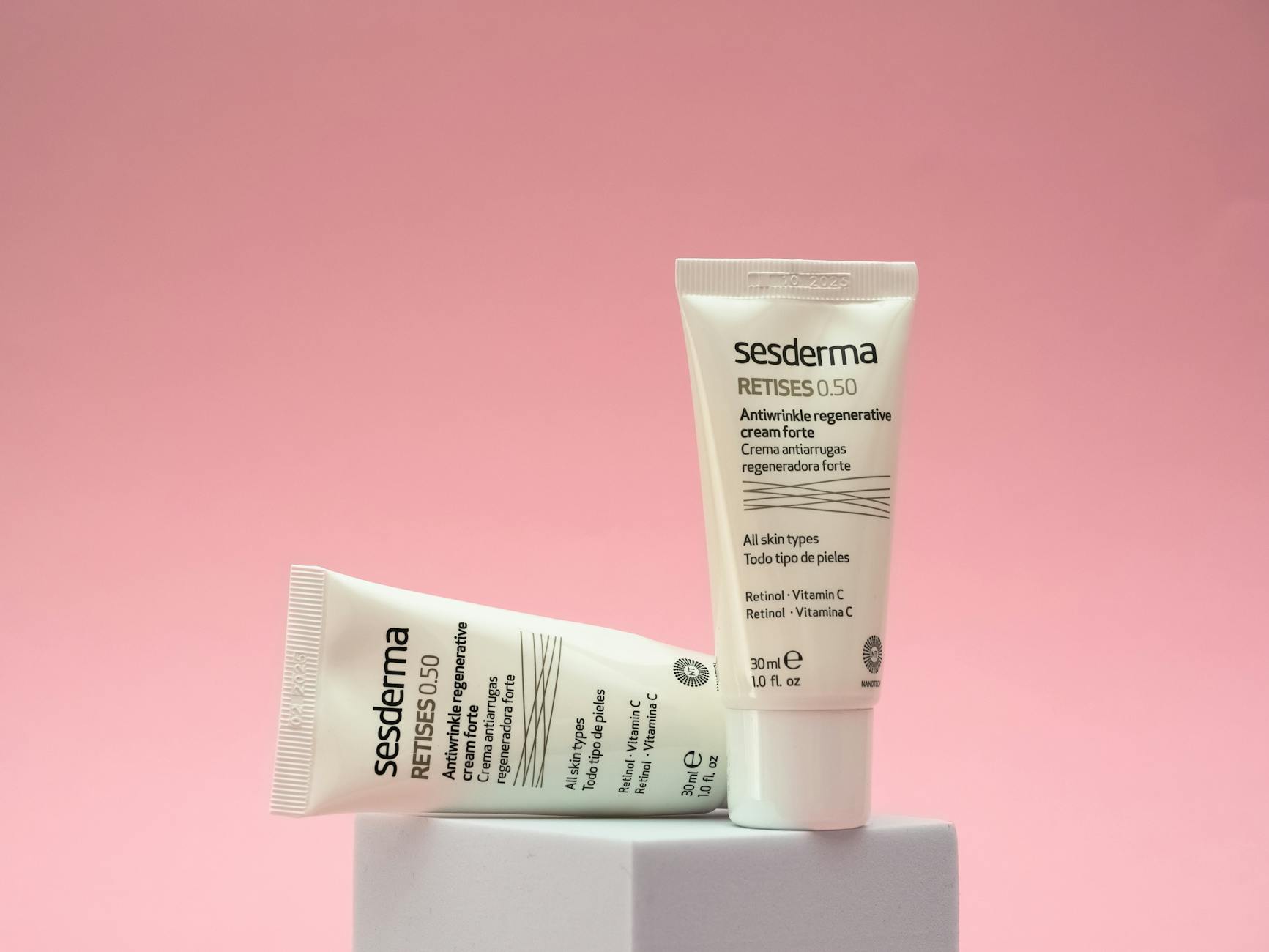
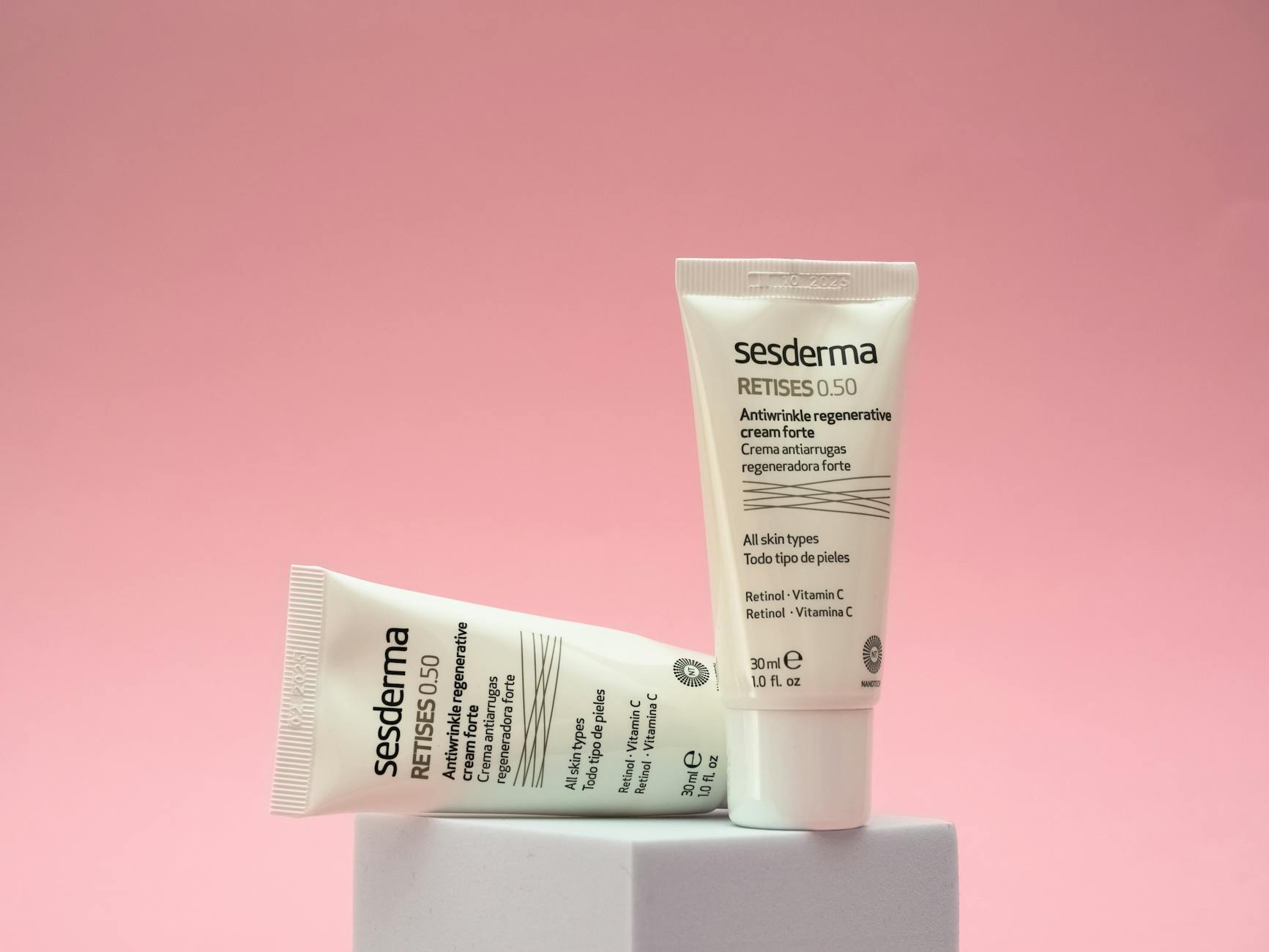
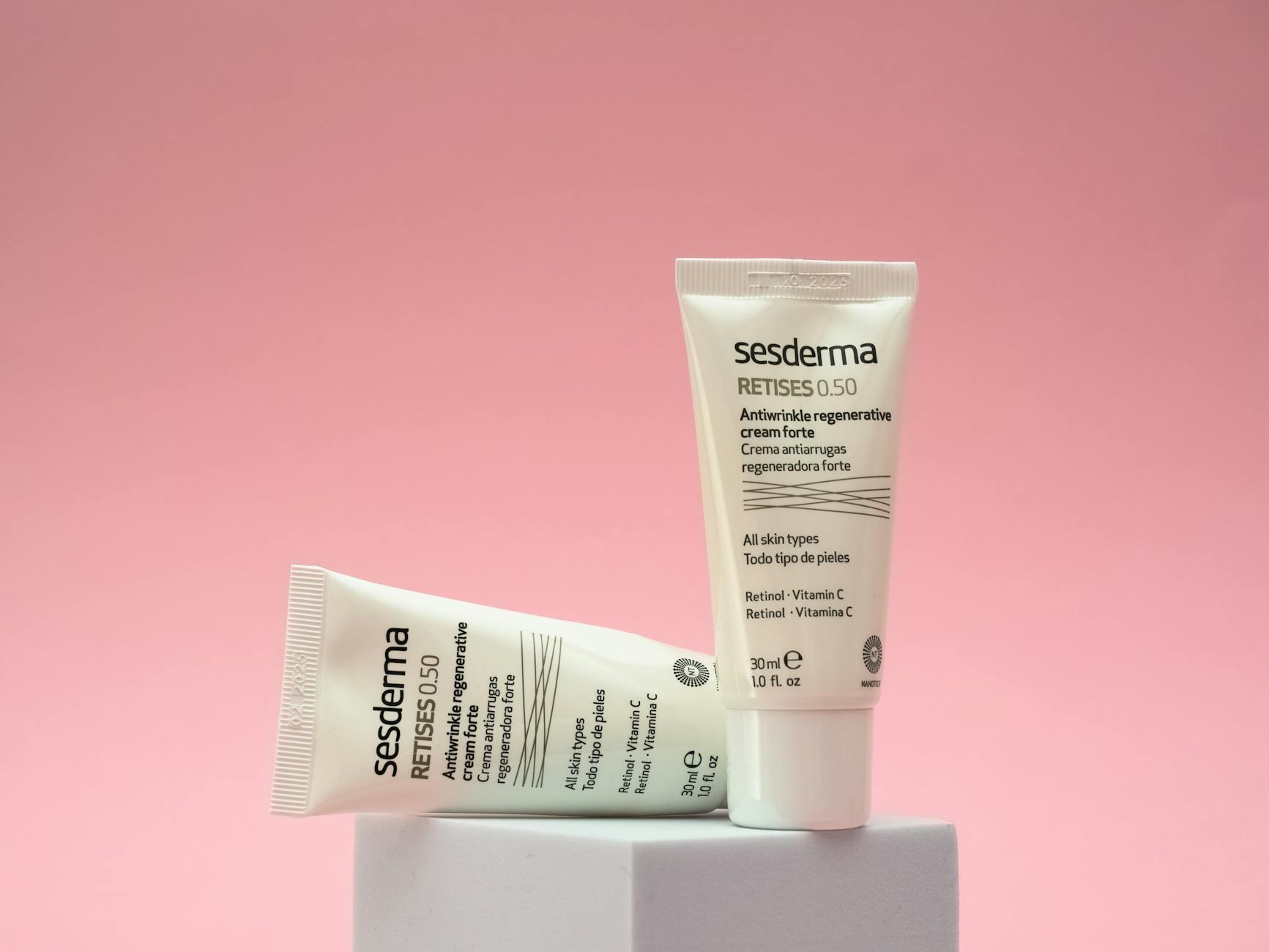
Starting a retinol routine without proper guidance often leads to red, peeling skin and the frustration of abandoning treatment before seeing results. Retinol, a vitamin A derivative that stimulates cell turnover and unclogs pores, requires a systematic approach to deliver its powerful anti-aging and acne-fighting benefits safely.
“The difference between retinol success and failure lies in how you introduce it to your skin.”
Many beginners make critical mistakes: applying too much product, using it nightly from day one, or combining it with harsh ingredients. These errors can cause severe irritation and potential scarring, derailing your journey to clear skin. A well-structured routine prevents these pitfalls while maximizing retinol's ability to smooth texture, fade dark spots, and prevent future breakouts. Understanding the proper approach from the start saves your skin from unnecessary damage and helps you achieve lasting results.
Step 1: Prepare Your Skin

Proper preparation prevents the irritation and peeling that scares many beginners away from retinol. Your skin needs time to build tolerance, so start with just 2-3 nights per week during your first month.
“The biggest mistake beginners make is applying retinol to damp skin or mixing it with the wrong ingredients.”
Always apply retinol to completely clean, dry skin. Wait 20-30 minutes after cleansing to ensure your face is fully dry, as moisture can increase penetration and cause unnecessary irritation.
Avoid using Vitamin C serums or Salicylic Acid treatments on retinol nights.
Apply retinol 30 minutes before bedtime to prevent rubbing off on pillows.
For example, if you normally use a Vitamin C serum in the morning and Salicylic Acid at night, switch the acid to non-retinol evenings to prevent over-exfoliation.
Step 2: Apply Retinol Correctly
Proper application prevents irritation while maximizing retinol's skin-transforming benefits. Start with clean, completely dry skin—any residual moisture can increase penetration and cause unwanted sensitivity that might lead to temporary redness or peeling.
Apply a small pea-sized amount to your entire face—this prevents over-application and reduces irritation risk.
Allow retinol to fully absorb before applying moisturizer to prevent dilution and maximize effectiveness.
Retinol breaks down in sunlight and increases photosensitivity, making evening application essential for safety.
Avoid the delicate eye area initially, as this thin skin can react more intensely. Remember, consistent gentle application beats aggressive use that causes setbacks.
Step 3: Follow Up With Support Ingredients
After applying retinol, your skin needs extra support to maintain hydration and prevent irritation that could lead to scarring. Think of retinol as renovation work—your skin barrier needs reinforcement during the rebuilding process.
Layer a hydrating serum containing Hyaluronic Acid, which holds up to 1000 times its weight in water. This powerful humectant plumps skin and reduces fine lines while your retinol works overnight. Follow with Niacinamide, a form of vitamin B3 that strengthens your skin barrier and regulates oil production—perfect for preventing future breakouts.
Use 2-3 drops of hyaluronic acid serum on damp skin for maximum absorption.
Always apply SPF 30+ sunscreen since retinol increases photosensitivity and sun damage risks.
Never skip moisturizer—even oily skin needs hydration to heal properly and avoid the peeling that can worsen acne scarring concerns.
Common Routine Mistakes to Avoid

Starting retinol can feel overwhelming, but avoiding these three mistakes prevents irritation and scarring that many beginners fear.
The biggest error is using retinol too frequently. Start with once weekly applications, not nightly. Your skin needs time to build tolerance to this powerful vitamin A derivative. Jumping to daily use causes redness, peeling, and potential damage.
Never combine retinol with harsh actives like benzoyl peroxide or glycolic acid on the same night. This combination strips your skin barrier, leading to severe irritation. Use these ingredients on alternating nights instead.
Skipping moisturizer after retinol application is the third major mistake. Retinol increases cell turnover, making skin more vulnerable. Apply a gentle, fragrance-free moisturizer immediately after your retinol absorbs to maintain hydration and prevent flaking.
Sample Weekly Retinol Schedule
Start with three nights weekly to minimize irritation while building tolerance. Apply retinol Monday, Wednesday, and Friday evenings, then gradually increase frequency over 4-6 weeks.
Use retinol three nights weekly with 48-hour breaks between applications.
Increase to every other night if no significant irritation occurs.
Progress to nightly use only when skin shows complete tolerance.
On rest nights, focus on hydrating serums and gentle moisturizers to support skin repair without causing overexfoliation that leads to lasting damage.
Slow, consistent progression prevents irritation and builds the healthy skin barrier needed for long-term retinol success.
Frequently Asked Questions
How often should I use retinol when starting out?
When beginning a retinol routine, start with just 2-3 nights per week during your first month. This gradual approach allows your skin to build tolerance and prevents the irritation and peeling that often causes beginners to abandon treatment. Starting slowly helps you achieve lasting results without unnecessary damage to your skin.
How much retinol should I apply to my face?
Use only a pea-sized amount of retinol for your entire face. This small amount prevents over-application and reduces the risk of irritation while still providing effective results. Remember that more product doesn't mean better results—consistent gentle application is more effective than aggressive use.
Can I use retinol with vitamin C or salicylic acid?
Avoid using Vitamin C serums or Salicylic Acid treatments on the same nights as retinol to prevent over-exfoliation and irritation. If you normally use these ingredients, switch acid treatments to non-retinol evenings. Combining retinol with harsh ingredients is one of the critical mistakes that can cause severe irritation.
Should I apply retinol to wet or dry skin?
Always apply retinol to completely clean, dry skin. Wait 20-30 minutes after cleansing to ensure your face is fully dry, as moisture can increase penetration and cause unnecessary irritation. Applying retinol to damp skin is one of the biggest mistakes beginners make and can lead to unwanted sensitivity.
When should I apply retinol in my skincare routine?
Apply retinol only at night, as it breaks down in sunlight and increases photosensitivity. Use it 30 minutes before bedtime to prevent rubbing off on pillows, and wait 20 minutes after application before applying moisturizer. Evening application is essential for both safety and effectiveness.
Disclaimer: This content is for informational purposes only and does not constitute medical advice. Always consult a qualified healthcare provider before making health decisions.