Understanding Retinol Strength Percentages

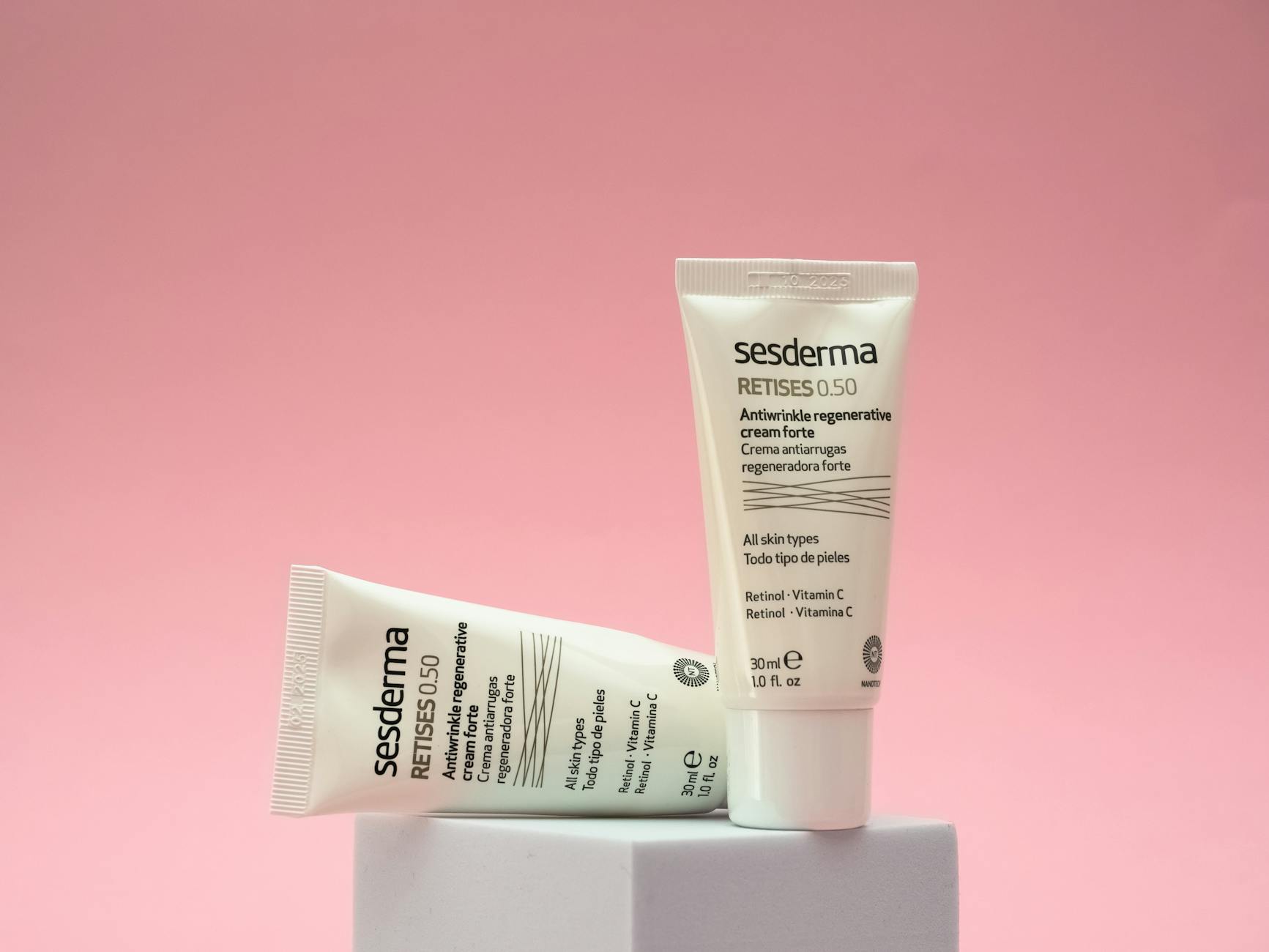
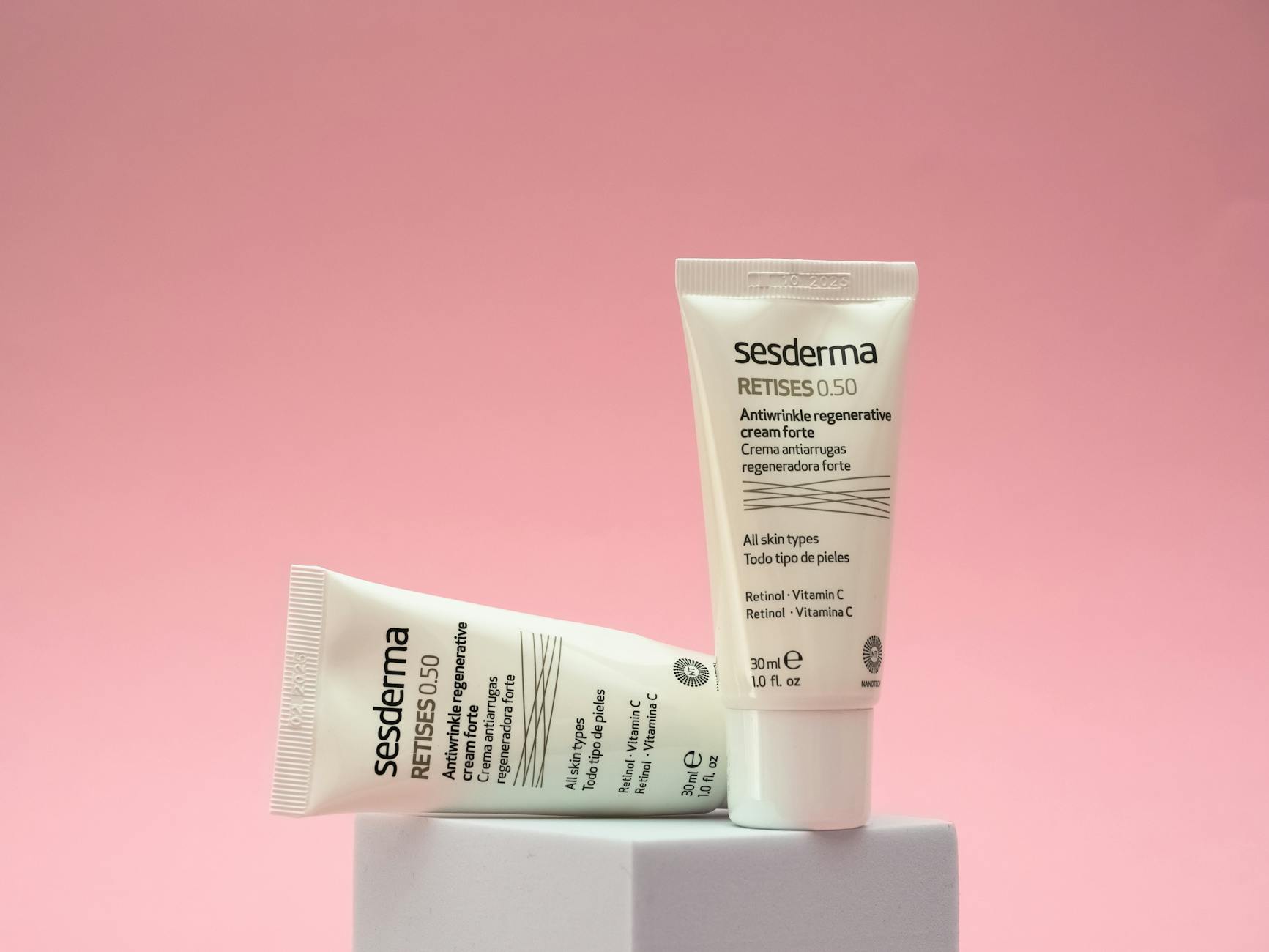
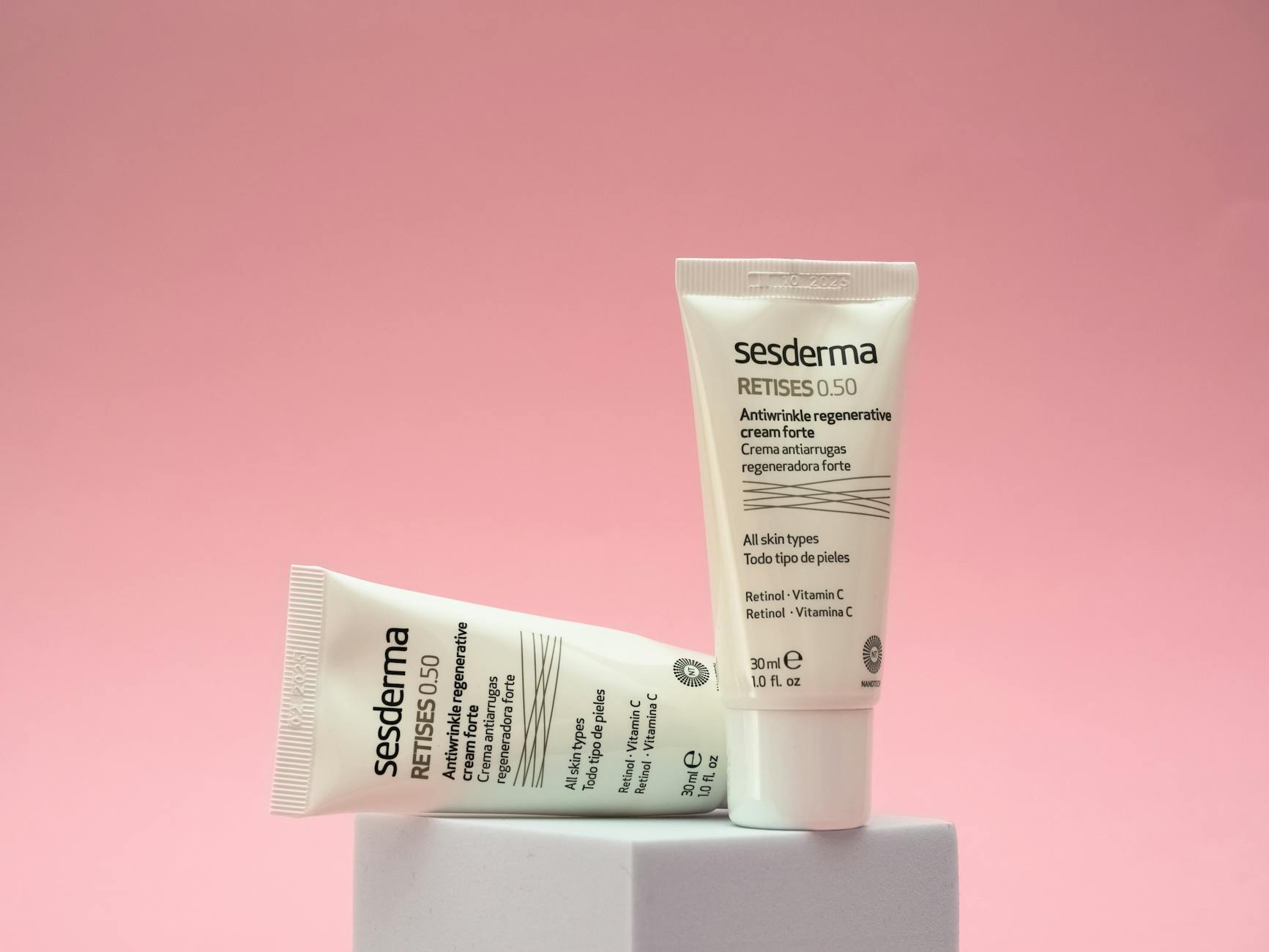
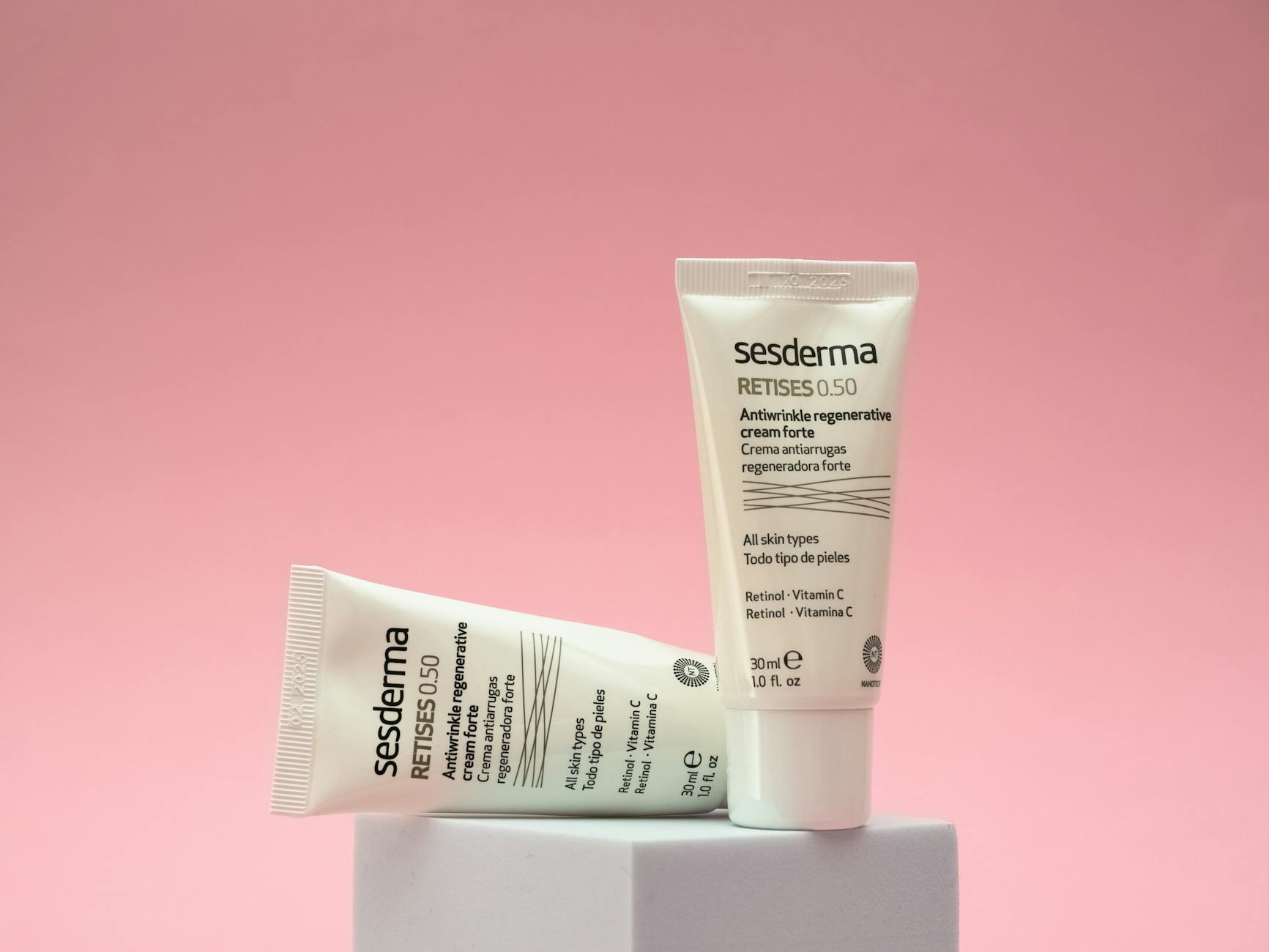
Retinol percentages tell you exactly how concentrated the active ingredient is in your skincare product. A 0.25% retinol cream contains 2.5 milligrams of retinol per gram, while a 1% formula packs four times that amount. These numbers matter because they directly determine how quickly you'll see results and how likely you are to experience irritation.
“Starting with a lower percentage prevents the redness and peeling that can make skin problems look worse before they get better.”
Higher concentrations work faster but come with increased risk of side effects like redness, dryness, and flaking. For example, jumping straight to 1% retinol often triggers severe irritation that can last weeks, potentially making acne scars more noticeable temporarily. Lower strengths like 0.25% or 0.5% allow your skin to build tolerance gradually.
Starting low protects you from the dreaded "retinol uglies" – the initial purging phase that can worsen breakouts and cause peeling. This gradual approach helps you achieve clear skin without the social embarrassment of obvious irritation. Your skin adapts over 4-6 weeks, allowing you to increase strength safely while maintaining the cell turnover benefits that prevent future breakouts.
Beginner Retinol Strengths (0.1% - 0.3%)

Starting with the right retinol strength prevents the irritation and redness that worry many skincare beginners. Dermatologists recommend beginning with 0.1% retinol, the gentlest concentration that still delivers noticeable results without causing permanent damage to your skin barrier.
“Starting low with retinol isn't about being cautious—it's about building tolerance for maximum long-term results.”
At 0.1% to 0.3% strength, retinol (a vitamin A derivative that stimulates cell turnover) works gradually to improve skin texture and reduce breakouts. You'll typically notice smoother skin within 4-6 weeks, though dramatic changes take 3-4 months of consistent use.
The gradual introduction method prevents the peeling and irritation that can lead to social embarrassment. Start by applying retinol once weekly for two weeks, then increase to twice weekly. Always pair it with hyaluronic acid (a powerful humectant that holds up to 1000 times its weight in water) to maintain skin moisture and minimize dryness.
Products like CeraVe Resurfacing Retinol Serum (0.1%) or Neutrogena Rapid Wrinkle Repair (0.12%) offer reliable starting points. Apply these at night only, followed by a gentle moisturizer, and never skip sunscreen during the day since retinol increases sun sensitivity.
Intermediate Retinol Strengths (0.5% - 0.75%)
You're ready to progress to intermediate retinol strengths when your skin tolerates beginner concentrations without persistent redness, peeling, or irritation for at least 2-3 months. Look for signs like improved skin texture, reduced breakouts, and the ability to use retinol 3-4 nights per week comfortably.
Intermediate concentrations of retinol (0.5% to 0.75%) deliver enhanced cell turnover benefits while remaining manageable for most skin types. These strengths accelerate the removal of dead skin cells that clog pores, helping prevent the scarring that many worry about from picking at stubborn blemishes.
Monitor your skin's response carefully during this transition. Start with once weekly application and gradually increase frequency. Pairing intermediate retinol with niacinamide can help minimize irritation while maximizing pore-clearing benefits. If you experience excessive dryness or sensitivity, step back to your previous strength temporarily.
Example progression: Use 0.5% retinol on Monday nights only for two weeks, then add Wednesday nights if tolerated well.
Advanced Retinol Strengths (1% - 2%)
Advanced retinol strengths are reserved for experienced users who have successfully built tolerance over months or years. Your skin should handle 0.75% without irritation before considering these concentrations.
High-strength retinol delivers maximum anti-aging benefits, dramatically improving deep wrinkles, sun damage, and stubborn acne. However, these concentrations carry significant risks including severe irritation, prolonged redness, and potential scarring if misused. The margin for error becomes extremely narrow at these levels.
Professional supervision becomes essential at these strengths. Dermatologists can monitor your progress and adjust usage to prevent permanent damage. Many practitioners recommend prescription alternatives like tretinoin instead of over-the-counter 1-2% retinol products.
Start with twice-weekly application and increase gradually over several months. For example, Drunk Elephant A-Passioni Retinol Cream contains 1% retinol but includes soothing peptides to minimize irritation risk.
How to Choose Your Starting Strength

Selecting your first Retinol strength requires careful consideration of your skin's unique characteristics and tolerance level. The goal is finding an effective starting point that delivers results without causing irritation or permanent scarring from aggressive treatment.
Your skin type serves as the primary determining factor. Sensitive skin responds best to 0.25% Retinol, while normal skin can typically handle 0.5%. Oily, acne-prone skin often tolerates higher concentrations but should still start conservatively to prevent excessive dryness that can worsen breakouts.
Age and specific concerns also guide your choice. Those in their twenties addressing occasional breakouts should begin with 0.25-0.5%, while individuals over thirty targeting fine lines can start with 0.5-1%. If you currently use Salicylic Acid or Vitamin C, introduce Retinol on alternate nights to avoid over-exfoliation.
Start with 0.25% if you've never used active ingredients before.
Choose lower strengths if using other exfoliating acids or treatments.
Increase strength only after 8-12 weeks of comfortable use without irritation.
Remember that consistent use of a lower strength delivers better results than sporadic use of higher concentrations that cause irritation and setbacks.
Common Mistakes and How to Avoid Them
Starting with the wrong Retinol strength is the biggest mistake beginners make. Many people jump straight to 1% concentrations, thinking stronger means faster results. This approach often leads to severe irritation, redness, and peeling that can last weeks. Start with 0.25% or lower to build tolerance gradually.
Skipping moisturizer creates unnecessary dryness and irritation. Retinol naturally increases skin cell turnover, which can leave your skin feeling tight and flaky. Apply a gentle moisturizer containing Hyaluronic Acid after your Retinol to maintain hydration. Hyaluronic Acid holds up to 1000 times its weight in water, providing the deep moisture your skin needs during this adjustment period.
Mixing Retinol with incompatible ingredients causes chemical reactions that irritate skin. Avoid combining it with vitamin C, benzoyl peroxide, or alpha hydroxy acids in the same routine. Use vitamin C in the morning and Retinol at night instead.
Remember, skin irritation from these mistakes won't cause permanent damage, but it can delay your progress toward clear skin. Patience with proper application prevents setbacks and gets you to your goals faster.
Start with 0.25% Retinol, always moisturize afterward, and keep incompatible ingredients in separate routines to avoid irritation.
Frequently Asked Questions
What percentage of retinol should I start with as a beginner?
Dermatologists recommend starting with 0.1% retinol, which is the gentlest concentration that still delivers noticeable results without causing permanent damage to your skin barrier. At 0.1% to 0.3% strength, retinol works gradually to improve skin texture and reduce breakouts while preventing the irritation and redness that worry many skincare beginners. You'll typically notice smoother skin within 4-6 weeks, though dramatic changes take 3-4 months of consistent use.
How do retinol percentages affect results and side effects?
Retinol percentages directly determine how quickly you'll see results and how likely you are to experience irritation. Higher concentrations work faster but come with increased risk of side effects like redness, dryness, and flaking. For example, jumping straight to 1% retinol often triggers severe irritation that can last weeks, while lower strengths like 0.25% or 0.5% allow your skin to build tolerance gradually.
When should I increase from beginner to intermediate retinol strength?
You're ready to progress to intermediate retinol strengths (0.5% to 0.75%) when your skin tolerates beginner concentrations without persistent redness, peeling, or irritation for at least 2-3 months. Look for signs like improved skin texture, reduced breakouts, and the ability to use retinol 3-4 nights per week comfortably. Intermediate concentrations deliver enhanced cell turnover benefits while remaining manageable for most skin types.
What are the retinol uglies and how can I avoid them?
The "retinol uglies" refer to the initial purging phase that can worsen breakouts and cause peeling, making acne scars more noticeable temporarily. Starting with lower percentages and building tolerance gradually helps you avoid this dreaded phase. The gradual introduction method prevents the peeling and irritation that can lead to social embarrassment, allowing you to achieve clear skin without obvious irritation.
Disclaimer: This content is for informational purposes only and does not constitute medical advice. Always consult a qualified healthcare provider before making health decisions.