What Is Retinol?

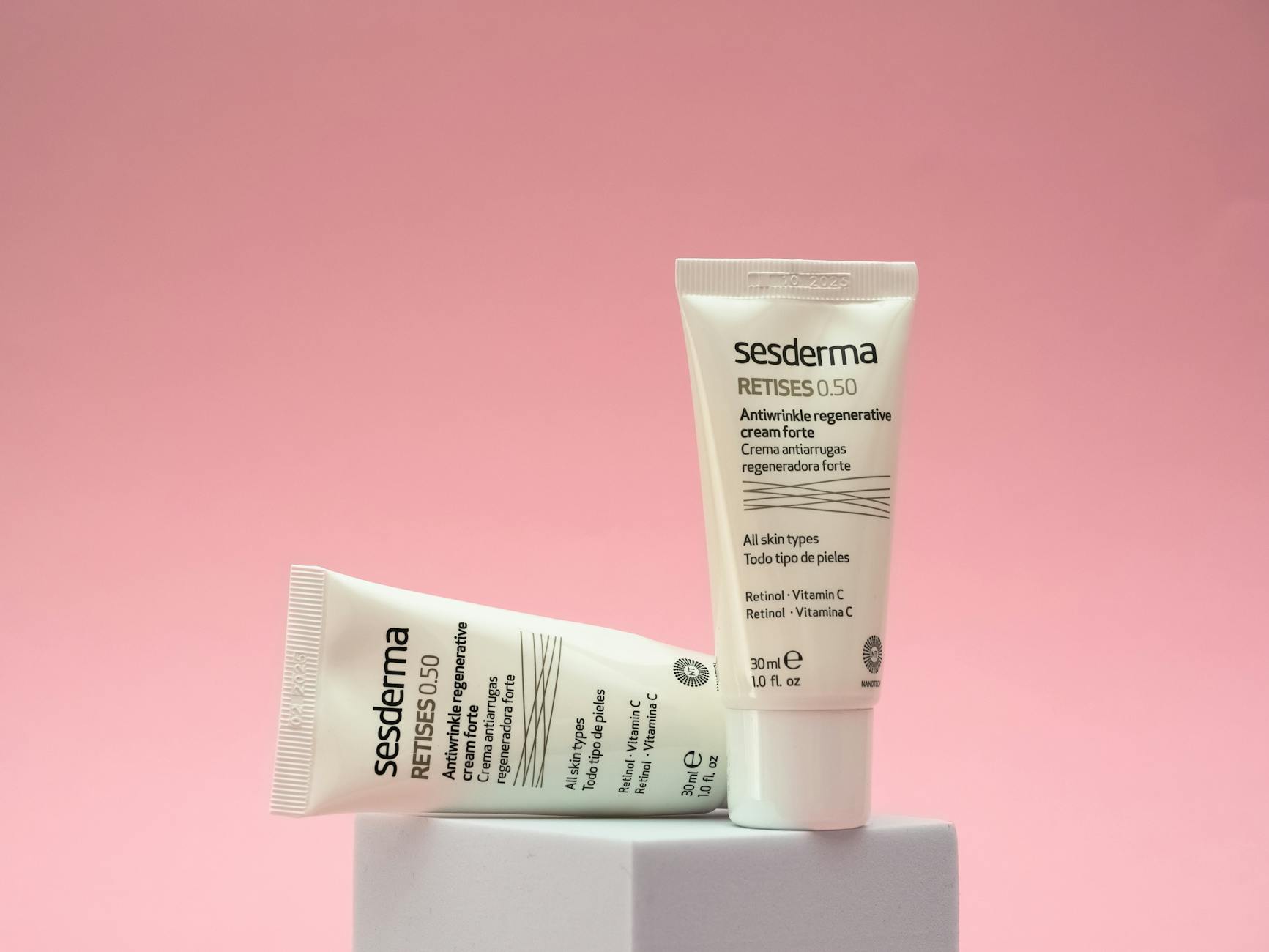
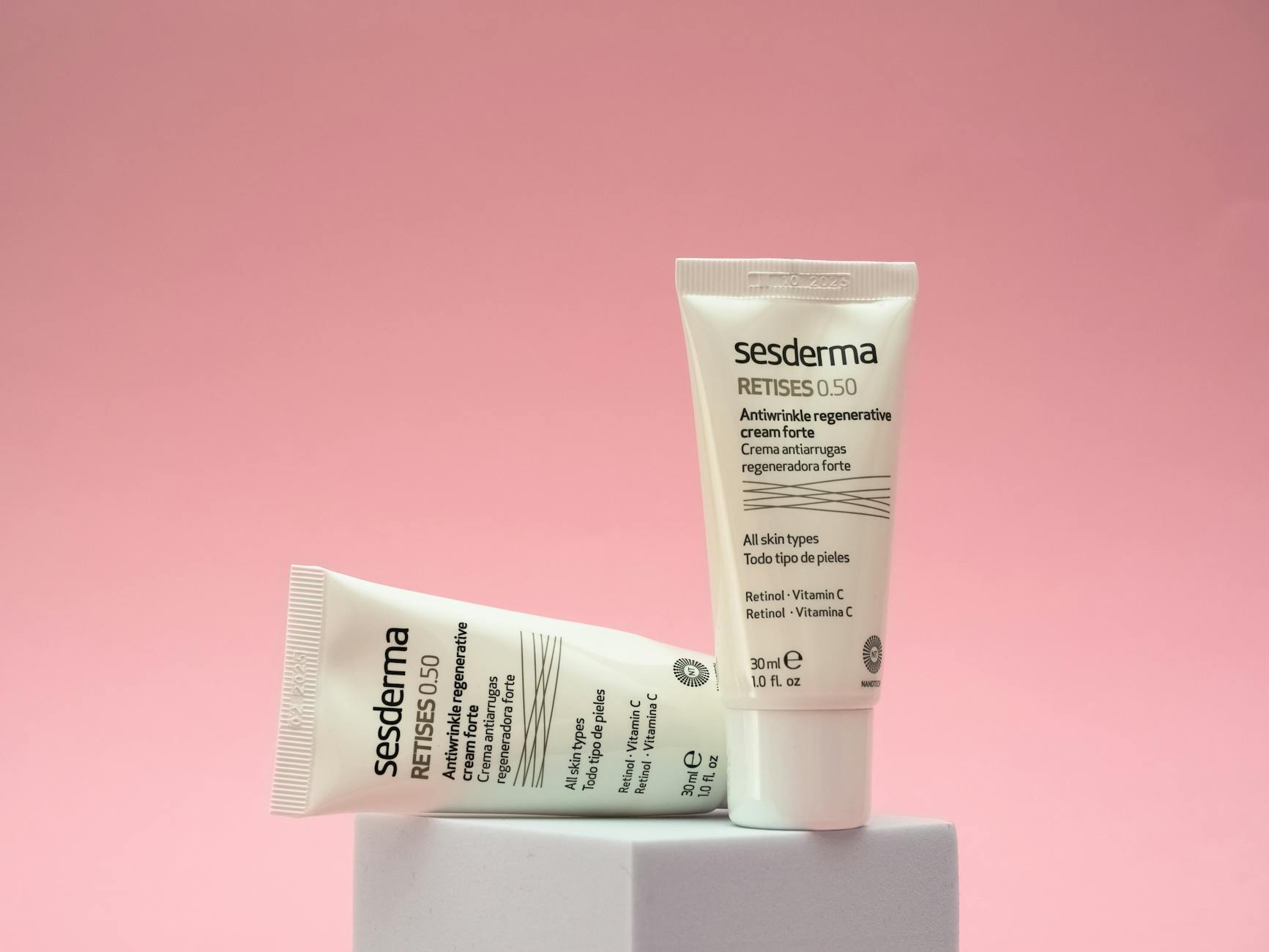
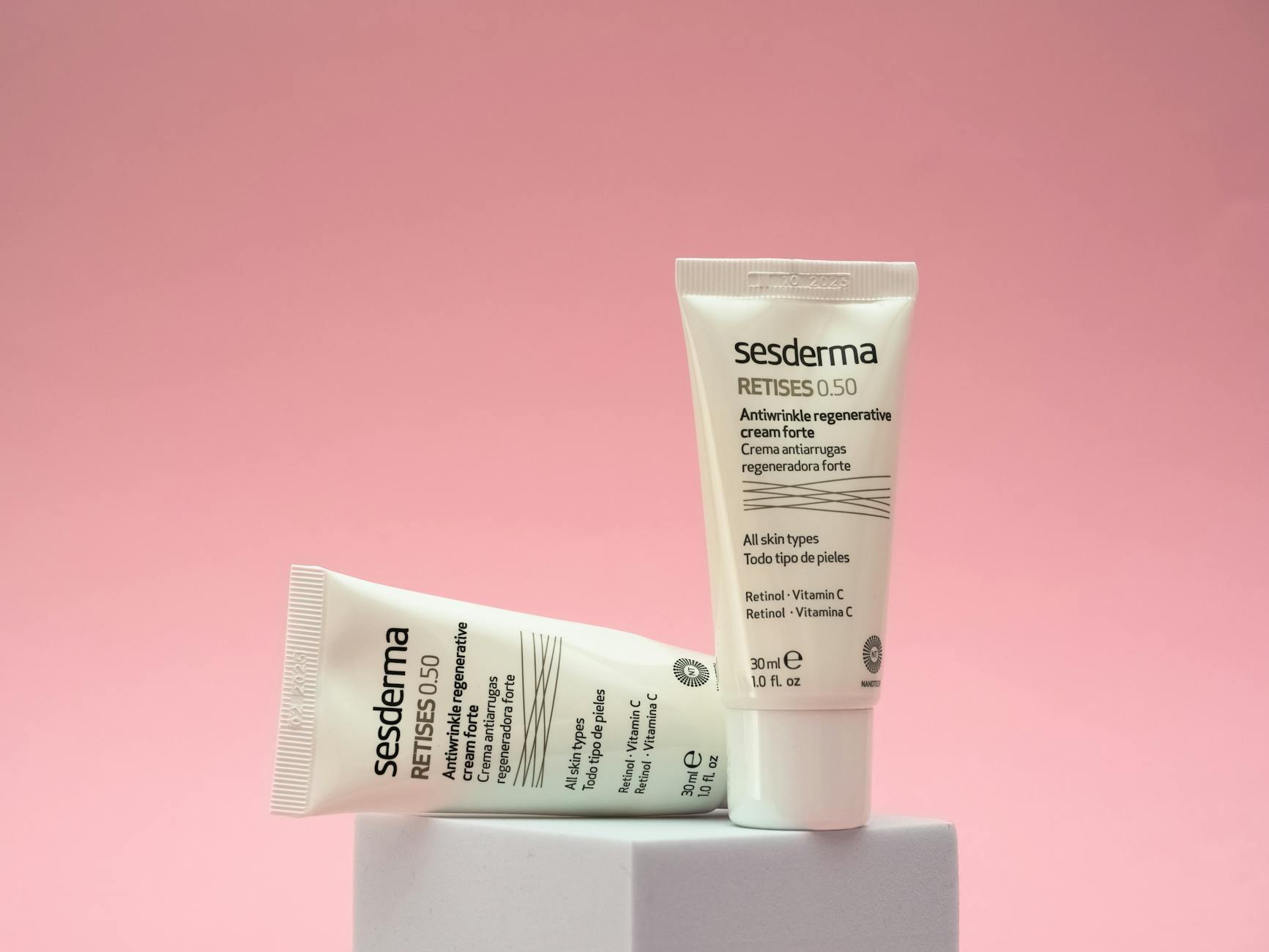
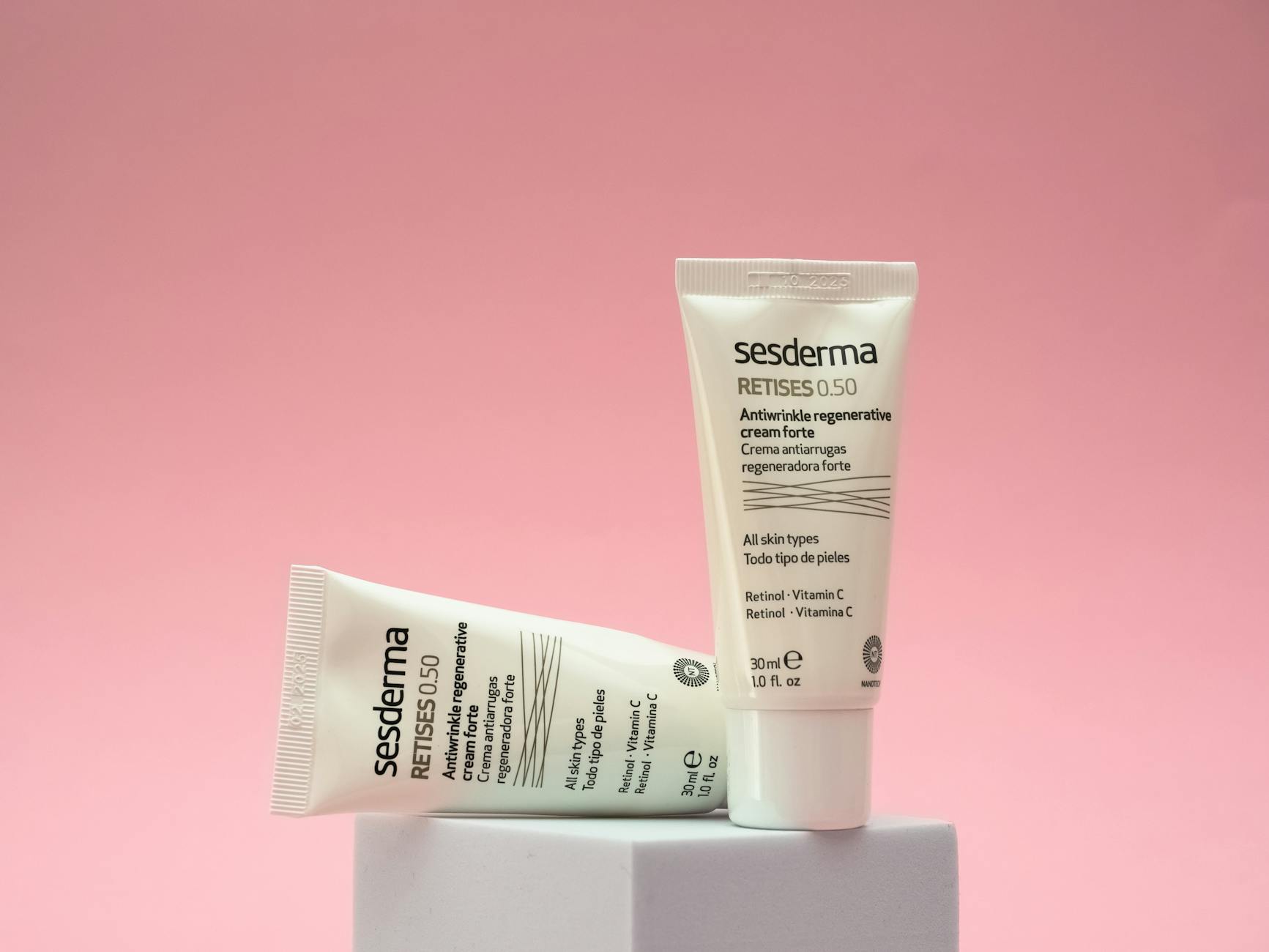
Retinol is a vitamin A derivative with the chemical identifier 68-26-8, also known as Vitamin A alcohol. This powerful skincare ingredient works by stimulating your skin's natural cell turnover process, helping fresh, healthy skin cells reach the surface faster while removing older, damaged cells.
“Retinol works by accelerating your skin's natural renewal process, revealing clearer, smoother skin underneath.”
What makes retinol unique is its ability to tackle multiple skin concerns simultaneously. It reduces fine lines and wrinkles by boosting collagen production, while also improving skin texture and tone. For acne-prone skin, retinol helps unclog pores by preventing dead skin cells from building up and blocking follicles.
This dual action makes retinol particularly valuable if you're worried about both current breakouts and potential scarring. By keeping pores clear and promoting healthy skin renewal, retinol helps prevent the clogged pores that can lead to inflammatory acne and subsequent scarring.
How Retinol Works

Retinol works by speeding up your skin's natural cell renewal process. Your skin normally sheds old cells and creates new ones over a 28-day cycle, but retinol accelerates this process to help you see clearer skin faster.
“Retinol accelerates your skin's natural renewal process to reveal fresher, clearer skin underneath.”
The ingredient penetrates deep into your pores to unclog them from the inside out. This prevents the buildup of dead skin cells and oil that leads to blackheads and breakouts. At the same time, retinol signals your skin to produce more collagen, the protein that keeps skin smooth and firm.
You'll notice improved skin texture as retinol works to smooth rough patches and reduce the appearance of acne scars over time. For example, small bumps and uneven areas gradually become smoother as new, healthy cells replace damaged ones.
Patience is essential with retinol treatment. While some people see initial improvements within 2-4 weeks, significant changes typically occur after 2-3 months of consistent use. This gradual process helps prevent the permanent scarring you're worried about while building healthier skin long-term.
What Retinol Treats
Retinol effectively addresses several common skin concerns that often cause embarrassment and worry about permanent damage. This versatile ingredient works on multiple skin issues simultaneously, making it a popular choice for comprehensive skin improvement.
Fine lines and wrinkles respond well to retinol's cell renewal properties. The ingredient smooths these signs of aging by promoting fresh skin cell production and boosting collagen.
Acne and clogged pores clear up because retinol prevents dead skin cells from blocking hair follicles. This action reduces blackheads, whiteheads, and breakouts while preventing new blemishes from forming.
Uneven skin texture improves as retinol removes rough, damaged surface cells. Your skin becomes smoother and softer over time. Mild hyperpigmentation from sun damage or old acne marks gradually fades as new, evenly pigmented cells replace damaged ones. Large pores appear smaller when retinol removes debris and strengthens surrounding skin.
Retinol vs Other Skincare Ingredients

Understanding how retinol works with other ingredients prevents skin irritation and helps you build an effective routine. The key is knowing which combinations work together and which should be separated.
Retinol pairs beautifully with Hyaluronic Acid, a powerful humectant that holds up to 1000 times its weight in water. This combination allows retinol to improve skin texture while Hyaluronic Acid provides essential hydration to prevent dryness and irritation.
You can alternate retinol with Salicylic Acid, a beta hydroxy acid that exfoliates inside pores and treats acne effectively. Use Salicylic Acid in the morning and retinol at night to avoid over-exfoliation that could lead to permanent damage or scarring.
Never combine retinol with Vitamin C, as this potent antioxidant can destabilize retinol and cause irritation. Use Vitamin C in your morning routine and retinol at night.
Niacinamide, a form of vitamin B3 that regulates sebum production and strengthens skin barrier function, works well with retinol when your skin has adjusted to treatment.
Is Retinol Right for You?
Retinol works well for most skin types and addresses common concerns like acne and aging without causing permanent damage. Start with lower concentrations (0.25% or 0.5%) to minimize irritation. If you have sensitive skin or conditions like eczema, consult a dermatologist before beginning treatment to ensure safe, effective results.
Begin with low-concentration retinol and gradually increase strength to achieve clear skin safely.
Frequently Asked Questions
What is retinol and how does it work?
Retinol is a vitamin A derivative that works by stimulating your skin's natural cell turnover process, helping fresh, healthy skin cells reach the surface faster while removing older, damaged cells. It accelerates your skin's normal 28-day renewal cycle and penetrates deep into pores to unclog them from the inside out. The ingredient also signals your skin to produce more collagen, the protein that keeps skin smooth and firm.
How long does it take to see results from retinol?
While some people see initial improvements within 2-4 weeks, significant changes typically occur after 2-3 months of consistent use. Patience is essential with retinol treatment as this gradual process helps prevent permanent scarring while building healthier skin long-term. Studies show that users can expect about 80% acne improvement and 25% wrinkle reduction after 12 weeks of regular use.
What skin problems does retinol treat?
Retinol effectively treats multiple skin concerns including fine lines and wrinkles, acne and clogged pores, uneven skin texture, mild hyperpigmentation, and large pores. It reduces breakouts by preventing dead skin cells from blocking hair follicles and helps prevent acne scarring. Retinol also smooths rough patches, fades sun damage and old acne marks, and makes pores appear smaller by removing debris and strengthening surrounding skin.
Can retinol help prevent acne scarring?
Yes, retinol helps prevent acne scarring by keeping pores clear and promoting healthy skin renewal. It prevents the clogged pores that can lead to inflammatory acne and subsequent scarring. The ingredient's dual action of treating current breakouts while promoting cell turnover makes it particularly valuable for those concerned about both active acne and potential scarring.
Disclaimer: This content is for informational purposes only and does not constitute medical advice. Always consult a qualified healthcare provider before making health decisions.