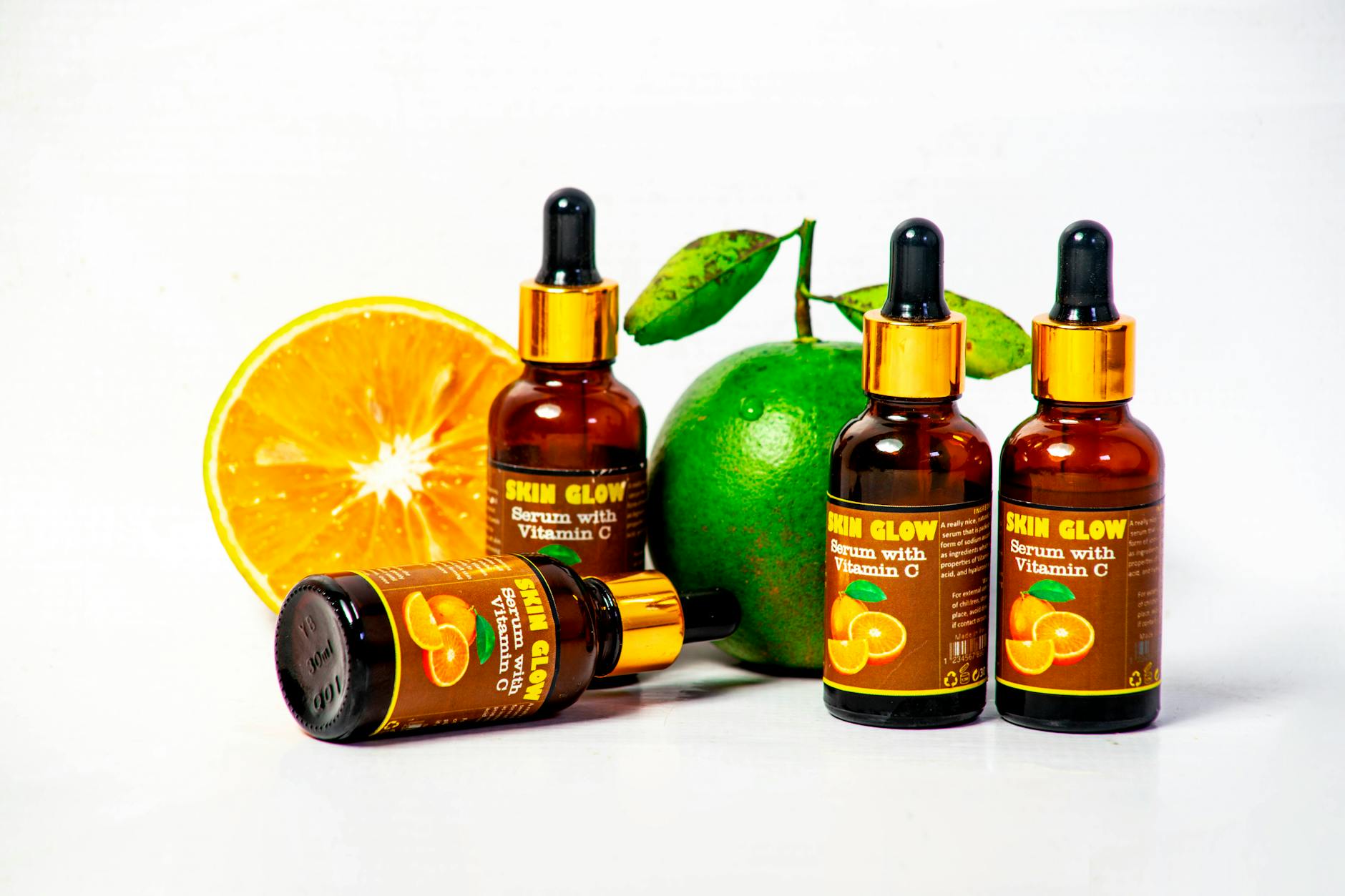
Why Proper Vitamin C Application Matters

Getting the most from your Vitamin C serum requires more than just slapping it on your face and hoping for the best. L-Ascorbic Acid, the most potent form of Vitamin C, loses its effectiveness when applied incorrectly, potentially leaving you frustrated with lackluster results instead of the bright, clear skin you're seeking.
“Proper application transforms Vitamin C from an expensive disappointment into a skin-transforming powerhouse.”
Common mistakes sabotage your progress. Applying Vitamin C over moisturizer blocks absorption. Using it at night wastes its protective benefits against environmental damage. Mixing it with certain ingredients like retinol or benzoyl peroxide can cause irritation that leads to the very scarring and discoloration you're trying to prevent.
When used correctly, expect gradual improvements over 6-12 weeks. Your skin will appear brighter first, followed by reduced dark spots and improved texture, giving you the confidence boost that comes with healthier-looking skin.
When to Apply Vitamin C Serum in Your Routine

Timing your Vitamin C application correctly maximizes its benefits and prevents skin irritation that could worsen your concerns about scarring. Most dermatologists recommend applying Vitamin C serum in the morning because it works as an antioxidant shield against daily environmental damage and free radicals.
“Apply Vitamin C in the morning to create a protective barrier against the environmental stressors your skin faces all day.”
Follow this simple sequence for morning application: cleanse your face, apply Vitamin C serum to damp skin, wait 10-15 minutes for absorption, then apply moisturizer and sunscreen. The damp skin helps the serum penetrate better while reducing potential stinging.
Wash your face with a gentle cleanser to remove overnight buildup.
Pat Vitamin C serum onto slightly damp skin using gentle upward motions.
Allow 10-15 minutes for absorption, then apply moisturizer and broad-spectrum sunscreen.
Never combine Vitamin C with Retinol in the same routine, as this combination can cause severe irritation and redness. Save Retinol for nighttime use while keeping Vitamin C as your morning antioxidant defender.
Step-by-Step Application Process
Applying Vitamin C serum correctly makes the difference between glowing skin and potential irritation. The amount matters more than you might think—using too much won't speed results and can lead to redness that might worry you about permanent damage.
Use 2-3 drops for your entire face—this covers all areas without waste.
Pat gently starting from your forehead, working downward to avoid tugging delicate eye area skin.
Allow 10-15 minutes before applying moisturizer to prevent pilling and ensure full penetration.
Apply SPF 30 or higher during morning routines since Vitamin C increases photosensitivity.
Common mistakes include rubbing vigorously instead of patting, applying to wet skin which dilutes the serum, or mixing directly with other active ingredients like retinol. These errors can cause irritation that looks worse than your original skin concerns.
For example, if you notice stinging after application, you're likely using too much product or applying it incorrectly. Start with one drop and gradually increase as your skin builds tolerance. The L-Ascorbic Acid form works best on completely dry skin—even residual moisture from cleansing can trigger reactions that delay your progress toward clearer skin.
How to Layer Vitamin C with Other Ingredients
Getting ingredient combinations wrong can cause irritation or cancel out your vitamin C benefits entirely. Understanding safe layering prevents setbacks in your skincare journey and helps you achieve clearer skin faster.
Hyaluronic Acid works beautifully with vitamin C. This powerful humectant holds up to 1000 times its weight in water, providing deep hydration that complements vitamin C's brightening effects. Apply vitamin C first, wait 10-15 minutes, then follow with hyaluronic acid.
Niacinamide pairs well with L-Ascorbic Acid despite old myths suggesting otherwise. This form of vitamin B3 regulates sebum production and minimizes pore appearance while vitamin C tackles pigmentation. Use them in the same routine without worry.
Avoid mixing vitamin C with Retinol or Salicylic Acid in the same application. Retinol, a vitamin A derivative, and Salicylic Acid, a beta hydroxy acid that exfoliates inside pores, can destabilize vitamin C and increase irritation risk. Use vitamin C in the morning and these actives at night.
Let it fully absorb for 10-15 minutes before layering.
Follow with hyaluronic acid or niacinamide if desired.
Seal everything with a gentle, fragrance-free moisturizer.
Starting Your Vitamin C Routine Safely

Starting slowly prevents irritation and helps your skin adjust to Vitamin C without causing the redness or burning that might leave you worried about permanent damage. Begin with a low concentration serum (5-10%) applied every other day for the first week.
Apply a pea-sized amount of 5-10% Vitamin C serum on alternate mornings.
If no irritation occurs, increase to daily morning use with the same concentration.
After four weeks of tolerance, you may gradually introduce higher concentrations if needed.
Watch for warning signs including persistent redness, stinging that doesn't subside within minutes, or increased breakouts. These symptoms indicate you're moving too fast. If irritation develops, pause for 2-3 days before resuming at a lower frequency.
Your skin needs time to build tolerance to L-Ascorbic Acid's potency. This gradual approach ensures you'll achieve clear, bright skin without setbacks that could delay your progress.
Common Mistakes and How to Avoid Them
Even with the best intentions, beginners often make simple mistakes that can irritate skin or reduce Vitamin C's effectiveness. Understanding these common pitfalls helps you avoid setbacks that might delay your clear skin goals.
The biggest mistake is using too much product. A pea-sized amount covers your entire face—more won't work faster and may cause redness or peeling. Start with 2-3 drops and spread evenly.
Never mix Vitamin C with retinol, benzoyl peroxide, or alpha hydroxy acids in the same routine. These combinations can neutralize benefits or cause severe irritation. Use Vitamin C in the morning and other actives at night instead.
Skipping sunscreen is perhaps the most damaging mistake. Vitamin C can make skin more photosensitive initially, and without protection, you risk hyperpigmentation—the opposite of your goal. Always apply broad-spectrum SPF 30 or higher during the day.
Store your serum in a cool, dark place and replace it if it turns brown or orange, indicating oxidation.
Start slow with small amounts, never skip sunscreen, and avoid mixing Vitamin C with other active ingredients in the same routine.
Frequently Asked Questions
When should I apply vitamin C serum in my skincare routine?
Apply vitamin C serum in the morning for best results. Most dermatologists recommend morning application because it works as an antioxidant shield against daily environmental damage and free radicals. Follow this sequence: cleanse your face, apply vitamin C serum to damp skin, wait 10-15 minutes for absorption, then apply moisturizer and sunscreen.
How much vitamin C serum should I use on my face?
Use only 2-3 drops of vitamin C serum for your entire face. This amount covers all areas without waste and prevents potential irritation. Using too much won't speed up results and can actually lead to redness that might cause concern about permanent damage.
Can I use vitamin C serum with retinol?
Never combine vitamin C with retinol in the same routine, as this combination can cause severe irritation and redness. Save retinol for nighttime use while keeping vitamin C as your morning antioxidant defender. This separation prevents skin irritation that could worsen concerns about scarring.
How long does it take to see results from vitamin C serum?
When used correctly, expect gradual improvements over 6-12 weeks. Your skin will appear brighter first, followed by reduced dark spots and improved texture. Studies show 85% improved skin brightness and a 20% increase in collagen synthesis with proper application.
What are common mistakes when applying vitamin C serum?
Common mistakes include applying vitamin C over moisturizer, which blocks absorption, and using it at night, which wastes its protective benefits. Mixing it with certain ingredients like retinol or benzoyl peroxide can cause irritation. These mistakes can lead to lackluster results instead of the bright, clear skin you're seeking.
Disclaimer: This content is for informational purposes only and does not constitute medical advice. Always consult a qualified healthcare provider before making health decisions.