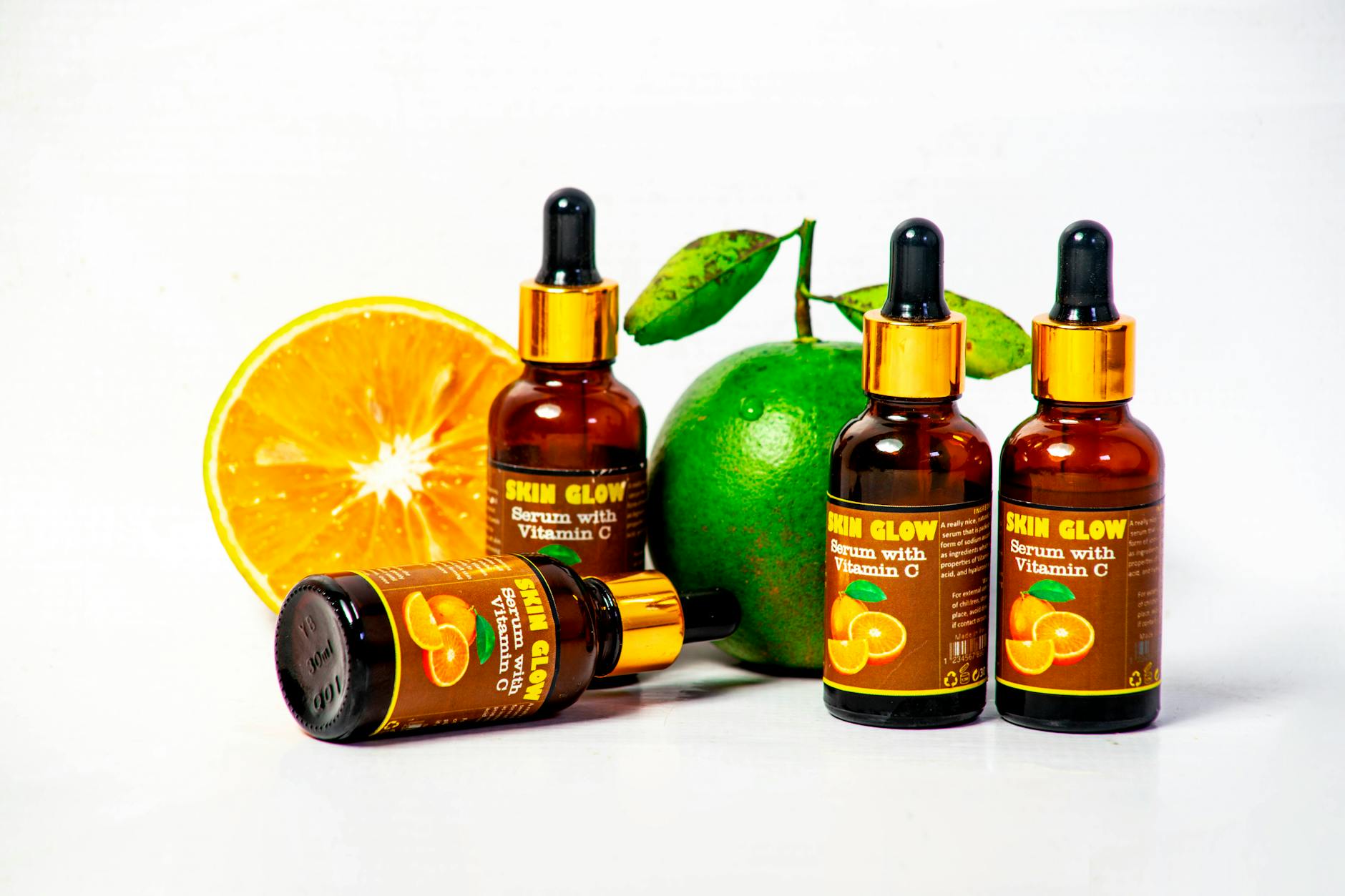
What Are Vitamin C Derivatives and Why They Matter

Vitamin C derivatives are modified forms of pure L-Ascorbic Acid that have been chemically altered to improve stability and skin penetration. While L-Ascorbic Acid is the most potent form of Vitamin C, it breaks down quickly when exposed to light, air, and heat, making it challenging to formulate in skincare products.
“Vitamin C derivatives offer the same skin-brightening benefits as pure L-Ascorbic Acid but with improved stability and gentler application.”
These derivatives work by converting back into active Vitamin C once they penetrate your skin. This conversion process happens gradually, which means they're less likely to cause irritation than pure L-Ascorbic Acid. Popular derivatives include Magnesium Ascorbyl Phosphate, Sodium Ascorbyl Phosphate, and Ascorbyl Glucoside.
For those worried about permanent scarring from acne or hyperpigmentation, Vitamin C derivatives provide a safer entry point into vitamin C skincare. They deliver the same core benefits: brightening dark spots, stimulating collagen production, and protecting against environmental damage that can worsen existing skin concerns.
Understanding these differences helps you choose products that won't overwhelm sensitive skin while still providing the anti-aging and complexion-improving benefits you're seeking. The key is finding the right balance between potency and tolerance for your specific skin needs.
L-Ascorbic Acid: The Gold Standard

L-Ascorbic Acid stands as the most potent and scientifically proven form of Vitamin C for skincare. This pure form delivers maximum antioxidant power, making it incredibly effective at stimulating collagen synthesis and fading dark spots left behind by acne breakouts.
“L-Ascorbic Acid remains the most researched and effective form of vitamin C for skin brightening and anti-aging benefits.”
Research consistently shows L-Ascorbic Acid excels at reducing hyperpigmentation and preventing permanent scarring—two major concerns for anyone dealing with acne. Studies demonstrate it can lighten existing dark spots while building stronger skin through enhanced collagen production.
However, this powerhouse ingredient comes with challenges. L-Ascorbic Acid breaks down quickly when exposed to light, air, and heat, turning brown and losing effectiveness. You must store products in cool, dark places and replace them every three months once opened.
The concentration matters significantly. Beginners should start with 10% formulations, while experienced users can handle 15-20%. Higher percentages increase irritation risk but deliver faster results. For example, SkinCeuticals CE Ferulic contains 15% L-Ascorbic Acid and remains the dermatologist favorite for proven results.
Stable Vitamin C Derivatives for Sensitive Skin
If l-ascorbic acid feels too harsh for your skin, stable vitamin C derivatives offer a gentler path to clearer skin without the irritation that might worsen existing breakouts or create new problems.
Magnesium ascorbyl phosphate stands out as the most beginner-friendly option. This water-soluble derivative converts to vitamin C once absorbed, delivering antioxidant benefits while maintaining stability in formulations. It works exceptionally well with Niacinamide, a form of vitamin B3 that regulates sebum production and provides anti-inflammatory benefits for acne-prone skin. Together, they create a powerful yet gentle combination that won't cause the redness or peeling that can make you feel self-conscious.
Sodium ascorbyl phosphate offers similar benefits with enhanced oil-control properties, making it ideal for acne-prone skin. Both derivatives pair beautifully with Hyaluronic Acid, which holds up to 1000 times its weight in water, ensuring your skin stays hydrated while fighting breakouts. These stable forms eliminate the guesswork and reduce the risk of irritation that could delay your progress toward clear skin.
Oil-Soluble Vitamin C Options
While water-soluble vitamin C forms work on the skin's surface, oil-soluble versions like ascorbyl palmitate penetrate deeper into the skin's lipid layers. This fat-soluble form combines vitamin C with palmitic acid, creating a molecule that dissolves easily in oils and can reach areas where breakouts often start beneath the surface.
Oil-soluble vitamin C works particularly well in serums, face oils, and moisturizers that contain other oil-based ingredients. These formulations pair naturally with retinol, allowing you to use both ingredients together without the irritation that sometimes occurs when mixing water-based vitamin C with vitamin A derivatives.
Ascorbyl palmitate offers steady, gentle delivery that won't cause the redness or peeling that might lead to temporary marks on your skin. This makes it an excellent choice for people worried about any kind of discoloration during their skin clearing journey.
Consider oil-soluble vitamin C if you have dry skin, use face oils regularly, or want to combine vitamin C with other oil-based treatments. The deeper penetration helps address skin concerns at their source while maintaining your skin's protective barrier.
How to Choose the Right Vitamin C Derivative for Your Skin

Selecting the right vitamin C derivative depends on your skin's sensitivity level and tolerance. Start with magnesium ascorbyl phosphate or sodium ascorbyl phosphate if you have sensitive or reactive skin, as these stable forms rarely cause irritation. For normal to oily skin types, L-ascorbic acid provides maximum potency but requires careful introduction.
Begin with 5-10% concentrations and gradually increase to prevent irritation that could worsen existing breakouts.
Introduce vitamin C alone for two weeks before combining with other active ingredients.
Apply vitamin C before heavier serums but avoid immediate mixing with Salicylic Acid or strong actives.
Niacinamide pairs excellently with vitamin C derivatives, helping control oil production while vitamin C tackles scarring concerns. This combination addresses both active breakouts and post-inflammatory marks without aggressive irritation.
Switch derivatives if you experience persistent stinging, increased breakouts, or darkening of existing spots after four weeks. These signs indicate your current choice isn't suitable for your skin's needs.
Common Mistakes to Avoid with Vitamin C Derivatives
Starting with too high concentrations causes irritation and potential scarring that many people fear. Begin with 5-10% L-ascorbic acid or lower concentrations of magnesium ascorbyl phosphate. Your skin needs time to build tolerance, especially if you're dealing with active breakouts.
Improper storage destroys vitamin C effectiveness quickly. Store products in cool, dark places and check for color changes. Brown or yellow tinting means oxidation has occurred, making the product potentially irritating and less effective.
Mixing incompatible ingredients creates chemical reactions that can worsen skin problems. Avoid combining vitamin C with retinoids, benzoyl peroxide, or AHA/BHA acids in the same routine. However, you can safely pair vitamin C with Hyaluronic Acid, which holds up to 1000 times its weight in water and provides deep hydration without interference.
Skipping patch tests leads to unexpected reactions. Test new vitamin C derivatives on your inner wrist for 24 hours before facial application. This simple step prevents widespread irritation that could delay your clear skin goals.
Start low, store properly, avoid mixing actives, and always patch test to prevent setbacks in your skincare journey.
Frequently Asked Questions
What are vitamin C derivatives and how are they different from pure vitamin C?
Vitamin C derivatives are modified forms of pure L-Ascorbic Acid that have been chemically altered to improve stability and skin penetration. While L-Ascorbic Acid is the most potent form, it breaks down quickly when exposed to light, air, and heat. These derivatives work by converting back into active Vitamin C once they penetrate your skin, making them less likely to cause irritation than pure L-Ascorbic Acid.
Why is L-Ascorbic Acid considered the gold standard for vitamin C skincare?
L-Ascorbic Acid stands as the most potent and scientifically proven form of Vitamin C for skincare, delivering maximum antioxidant power. Research consistently shows it excels at reducing hyperpigmentation, preventing permanent scarring, and stimulating collagen synthesis. Studies demonstrate it can lighten existing dark spots while building stronger skin through enhanced collagen production.
What concentration of L-Ascorbic Acid should beginners start with?
Beginners should start with 10% L-Ascorbic Acid formulations, while experienced users can handle 15-20%. Higher percentages increase irritation risk but deliver faster results. The concentration matters significantly for both effectiveness and tolerance.
Which vitamin C derivative is best for sensitive or acne-prone skin?
Magnesium ascorbyl phosphate stands out as the most beginner-friendly option for sensitive skin. This water-soluble derivative converts to vitamin C once absorbed, delivering antioxidant benefits while maintaining stability in formulations. It works exceptionally well with Niacinamide and creates a powerful yet gentle combination that won't cause redness or peeling.
How should I store L-Ascorbic Acid products to maintain their effectiveness?
L-Ascorbic Acid breaks down quickly when exposed to light, air, and heat, turning brown and losing effectiveness. You must store products in cool, dark places and replace them every three months once opened. This instability is one of the main challenges with using pure L-Ascorbic Acid products.
Disclaimer: This content is for informational purposes only and does not constitute medical advice. Always consult a qualified healthcare provider before making health decisions.